

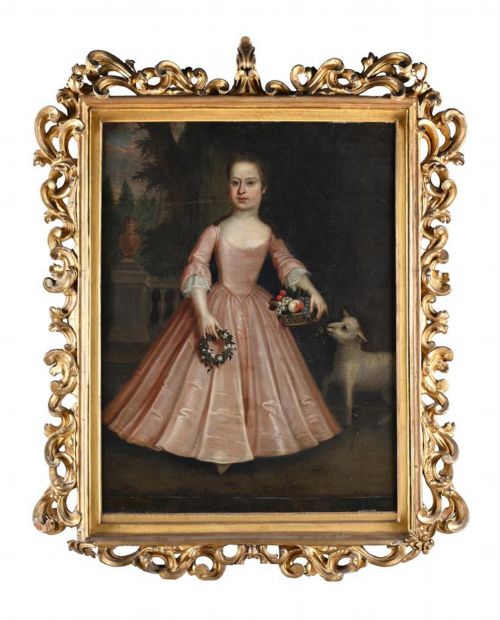
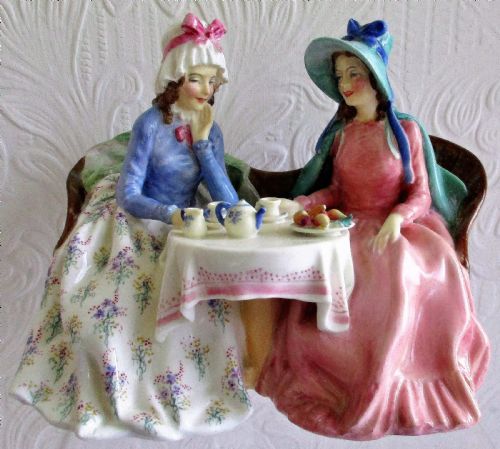


Pink Dress Painting
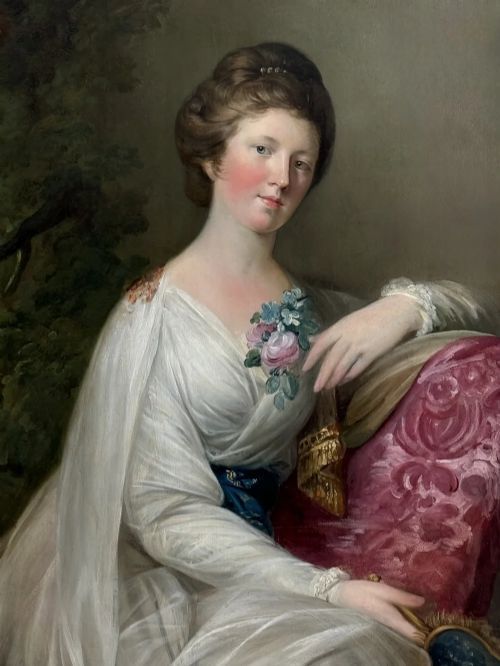
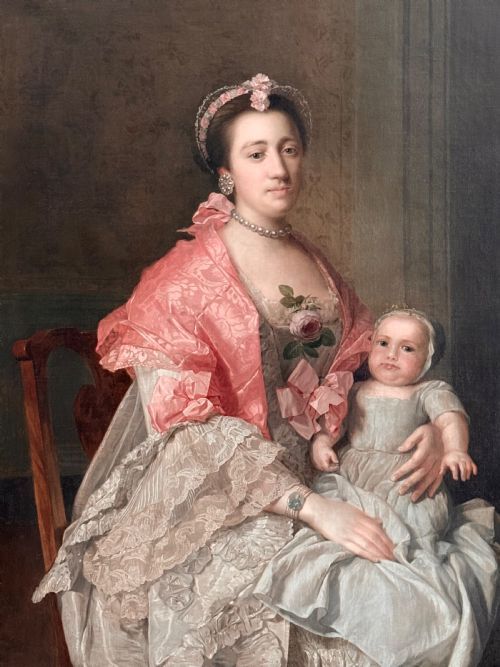
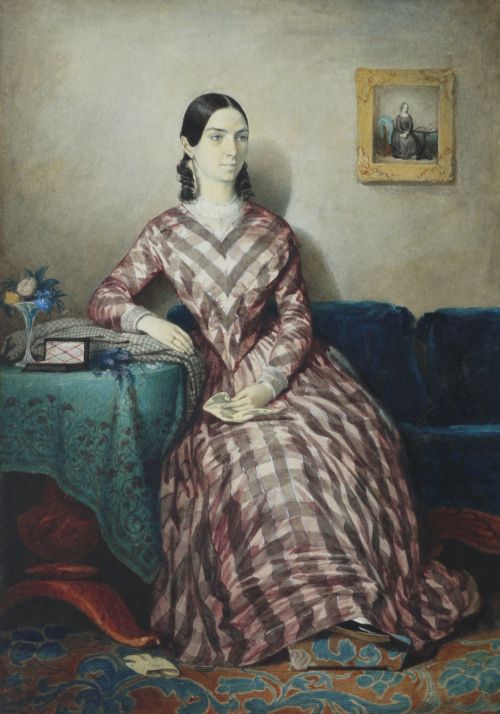
A pink dress painting brings centuries of portraiture into a room, capturing garments from silk gowns to flapper slips in oil or watercolour.
Pink Dress Painting
A pink dress painting spans centuries of portraiture, recording sitters from Georgian ladies to 1920s women in oil and watercolour. Buyers search for these works to bring historic fashion and figurative art into their homes.
The selections available here range widely in origin and format, taking in British, French, Italian, and Norwegian hands. Oil on canvas dominates the works, accompanied by delicate watercolours and porcelain figurines.
Earlier pieces from the eighteenth century portray subjects in formal gowns, while later nineteenth and early twentieth-century examples capture children by the sea or women in casual attire. Each piece records changing styles of dress through pigment and canvas.
Materials and methods
Artists relied primarily on oil on canvas or watercolour on paper to capture their subjects, framing them with wood and gold leaf or giltwood. These traditional mediums allow fine rendering of textiles, skin tones, and background details.
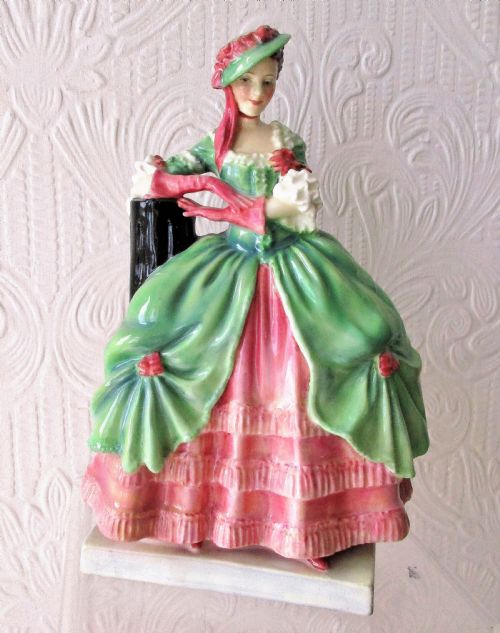
Porcelain figurines offer a three-dimensional alternative to flat canvas, moulded and glazed in factories to depict female figures in coloured garments. Each material requires specific handling, from canvas tension to ceramic preservation.
Pink Dress Painting Retail Price Guide 2026
Typical asking prices for pink dress painting among the pieces listed under this phrase on Sellingantiques today, from the lower quarter to the upper quarter. They describe what is for sale here now, not the wider market.
Listings feature works spanning the 17th through the 20th centuries, executed in oil on canvas, watercolour, and porcelain.
Distinguishing quality in portraiture
Quality rests in the precision of the brushwork and the anatomical accuracy of the sitter, distinguishing master works from naive school pieces. Hand-mixed pigments and careful layering create depth in fabrics, particularly the folds and sheen of pink garments.
The significance of the sitter and the documentation of the artist shape the standing of a piece. Signed works by recorded painters hold distinct art-historical weight compared to anonymous studio output.
Alessandro Cittadini·George Willison·Sir Allan Ramsay·Paul Schier·Paul Viry·Charles Edward Wilson·George Knapton·Robert Byng·Alfred Seifert·Francis Alleyne·Sir Peter Lely·Nathaniel Hone·Harry John Pearson
The Pink Dress Painting Glossary
- Oil on canvas
- A painting medium using pigments suspended in drying oil applied to a stretched cloth support. This technique allows rich colour blending and durability over centuries.
- Watercolour
- A painting method where fine pigment is suspended in a water-based solution on paper. It creates luminous, transparent washes often used for preparatory sketches or detailed portraits.
- Giltwood
- Wood carved and coated with gold leaf or a gold-coloured metallic finish. It frequently frames historic oil paintings to complement their tones.
- Naive school
- Art created by self-taught painters working outside academic traditions. These pieces often feature charming perspective distortions and direct observation.
- Figurine
- A small modelled statuette depicting a human or animal form. Porcelain examples combine sculpted clay with detailed hand-painting under a glossy glaze.
Pink Dress Painting: Frequently Asked Questions
What periods do these paintings cover?
The selections span from the seventeenth century through the Georgian and Victorian eras up to the 1920s and 1940s. This timeline shows how portraiture and fashion evolved side by side.
Earlier works lean towards formal oil portraits, while later items include impressionistic canvases and porcelain figures reflecting twentieth-century tastes.
How do I care for an oil painting?
Keep canvases away from direct sunlight and fluctuating humidity to prevent cracking in the paint layer. Dust them gently with a soft, dry brush without using liquid cleaners.
Ensure the wooden stretcher frames remain stable and consult a professional conservator if the canvas sags or grime accumulates.
What is the English naive school?
The English naive school refers to untrained or semi-trained artists who painted without formal academic adherence to perspective. Their work values direct storytelling and honest observation over strict proportion.
These pieces often display a flat, charming perspective that appeals to collectors seeking character over academic perfection.
Are porcelain figurines fragile?
Porcelain figurines consist of fired ceramic material that chips or breaks upon impact. They require stable placement on flat surfaces away from high-traffic zones.
Clean them with a damp cloth only when necessary, avoiding harsh detergents that might harm the painted glaze.