
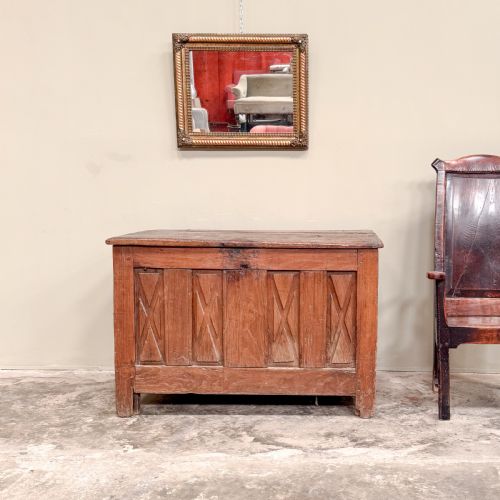

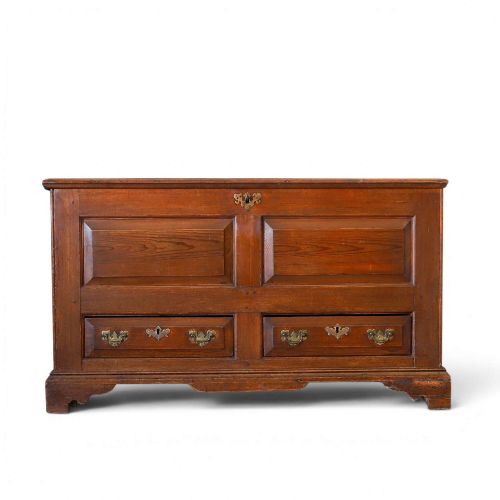
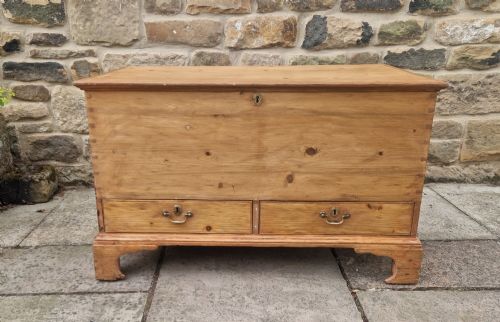
Pine Wooden Coffer
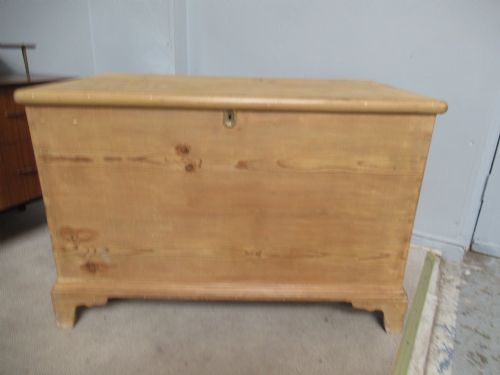
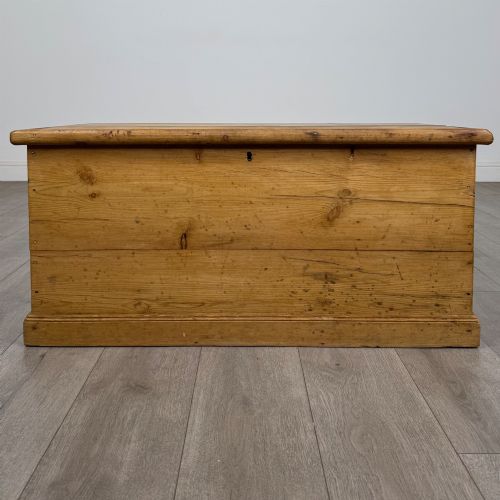
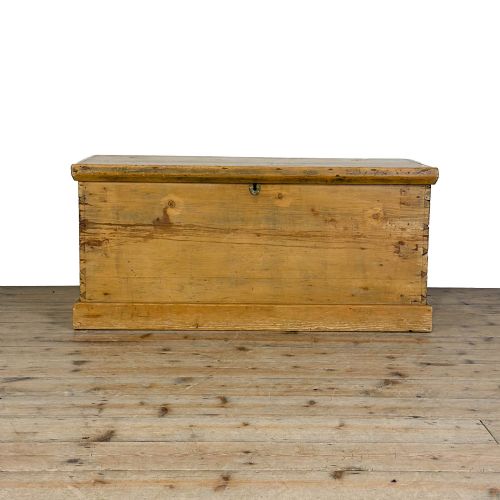
A pine wooden coffer provides robust domestic storage rooted in centuries of utilitarian craft and regional design traditions.
Pine Wooden Coffer
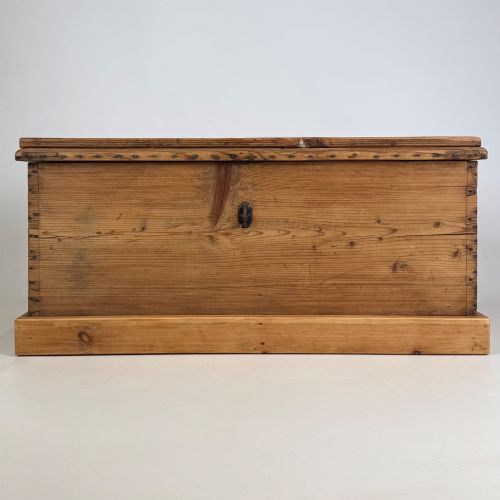
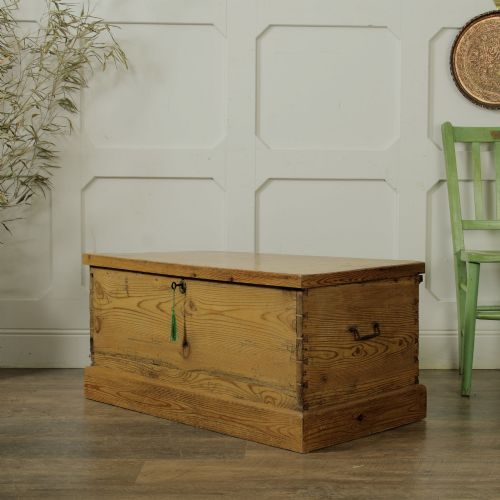
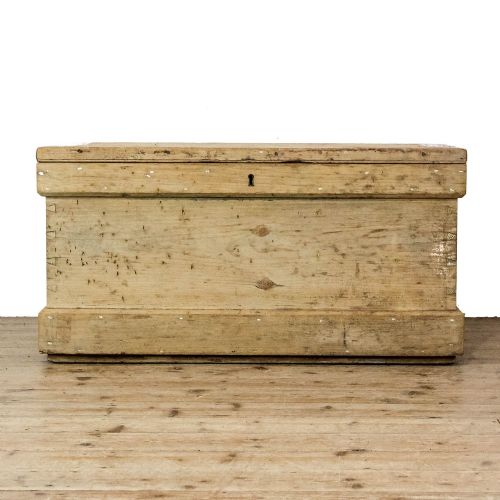
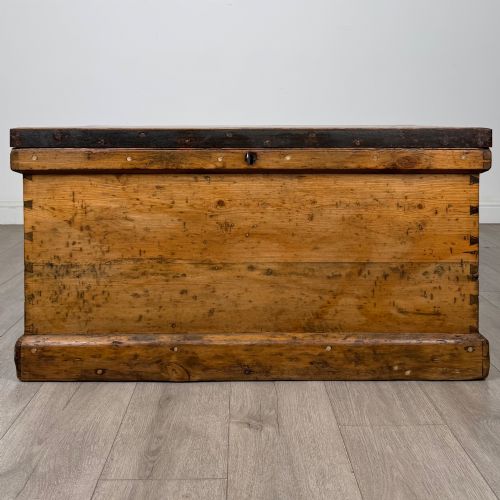
A pine wooden coffer encompasses sturdy blanket boxes, travel trunks, mule chests, and storage bins originating from domestic and provincial workshops. Buyers searching this phrase most frequently encounter nineteenth-century Victorian examples, alongside eighteenth-century Georgian and continental regional pieces.
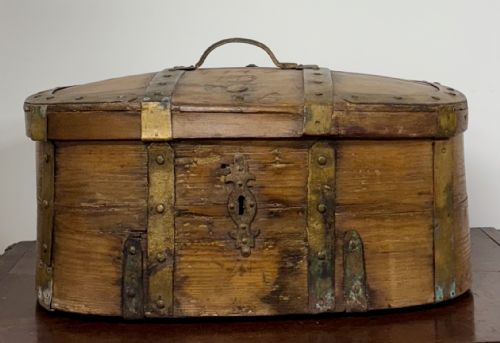
Forms range from simple lidded blanket boxes to sophisticated mule chests fitted with internal drawers and brass bound edges. Surviving pieces often display distinct local character, originating from Welsh, Scandinavian, Dutch, and Hungarian traditions.
Materials and construction methods
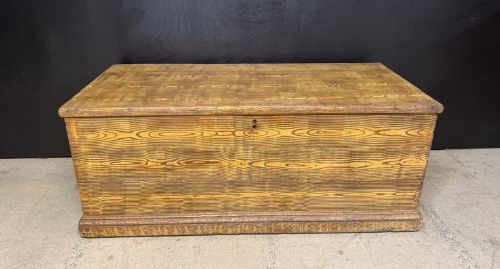
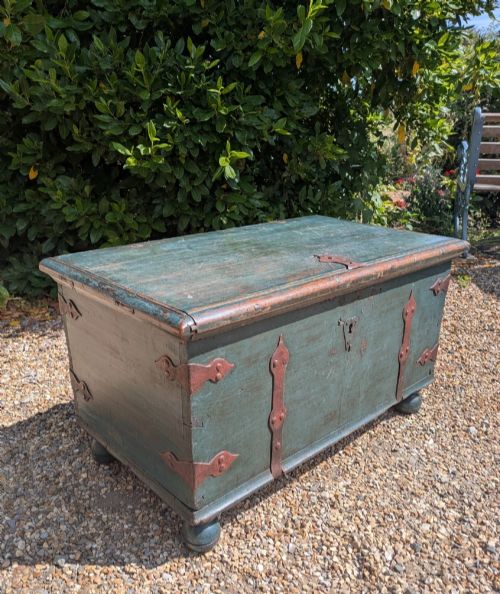
Constructed primarily from solid pine and pitch pine, these pieces frequently incorporate durable iron, wrought iron, and brass hardware to reinforce corners and lids. Surfaces were treated with protective wax finishes, scumble paint, or left in original decorative paint.
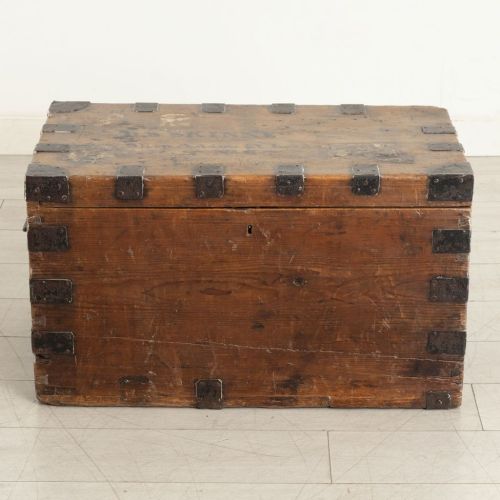
Joinery relies on traditional hand-forged strapwork and robust timber assembly designed to withstand heavy travel and daily household use. Internal compartments sometimes include secondary woods like oak alongside fitted paper linings.
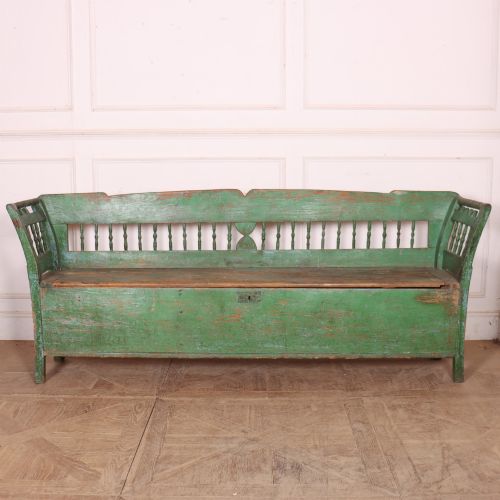
One cheerful Hungarian bench listed here manages to combine three-seater seating with the hidden storage soul of a traditional coffer.
Distinctions in quality and finish
Quality rests in the integrity of the original timber, the survival of authentic painted surfaces or patinated wax finishes, and the complexity of internal fittings. Pieces retaining hand-forged iron strapwork or original regional paintwork stand apart from later stripped examples.
Proportion and structural retention also define the tier of a piece, with fitted interiors and untouched historic surfaces representing the highest standard of survival.
The Pine Wooden Coffer Glossary
- Mule chest
- A traditional storage chest featuring one or more drawers beneath the main lidded compartment. This form bridges the gap between the simple coffer and the chest of drawers.
- Scumble paint
- A decorative glazing technique used to create mottled or faux-wood grain patterns over a base coat. It was widely applied to nineteenth-century pine furniture for aesthetic enrichment.
- Strapwork
- Ornamental metal bands of iron or brass fixed across the exterior of a trunk or coffer to reinforce joints and protect corners. Hand-forged examples indicate earlier provincial craftsmanship.
- Pitch pine
- A dense, resinous variety of pine known for its prominent grain pattern and durability. It was frequently utilised for heavy-duty Victorian travel trunks and chests.
Pine Wooden Coffer: Frequently Asked Questions
What is a pine wooden coffer used for?
These pieces served historically for storing blankets, tools, personal documents, and travel provisions in domestic settings. Today they function primarily as living room storage tables, bedroom blanket boxes, and hallway furniture.
Their sturdy flat lids also allow them to double as occasional benches or display surfaces while concealing household clutter.
How do I date an antique pine coffer?
Dating relies on examining construction marks, hardware types, and timber characteristics. Hand-forged iron strapwork and eighteenth-century panel construction differ visibly from later machine-sawn nineteenth-century Victorian examples.
Original paint finishes, paperwork linings, and regional stylistic cues further narrow down the decade of production.
Are painted pine coffers authentic?
Many regional nineteenth-century and eighteenth-century coffers retain their original or early scumble, blue, or green painted surfaces. Continental pieces from Scandinavia and Hungary frequently feature traditional folk art motifs.
Buyers should examine the paint layers for natural wear and craquelure that match the age of the underlying timber.
How do I care for a waxed pine coffer?
Maintain waxed surfaces by applying a traditional beeswax polish sparingly and buffing with a soft cloth to preserve the patina. Avoid placing antique pine furniture in direct sunlight or near heat sources to prevent timber splitting.
Regular dusting keeps the grain clear without stripping the historic finish.