
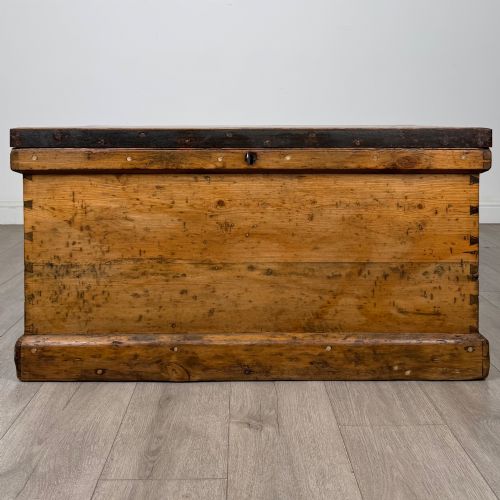
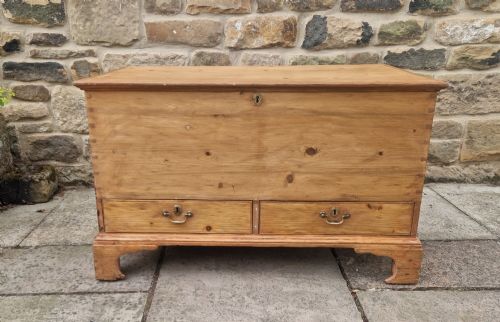
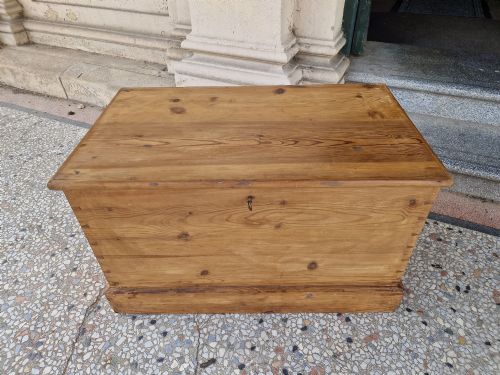


Dovetail Pine Trunk
These dovetail pine trunk pieces are sturdy utilitarian chests built to last, offering rustic storage character for the home.
Dovetail Pine Trunk
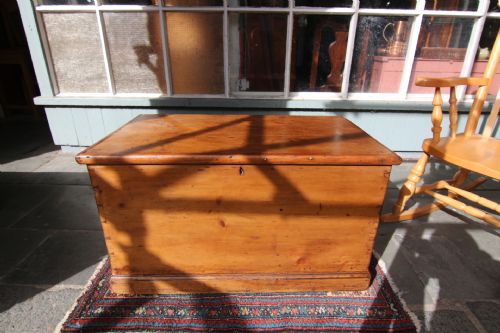
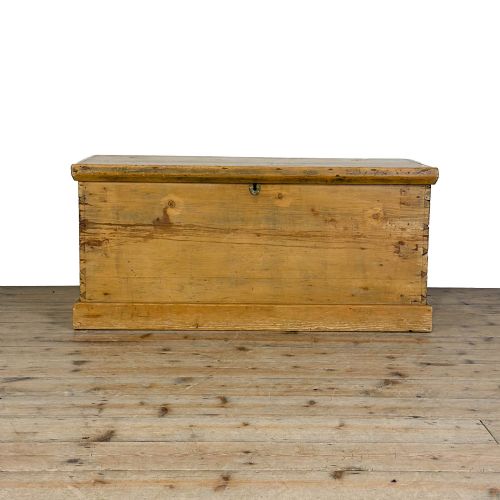
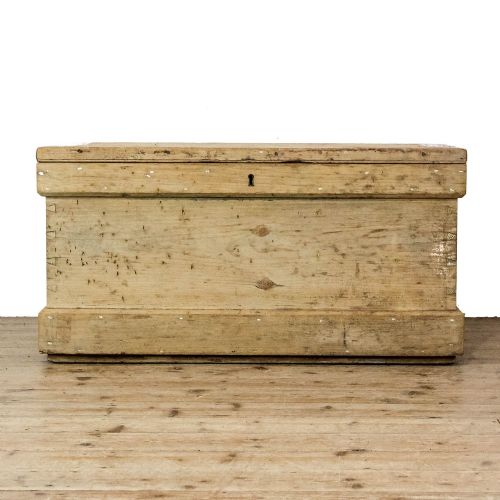
When you search for a dovetail pine trunk, you are looking at utilitarian storage pieces built from softwood, most commonly seen in Victorian formats alongside Georgian, seventeenth century, and nineteen hundred examples. These items function primarily as blanket boxes, mule chests, tool chests, and general storage coffers designed to hold household goods.
The versions you are most likely to meet on this page span styles from rustic farmhouse and country to formal Victorian forms, often featuring simple rectangular bodies or domed lids. Some examples include internal drawers or fitted interior compartments intended for organising smaller items alongside the main cavity.
Mule chests appear within these selections, combining a hinged lid with one or more drawers positioned beneath the main chest body. Trunks and blanket chests range in scale from standard domestic sizes to large proportions suited for substantial storage needs.
How They Were Made
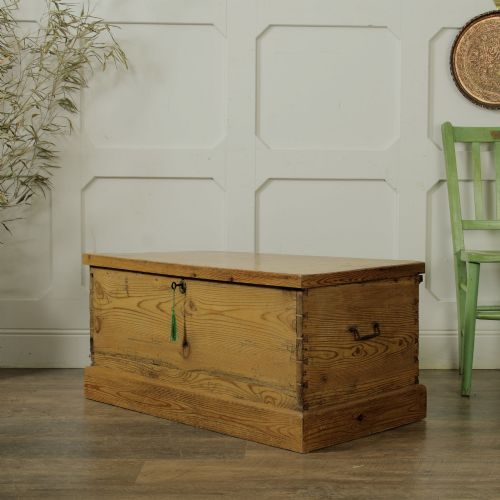
Construction relies primarily on pine and pitch pine timbers, joined at the corners with visible dovetail joints that provide structural strength to the box walls. Makers utilised timber boards secured with iron and brass fixings, hinges, and corner straps to reinforce the lids and base assemblies.
Surface treatments vary from waxed finishes to stripped timber surfaces that expose the natural grain and knot patterns of the pine. Domed top variants employ curved wooden ribs or steam bent boards to create the rounded lid profile, while flat top versions rely on heavy planking.
Listings span from the seventeenth century through to nineteen hundred, encompassing pitch pine and standard pine materials across rustic and Victorian styles.
What Varies in Quality
Quality separates through the precision of the corner dovetailing and the thickness of the pine boards selected for the walls and lid. Tighter, finer joint work and heavier timber scantlings distinguish superior storage pieces from simpler vernacular boxes.
Fitted interiors, such as internal candle boxes and multi drawer arrangements, elevate a piece above basic single compartment chests. The presence of original brass or heavy iron hardware and intact locking mechanisms further marks out the better examples in the range.
The Dovetail Pine Trunk Glossary
- Dovetail
- A joint formed by interlocking wedge shaped fingers that locks timber corners together securely without needing complex metal brackets. This technique provides exceptional tensile strength for heavy storage chests.
- Mule Chest
- A storage chest featuring one or more drawers built beneath the main hinged compartment. The design bridges the gap between a traditional coffer and a chest of drawers.
- Pitch Pine
- A dense, resinous variety of pine timber known for its durability and prominent grain patterns. It was frequently utilised for sturdy nineteenth century furniture.
- Blanket Box
- A large rectangular chest traditionally used for storing woolen blankets, linens, and textiles away from moths. These pieces often sat at the foot of a bed.
- Dome Top
- A lid construction featuring a rounded, arched profile designed to shed water or simply provide additional internal headroom. It requires specialised framing or bent timber techniques.
Dovetail Pine Trunk: Frequently Asked Questions
What is a dovetail pine trunk?
A dovetail pine trunk is a wooden storage box constructed using interlocking corner joints and softwood boards. These utility chests served households for storing linens, blankets, and tools.
Most surviving examples date from the Victorian era, though earlier Georgian and seventeenth century pieces also appear. They range from plain rustic boxes to fitted mule chests with internal drawers.
How were these trunks used historically?
Families utilised these chests primarily for storing textiles, winter blankets, and personal belongings in domestic bedchambers. Tool chests served tradespeople who needed to transport and secure their working implements.
The sturdy construction allowed these trunks to double as seating benches or travel containers when moving households. Internal compartments helped keep smaller items separated from larger stored goods.
How do I style a pine trunk at home?
A pine trunk works effectively as a coffee table in a living room, providing hidden storage for books and extra throws. Their rustic character suits farmhouse, country, and traditional interior schemes.
Placing one at the end of a bed provides convenient linen storage and a surface for decorative items. The natural wood tones pair well with both neutral fabrics and antique furniture.
How do I tell Victorian pine from earlier periods?
Victorian pine pieces frequently display machine sawn lumber uniformity and standard hardware fittings. Earlier seventeenth century and Georgian examples often show wider hand sawn boards and more individualistic joinery.
Nail types, hinge styles, and the method of dovetailing help indicate the age of a chest. Examining the interior surfaces and underside often reveals clues about the original manufacturing era.