


Pine Plate Rack Dresser
A pine plate rack dresser brings honest domestic utility to a kitchen, offering open display shelves above practical storage cupboards or drawers.
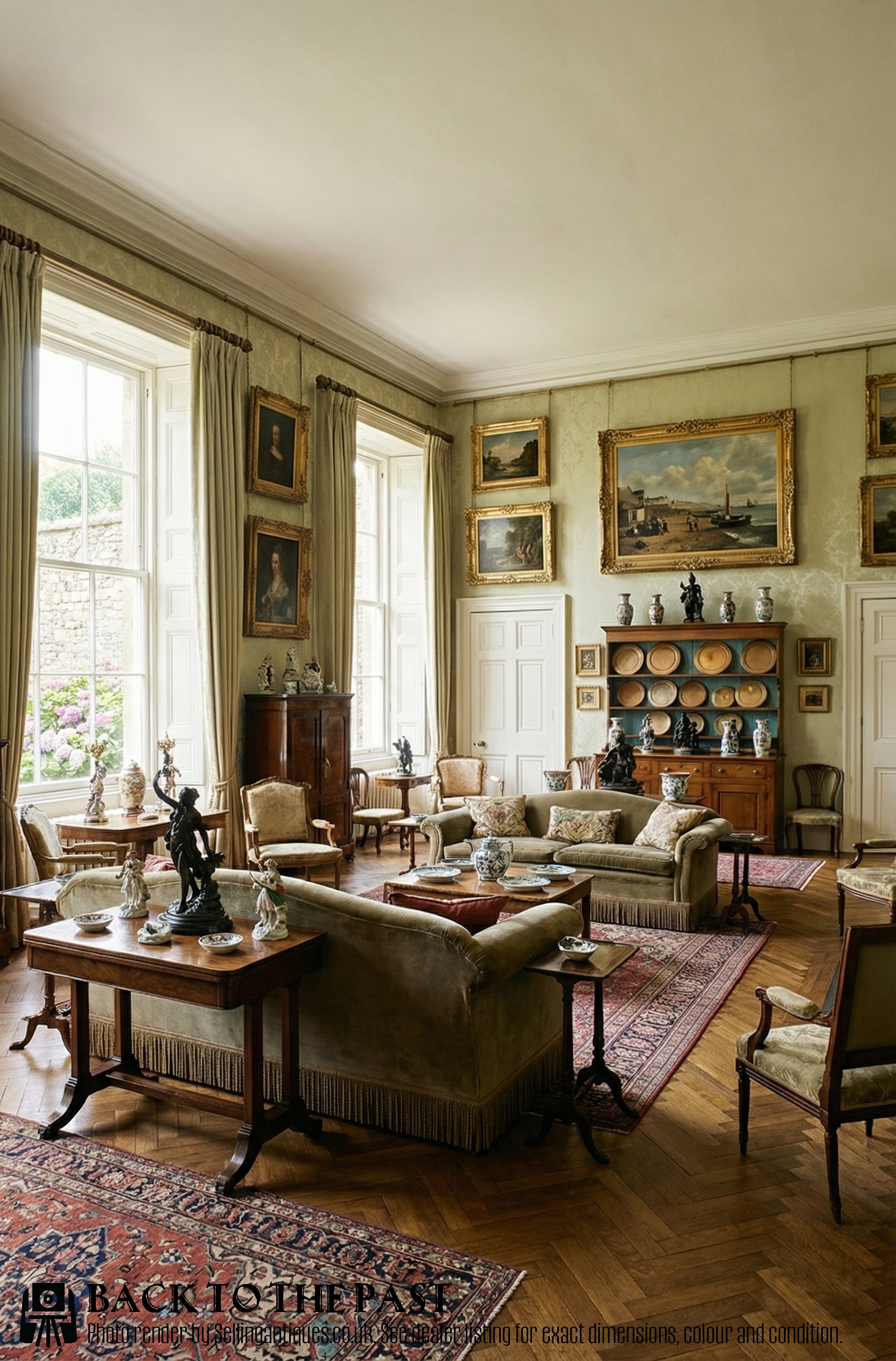
Pine Plate Rack Dresser
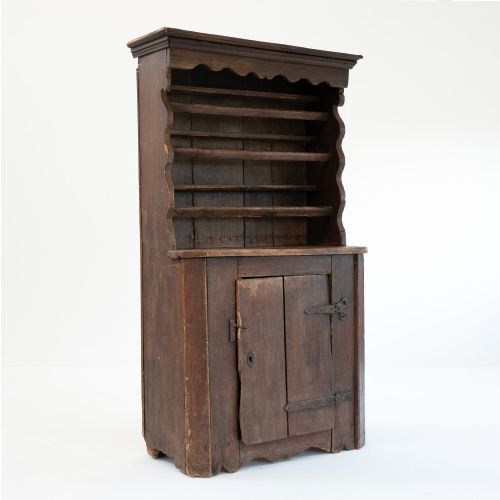
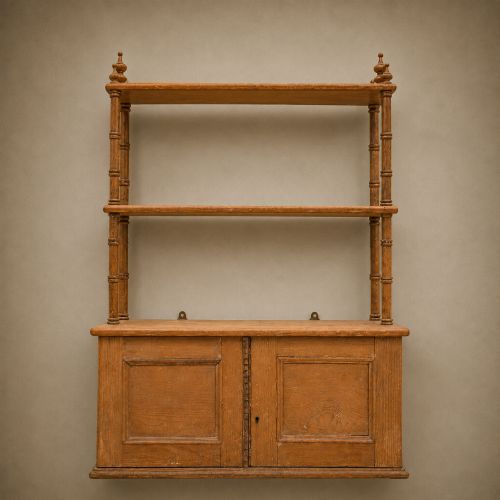
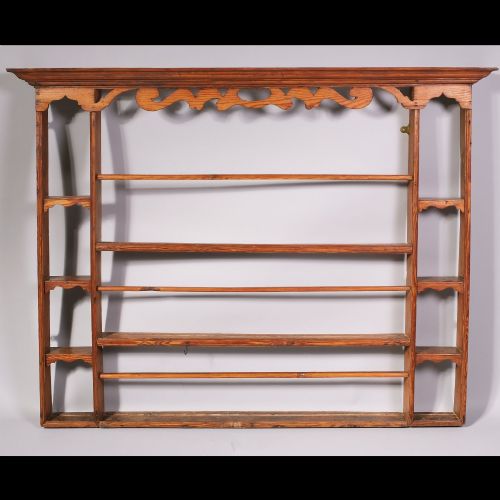
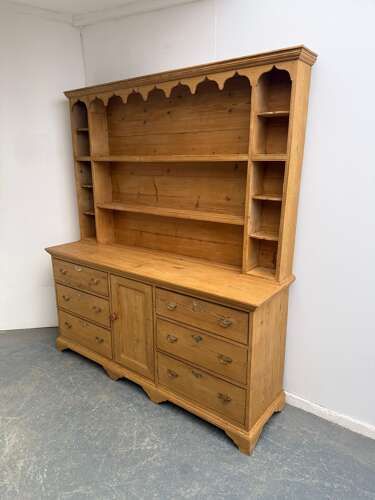
A pine plate rack dresser combines a lower base unit of drawers and cupboards with an upper tiered rack designed specifically to display ceramic plates and platters upright. These pieces emerge primarily from country workshops across England, Wales, Ireland, and Scandinavia during the eighteenth and nineteenth centuries.
The format ranges from monumental potboard dressers to smaller wall-hanging plate racks and compact cottage units. Most examples rely on native softwoods, occasionally paired with oak elements, and appear either in their aged bare timber or retaining historic painted surfaces.
Buyers seeking this furniture want genuine rural character and robust daily storage that suits traditional and contemporary kitchens alike. The surviving examples demonstrate regional variations in cornice moulding, board construction, and the configuration of lower doors and drawers.
Materials and construction
Makers built these dressers using wide pine planks for the main carcass, backboards, and shelving, often securing joints with hand-cut nails, pegs, or dovetails. The upper plate racks feature grooved plate rails and vertical slats designed to hold heavy earthenware safely in place.
Surface finishes vary between waxed natural grain and layers of old paint, with many pieces showing the cumulative marks of generations of domestic use. Iron hinges, brass handles, and wrought hardware provide the functional fastenings across the doors and drawers.
Some nineteenth-century pine dressers still retain traces of flour dust wedged deep in the drawer corners from generations of kitchen baking.
Factors of quality and survival
Quality rests in the originality of the surfaces, the proportions of the upper rack to the lower base, and the retention of backboards and feet. Pieces that maintain their early or original paint layers, brass pulls, and structural integrity without extensive timber replacement stand at the upper end of the range.
Proportion and regional detailing dictate desirability, with well-balanced cornices, fretwork panels, or column details elevating standard vernacular forms. The survival of the matching top rack on its original base adds significant integrity to the piece.
The Pine Plate Rack Dresser Glossary
- Potboard dresser
- A base unit featuring a low open lower shelf instead of enclosed cupboards, traditionally used for storing heavy pots and pans. This form appears frequently in eighteenth-century country houses and farmhouses.
- Delft rack
- An open wall-mounted or dresser-mounted set of shelves designed to display tin-glazed earthenware and plates. These racks often incorporate small drawers or shaped friezes along the base.
- Breakfront
- A piece of furniture where the central section projects forward from the flanking outer sections. This architectural arrangement creates depth and visual interest in larger country dressers.
- Fretwork
- Openwork ornamentation carved into thin boards using a fretsaw or chisel. Eighteenth-century examples occasionally feature this decorative pierced woodwork along the pelmet of the plate rack.
Pine Plate Rack Dresser: Frequently Asked Questions
How do I date an old pine dresser?
Dating relies on examining construction methods such as hand-cut nails, dovetail joints, and timber tool marks. Earlier eighteenth-century pieces often show wider backboards and distinct regional joinery compared to later Victorian examples.
Hardware, hinges, and the presence of historic paint layers also provide reliable chronological clues. Comparing the patination of the pine across the upper rack and lower base helps confirm that the components belong together.
Are these dressers delivered in one piece?
Most traditional dressers separate into two distinct sections, with the upper plate rack lifting off the lower base cabinet. This two-part construction made transport through narrow farmhouse doors manageable for historical makers and modern handlers alike.
Smaller wall shelves and integrated single-piece units remain intact, but standard full-size dressers require lifting the rack away from the potboard or cupboard base prior to moving.
Can a plate rack safely hold heavy modern plates?
Historical plate racks were engineered to support heavy earthenware and ceramic plates during daily domestic life. The grooved baseboards and retaining rails keep dishes secure against the backboards.
Inspecting the depth of the plate grooves and the sturdiness of the vertical slats confirms whether the rack accommodates modern heavy dinnerware safely.
What is the difference between Welsh and English country dressers?
Welsh dressers frequently incorporate distinct regional proportions, often featuring boarded backs with wide planks and specific arrangements of drawers beneath the open plate display. Maker traditions in regions like Glamorgan or Carmarthenshire produced recognizable local styles.
English country versions span varied counties from the West Country to Yorkshire, each displaying local preferences for potboard lower shelves, fielded panel doors, or decorative cornice mouldings.