

Pine Pew Seat
Solid timber pine pew seat furniture brings enduring utility and ecclesiastical character to hallways, kitchens and living spaces alike.
Pine Pew Seat
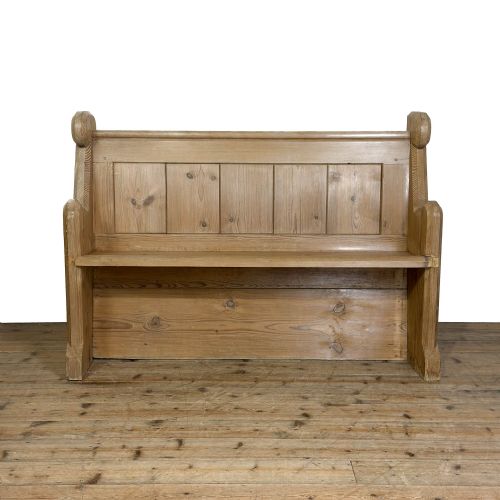
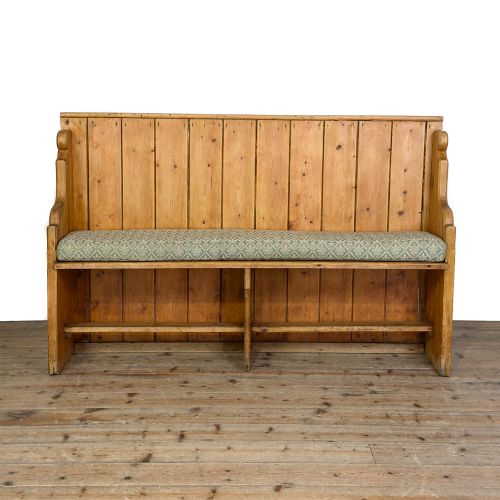
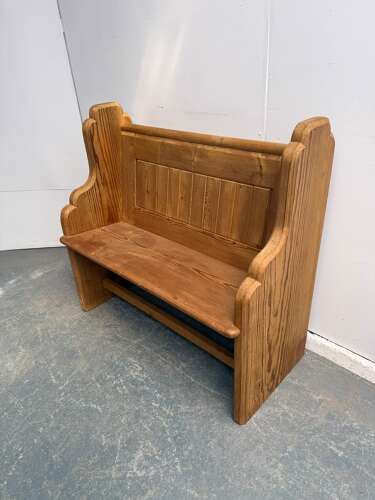
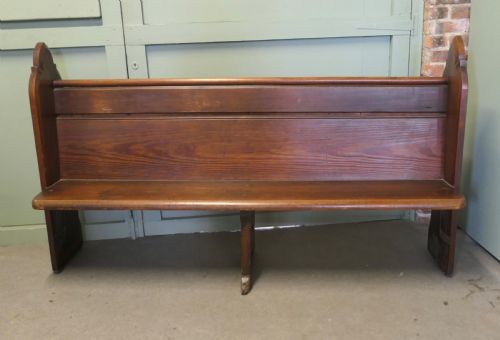
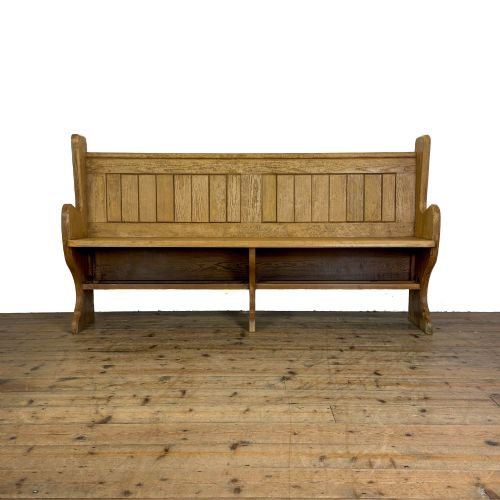
A pine pew seat encompasses utilitarian wooden seating originating from churches, chapels, schools and domestic country houses, typically taking the form of long benches, settles or high-backed pews. The pieces recorded here span from the 18th century through the Victorian and Edwardian periods, crossing English, continental European and regional workshop traditions.
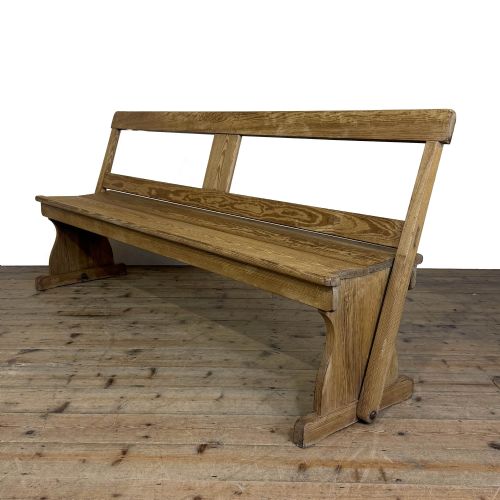
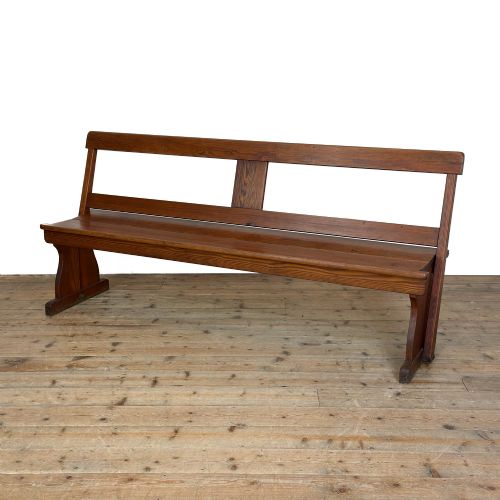
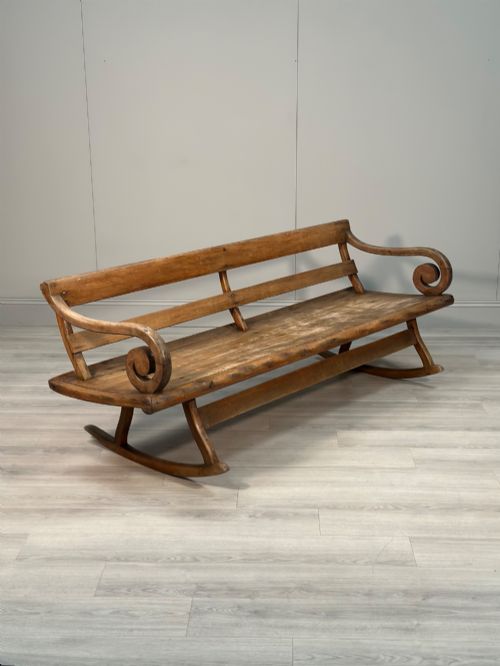
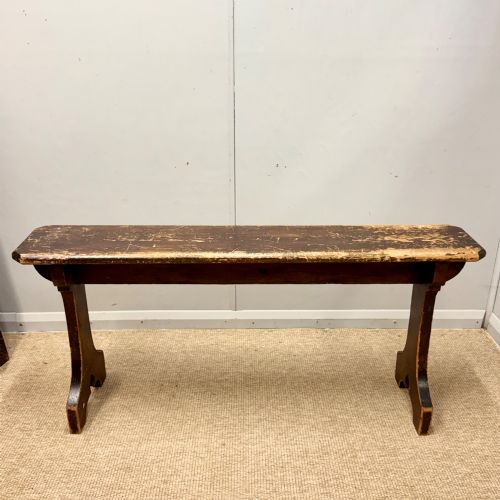
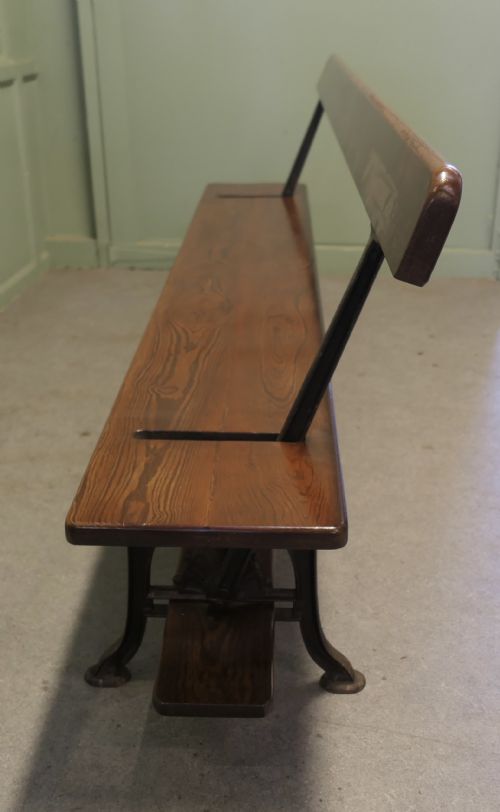
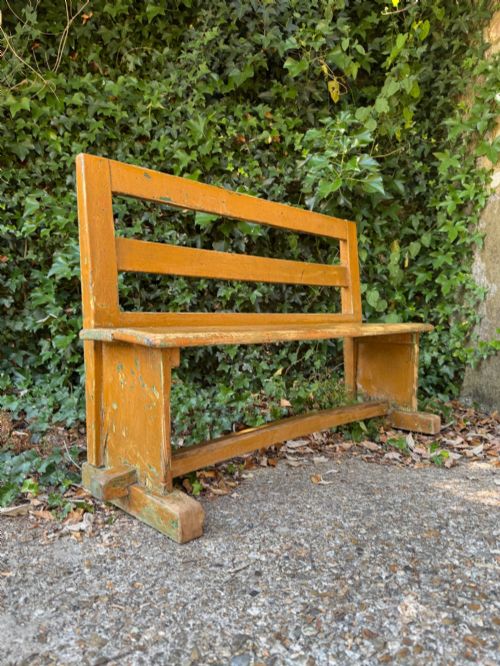
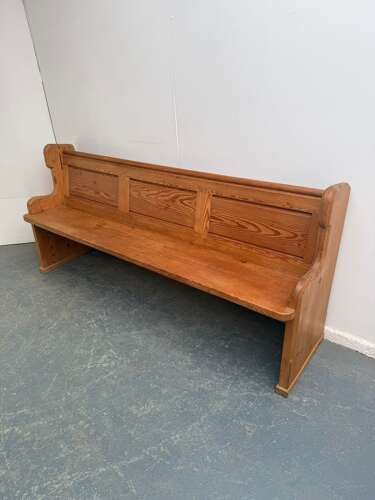
The most common examples met on this page are 19th-century church and chapel pews constructed from plain or pitch pine, alongside domestic settles, flip-over railway benches, and painted country hall seats. These forms combine robust communal seating with narrow proportions suited to corridors and dining tables.
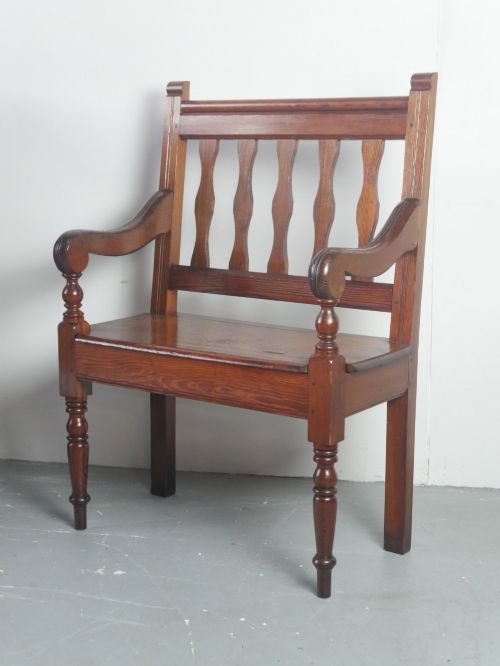
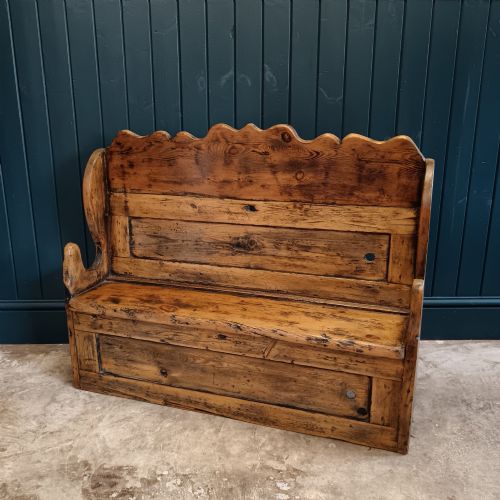
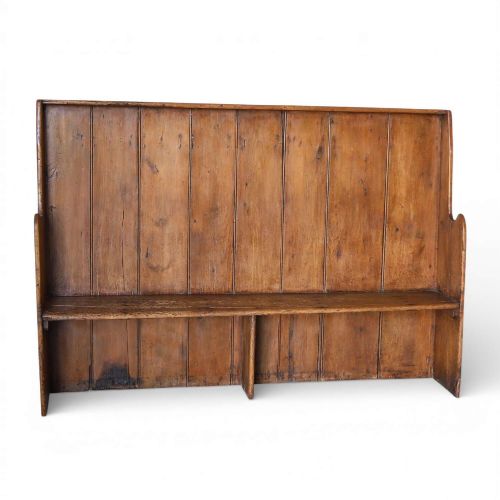
Beyond standard straight benches, the selection includes specialised formats such as organist benches, barrel settles with protective high backs, and canopied or box variants featuring integrated storage beneath the seat. Their origins stretch from local English parishes to Hungarian, Spanish and Scandinavian farmhouses.
How they were made
Construction relies primarily on solid timber, with standard pine utilised for domestic seating and dense pitch pine chosen for heavy-duty ecclesiastical use due to its resinous durability. Joinery methods involve traditional pegged tenons, panelled backs, and sturdy plank seats supported by structural framing and iron bracing.
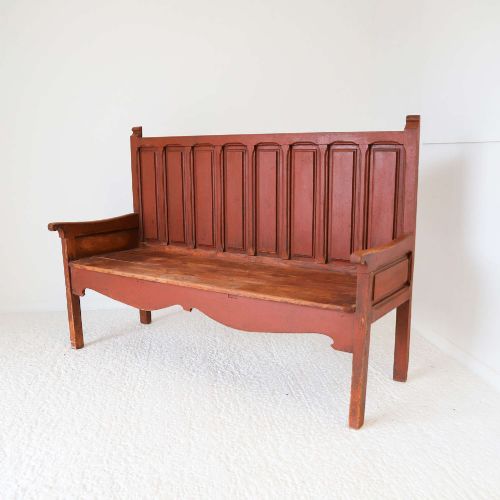
Surface treatments vary between clear wax finishes that highlight the natural grain and honey brown patina, and historical applications of paint in shades of blue or regional colours. Folk art detailing occasionally appears through carved spindles, panel carving, or functional mechanical pivots on reversible tram and flip-over benches.
Pine Pew Seat Retail Price Guide 2026
Typical asking prices for pine pew seat among the pieces listed under this phrase on Sellingantiques today, from the lower quarter to the upper quarter. They describe what is for sale here now, not the wider market.
Listings demonstrate a broad geographic spread, including English parish church pews, Hungarian painted benches, and Spanish box settles in pine.
What varies in quality
Quality rests upon the integrity of the original timber, the honesty of the construction, and the depth of the accumulated patina. Pieces retaining their original unstripped painted surfaces or deep, untouched wax finishes command greater respect than heavily restored examples.
The Pine Pew Seat Glossary
- Settle
- A wooden bench with a high back, solid arms, and frequently a closed box base designed to shield sitters from draughts. They served as primary seating in farmhouse kitchens and taverns before the widespread adoption of upholstered armchairs.
- Pitch pine
- A durable, resinous North American pine species frequently utilised during the Victorian era for heavy institutional and church seating. Its high resin content produces a dense grain and strong resistance to wear.
- Flip-over bench
- A dual-facing seat featuring a movable backrest that pivots to reverse the direction of sitters. This ingenious mechanism appeared on Victorian transport vehicles as well as ecclesiastical and railway seating.
- Patina
- The surface sheen and colour acquired by wood through decades of handling, polishing, and light exposure. A rich honey brown patina indicates age and continuous domestic use.
- Box settle
- A regional seating form incorporating a hinged seat lid concealing an enclosed storage compartment underneath. This design maximised utility in smaller historic dwellings.
Pine Pew Seat: Frequently Asked Questions
How do I choose the right size?
Measure your available hallway or dining space carefully, paying close attention to the depth of the seat as well as its overall length. Many historical pews feature remarkably shallow footprints designed specifically for narrow corridors.
Consider whether you need clearance for human movement behind a dining table or whether the piece will stand flat against a solid wall.
Were these all made for churches?
While a substantial portion of these listings originated in churches, chapels and school halls, many examples were built exclusively for domestic farmhouses, taverns and grand country houses. Ecclesiastical pews share space here with hall settles and kitchen benches.
Examining the backboards and structural depth usually reveals whether a piece sat in a religious interior or a domestic hallway.
Can I use a pew seat at a dining table?
These benches integrate successfully into dining spaces, offering generous communal seating that tucks neatly against walls or refectory tables. Long straight forms accommodate multiple diners without crowding floor space.
Check the sitting height against your table clearance before purchasing, as historic seating dimensions occasionally differ from modern standard chairs.
How should I care for waxed pine?
Maintain waxed surfaces by applying a traditional beeswax polish sparingly and buffing with a soft cloth to preserve the natural lustre. Avoid placing wooden furniture near direct heat sources or in damp environments that might destabilise the ancient timber.
Gentle cleaning with a dry or barely damp cloth prevents dust accumulation without stripping the accumulated historical patina.