




Ecclesiastical Wooden Seating
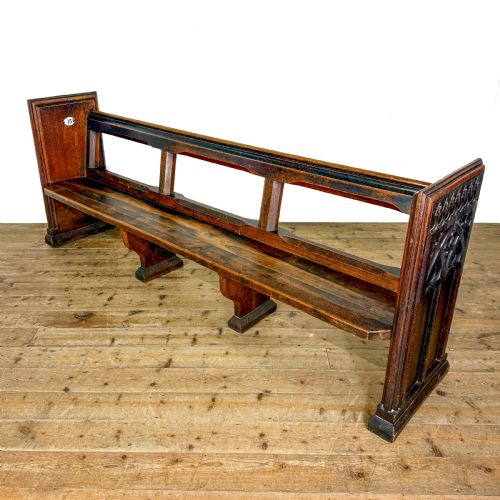
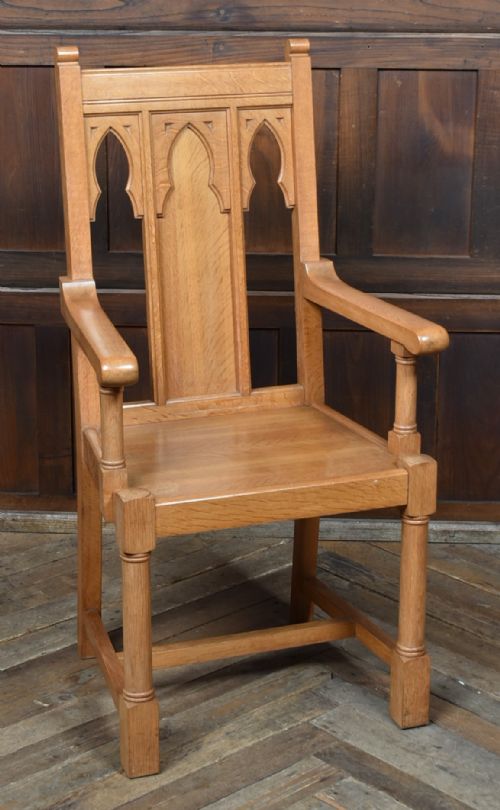
Ecclesiastical wooden seating comprises sturdy oak and pitch pine pews, benches and throne chairs shaped by Victorian Gothic revival makers.
Ecclesiastical Wooden Seating
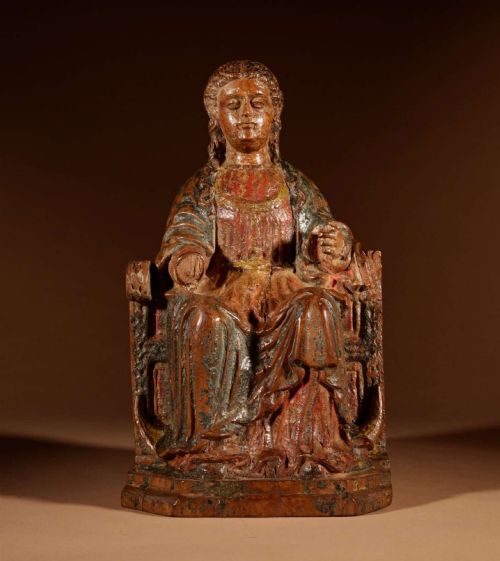
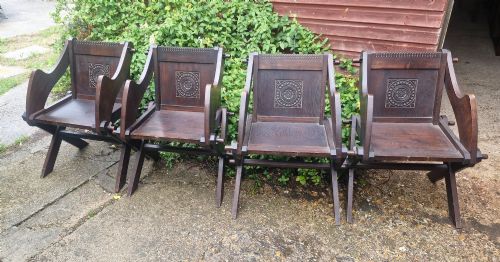
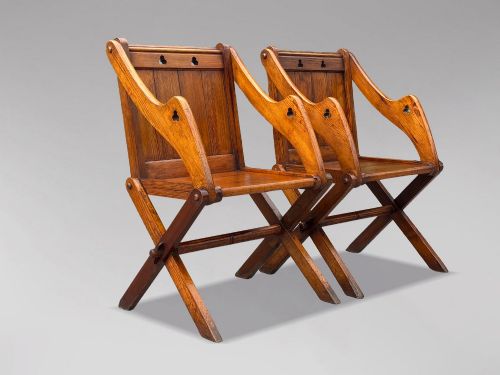
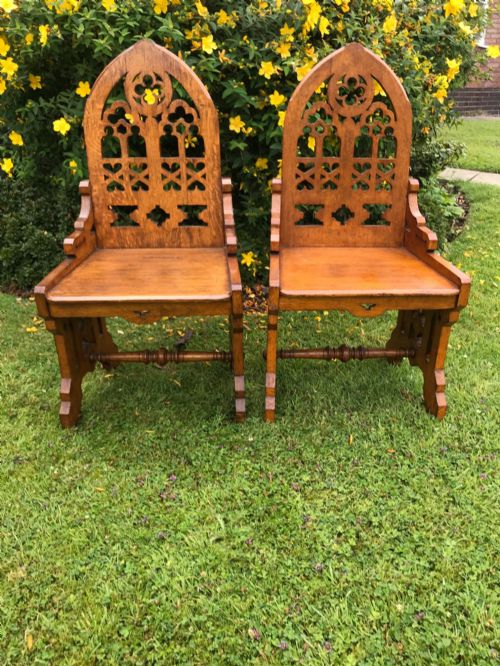
Ecclesiastical wooden seating encompasses robust pews, benches, chapel throne chairs and Glastonbury armchairs designed for churches and religious spaces. These items derive principally from the nineteenth century, spanning Victorian Gothic revival work alongside sixteenth-century walnut sculptures.
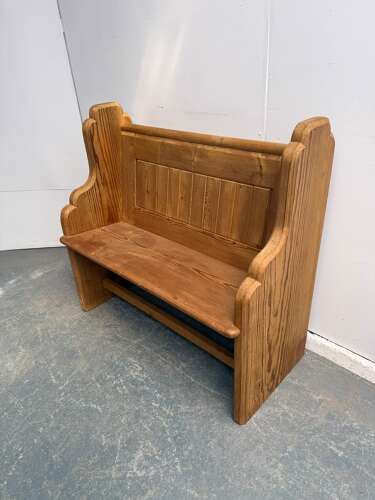
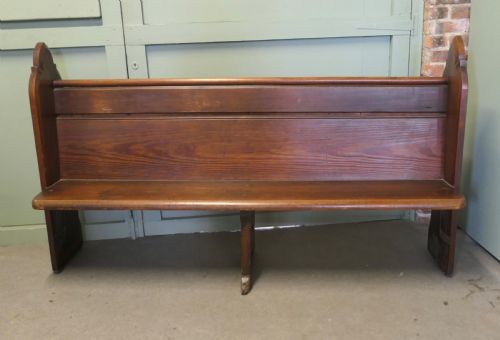
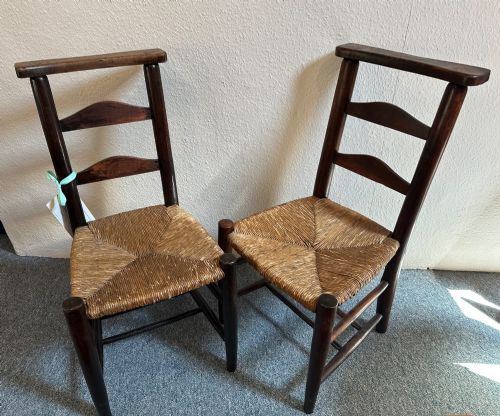
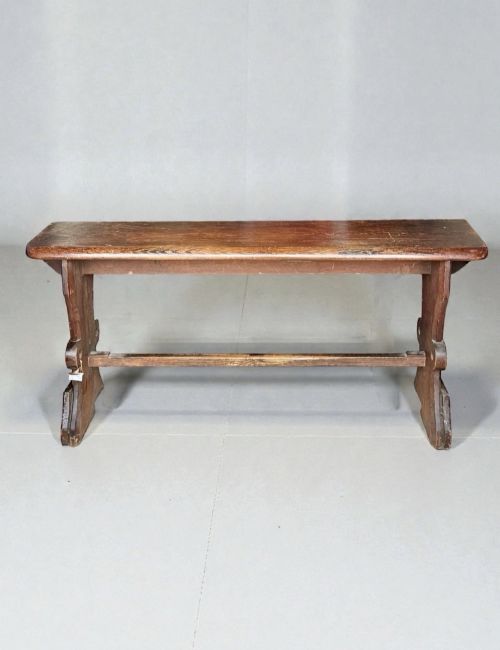
Buyers most frequently encounter pitch pine and oak examples on this page, including pews from city cathedrals and country churches alike. Forms range from single-seater organist benches and hall chairs to matched sets of chapel chairs.
Materials and construction methods
Makers utilised durable native timbers, selecting solid oak and pitch pine for their strength in daily ecclesiastical service. Wax finishes protected the wood while preserving the natural grain of pine and oak church furniture.
Joinery techniques relied on traditional pegged and jointed construction to withstand heavy use in cathedrals and chapels. Secondary decorative elements occasionally incorporate brass fittings, polychrome paintwork and gesso detailing.
Ecclesiastical Wooden Seating Retail Price Guide 2026
Typical asking prices for ecclesiastical wooden seating among the pieces listed under this phrase on Sellingantiques today, from the lower quarter to the upper quarter. They describe what is for sale here now, not the wider market.
Listings feature nineteenth-century oak and pitch pine seating, including Gothic revival pews, throne chairs and Glastonbury armchairs.
Factors influencing quality
Construction substance dictates value, separating heavy structural oak pews and substantial throne chairs from lighter domestic seating. Pieces retaining provenance, such as those marked for specific cathedrals or churches, demonstrate higher historical interest.
Design ambition distinguishes standard utilitarian church benches from elaborate Gothic revival Glastonbury armchairs featuring intricate carved detailing. The integrity of the original timber surface and wax finish preserves the visual character of the piece.
The Ecclesiastical Wooden Seating Glossary
- Glastonbury chair
- A pegged wooden armchair with an X-shaped frame, sloping arms and a panelled back, widely revived during the Gothic period. This form draws inspiration from an ancient relic preserved at Glastonbury Abbey.
- Pitch pine
- A dense, resinous softwood sourced mainly from North America and heavily utilised in Victorian church pews and seating. Its pronounced grain patterns make it easily distinguishable from standard pine.
- Gothic Revival
- An architectural and design movement from the nineteenth century that revived medieval pointed arches, tracery and structural forms. Church furniture of this style echoes stone ecclesiastical architecture.
- Pew
- A long wooden bench with a back, designed for congregational seating in churches and chapels. Earlier examples are typically constructed from solid oak or pitch pine.
Ecclesiastical Wooden Seating: Frequently Asked Questions
What wood is most common in church pews?
Pitch pine and oak form the vast majority of surviving church pews and benches. Oak was favoured for earlier and higher-status seating.
Pitch pine became widespread during the nineteenth century due to its durability and straight grain.
Can I use church pews for dining?
Pews and long benches work well alongside large dining tables when chosen with the correct seat height in mind. Organist benches and shorter pews offer practical proportions for domestic rooms.
Consider the fixed length of a pew relative to your table dimensions before purchasing.
How do I care for waxed church furniture?
Maintain waxed oak and pine surfaces by applying a traditional beeswax polish sparingly when the wood appears dry. Buff the timber gently with a soft cloth to sustain a natural sheen.
Keep these items away from direct heat sources to prevent the timber from splitting.