





Warm Brown Pine Bench
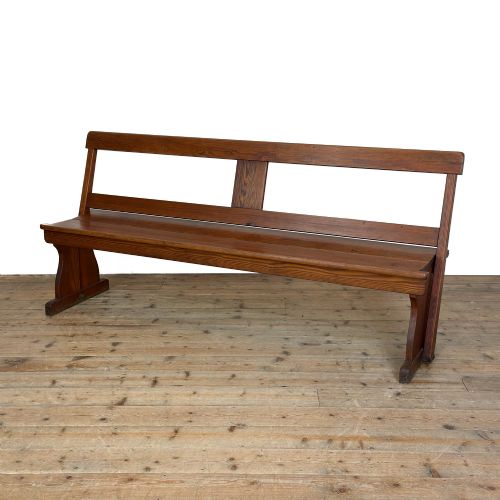
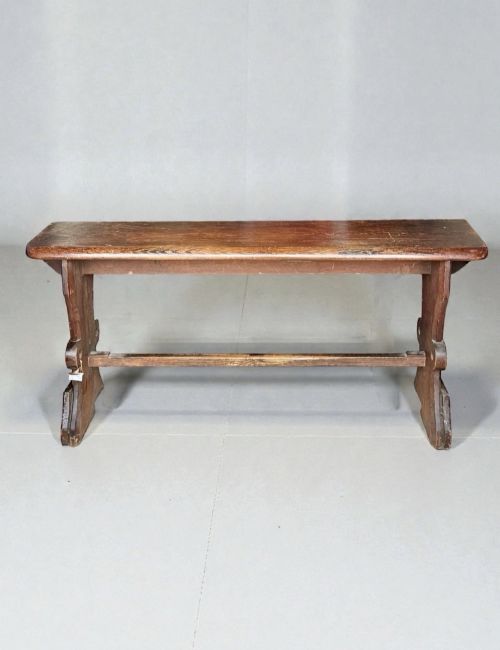
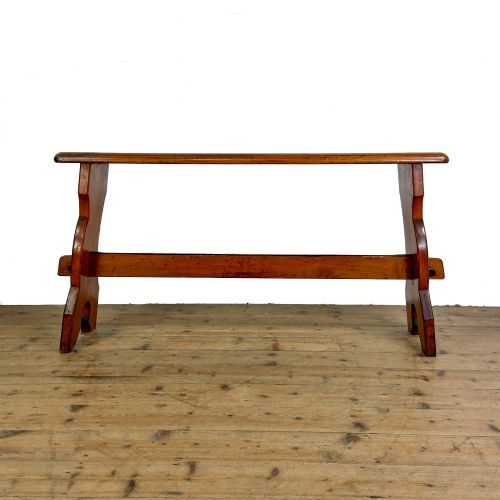
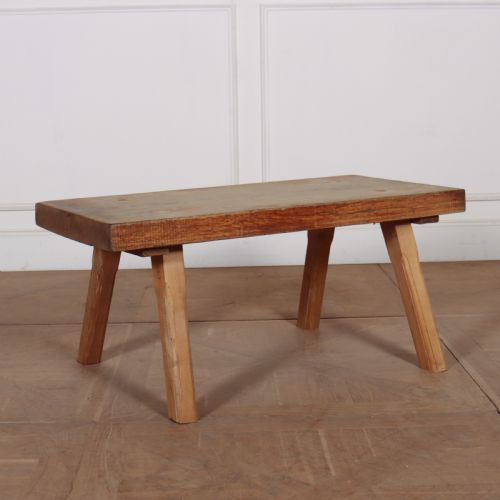
A warm brown pine bench brings tactile timber and honest utility to a hallway or kitchen, offering enduring seating with deep character.
Warm Brown Pine Bench
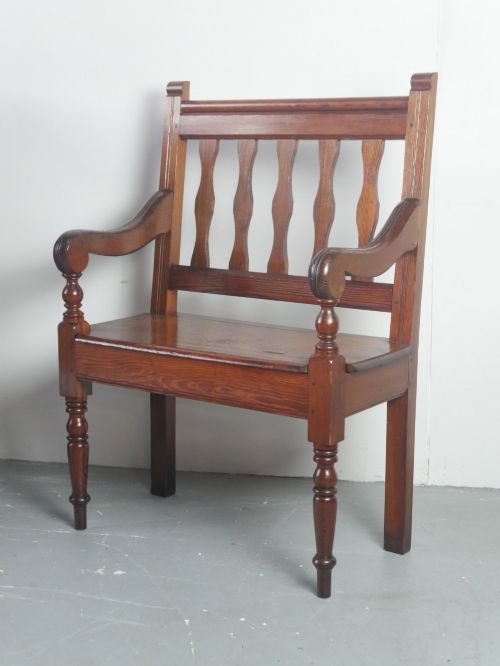
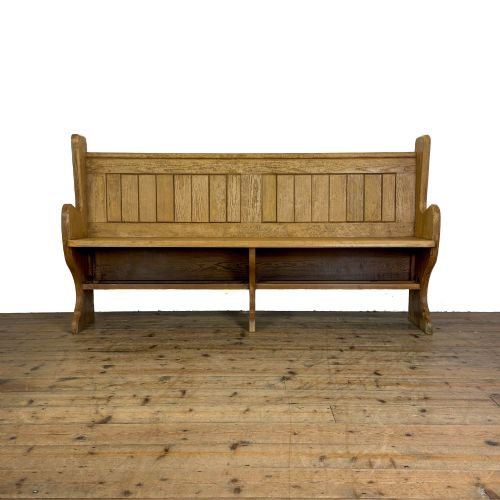
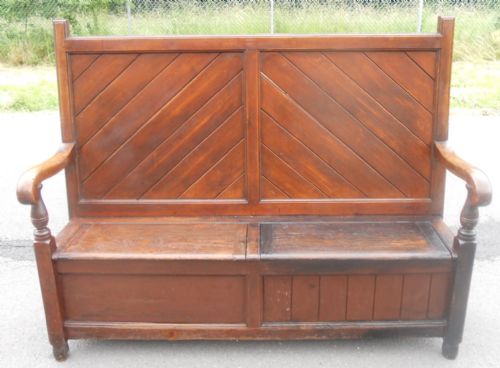
When you search for a warm brown pine bench, you encounter practical country seating and vernacular forms shaped by everyday use. The pieces gathered here span the Georgian and Victorian eras up to the early twentieth century, taking shape as chapel pews, hall benches, settles, and chair tables.
You are most likely to meet straightforward pine and pitch pine constructions, often augmented by elm or softwood timbers. These items reflect provincial craftsmanship, from simple church seating to robust domestic furniture built for longevity.
Styles range from rustic farmhouse and country vernacular to industrial pieces and ecclesiastical furnishings. Each format serves a distinct domestic purpose while retaining the rich patination acquired through decades of service.
Materials and construction
Joinery relies on solid pine, pitch pine, and elm, selected for structural resilience and worked with hand tools by regional carpenters. Artisans joined thick planks using traditional pegging and mortise-and-tenon methods to withstand heavy daily burdens.
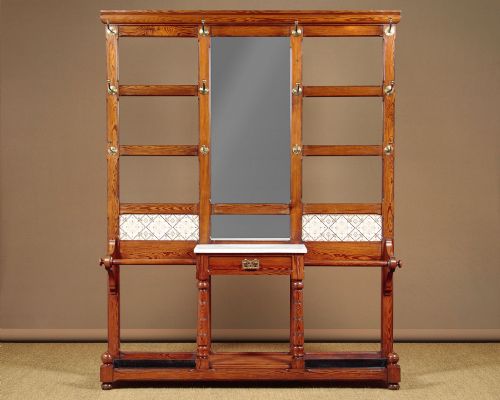
Surfaces demonstrate the evolution of domestic preparation, transitioning from scrubbed natural timber to early painted finishes and rubbed wax patinas. Additional details such as iron brackets, brass hooks, and mirror glass appear on complex hallstands and multi-functional chair tables.
Warm Brown Pine Bench Retail Price Guide 2026
Typical asking prices for warm brown pine bench among the pieces listed under this phrase on Sellingantiques today, from the lower quarter to the upper quarter. They describe what is for sale here now, not the wider market.
Listings feature items built from pine, pitch pine, and elm, spanning the Georgian and Victorian eras into the twentieth century.
Judging quality in pine seating
Superior examples exhibit honest proportions and timber selection, retaining deep, undisturbed surface patination earned through long use. Lesser pieces often suffer from unsympathetic timber replacement or over-zealous stripping that removes the historical character of the grain.
Construction integrity distinguishes fine vernacular work from basic utility items, visible in the tightness of joints and the retention of original fixings. The presence of secondary hardwoods like elm in seats and armrests signals a higher grade of regional making.
The Warm Brown Pine Bench Glossary
- Pitch pine
- A dense, resinous softwood with a prominent grain pattern that darkens richly over time. It provides exceptional strength for heavy bench seats and church pews.
- Vernacular
- Everyday objects made by local craftsmen for specific regional uses rather than following high-style academic designs. These pieces prioritise practical function over ornament.
- Settle
- A high-backed wooden bench with solid arms and a skirt reaching the floor to block draughts in older rooms. Many include storage boxes beneath the seat.
- Patina
- The lustrous surface sheen and softening of edges developed by wood through age, handling, and wax polishing. It marks genuine historic wear rather than artificial distress.
- Chapel pew
- Long, fixed-form wooden seating designed for ecclesiastical spaces, repurposed for domestic hallways and dining tables. They usually feature simple plank backs and sturdy box bases.
Warm Brown Pine Bench: Frequently Asked Questions
How do I clean my bench?
Dust the timber regularly with a dry cloth to prevent grit accumulation in the grain. Apply a quality beeswax occasionally to nourish the dry pine and maintain the natural lustre.
Avoid modern liquid polishes containing silicones, which build up a sticky film over decades of age. Keep the timber away from direct heat sources to prevent the wood from splitting.
Are these benches sturdy enough for daily sitting?
Most pieces were constructed for demanding communal or domestic environments and remain robust for everyday use. Traditional pegged joints often tighten further as the timber settles.
Check the base and footings periodically if placed on uneven stone floors to prevent undue strain on the joinery. Cushion pads can be added to protect antique seats from heavy wear.
How do I date a pine bench?
Examine the tool marks, fastener types, and overall construction methods used in the frame. Hand-sawn boards and wrought iron nails typically point towards Georgian or early Victorian origins.
Consider the colour and depth of the surface patina, which deepens naturally over generations. Subtle shifts in regional styles also help narrow down the period of manufacture.
Where should I place a settle?
Settles work well in generous hallways, boot rooms, or against large dining tables where their high backs create a sense of enclosure. Their solid timber construction handles high-traffic areas effectively.
Ensure there is adequate wall space to accommodate the imposing backrest without crowding the room. Placing them away from damp exterior walls protects the pine from moisture damage.