
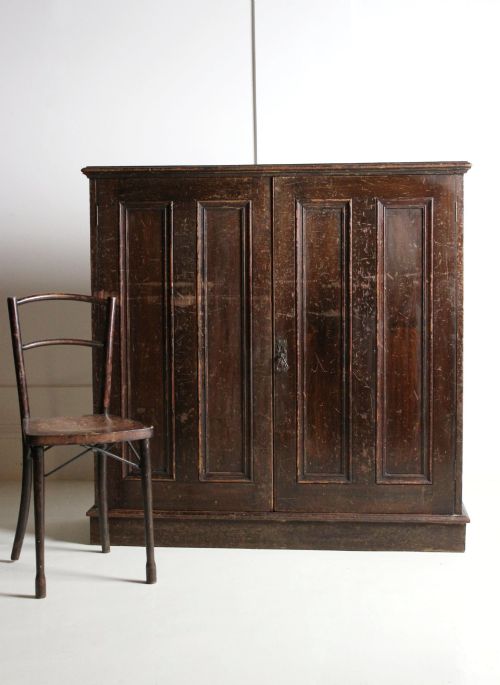
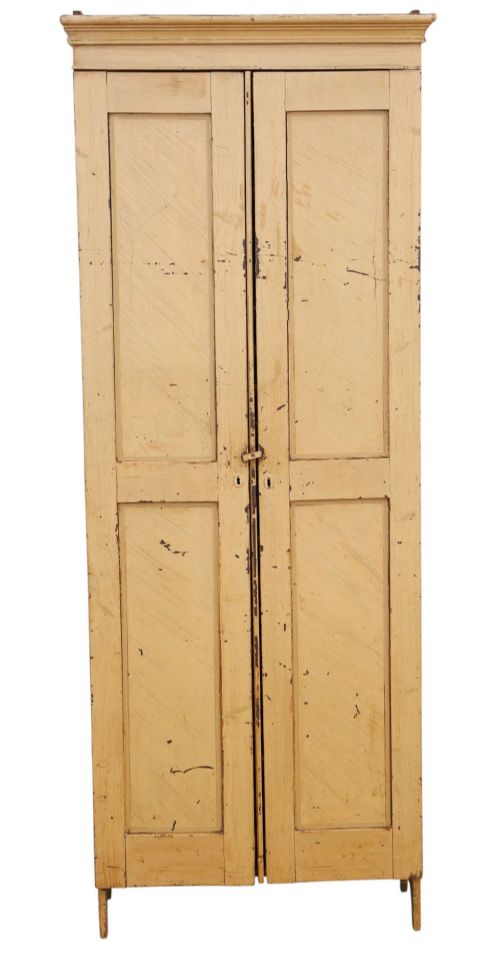
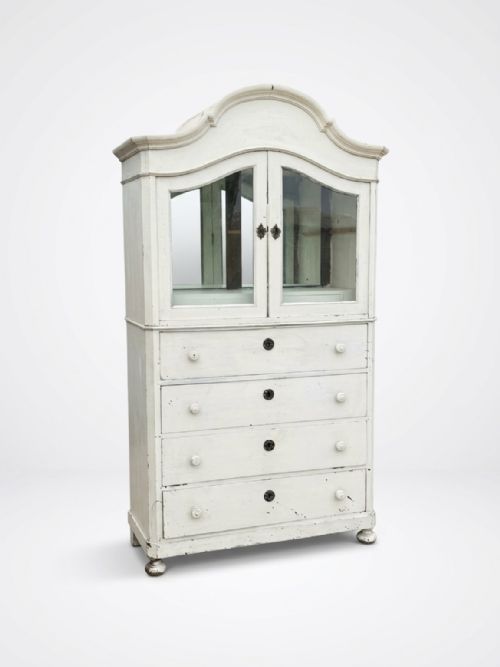
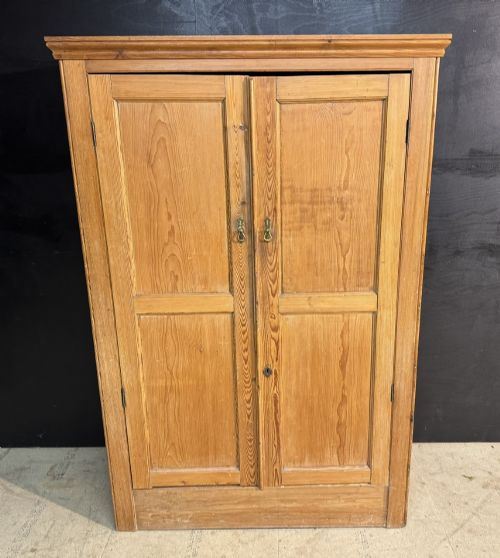
Pine Linen Cupboard
A pine linen cupboard offers robust rural storage and simple timber character, making it a practical addition to any traditional interior.

Understanding the pine linen cupboard
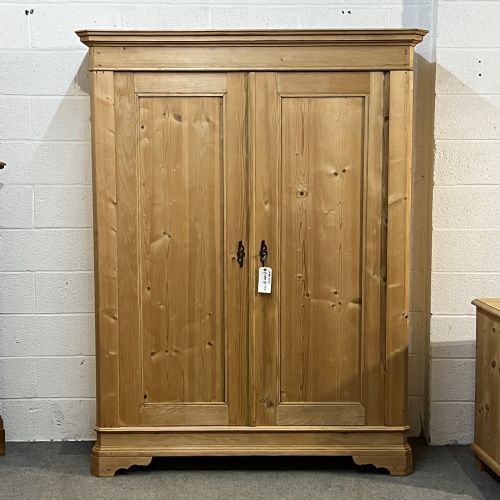
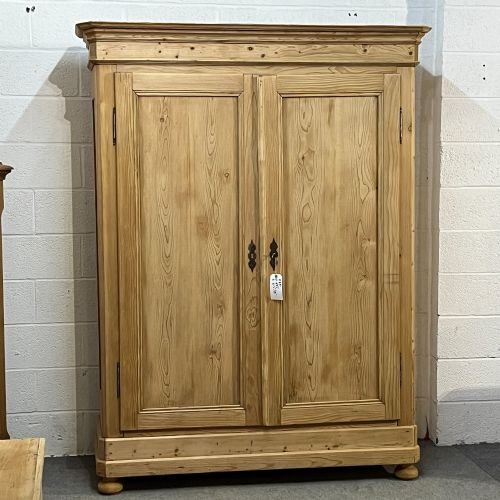
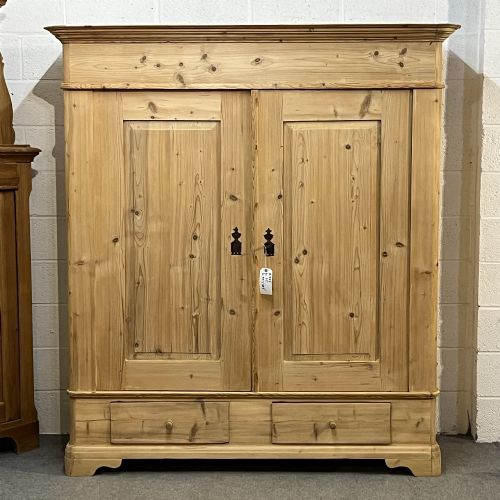
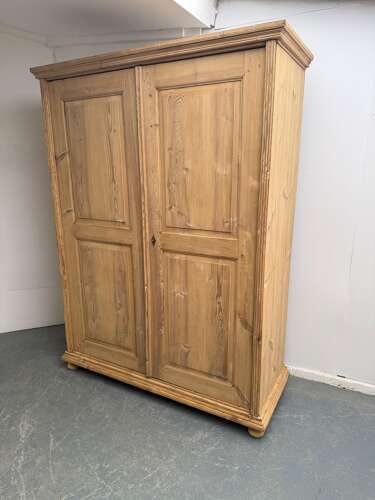
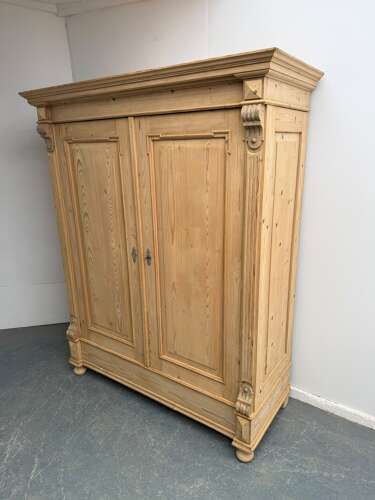
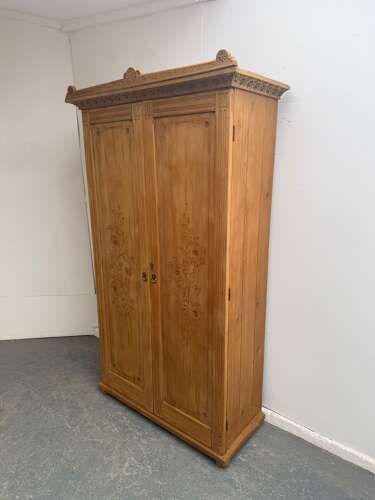
A pine linen cupboard is a substantial storage piece designed for domestic textiles, frequently taking the form of a tall cabinet or press. When searching for a pine linen cupboard, buyers encounter examples originating from English, Welsh, Dutch, and Danish workshops. These pieces appear across several eras, including the Georgian, Regency, Victorian, and early twentieth-century periods.
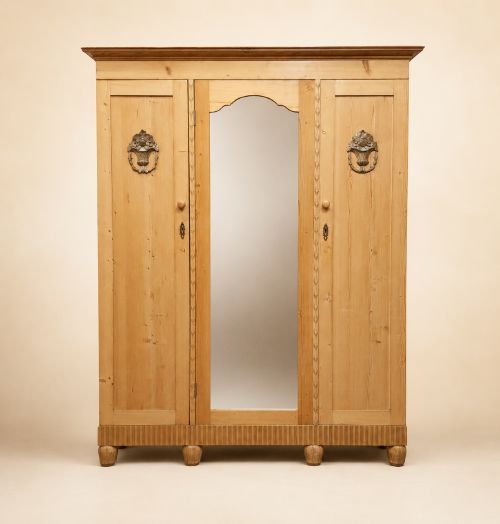
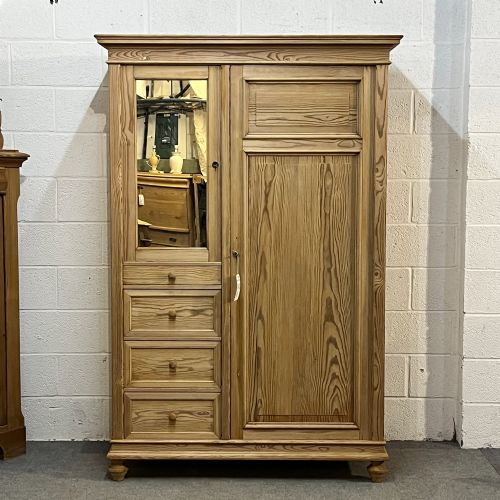
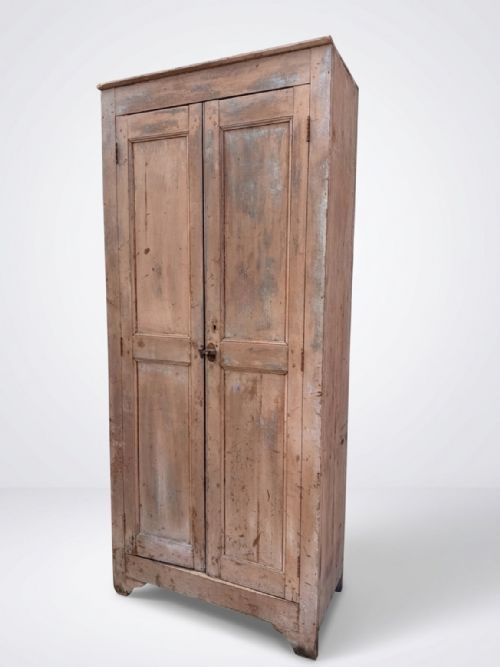
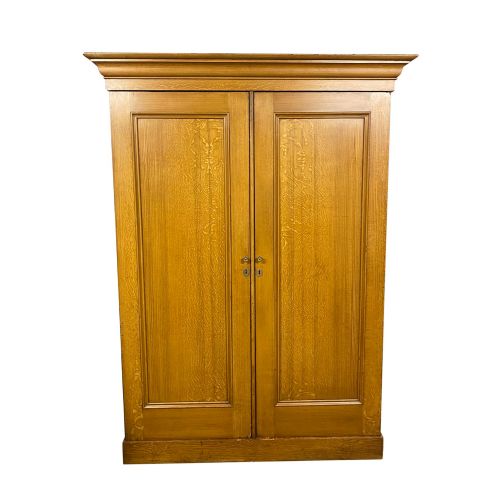
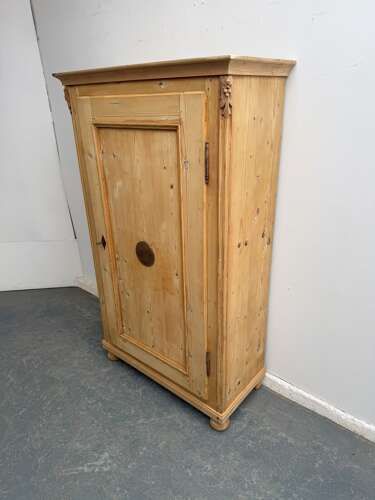
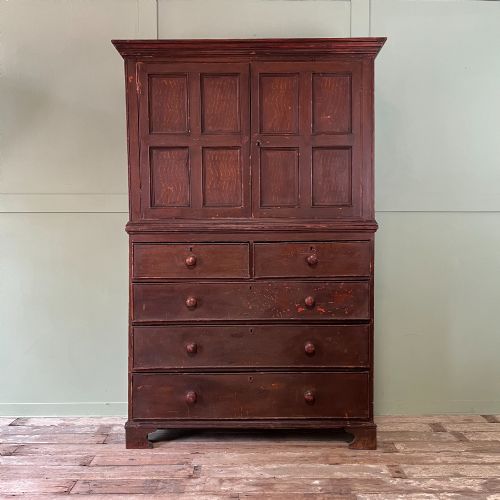
The inventory ranges from tall, slender cupboards to large breakfront presses and two-door variants. Many pieces feature fitted interior space alongside lower drawers, while others include specialised compartments such as medicine or storage drawers. Surfaces are found either stripped to bare timber for waxing or retaining layers of old paint, scumble, and grained finishes.
Regional styles introduce subtle variations in proportion and cornice detail, from West Country housekeepers' cupboards to Dutch country cabinets. Certain examples adopt architectural influences, displaying arched panels or gothic proportions in pitch pine. Whatever the specific regional origin, these items were built primarily for utilitarian household storage.
Materials and construction methods
Construction relies heavily on solid pine, alongside occasional use of pitch pine for heavier structural elements. Cabinet makers utilised traditional joinery techniques to build carcases capable of withstanding heavy household use over generations. Internal fittings, shelving, and hanging spaces were integrated to accommodate folded linens and garments.
Hardware details incorporate brass, iron, and cast metal handles, hinges, and escutcheons. Many surfaces retain their original paint layers or scumbled finishes designed to imitate finer hardwoods like oak. Alternatively, pieces are prepared for waxing, highlighting the natural grain and knots of the softwood timber.
Retail Price Guide 2026
Typical UK retail prices for pine linen cupboard, calculated from the Sellingantiques database of over a million retail prices indexed since 2003. This retail price guide relies exclusively on Sellingantiques data; no external sources or auction records are used, so the figures do not describe the wider market.
Listings feature pine linen cupboards spanning the Georgian, Regency, and Victorian eras alongside early twentieth-century examples.
Distinguishing quality and proportion
Quality in these pieces rests largely on the integrity of the timber, the subtlety of the proportions, and the survival of original surface treatments. Superior examples maintain uncompromised carcases with original backboards, cornices, and working iron or brass hardware. The presence of untouched early paint finishes or skilful graining elevates a piece above standard stripped alternatives.
Proportion and scale also define the hierarchy, with tall, slender cupboards or large breakfront formats demonstrating greater cabinet-making ambition. Finer execution is visible in well-balanced door panels, clean arched details, and the inclusion of functional secondary compartments like medicine drawers. Pieces that retain their original regional character without heavy structural alteration represent the stronger examples.
The Pine Linen Cupboard Glossary
- Linen press
- A tall storage cabinet traditionally used for storing pressed linen and garments, usually featuring internal sliding shelves or drawers behind upper doors.
- Scumble
- A translucent or semi-opaque layer of paint applied over a base coat to create decorative effects such as faux wood grain.
- Breakfront
- A cabinet design where the central section projects forward from the flanking outer sections, adding architectural depth to the piece.
- Pitch pine
- A durable, resinous variety of pine timber noted for its distinct grain pattern and heavier weight, often utilised in later Victorian joinery.
- Housekeeper's cupboard
- A large domestic storage unit combining upper linen storage with lower drawer capacity, traditionally used in large country houses.
Frequently Asked Questions
What is a pine linen cupboard used for?
These cupboards provide versatile storage for household textiles, clothing, and blankets within bedrooms or hallways.
Their deep internal shelves and drawer combinations accommodate bulky items while offering a distinct decorative presence.
How do I date an antique pine cupboard?
Dating relies on examining construction methods, hardware types, timber selection, and stylistic cues such as cornices and panel shapes.
Georgian and Regency pieces often display specific architectural proportions, whereas Victorian and turn-of-the-century examples utilise different internal fittings and pitch pine variations.
Are these cupboards painted or bare wood?
Surviving examples appear in both original painted finishes and stripped timber prepared for wax.
Many pieces retain historical paint layers, scumble effects, or graining, while others have been returned to raw pine.
What is the difference between a cupboard and a linen press?
A standard cupboard typically opens to reveal open shelving or hanging space for general storage.
A linen press generally incorporates internal sliding trays or multiple internal drawers designed specifically to keep folded textiles flat.