

Pine Double Armoire
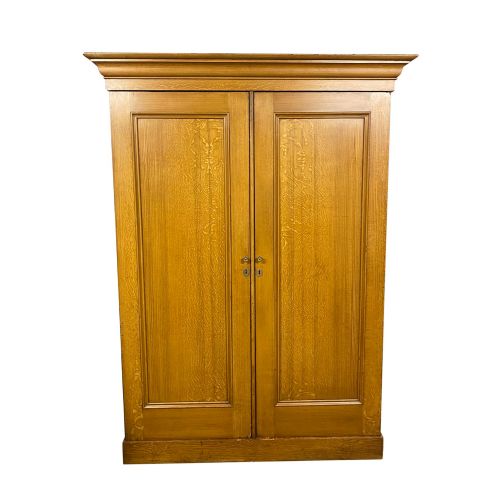
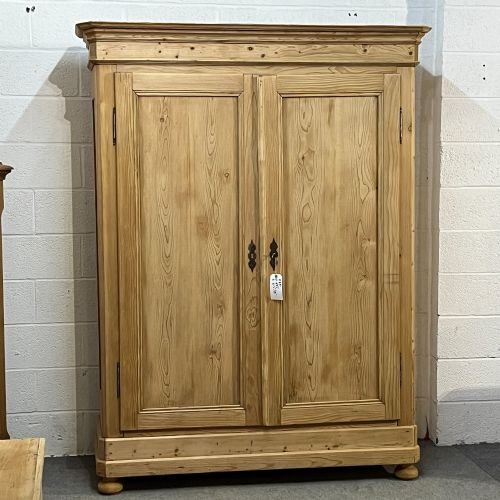
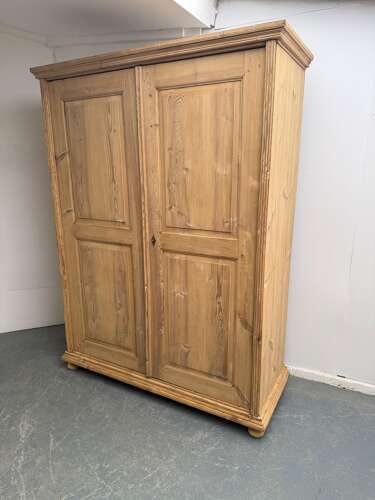
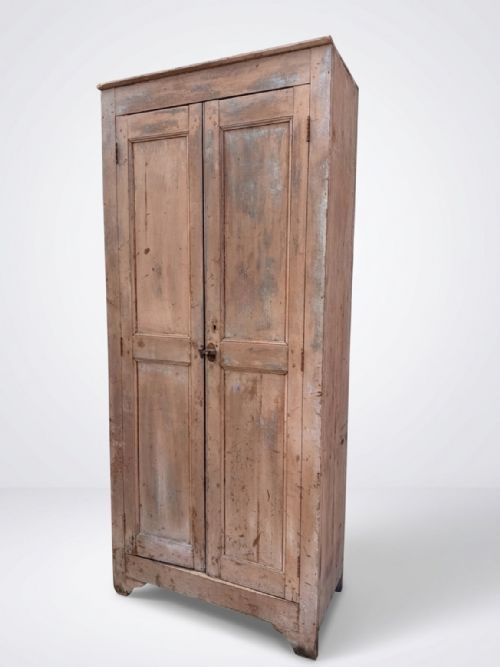
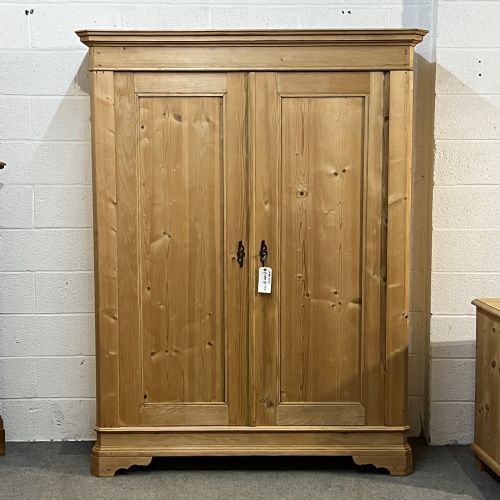
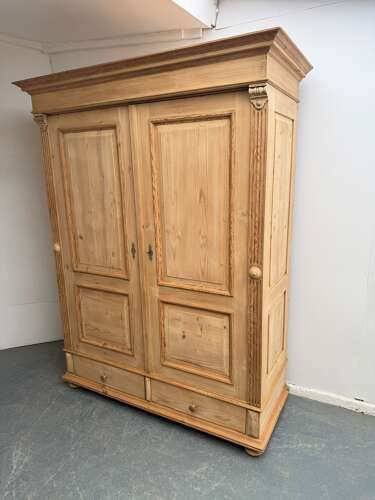
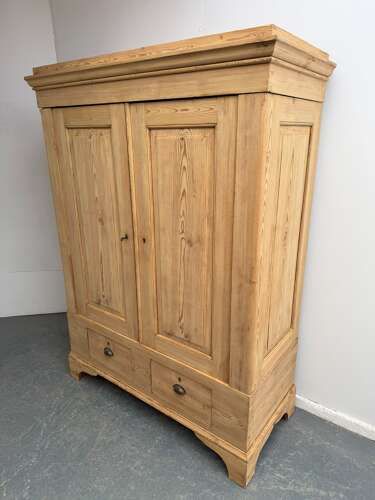
A pine double armoire offers substantial storage with the character of older timber, spanning periods from the eighteenth century to the early twentieth.
Pine Double Armoire
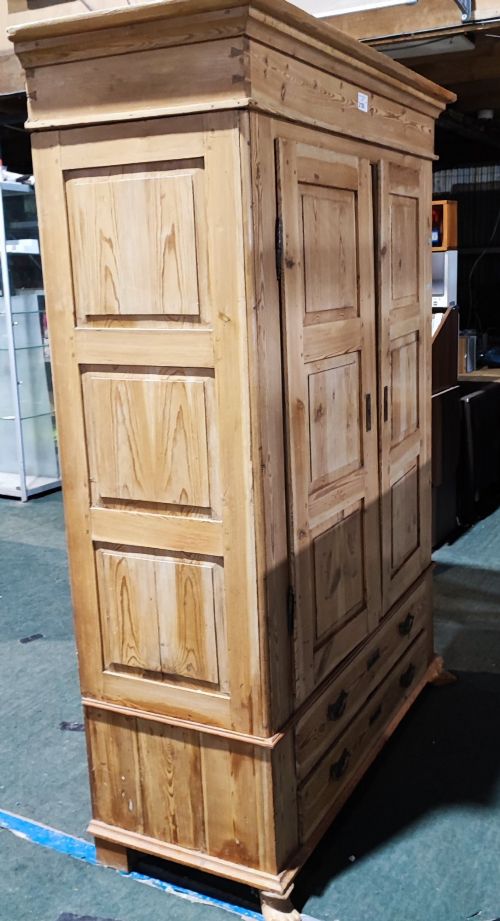
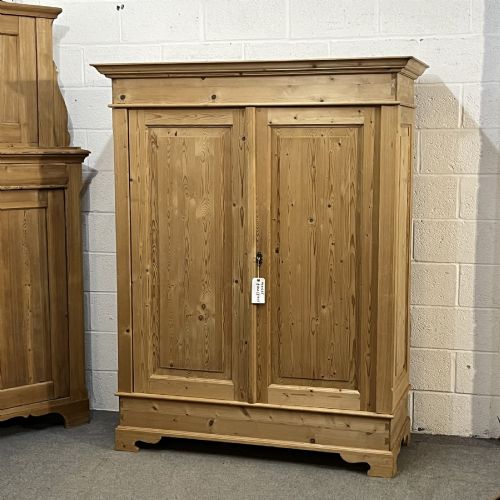
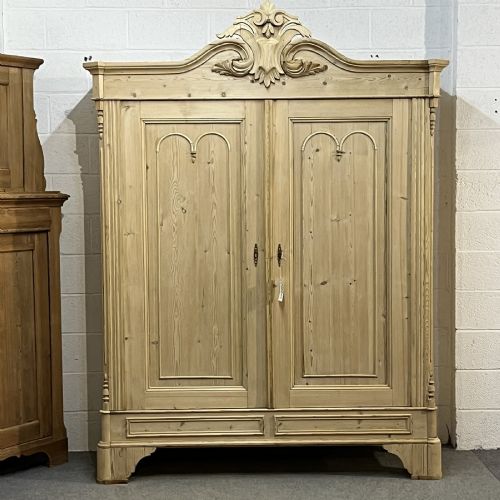
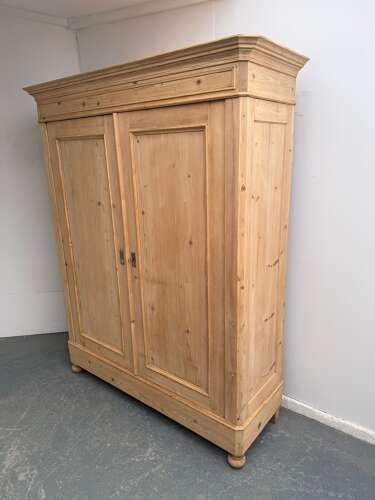
When searching for a pine double armoire, buyers encounter large storage pieces functioning as wardrobes, linen presses, and cupboards. These items originate from diverse regions, including France, Scotland, England, Scandinavia, and the Netherlands.
The selections span the Georgian and Victorian eras through to the early nineteen-hundreds, taking forms such as knockdown wardrobes that dismantle for transport, fitted linen presses with bottom drawers, and tall housekeepers cupboards.
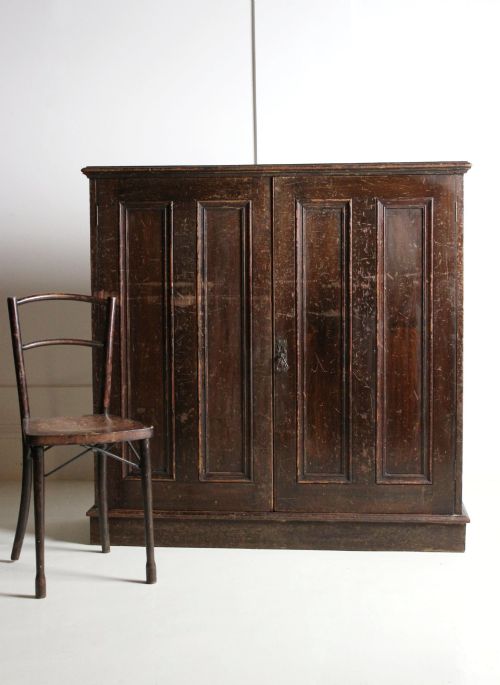
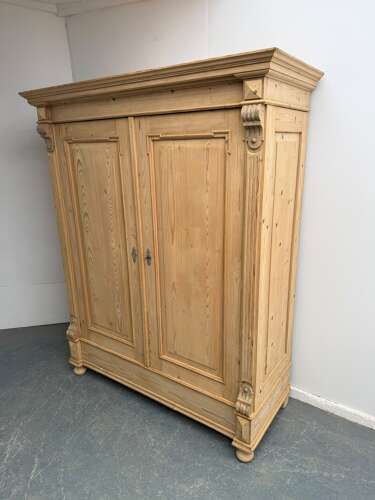
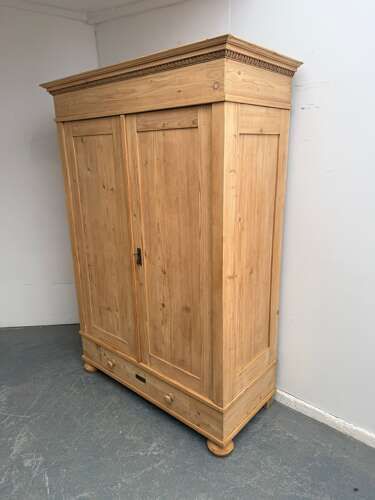
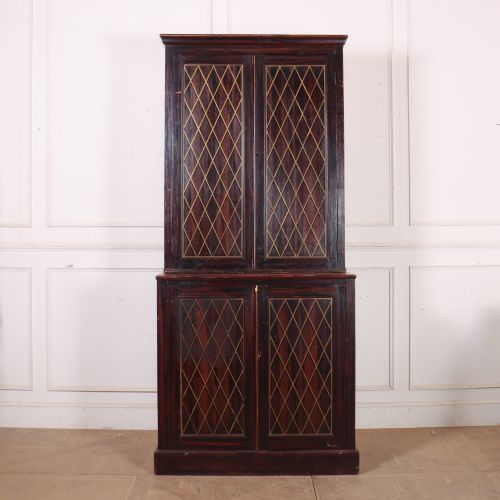
Examples appear in natural waxed timber, original paint, scumble faux oak paintwork, or prepared for a fresh coat of paint or wax according to the buyer's preference.
Materials and construction
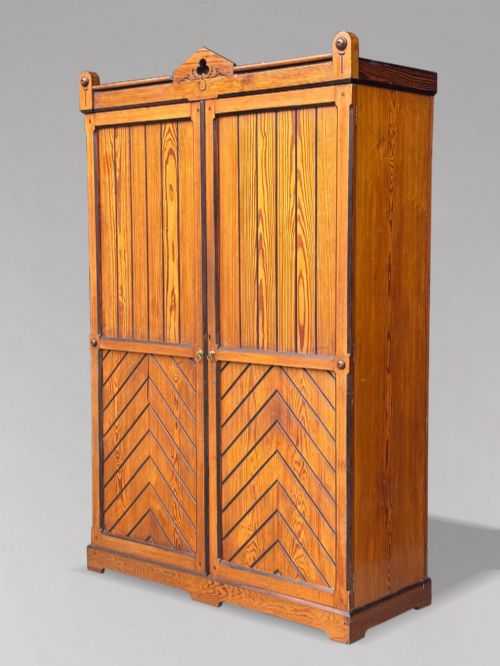
Makers utilised standard pine alongside pitch pine and stained pine, constructing carcasses with panelled doors and occasionally incorporating iron and brass hardware for hinges and locks.
Many of the larger nineteenth-century wardrobes employ a knockdown construction method that allows the main body to separate into manageable sections, held together without permanent fixings.
Surfaces receive various finishes, ranging from scumble paint and traditional ragwork to applied white paint or simple wax over plain wood.
Pine Double Armoire Retail Price Guide 2026
Typical asking prices for pine double armoire among the pieces listed under this phrase on Sellingantiques today, from the lower quarter to the upper quarter. They describe what is for sale here now, not the wider market.
Several wardrobes are politely described as massive, offering ample room for hiding during an energetic game of hide-and-seek.
Factors determining quality
Quality rests upon the crispness of mouldings, the proportion of the cornice, and the integrity of the original construction rather than simple age alone.
Finer pieces maintain original painted surfaces, such as scumble or ragwork, or exhibit thoughtful decorative touches like subtle carving and inlaid pitch pine panels.
The presence of functioning original drawers, well-fitted internal shelving, and a stable knockdown mechanism that assembles cleanly distinguishes superior examples.
The Pine Double Armoire Glossary
- Knockdown
- A piece designed to dismantle entirely into flat panels and sections for easier transport and installation. This construction style is common in nineteenth-century wardrobes.
- Scumble paint
- A decorative glazing technique applied to imitate the grain of more expensive woods like oak. It appears on period pieces to elevate their visual finish.
- Linen press
- A tall cupboard combining upper shelving for textiles with lower drawers for folded garments. These pieces often feature two large upper doors.
- Ragwork
- A painted finish applied using rags to create a textured, mottled pattern on the surface of the timber. This technique appears on traditional Scandinavian storage pieces.
Pine Double Armoire: Frequently Asked Questions
How do I dismantle a knockdown wardrobe?
Knockdown wardrobes usually feature internal bolts, wedges, or interlocking tongue-and-groove joints that allow the cornice, base, and sides to separate safely without tools.
Marking each piece during disassembly ensures the panels reassemble in the correct orientation during installation.
Can I paint a waxed pine armoire?
Armoires described as ready to wax or paint require thorough preparation before applying a new finish. Wax acts as a barrier that prevents paint from adhering properly.
Removing the existing wax layer with appropriate spirits allows modern paint systems to bond securely to the pine substrate.
What is the difference between an armoire and a linen press?
An armoire functions primarily as a wardrobe with hanging space or full-length internal volume behind two main doors. A linen press traditionally integrates dedicated shelving alongside internal drawers.
How do I care for antique pine furniture?
Waxed pine benefits from occasional applications of natural beeswax to nourish the timber and maintain a soft sheen. Keeping the wood away from direct heat sources prevents the panels from splitting.