
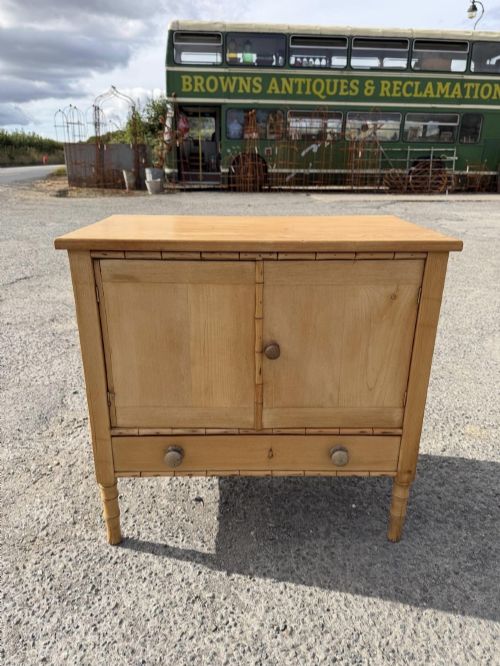
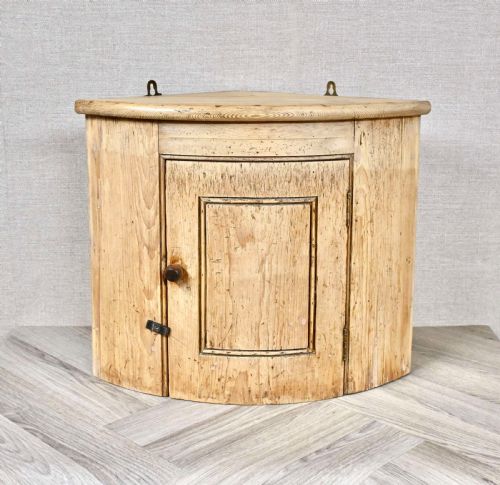
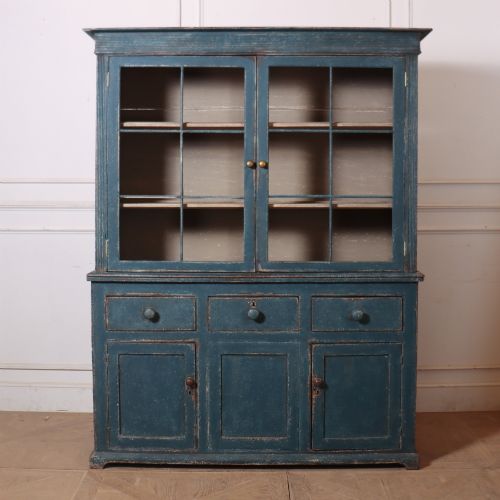
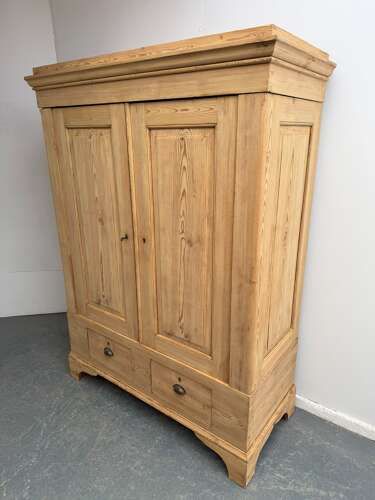
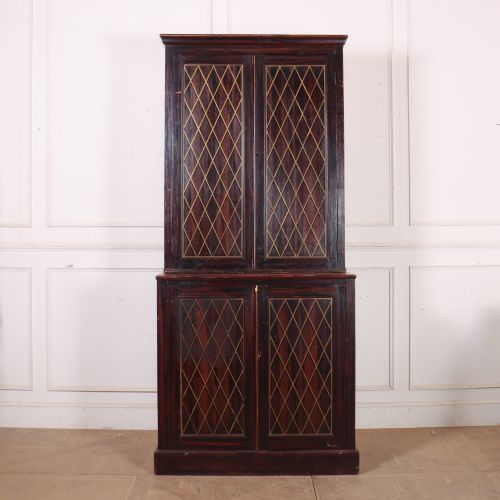
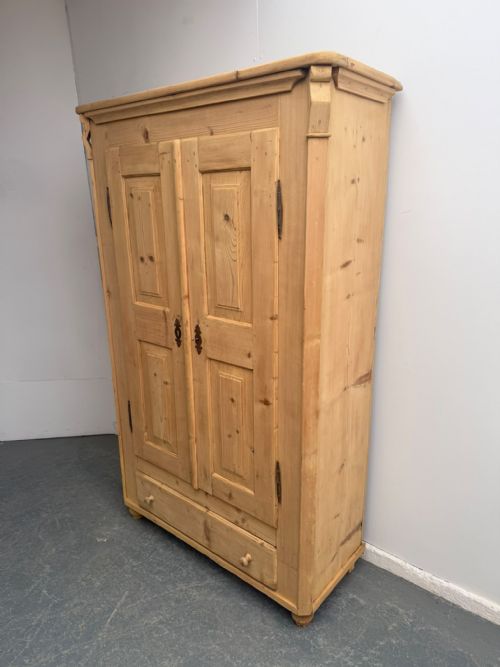
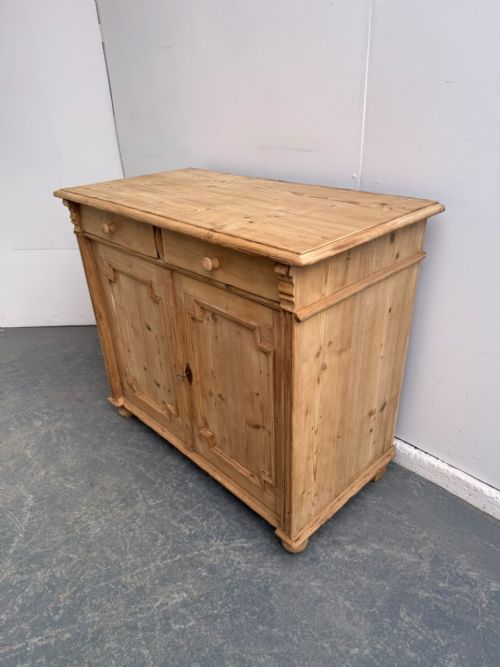
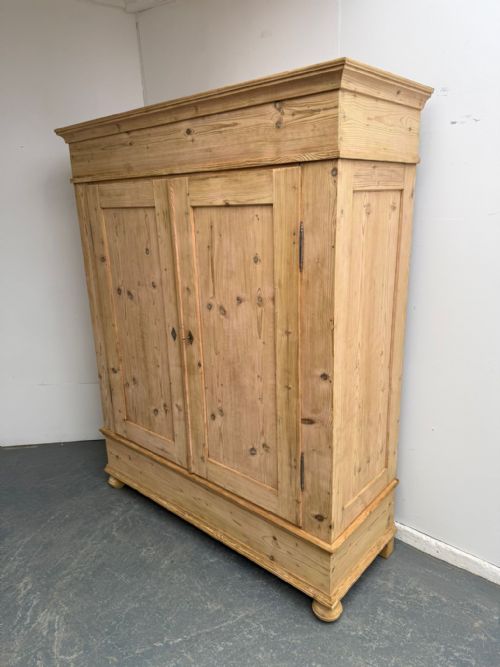


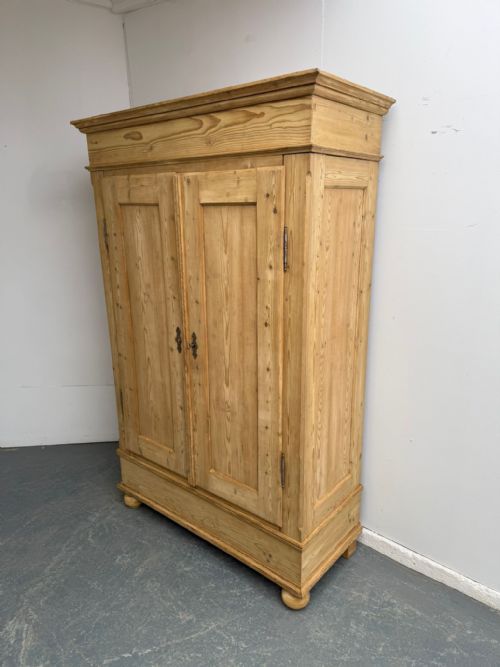


Georgian Pine Storage Cupboard
A georgian pine storage cupboard brings honest utility and warmth to a room, offering generous proportions and practical shelving built to last.
Georgian Pine Storage Cupboard
The pieces on this page span the Georgian and Victorian eras, reaching into the early nineteenth century with regional variations like West Country dressers and continental European folk art pieces. Buyers looking for this search phrase typically find robust domestic storage items designed for daily use rather than delicate parlour display.
Meticulous attention to construction distinguishes these utility pieces, which range from shallow hall wardrobes to wide kitchen storage cupboards. Many examples survive in original painted finishes or bare pine surfaces suited for waxing or painting to suit modern interiors.
Materials and Construction
Makers relied on solid pine for the primary carcass and shelving, frequently incorporating iron hinges, brass handles, and glass panels where appropriate. Surfaces were left bare for traditional waxing or finished with regional paint schemes, including simulated oak effects, green washes, and grey coats.
Many larger wardrobes were constructed as knockdown units to allow straightforward transport between rooms and properties, utilising pegged joints and panelled doors. Cabinetmakers shaped cornices, fielded panels, and bow fronts using straightforward hand tools, prioritising structural resilience over ornate ornamentation.
The inventory records diverse forms including wardrobes, housekeeper cupboards, kitchen dressers, chiffoniers, and corner cabinets.
Distinctions in Standard
The distinction between standard utility items and finer examples rests in the proportion, the integrity of the original timber, and the survival of early painted surfaces. Pieces retaining genuine historical paint finishes or untouched regional characteristics command closer attention from collectors than those stripped down and altered over time.
Proportion and scale dictate the visual success of a piece, with well-balanced cornices, tight panel joints, and original ironwork marking out superior examples. The execution of knockdown mechanisms and the weight of the pine boards further separate everyday workshop output from more ambitious regional commissions.
The Georgian Pine Storage Cupboard Glossary
- Knockdown wardrobe
- A large wardrobe designed to dismantle into separate panels and sections for ease of movement. This clever construction method allowed bulky furniture to travel up narrow staircases in historic homes.
- Housekeeper cupboard
- A large storage cabinet traditionally used in country houses for linens, dry goods, and household provisions. These substantial pieces usually combine multiple doors and internal shelving.
- Fielded panel
- A wooden panel with bevelled edges that fit into a grooved frame. This technique allows the timber to expand and contract naturally with seasonal humidity changes.
- Pot board dresser
- A kitchen dresser featuring a low slatted open shelf beneath the main base. This space was originally designated for storing heavy ceramic pots and kitchen utensils.
- Faux bamboo
- A decorative carving technique where pine or other timbers are shaped to imitate natural bamboo stalks. This playful style appeared on cabinet work during the nineteenth century.
Georgian Pine Storage Cupboard: Frequently Asked Questions
How do I date a pine cupboard?
Dating relies on examining construction methods, tool marks, ironmongery, and timber characteristics. Hand-sawn boards, handmade nails, and original painted surfaces help anchor a piece within the eighteenth or nineteenth century.
Changes in architectural proportions and regional cabinetmaking styles also provide valuable clues. Comparing the carcass construction with documented examples narrows down the period of manufacture.
What is a knockdown wardrobe?
A knockdown wardrobe is a large cabinet built to be dismantled into flat sections. This modular design helped cabinetmakers transport bulky furniture through narrow doorways in historic properties.
Pegs and slot joints hold the panels together securely without permanent glue. This practical feature makes modern relocation significantly easier.
Should I wax or paint my cupboard?
The decision depends entirely on the current finish and historical integrity of the timber. Pieces that retain traces of early or original paint are best preserved without intervention.
Bare pine can be treated with traditional wax to nourish the grain and develop a soft sheen. Avoid stripping historical paint layers unless the surface is completely degraded.
Where were these cupboards used?
These storage pieces served utilitarian roles across domestic spaces, from farmhouses and rectories to grand country estates. Kitchens, sculleries, and large hallways housed food cupboards, dressers, and linen presses.
Their robust construction was intended for heavy everyday service rather than formal display. Today, they transition easily into modern bedrooms, kitchens, and living areas.