
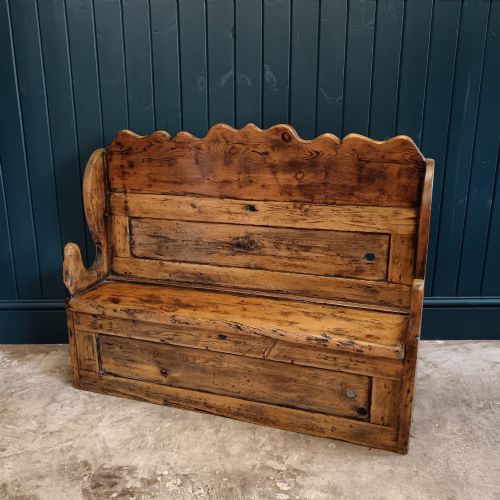
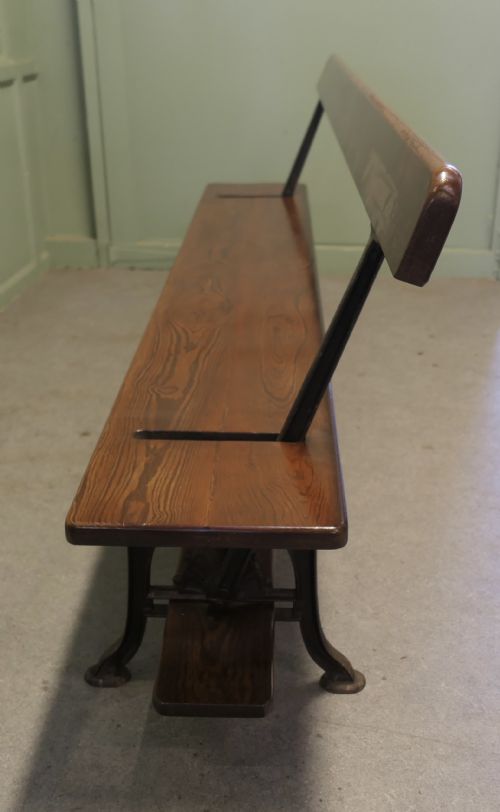
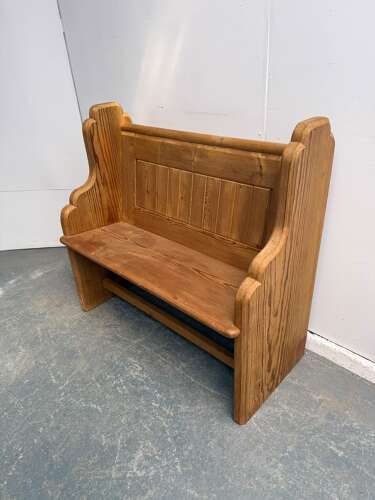
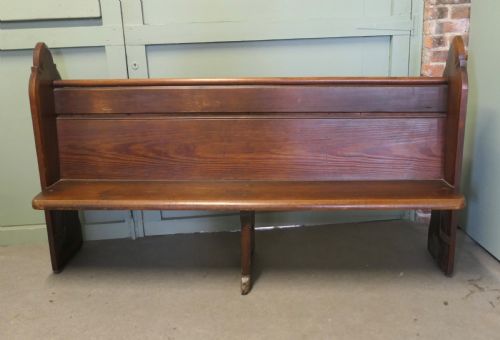

Pine Church Pew Bench
A pine church pew bench brings ecclesiastical architecture and robust seating into domestic hallways and kitchens.
Pine Church Pew Bench
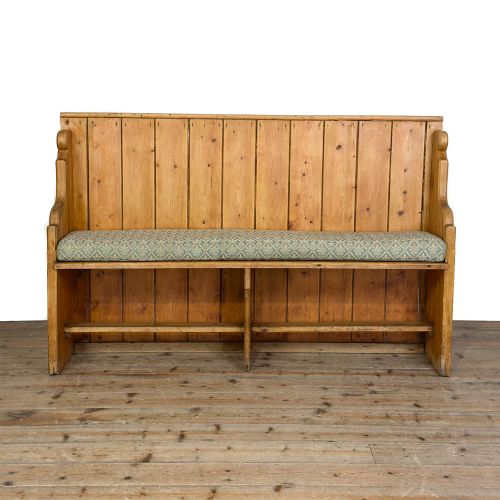
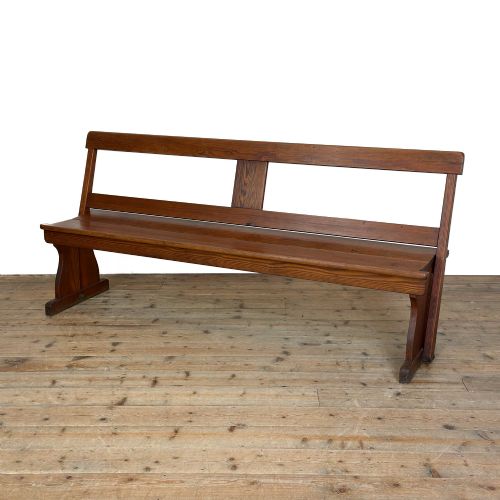
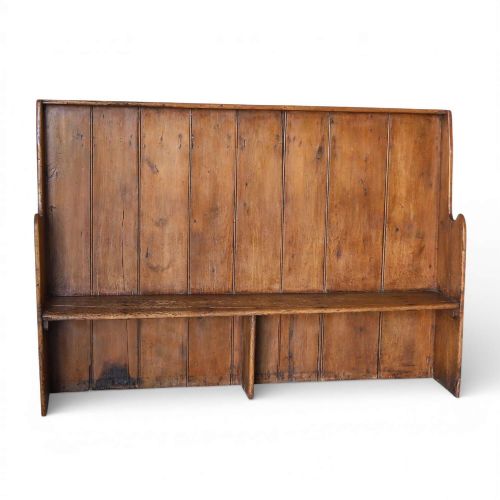
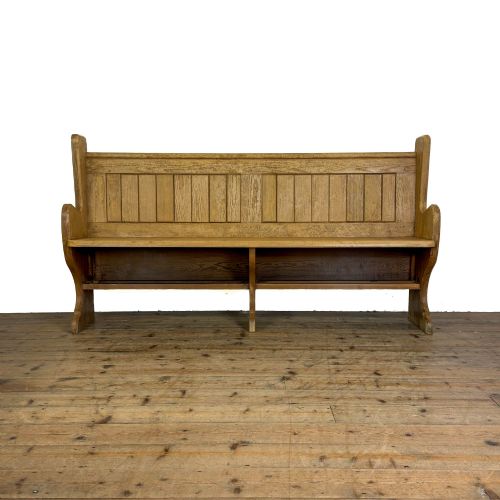
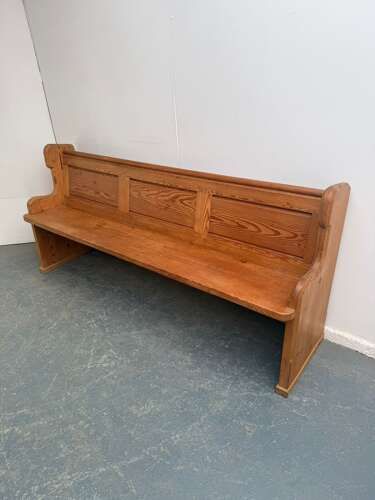
When you search for a pine church pew bench, you are looking at utilitarian seating drawn from chapels, churches, and village halls across the nineteenth century and into the early twentieth century. These pieces range from simple plank-built chapel pews to high-back settles and pitch pine Gothic examples designed for communal worship.
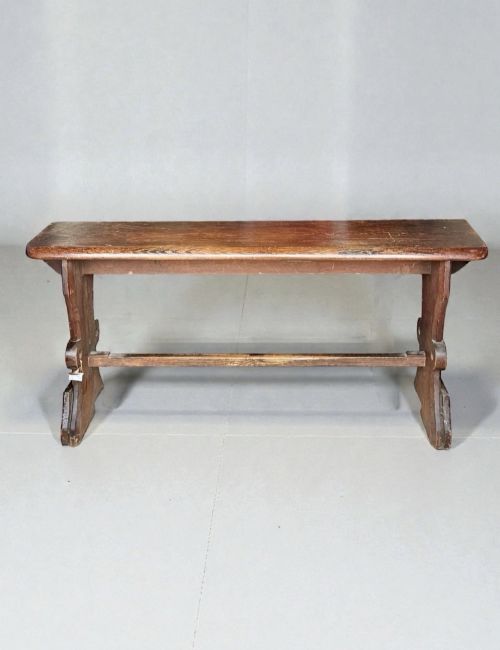
You are most likely to meet Victorian and nineteenth-century examples fashioned from plain pine or pitch pine, often showing the marks of long service in ecclesiastical settings. Some retain traces of original paint or rich wax finishes, while others take the form of tavern settles, hall benches, or flip-over chapel pews.
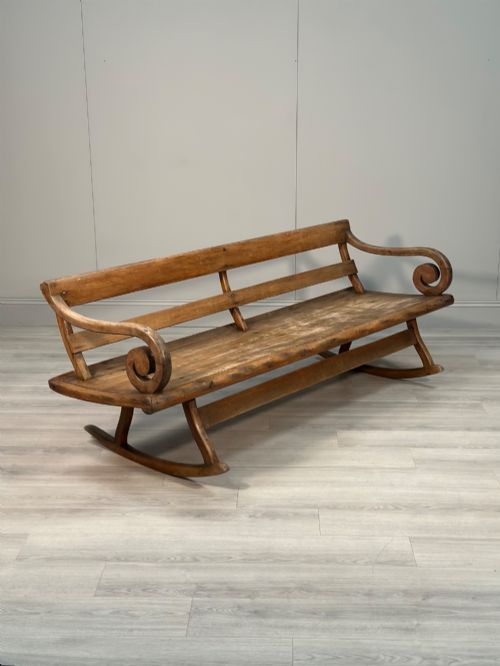
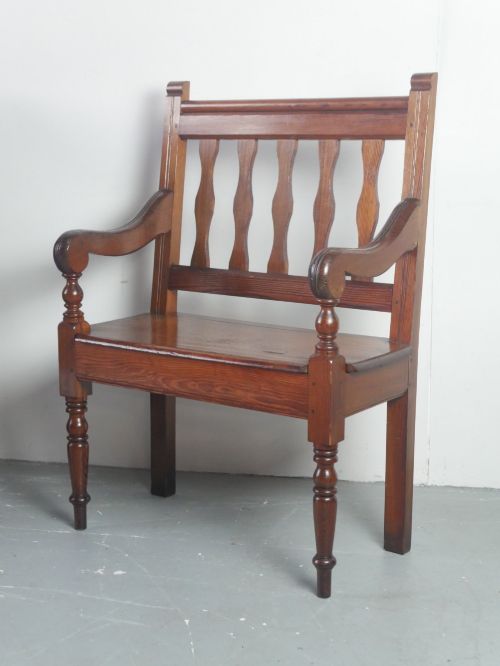
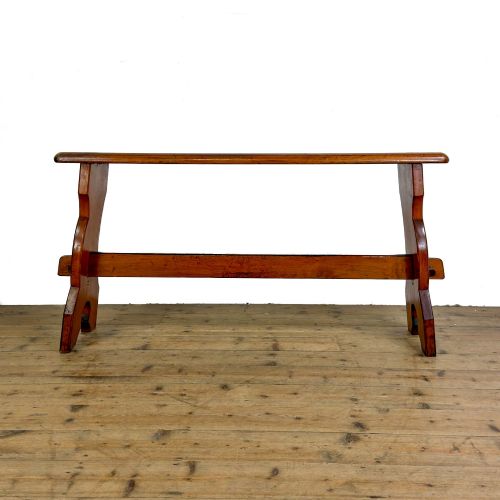
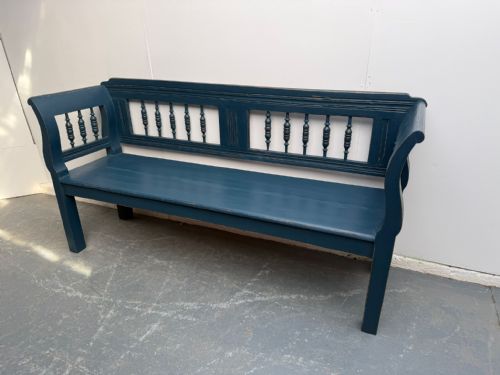
The selection includes regional variations from British workshops alongside continental European pieces such as French dining benches and Hungarian seating. Their straightforward forms and durable timber make them practical for modern hallways, kitchens, and dining spaces.
How they were made
Joiners built these benches primarily from solid pine and pitch pine, selecting dense timbers capable of withstanding heavy daily use in public buildings. Workshops utilised straightforward frame-and-panel construction for the backs and box bases, securing joints with dowels and traditional fixings.
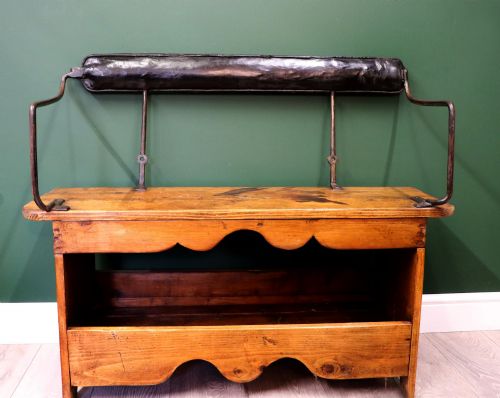
Surfaces were finished with wax to nourish the wood or coated in layers of paint that now show appealing patination through age and wear. Iron brackets and hinges occasionally reinforced structural points, particularly on reversible tram benches and flip-over chapel seating.
Listings feature pieces spanning the 1850s to the 1920s, incorporating materials such as pitch pine, cast iron, and original paint.
What varies in quality
The distinction between ordinary utility seating and superior examples lies in the integrity of the timber selection and the retention of original surface treatments. Dense pitch pine with deep figuring sits at a different level from standard soft pine, while untouched wax patinas or authentic original paint elevate a piece above stripped and overly restored alternatives.
Proportion and architectural detail also separate standard chapel seating from finer ecclesiastical commissions. Examples featuring Gothic tracery, shaped bench ends, or integrated book boxes display a higher standard of joinery from nineteenth-century workshops.
The Pine Church Pew Bench Glossary
- Pitch Pine
- A dense, resinous softwood sourced mainly from North America that produces a heavy, durable bench with prominent grain patterns. It resists wear far better than ordinary white pine.
- Settle
- A wooden bench featuring a high solid back designed to block draughts, often flanked by solid arms. These pieces served as fireside seating in pubs, farmhouses, and halls.
- Patina
- The surface sheen and colour acquired by wood over decades of handling, polishing, and exposure to light. It serves as a visual indicator of age and genuine use.
- Ecclesiastical
- Pertaining to the Christian church and clergy, describing furniture specifically manufactured for chapels, cathedrals, and parish houses. Such items typically exhibit Gothic or functional styling.
- Flip-Over Pew
- A specialist bench design featuring a reversible backrest that allows sitters to face either direction. These were commonly utilised in trams, trolleybuses, and multi-use mission rooms.
Pine Church Pew Bench: Frequently Asked Questions
How do I measure for a pew bench?
Measure both the total length and the depth of the floor space where the bench will sit, keeping in mind that high-back settles require clearance against skirting boards.
Check the seat height against your dining or hallway table to ensure comfortable legroom before committing to a purchase.
Are these benches comfortable for daily dining?
Most church pews feature upright wooden backs and solid seats designed for short services rather than lounging, meaning they encourage an upright posture.
Many owners add loose squabs or seat cushions upholstered in fabric to soften the pine for extended sitting around a dining table.
How do I care for waxed pine surfaces?
Feed the timber periodically with a quality beeswax to maintain the honey-brown patina and prevent the dry pine from splitting in centrally heated homes.
Avoid placing wooden benches directly against radiators or in damp entryways where temperature fluctuations can stress the historical joints.