



Wooden Fireside Bench
These wooden fireside bench examples span centuries of practical seating, offering robust construction and enduring character for hearth and hall alike.
Wooden Fireside Bench
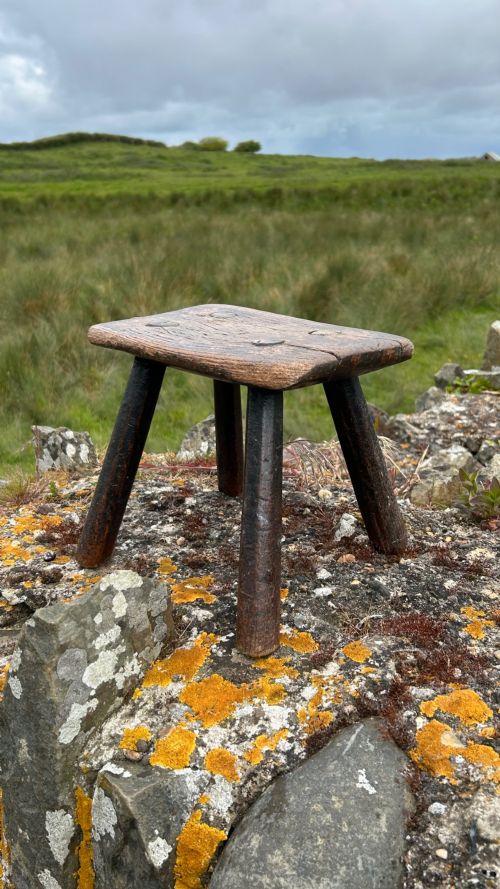
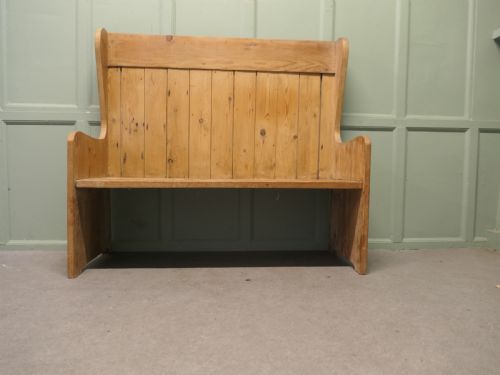
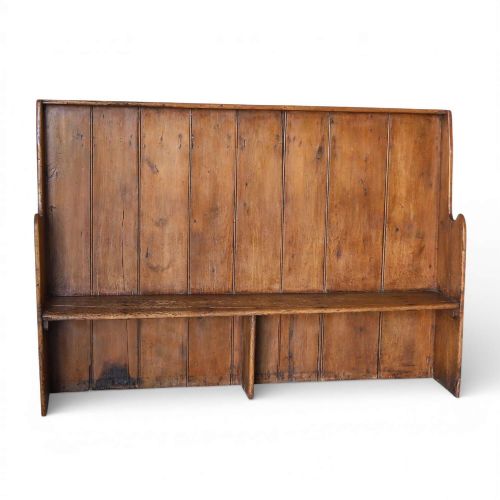
When you search for a wooden fireside bench, you are looking at sturdy seating designed to keep out draughts and anchor a room around the hearth. The forms vary from high-back settles with barrel backs or drawers to low joint stools and carriage stools.
The versions you are most likely to meet on this page hail from periods ranging from the 18th century through the Georgian and Edwardian eras up to the early 20th century. Styles span rustic country, English country, Jacobean revival and Arts and Crafts designs.
Origins include traditional pub benches, country houses and carriage rests, reflecting utilitarian and vernacular domestic needs. Such seating serves as a functional focal point that brings genuine historical texture to an interior.
How they were made
Makers relied on durable timbers such as pine and oak, alongside harder woods, shaped into high-back settles, bow backs and joint stools. Surfaces often display a rich patina developed through decades of daily use.
Detailing includes metal studs, leather upholstery and wool tweed finishes, particularly on stools designed for resting near the fire. Some pieces incorporate practical additions like drawers beneath the seat for storage.
Wooden Fireside Bench Retail Price Guide 2026
Typical asking prices for wooden fireside bench among the pieces listed under this phrase on Sellingantiques today, from the lower quarter to the upper quarter. They describe what is for sale here now, not the wider market.
The documented upholstery materials include leather, fabric, wool tweed, and metal studs across various stool and bench forms.
What varies in quality
The standard of timber selection and the integrity of joinery distinguish finer examples from simpler vernacular pieces. Grain pattern, the depth of the honey brown patina and the preservation of original structural elements elevate an item.
The Wooden Fireside Bench Glossary
- Settle
- A wooden bench with a high back, solid arms, and often a closed base designed to block cold draughts. It represents a primary form of fireside seating in traditional British homes and pubs.
- Joint stool
- A sturdy wooden stool constructed with pegged mortise and tenon joints rather than turned legs. These pieces date back centuries and served various multi-purpose seating and table roles.
- Barrel back
- A curved, enclosing backrest that wraps around the sitter to trap heat from the fire. This design is typical of traditional settles from the Georgian period.
- Patina
- The deep, lustrous surface sheen developed on wood through years of handling, polishing, and ageing. A rich patina indicates genuine age and care.
- Bow back
- A continuous curved wooden backrest formed by bending a single piece of timber. It offers ergonomic support found in specific vernacular bench designs.
Wooden Fireside Bench: Frequently Asked Questions
What is a wooden fireside bench?
A wooden fireside bench is a traditional seating form, often featuring a high back or solid sides, designed to provide comfort near a hearth while blocking cold draughts.
These pieces range from tall settles to low joint stools, reflecting centuries of practical craftsmanship in pine and oak.
How were settle benches used?
Settle benches were historically placed close to the fireplace in homes and public houses to retain heat and provide sheltered seating.
The high backs and enclosed bases kept out cold air currents, while variants with under-seat drawers offered convenient storage.
How do I date an antique bench?
Dating relies on examining the timber species, construction methods, hardware like metal studs, and stylistic traits typical of periods such as the Georgian era or the Arts and Crafts movement.
Patina, tool marks, and joinery techniques provide clear physical evidence of a piece's age and origin.
Where should I place a settle?
These benches suit hallways, large living spaces, or dining areas where their substantial presence and high backs can act as a natural room divider.
They work best against a solid wall or positioned perpendicular to a fireplace to recreate their historic purpose.