


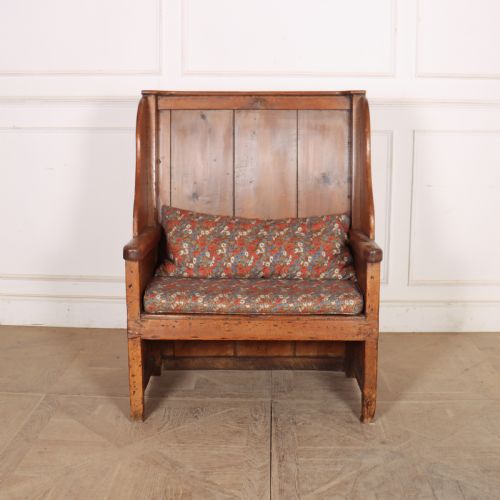
Traditional Timber Settle
A traditional timber settle is a high-backed wooden bench built to shield against draughts, offering a durable seating option for domestic halls and taverns.
Traditional Timber Settle
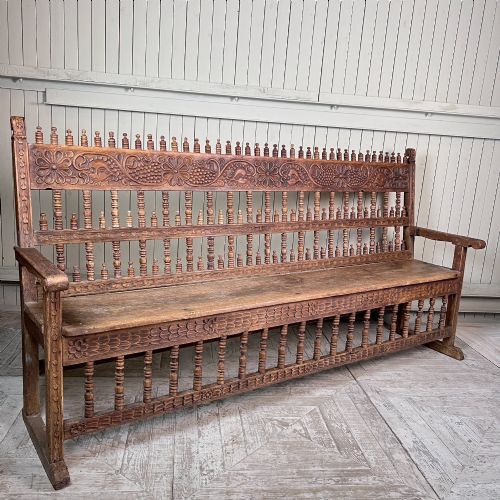
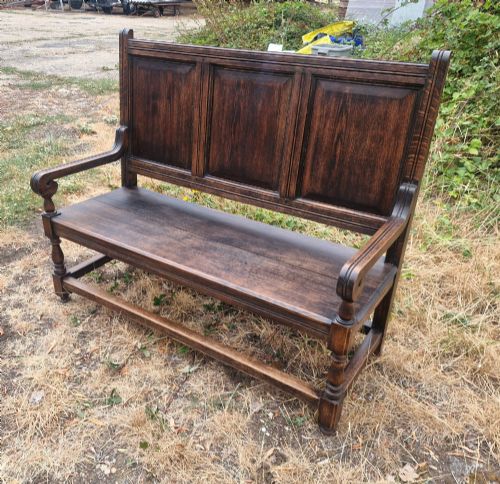
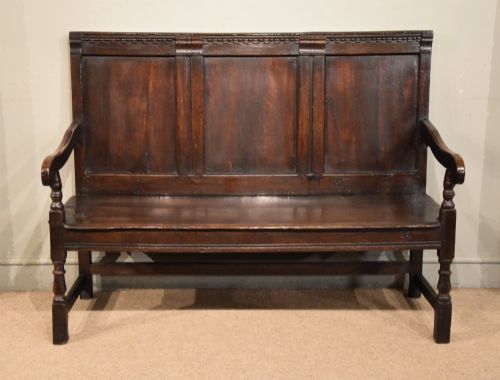
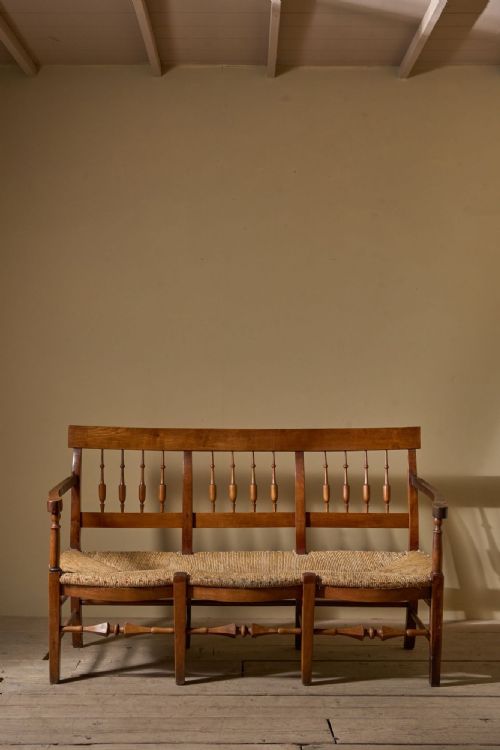
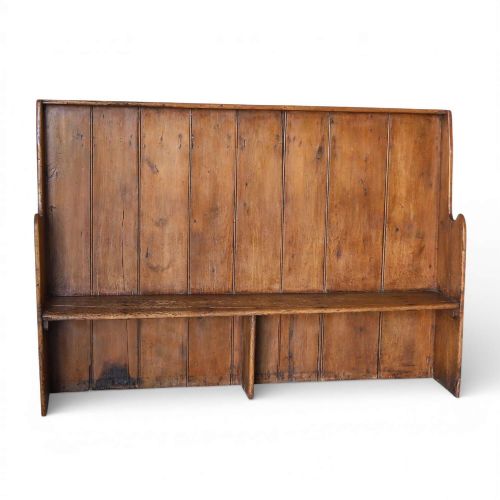
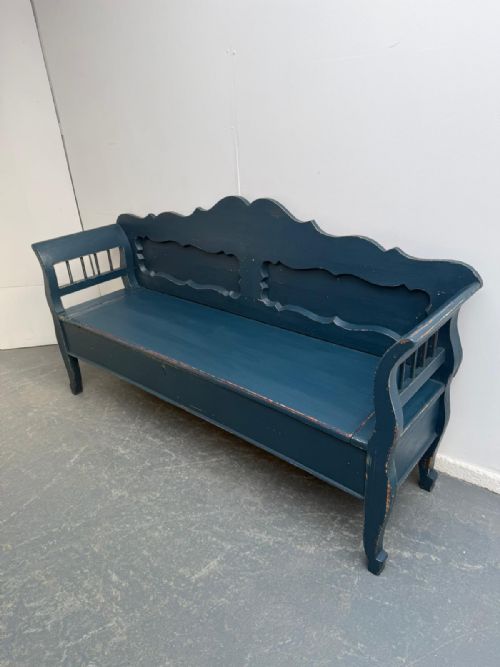
A traditional timber settle serves primarily as a high-backed seat designed to keep out cold air in older rooms. These pieces appear in forms ranging from plain utilitarian hall benches to panelled oak examples and painted regional variations.
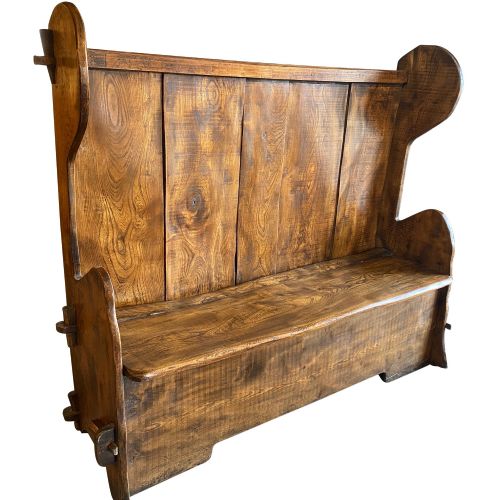
The materials recorded in these listings span pine, oak, elm, and miscellaneous timber, alongside painted finishes. Buyers frequently encounter versions originating from English country houses, Welsh workshops, and continental European sources.
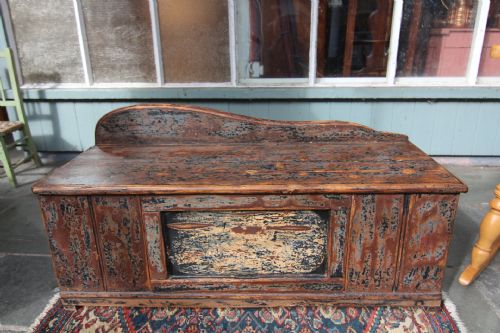
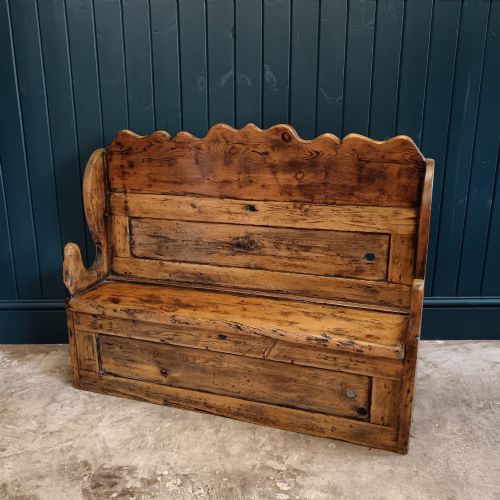
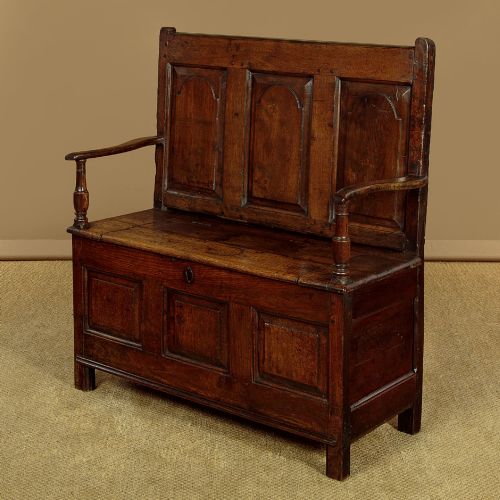
Structural variations include box seats with lift-up lids for storage, high panelled backs, and canopy tops. Examples date from the eighteenth and nineteenth centuries, with occasional pieces from the Edwardian era and early twentieth century.
Evaluating Quality and Character
Quality rests in the integrity of the timber and the honesty of the construction, whether the piece is a provincial elm bench or a panelled oak box settle. Original painted surfaces and untouched patinas carry distinct historical weight compared to later refinishing.
Proportions and scale determine how a settle sits within a modern interior, with smaller proportions and robust high backs commanding particular attention. The depth of the seat and the height of the back panel dictate both comfort and architectural presence.
The Traditional Timber Settle Glossary
- Settle
- A wooden bench with a high back and solid wooden arms, designed to block cold draughts in domestic interiors. Many include enclosed storage compartments beneath the seat.
- Box Settle
- A bench featuring a lidded compartment beneath the seat for storing household goods. These items combine seating with functional box storage.
- High-Back Settle
- A seat featuring an extended vertical wooden back panel designed to retain heat from a hearth. This form protects occupants from room draughts.
- Patina
- The surface sheen and colour developed by wood over decades of handling and waxing. A desirable patina shows genuine age and use.
- Polychrome
- Painted in several colours, often found on folk art and continental regional furniture. This surface treatment adds decorative interest to pine and softwood bodies.
Traditional Timber Settle: Frequently Asked Questions
How do I use a settle today?
A settle fits naturally in a hallway, kitchen, or boot room where it provides sturdy seating and occasional storage beneath the lid. Its high back helps create a defined seating nook in larger open spaces.
Positioning the piece away from direct heat sources helps protect the dry timber and historic finishes from cracking over time.
Are settles comfortable for daily seating?
Traditional timber settles feature rigid wooden backs and upright seats built for utility rather than lounging. Adding a loose squab cushion or textile pad makes extended sitting much more comfortable.
The upright posture encouraged by the high wooden back makes them well suited for dining tables or entryway use.
How do I tell oak settles from pine ones?
Oak settles generally display a heavier weight, visible medullary rays, and a tighter grain structure. They are frequently associated with earlier eighteenth-century vernacular and revival styles.
Pine and elm versions tend to show softer grain patterns and are frequently found with painted surfaces or honey brown waxed patinas.
What is a box settle?
A box settle incorporates a hollow base beneath the seat accessed via a lift-up lid. This compartment provided practical storage for blankets, dry goods, or household items in older homes.
The solid construction of the base also adds stability to the overall bench framework.