
19th Century Settle Bench
A 19th century settle bench brings centuries of robust craftsmanship, enclosed seating warmth and hallway presence to any interior.
19th Century Settle Bench
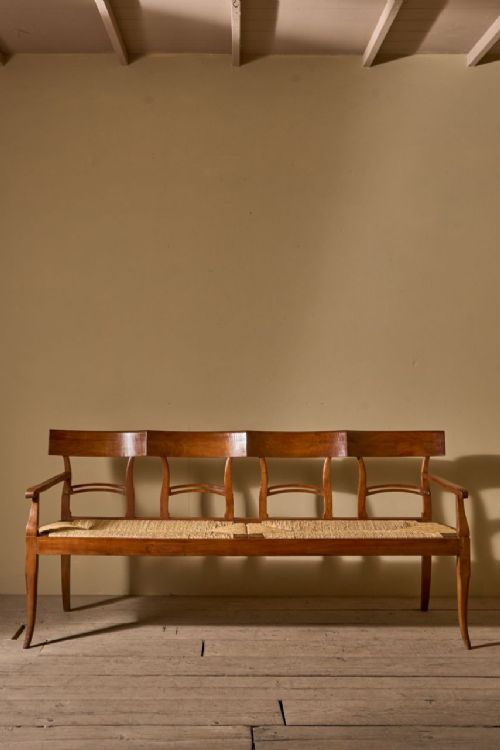
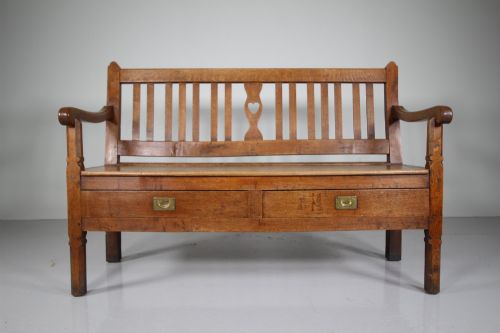
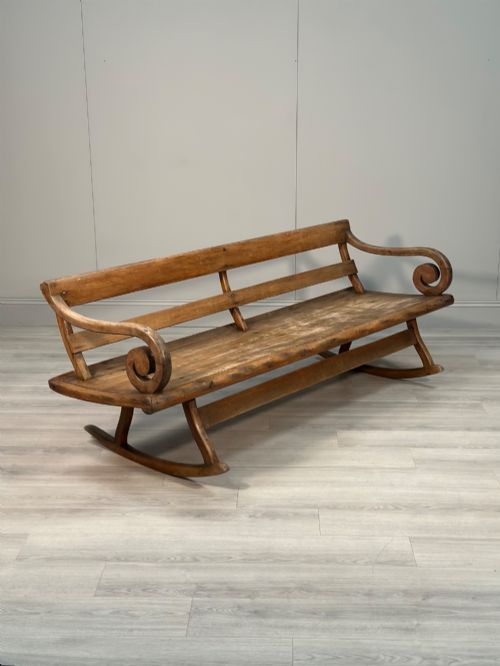
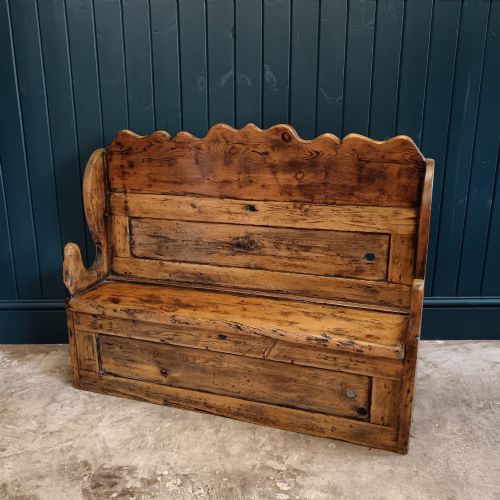
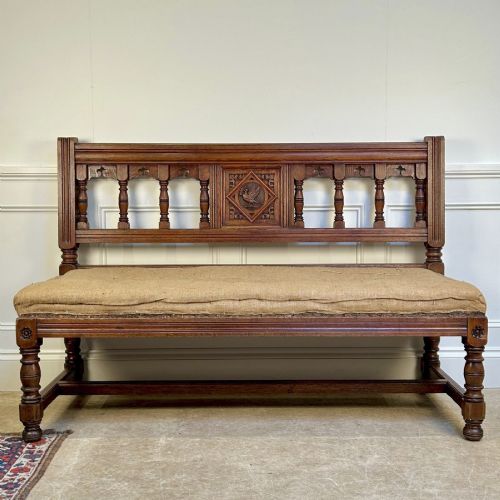
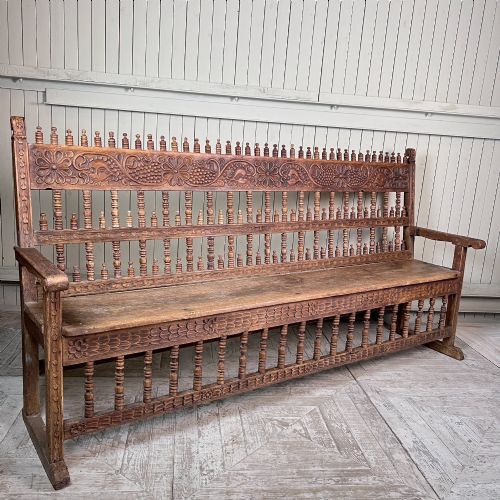
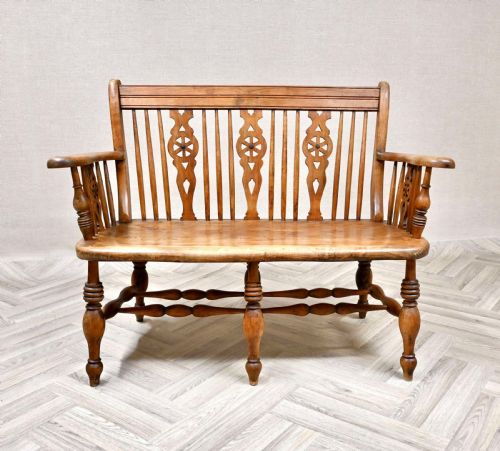
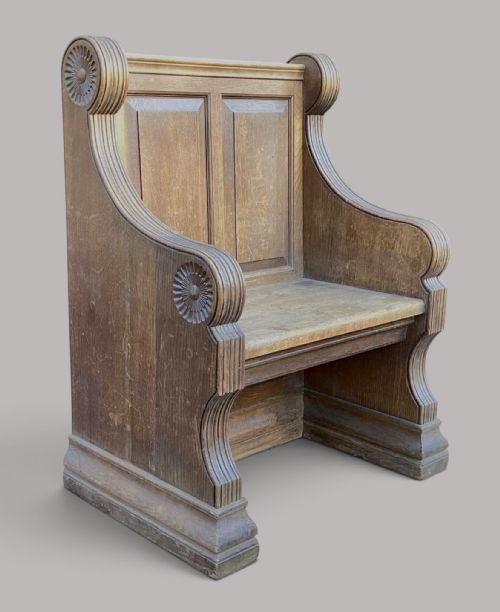
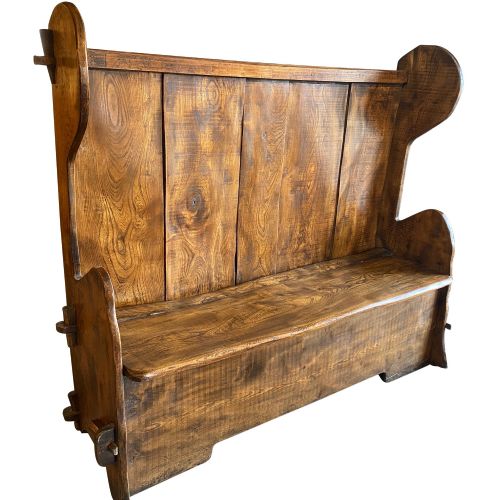
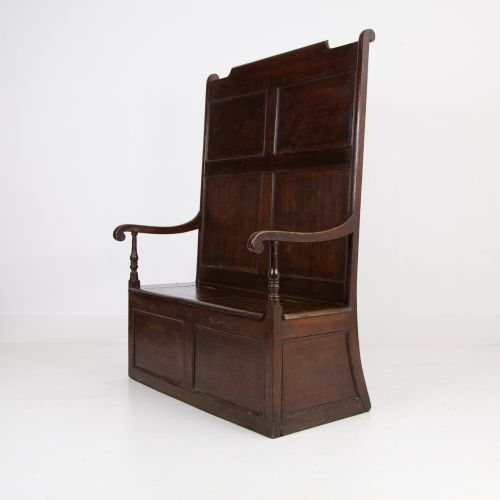
A 19th century settle bench serves as a traditional wooden seat, often featuring a high back to block draughts and integrated storage beneath the lift-up lid. These pieces appear frequently in oak, pine, and elm, originating from English, Welsh, Scandinavian, and continental country traditions.
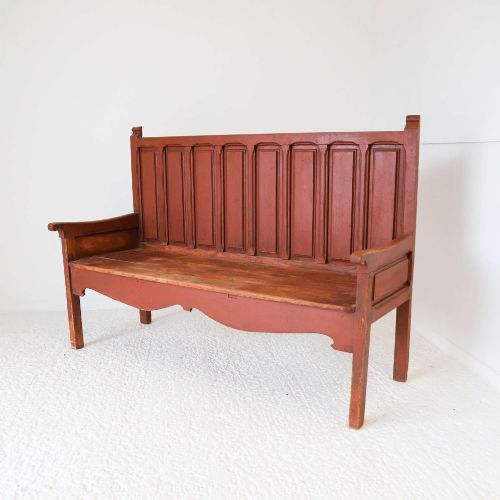
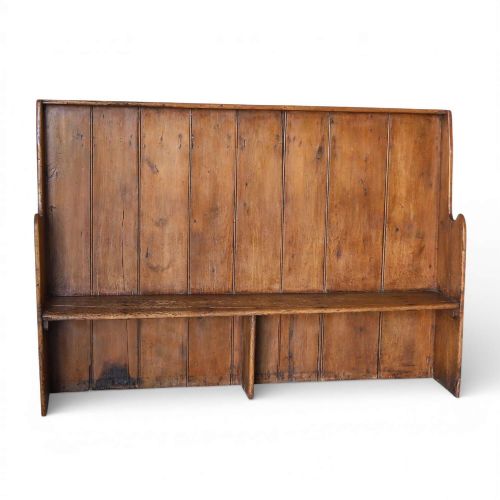
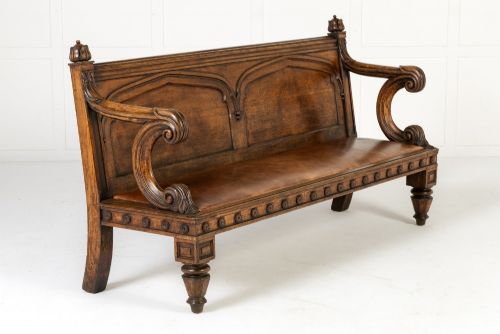
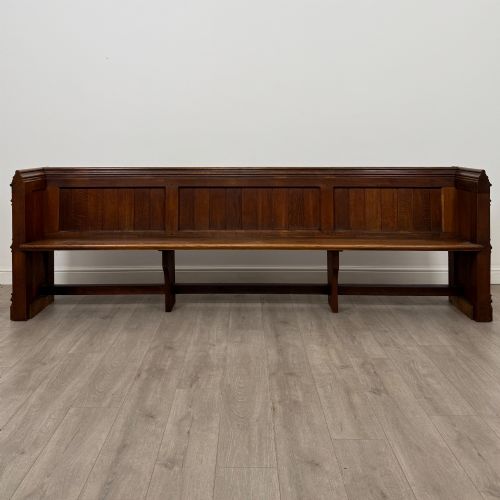
Buyers encounter numerous regional variations, ranging from simple provincial pine box settles to elaborately carved architectural oak pieces and gothic revival hall benches. Many examples function practically in hallways and kitchens, providing both a firm seat and enclosed space for household items.
How they were made
Cabinet makers and country joiners constructed these benches primarily from solid timbers like oak, pine, elm, and walnut, often utilising traditional mortise and tenon joinery. Panels were frequently hand-carved with motifs such as green men, gothic tracery, or geometric relief.
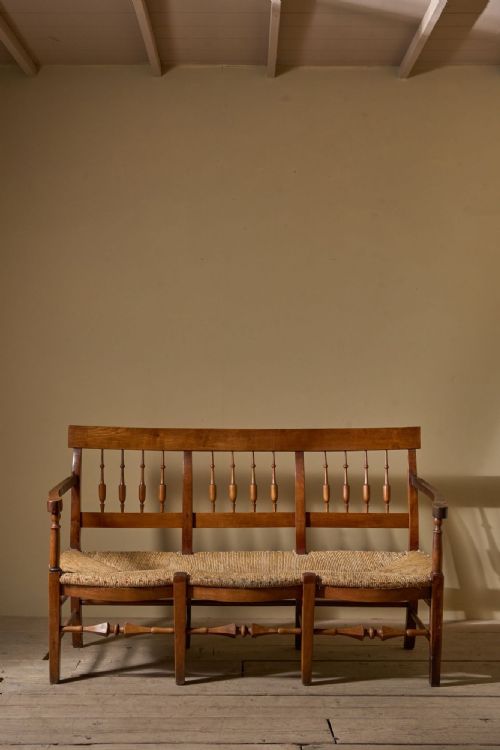
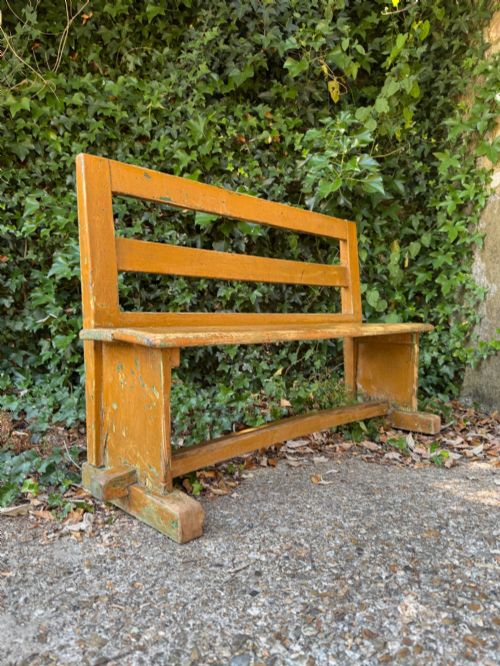
Many provincial examples incorporate painted finishes or retain original patinas developed through decades of domestic use. Secondary materials like rush seating, brass hardware, and iron hinges appear across regional country and continental workshops.
Some nineteenth-century examples hide remarkably stubborn hinge squeaks that have survived half a dozen British monarchs.
What varies in quality
The standard of carving and the architectural ambition of the frame distinguish standard utility seating from exceptional cabinet work. Crisp relief detail on high-backed oak panels and well-balanced proportions indicate superior craftsmanship.
Originality of surface, including untouched patinas on pine and rich grain depth on walnut or oak, dictates the standing of a piece. Integrated box storage mechanisms and sound structural timber integrity further separate regional workshops from master furniture makers.
GIllows
The 19th Century Settle Bench Glossary
- Box settle
- A wooden bench featuring a compartment beneath the seat accessed via a hinged lid, historically used for household storage.
- Monks bench
- A convertible form where the high wooden back pivots forward to transform the seat into a table.
- High-back
- A tall vertical wooden panel backing designed to shield the seated person from cold draughts in domestic interiors.
- Green man
- A sculptural architectural motif depicting a human face emerging from or entwined with foliage and vines.
- Patina
- The deep surface sheen and coloration developed naturally on wood over generations of handling and wear.
19th Century Settle Bench: Frequently Asked Questions
How do I care for antique wooden benches?
Maintain these wooden surfaces by keeping them away from direct heat sources and sudden temperature fluctuations that cause timber to split. Apply a microcrystalline wax periodically to nourish the dry grain and protect the historic patina.
Avoid excessive moisture during cleaning and use a soft, dry cloth for dusting. Preserving the original finish ensures the timber continues to age gracefully.
Are these benches comfortable to sit on?
Traditional wooden seating offers firm support rather than deep cushioning, reflecting the utilitarian origins of the furniture. Many historical examples were paired with loose wool or fabric cushions for added comfort during prolonged sitting.
The upright posture encouraged by the rigid wooden back makes them ideal for hallway or dining placement.
How can I tell regional styles apart?
English and Welsh examples frequently utilise heavy solid oak with panelled construction and gothic or vernacular motifs. Scandinavian and continental pieces often feature painted pine surfaces, softer wood bodies, and lighter rustic proportions.
Examining the underlying timber species and carving style quickly reveals the geographic workshop origin of the furniture.