
Vintage Timber Bench Seat
A vintage timber bench seat brings honest structure to a hallway or garden, offering a hardy seat built from solid woods like pine, oak and teak.
Vintage Timber Bench Seat
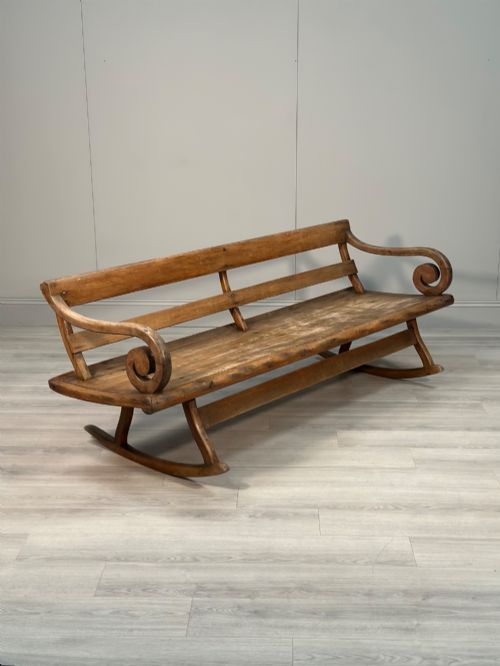
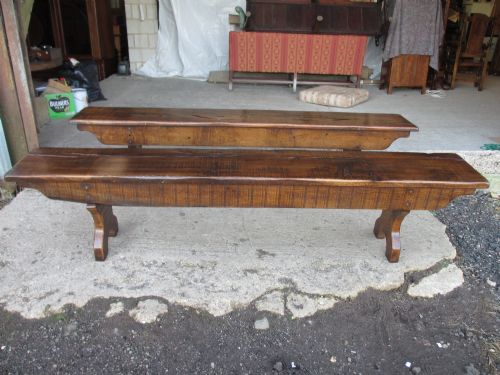
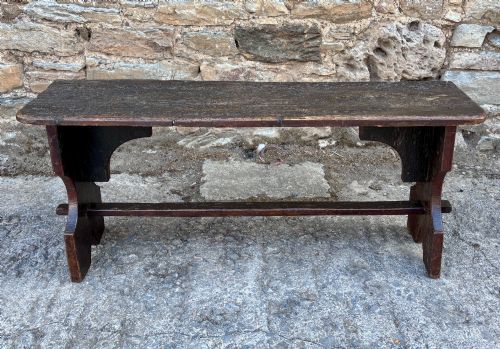
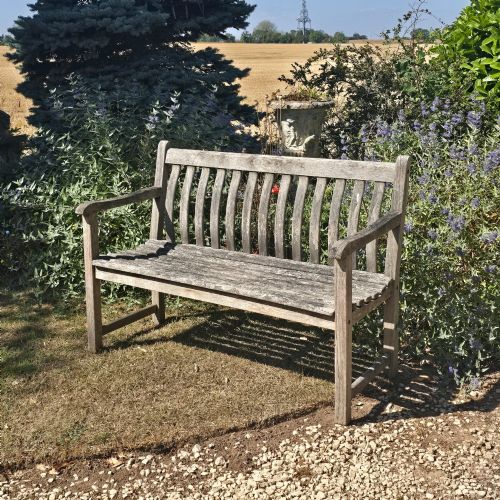
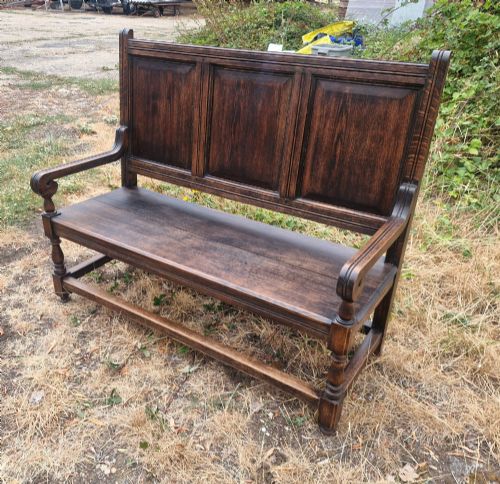
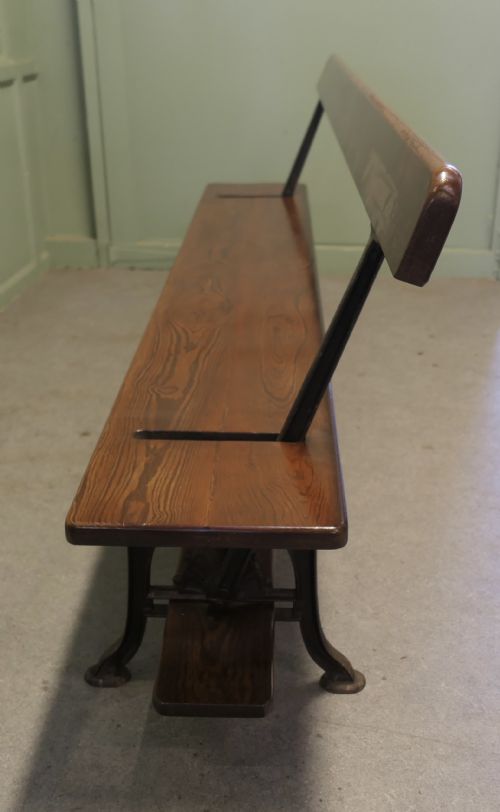
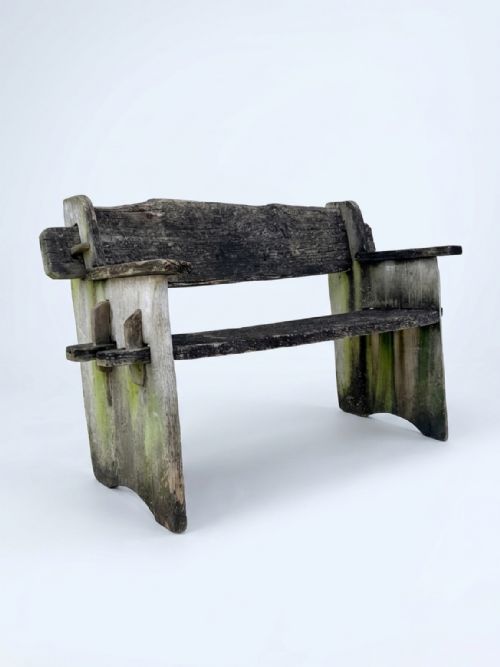
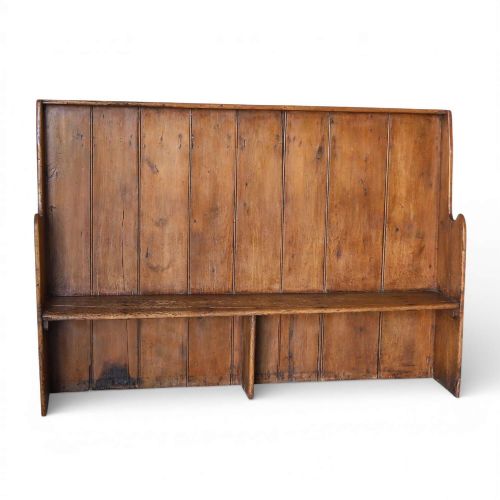
A vintage timber bench seat spans practical hall settles, weather-worn garden benches and rustic country seating originating from the nineteenth and early twentieth centuries. These pieces appear in forms ranging from high-back settles with honey brown patina to curved oak designs and long elm dining benches.
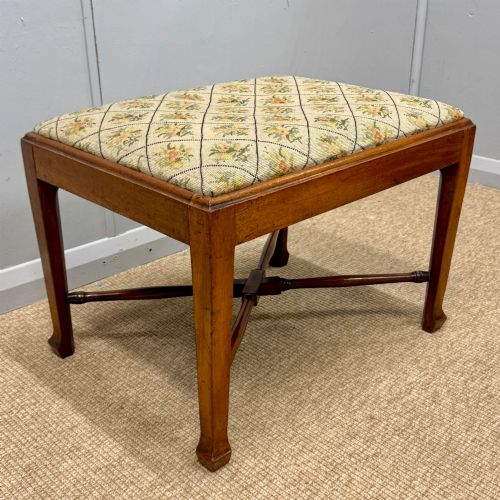
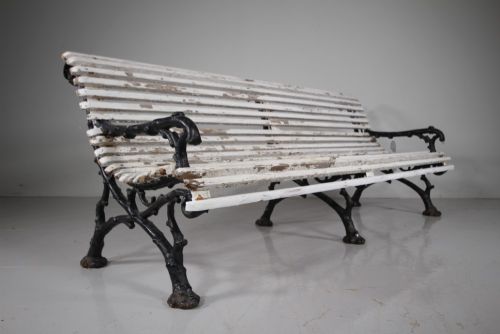
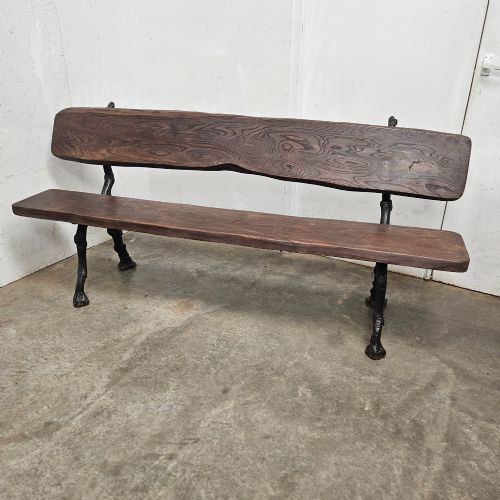
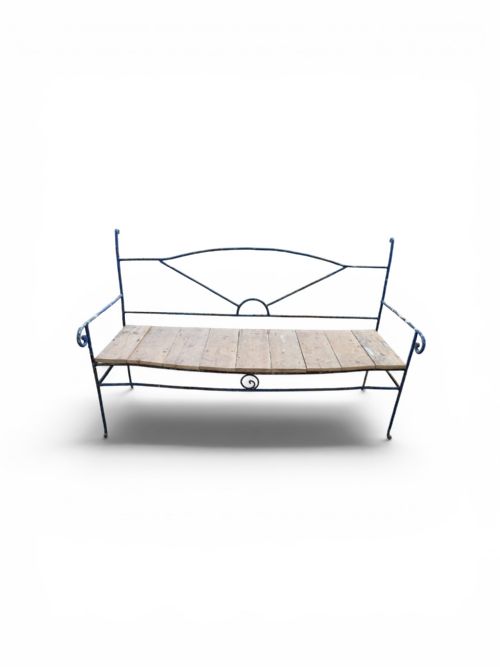
Buyers will most frequently encounter rustic pine, weathered teak and heavy oak pieces dating from the Victorian and Edwardian eras. Simpler country iterations sit alongside cast iron and timber combinations and French provincial examples.
Originating across England, France, Hungary and Eastern Europe, these benches served utilitarian roles in railway stations, hallways, gardens and farmhouses. Their survival relies entirely on the robust nature of their original construction.
Materials and construction
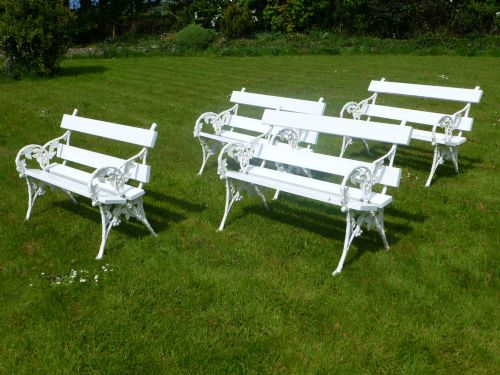
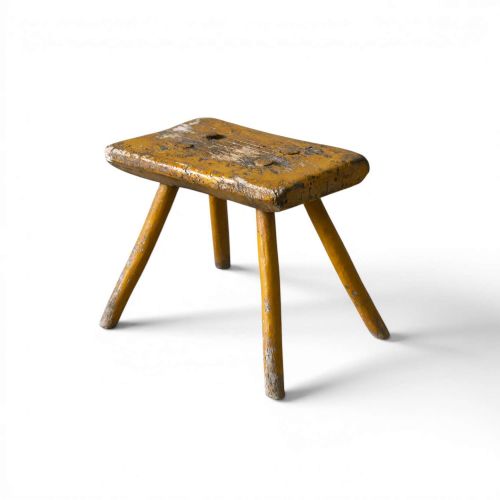
Makers utilised solid timbers including pine, oak, teak, elm, cherrywood and chestnut, frequently pairing wood with cast iron supports for garden longevity. Natural finishes such as original ochre and green paint, wax, or exposed weathered silver patinas reveal decades of exposure or interior use.
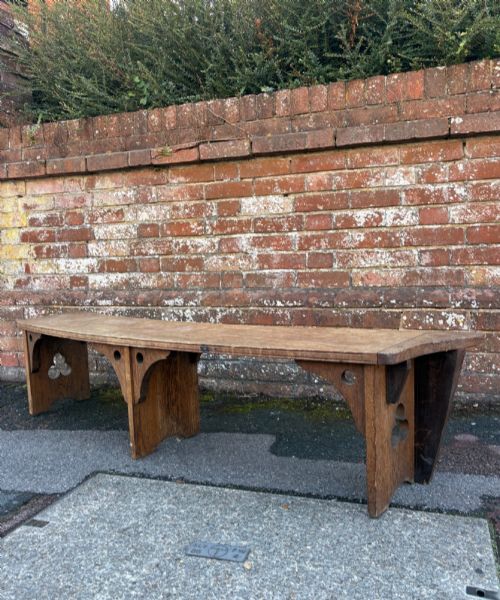
Joinery methods depended on the intended function, employing shaped trestle ends, panelled backs, trefoil carved supports and cross stretchers for stability. Scratch built country pieces relied on straightforward pegging and solid board construction rather than delicate cabinet work.
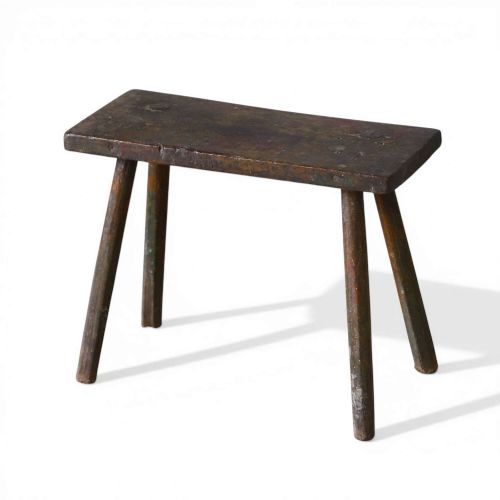
Regional forms on offer range from English high-back settles to Eastern European milking stools and French provincial benches.
Distinguishing quality
Quality rests in the integrity of the timber and the honesty of the surface finish, distinguishing thoughtfully proportioned workshop pieces from utilitarian utility items. Original paint or deep natural patination elevates an example above stripped or heavily altered surfaces.
Structural heft and original joining methods dictate longevity, particularly in pieces subjected to outdoor weathering or heavy daily seating use. The presence of maker foundry marks on cast iron frames or untouched regional details separates standard pieces from notable survivors.
Falkirk foundry
The Vintage Timber Bench Seat Glossary
- Settle
- A wooden bench with a high back, solid arms and often a box base used to block drafts in older homes. These pieces provide substantial seating with enclosed lower sections.
- Patina
- The surface sheen and colour developed over decades through use, waxing and ageing. This quality indicates genuine period surface wear rather than artificial distress.
- Trestle
- A supporting structure formed by a horizontal beam fixed to two splayed legs. This design offers robust weight distribution for long dining benches.
- Trefoil
- A three-lobed decorative ornamental shape resembling clover leaves, frequently pierced through Gothic revival woodwork. It appears on architectural supports and chair backs.
- Faux bois
- An artistic imitation of wood grain applied to materials like cast iron or concrete. This technique was popular in nineteenth-century garden furniture.
Vintage Timber Bench Seat: Frequently Asked Questions
Where should I place a vintage timber bench seat?
These benches suit narrow hallways, boot rooms, and spacious kitchens where sturdy seating is practical. Weathered exterior versions function well on garden patios or lawns.
Interior pieces complement rustic dining tables or provide a functional drop-zone near an entryway. Ensure wooden types stay clear of direct modern heat sources to prevent timber splitting.
How do I care for an antique wooden bench?
Maintain waxed or polished indoor timbers with occasional traditional beeswax applications to nourish the grain. Protect original painted surfaces from harsh chemical cleaners.
Outdoor teak and pine varieties manage weather naturally, though storing them under cover during harsh winter months prolongs their lifespan. Avoid pressure washing historic surfaces.
Can I use an outdoor garden bench inside?
Weathered garden benches transition easily into large kitchens, conservatories or boot rooms for casual seating. Their robust construction handles daily indoor wear without issue.
Consider the seat height and depth relative to indoor furniture before placement. Ensure any dampness from exterior storage dries out completely prior to indoor use.