

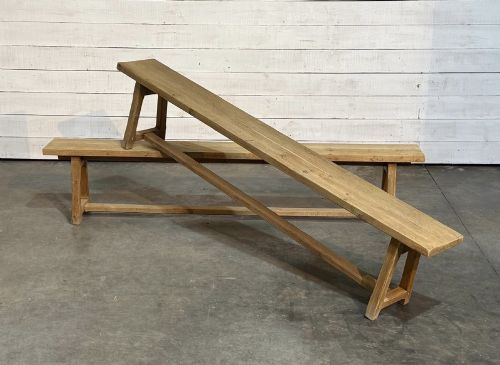
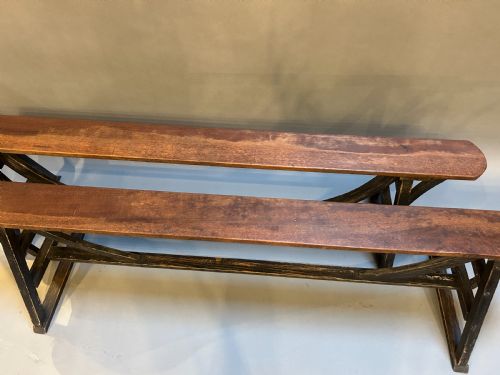
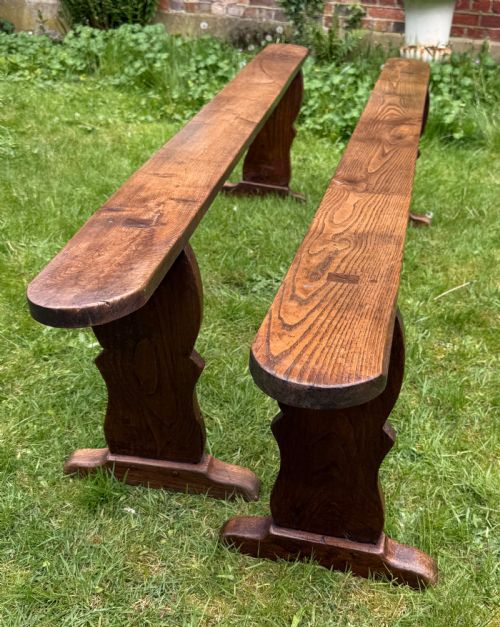




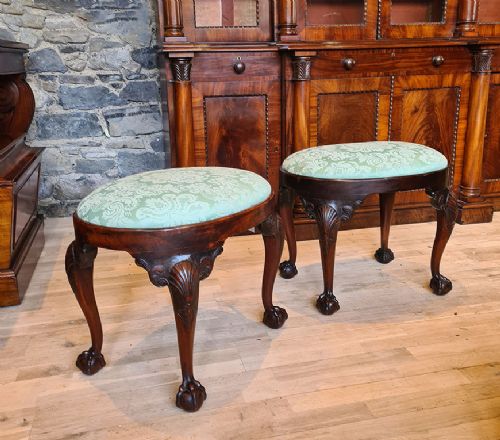


Pair Vintage Wooden Benches
Pair vintage wooden benches bring honest character to a room, offering practical double seating shaped by decades of everyday use.
Pair Vintage Wooden Benches
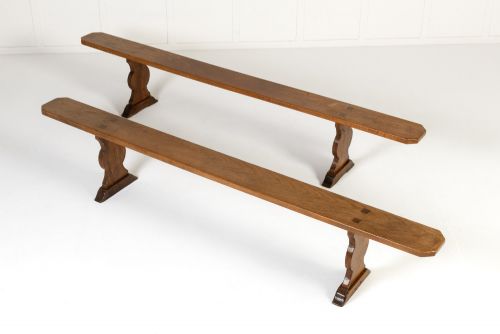
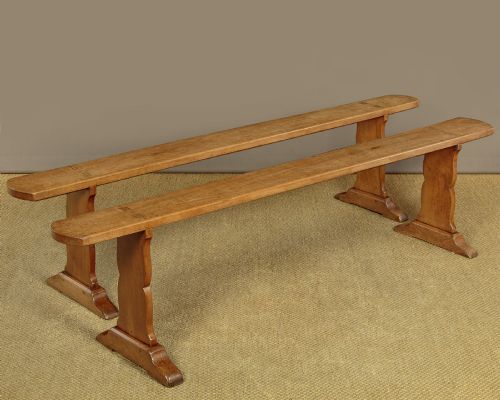
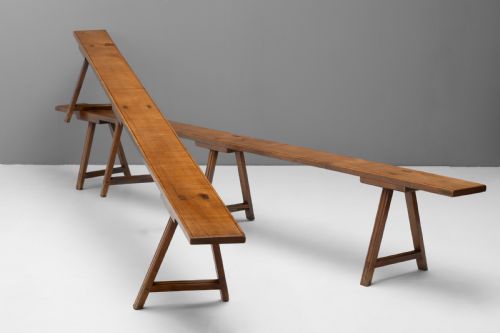
Pair vintage wooden benches provide dual seating options spanning the nineteenth and early twentieth centuries, appearing most frequently in pine, oak, and cherrywood alongside painted or rustic country finishes. Buyers searching for pair vintage wooden benches encounter items ranging from long school and refectory forms to French provincial hall benches and garden seats.
Makers utilised resilient domestic timbers and hardwoods to construct these matching pairs for utilitarian spaces, dining rooms, and hallways. The surviving examples reflect various regional vernacular traditions across Britain, France, Scandinavia, and beyond.
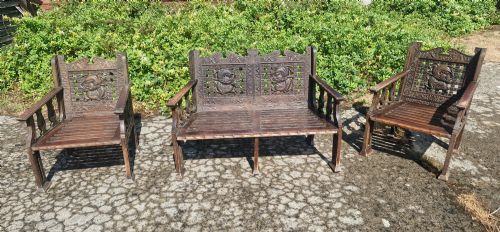
The selection here prioritises matching double seating, capturing both unadorned workshop pieces and decorative panelled designs from the Victorian and interwar periods. Each configuration offers a distinct footprint suited to modern interiors and traditional settings alike.
How They Were Made
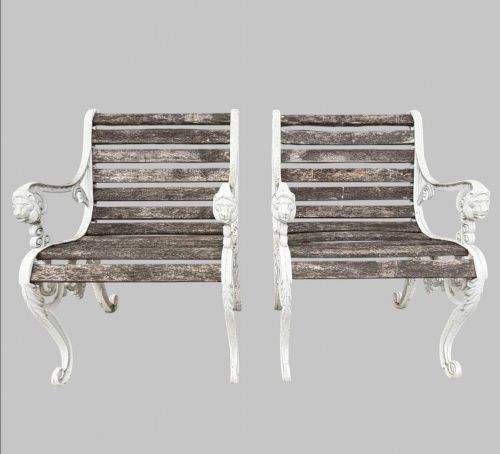
Carpenters constructed these benches using solid timbers such as pine, oak, walnut, cherrywood, and fruitwood, often joining planks with traditional pegged mortise and tenon joints for structural stability. Selected pairs integrate cast iron frames or decorative carved elements to enhance durability and visual weight.
Surfaces frequently show the marks of hand-planing and early painted finishes that have acquired a natural patina over decades of handling. These methods ensured the seating endured heavy daily use in schools, halls, and domestic kitchens.
Pair Vintage Wooden Benches Retail Price Guide 2026
Typical asking prices for pair vintage wooden benches among the pieces listed under this phrase on Sellingantiques today, from the lower quarter to the upper quarter. They describe what is for sale here now, not the wider market.
Listings feature items spanning the nineteenth century through the interwar period, utilising pine, oak, walnut, cherrywood, and cast iron.
What Varies in Quality
The timber selection defines the baseline of quality, with dense hardwoods like oak and cherry offering greater longevity compared to softer domestic pine. Uniformity in the matching pair and the integrity of the original joints dictate the structural success of each piece.
Subtlety in hand-carved details, well-proportioned turnings, and undisturbed patination distinguish finer provincial and country examples from standard utility seating. The survival of an honest, unaltered surface finish separates superior specimens from later restorations.
The Pair Vintage Wooden Benches Glossary
- Refectory bench
- A long, narrow seating form traditionally designed to sit alongside a communal dining table. These pieces often feature stretcher bases for added stability.
- Hall bench
- A narrow seat intended for entranceways, frequently incorporating a high back or panelled storage elements. They reflect the domestic architecture of nineteenth-century European country houses.
- Pitch pine
- A resinous, durable softwood sourced from North America and Europe, commonly utilised for school furniture and heavy-duty domestic seating. It yields a distinct grain pattern when finished.
- Provincial
- A term describing items made in regional workshops outside capital cities, following local vernacular styles rather than high-fashion court designs. These objects emphasise utility and local timber availability.
Pair Vintage Wooden Benches: Frequently Asked Questions
How do I date a wooden bench?
Examine the tool marks, timber species, and construction methods visible underneath and around the joints. Hand-sawn boards and pegged construction generally point towards nineteenth-century production.
Compare the style of the legs and any turned supports against known period milestones. Regional vernacular pieces often retain traditional local building traits well into the twentieth century.
Are these benches suitable for daily dining?
Many of these pieces were built precisely for dining rooms, school halls, or refectories and easily accommodate regular daily use. Check the seat height relative to your table to ensure comfortable leg clearance.
Consider adding loose cushions for prolonged sitting, as original wooden surfaces are firm. Solid hardwood pairs provide robust support for family dining spaces.
How should I care for vintage pine?
Clean the surface regularly with a soft, dry cloth to remove dust without disturbing the existing wax or dry-scraped paint finish. Avoid placing wooden benches near direct heat sources or strong sunlight, which can dry out the timber.
Apply a neutral beeswax periodically to nourish unsealed wood and maintain its natural lustre. Protect painted surfaces from moisture by using coasters or pads if items are placed in high-traffic zones.
Can I use these benches outdoors?
Most indoor wooden benches lack the weather-resistant treatments required to withstand prolonged exposure to rain and frost. Cast iron and specific garden-designated variants handle exterior conditions better than domestic pine or polished hardwoods.
Keep vulnerable timber pieces inside conservatories, porches, or interior rooms to preserve their finish. Unprotected wood left outside will warp and degrade rapidly.