

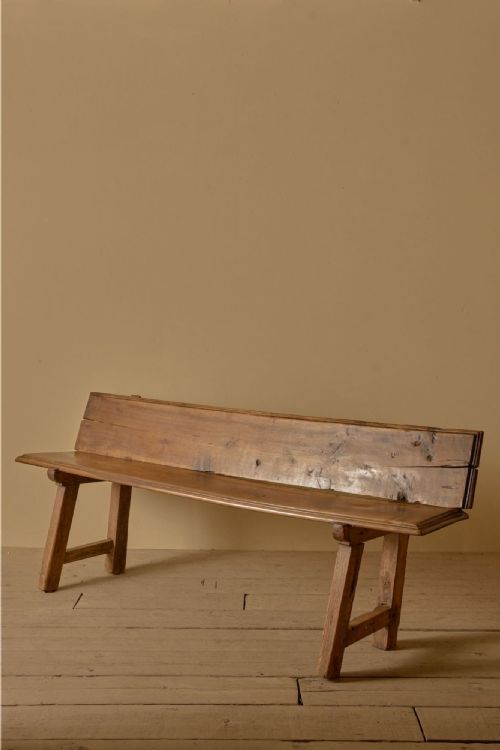
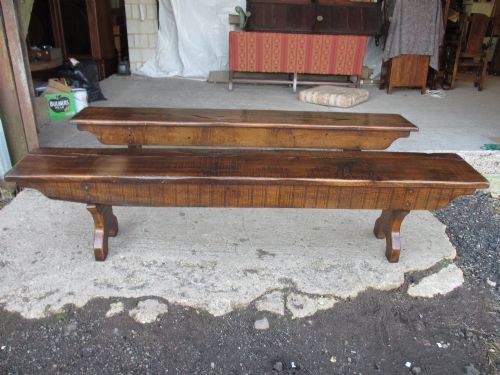
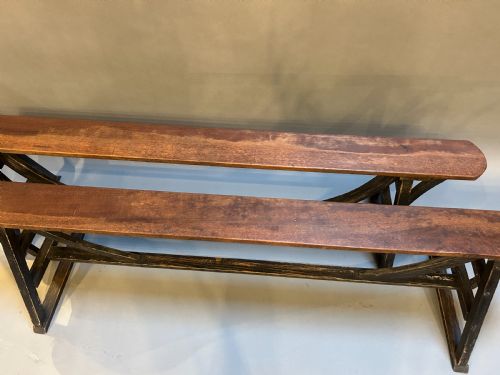
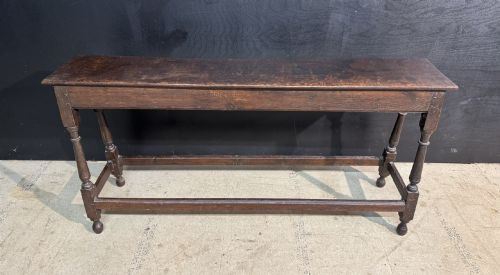



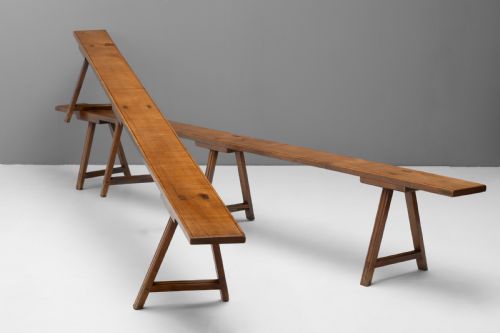
Rustic Trestle Seating Bench
A rustic trestle seating bench grounds a dining space with straightforward timber construction and centuries of practical utility.
Rustic Trestle Seating Bench
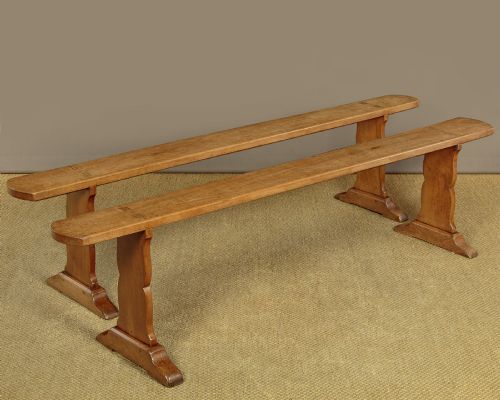
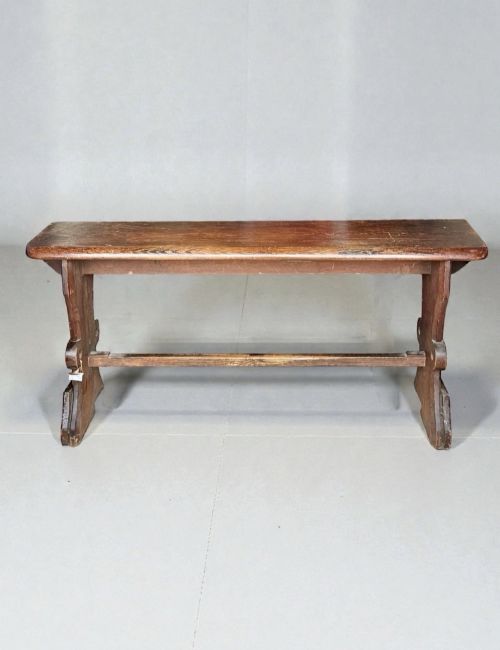
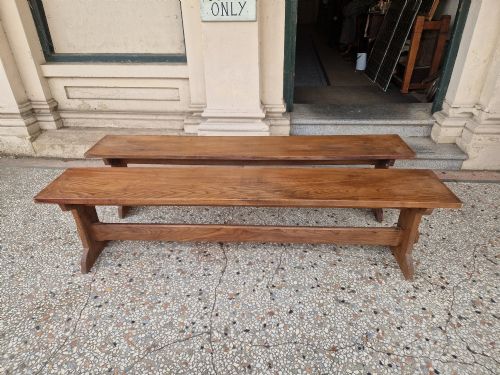
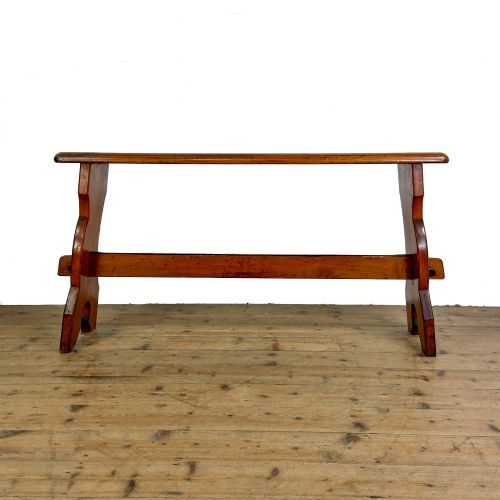
When you search for a rustic trestle seating bench, you encounter long, sturdy forms designed for communal dining and utility across various European and British country settings. These pieces originate from periods spanning the eighteenth, nineteenth, and early twentieth centuries, reflecting domestic, ecclesiastical, and institutional environments.
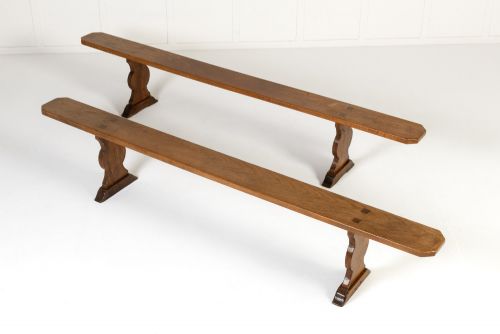
The most common examples on this page are constructed from pine, oak, and cherrywood, often appearing in matched pairs or substantial lengths. Forms range from simple plank and trestle dining benches to specialised church, school, and hall seating.
Materials and construction methods
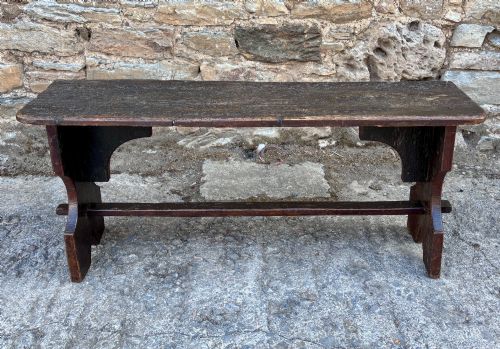
Carpenters built these benches using solid native timbers such as oak, pine, elm, and cherrywood, selecting boards for durability and strength. Joinery typically relies on heavy plank tops secured to shaped trestle ends or sturdy structural frames.
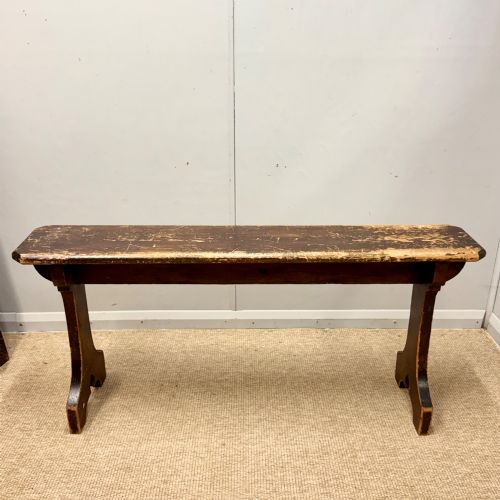
Surfaces display the natural grain of the wood or retain historic painted finishes, bearing the marks of daily use and traditional hand-tool woodworking.
Rustic Trestle Seating Bench Retail Price Guide 2026
Typical asking prices for rustic trestle seating bench among the pieces listed under this phrase on Sellingantiques today, from the lower quarter to the upper quarter. They describe what is for sale here now, not the wider market.
Listings feature solid timber benches spanning the eighteenth, nineteenth, and early twentieth centuries in oak, pine, elm, and cherrywood.
Judging timber quality and proportions
Quality in these benches rests on the integrity of the original timber and the balance of the proportions, particularly the relationship between the heavy top plank and the trestle supports. Dense, mature hardwoods and well-figured grain distinguish the finer examples from utility pieces.
The degree of original surface wear and the retention of historic structural integrity determine the character of each piece, distinguishing domestic furniture from heavy institutional seating.
The Rustic Trestle Seating Bench Glossary
- Trestle
- A structural support consisting of a horizontal beam fixed to two splayed legs, providing stability for long seating forms. This design allows maximum legroom along the length of the bench.
- Refectory
- A term describing long dining furniture traditionally used in communal dining halls and monastic settings. These pieces are built to accommodate multiple diners.
- Joint stool
- An early form of wooden seating constructed with mortise and tenon joints pegged together. They often match the height of early tables and benches.
Rustic Trestle Seating Bench: Frequently Asked Questions
How do I style a rustic bench?
Pair a long timber bench with a refectory or trestle dining table to create a grounded, communal seating arrangement in a kitchen or dining room. The linear form also suits hallways and corridors for practical seating.
Soften the solid wood surface with simple textiles or cushions if used for prolonged seating periods around a dining table.
Are these benches suitable for daily dining?
Solid timber benches constructed from oak, pine, and fruitwoods provide sturdy, dependable seating designed for everyday domestic use. Their substantial frames easily withstand regular daily activity.
Check the height of the bench relative to your dining table to ensure comfortable leg clearance and seating posture.
How do I identify the wood type?
Examine the grain pattern, weight, and colour of the timber exposed across the bench top and trestle ends. Oak and elm present distinct growth rings and heavy weights, while pine offers a softer texture.
Cherrywood and fruitwoods display warmer, reddish-brown tones with fine, even grain structures typical of regional European furniture.
What is a trestle end?
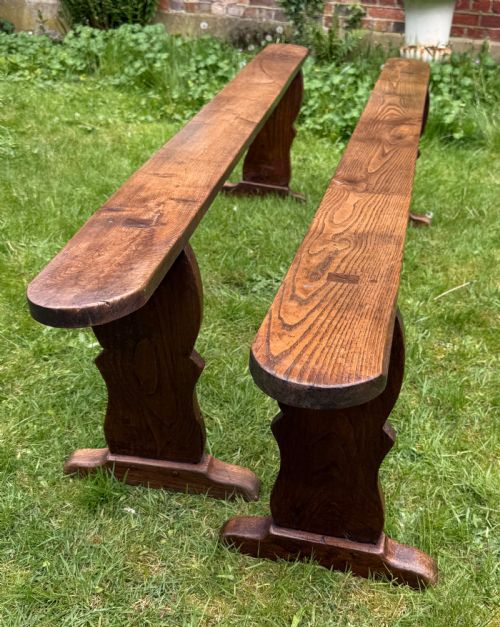
A trestle end is an upright support structure, often shaped or cut from a solid plank, that holds the main seating board aloft. This design distributes weight evenly along the floor.
Shaped trestle ends often indicate the stylistic period and regional origin of the carpentry.