



Oak Plank Bench
An oak plank bench offers honest utility and tactile grain, grounding a room with centuries of straightforward joinery.
Oak Plank Bench
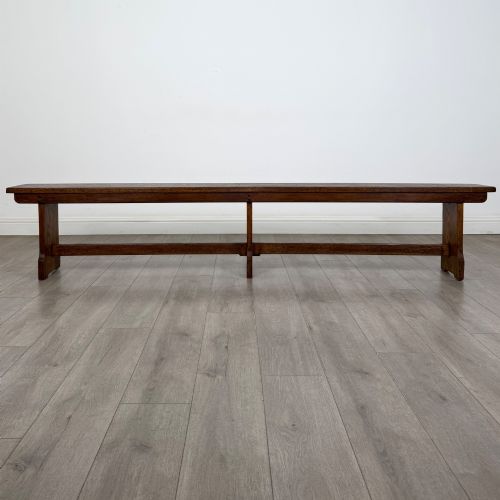
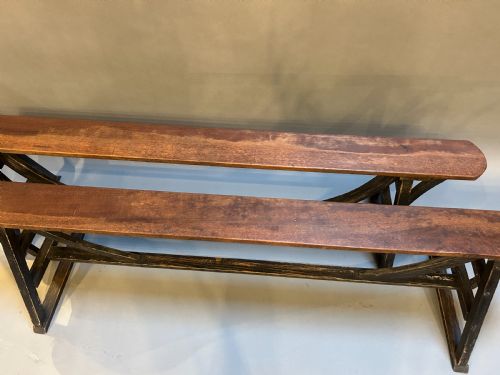
An oak plank bench brings functional seating and simple joinery into a room, drawing on centuries of domestic and tavern traditions. When searching for an oak plank bench, a buyer encounters forms ranging from sturdy 18th-century tavern pieces to lighter Edwardian refectory pairings and rustic 1930s vintage seating.
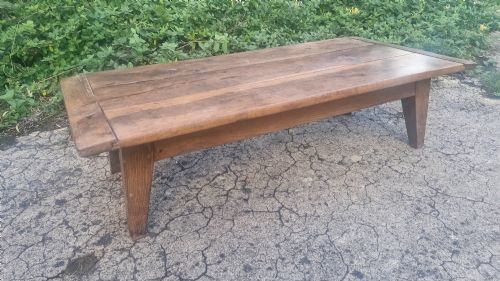
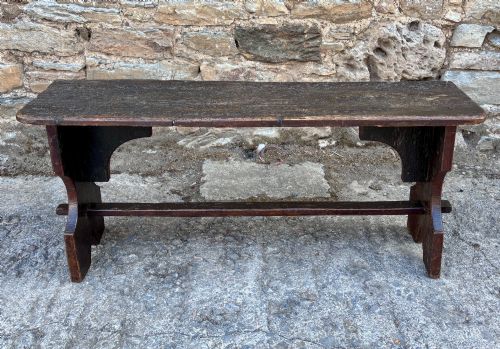
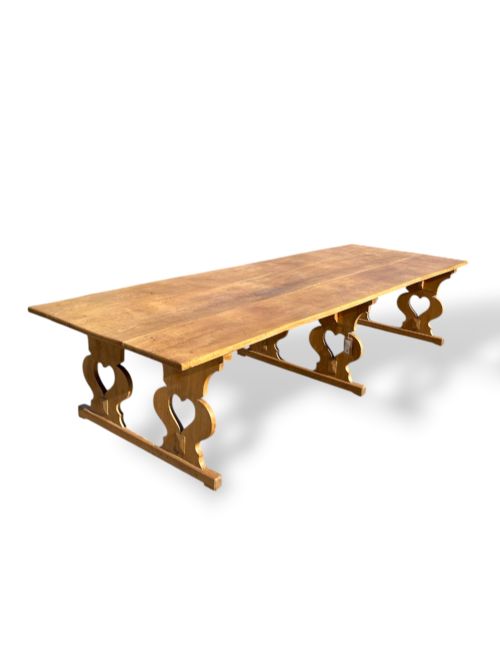
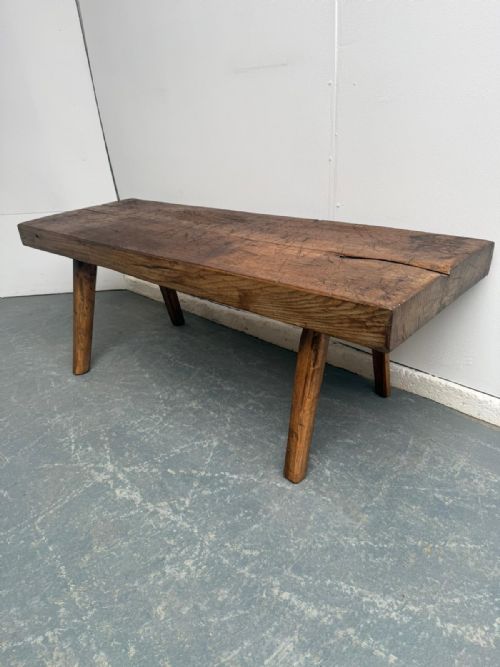
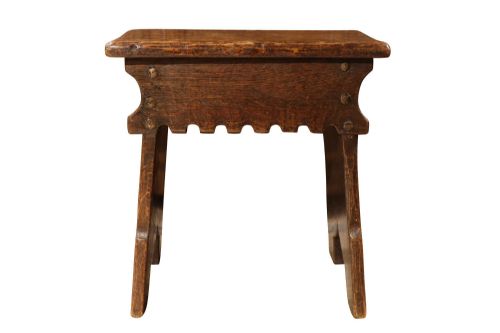
The pieces listed across this page reveal robust vernacular designs, including narrow pig benches, trestle coffee tables, and traditional five-plank stools with pegged construction. These items derive from diverse historical eras spanning the 16th century through to the early 20th century, reflecting long-standing rural and institutional uses.
How they were made
Makers constructed these pieces primarily from English oak, timber, and pine, relying on solid wood planks to form seats and tabletops. Pegged construction secured the joints without complex metal hardware, demonstrating practical carpentry methods suited to heavy daily wear.
Some examples incorporate wrought iron details or retain traces of old paint over softwood components. These material choices reflect both the availability of local timber and the functional demands placed on refectory, hall, and tavern furniture.
Oak Plank Bench Retail Price Guide 2026
Typical asking prices for oak plank bench among the pieces listed under this phrase on Sellingantiques today, from the lower quarter to the upper quarter. They describe what is for sale here now, not the wider market.
Listings span from the 16th century to the 1930s, featuring oak, pine, wrought iron, and paint.
What varies in quality
Quality rests in the integrity of the original timber planks and the honesty of the construction, such as visible pegged joints rather than modern fasteners. Pieces that retain their structural balance and early surface patination hold greater character than those altered or excessively restored over time.
The proportion and weight of the wood also set examples apart, with heavier refectory forms and early 16th-century chests demonstrating denser grain and more substantial joinery. Simpler vernacular pieces derive their appeal from unpretentious proportions and the straightforward execution of traditional forms.
The Oak Plank Bench Glossary
- Pegged construction
- A method of joining wooden components using tight wooden dowels instead of metal nails or modern screws. This traditional technique allows the timber to expand and contract naturally with changes in humidity.
- Refectory table
- A long dining table historically used in monasteries or large halls, frequently accompanied by matching long benches. These heavy forms provide substantial seating capacity.
- Trestle
- A structural support consisting of a horizontal beam fixed to two splayed vertical feet. This design distributes weight evenly and maximises legroom beneath benches and tables.
- Five-plank stool
- A primitive seat constructed from five individual boards joined at right angles to form a box-like or bench-like structure. It represents some of the earliest domestic joinery.
Oak Plank Bench: Frequently Asked Questions
How do I use an oak plank bench today?
These benches fit naturally alongside dining tables, in hallways for putting on shoes, or positioned against a living room wall. Their narrow profiles make them adaptable for spaces where chairs would take up too much floor area.
Historic pieces benefit from placement away from direct heat sources to protect the aged timber and prevent splitting. Simple placement allows the grain and patination to become a natural focal point in a modern room.
How do I tell an 18th-century bench from a 20th-century one?
Examination of the timber grain, tool marks, and construction joints reveals the likely period of manufacture. Earlier pieces often display hand-adzed surfaces, wider single boards, and pegged joinery that reflects older workshop practices.
Later Edwardian or 1930s interpretations tend to feature more uniform milling and standard hardware. Comparing the colour and wear patterns against dated examples helps clarify the age of the wood.
What is a pig bench?
A pig bench is a narrow, utilitarian wooden form historically used in agricultural or butchery contexts. Their slender proportions and robust hardwood construction make them distinctive additions to contemporary interiors.
Today, these narrow benches function well as low display surfaces, hallway perches, or coffee table alternatives. Their industrial utility translates easily into decorative rustic living spaces.
Are these benches sturdy enough for daily seating?
Solid oak and heavy timber construction make these benches fundamentally durable for everyday use. Pegged frames and thick planks are engineered to withstand heavy weight and constant movement over generations.
Routine checks of the underframe and joints ensure the structure remains firm. With sensible weight distribution, historic benches perform reliably as functional seating.