



Pierced Silver Tray Bowl
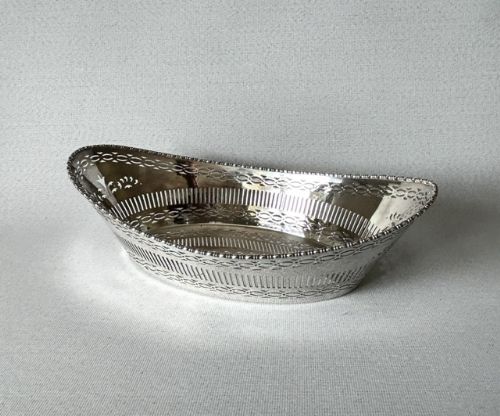
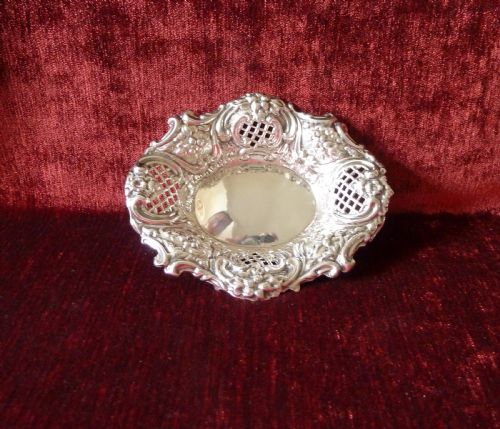
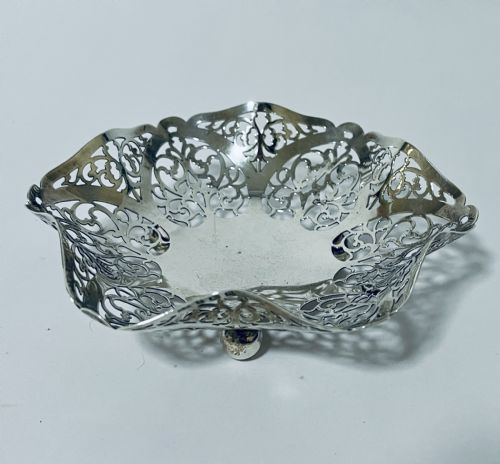
These pierced silver tray bowl pieces combine utility with intricate openwork metal, offering a decorative centrepiece for any table.
Pierced Silver Tray Bowl
A pierced silver tray bowl serves as an ornamental vessel designed for bread, fruit, serving, or small trinkets. When searching for a pierced silver tray bowl, buyers encounter diverse forms ranging from large fruit baskets to small pin dishes.
The selection includes pieces spanning the Victorian and Edwardian eras, alongside George V examples and Chinese export work. Oval serving dishes, bonbon dishes, and baskets dominate the available inventory.
Origins stretch from British assay offices in Birmingham and Sheffield to continental workshops in Vienna and Chinese export silversmiths. These items reflect the domestic dining and dressing table traditions of the nineteenth and early twentieth centuries.
Materials and construction
Silversmiths utilised sterling silver, solid silver, and silver plate, including electroplated nickel silver (EPNS). The metal was shaped into bowls, baskets, and dishes before artisans applied decorative piercing.
Openwork designs were achieved through careful cutting and piercing of the metal sheet, often complemented by chased or embossed borders in styles such as Rococo Revival. Hallmarks stamped into the silver recorded the assay office, standard, and date of manufacture.
Assessing quality and craftsmanship
Quality rests upon the crispness of the piercing and the weight of the metal utilised in the vessel. Superior examples display balanced openwork patterns and firm structural integrity without distortion across the rim.
The clarity of hallmarks and the finesse of any chased details distinguish finer workshop output from standard production. Maker attribution, such as work by established firms, further defines the standing of an individual piece.
Mappin & Webb·Martin Hall
The Pierced Silver Tray Bowl Glossary
- Pierced
- Openwork decoration formed by cutting patterns through the metal sheet. This technique lightens the visual weight of the silver vessel.
- Sterling silver
- A silver alloy containing 92.5 percent pure silver by mass. British items of this standard carry the lion passant hallmark.
- EPNS
- Electroplated nickel silver, a base metal coated with a thin layer of pure silver. This material provided an accessible alternative to solid silver.
- Hallmark
- Official stamps applied to precious metal items to guarantee purity and origin. They typically indicate the maker, standard, and year.
- Bonbon dish
- A small vessel intended for sweets or confectionery. These delicate dishes frequently feature elaborate pierced rims.
Pierced Silver Tray Bowl: Frequently Asked Questions
What were pierced silver bowls used for?
These vessels served various functions in Victorian and Edwardian households, primarily holding bread, fruit, or small confections at the dining table. Smaller versions functioned as pin or trinket dishes on dressing tables.
The openwork design allowed air to circulate around dry foods while providing an ornate decorative display for formal entertaining.
How do I date a silver dish?
Dating relies heavily on the hallmarks stamped directly onto the silver. British pieces feature specific date letters and assay office marks that identify the exact year of testing.
Stylistic cues, such as the exuberant scrolls of Rococo Revival or the simpler Edwardian lines, offer additional clues when hallmarks are rubbed or absent.
What is the difference between silver and EPNS?
Solid silver, including sterling standard, consists of precious metal throughout the entire object. EPNS denotes electroplated nickel silver, where a base metal core receives a surface coating of silver.
Solid pieces carry full hallmarks for metal purity, whereas plated items typically feature maker marks indicating the plating process used.
How should I clean pierced silver?
Cleaning requires a soft cloth and a specialised silver polish designed to lift tarnish without being overly abrasive. The pierced sections demand gentle attention to prevent polish residue from building up in the openwork gaps.
Rinsing with warm water and drying immediately preserves the finish and prevents moisture from lingering in crevices.