


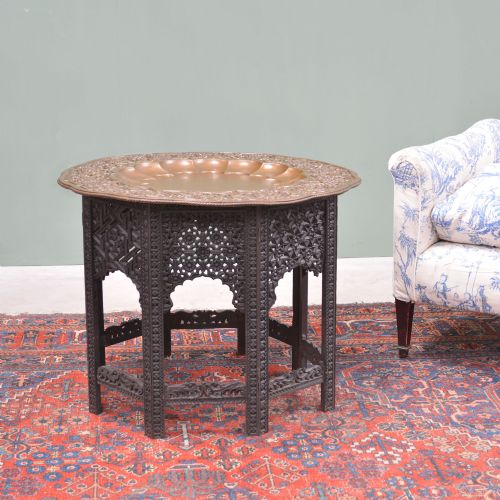
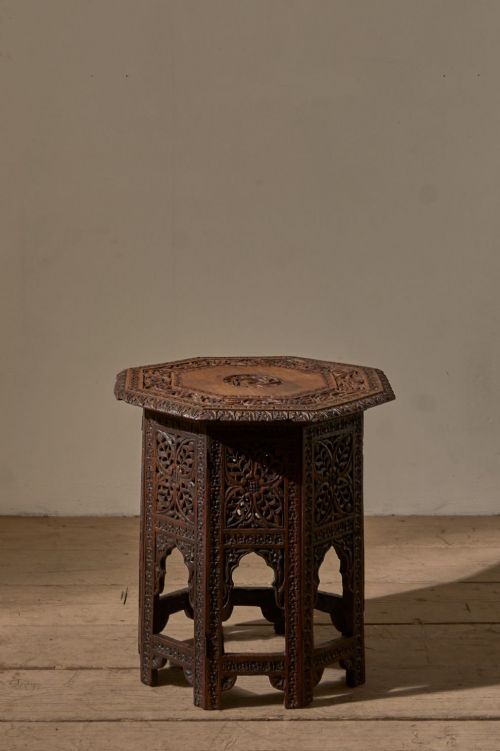
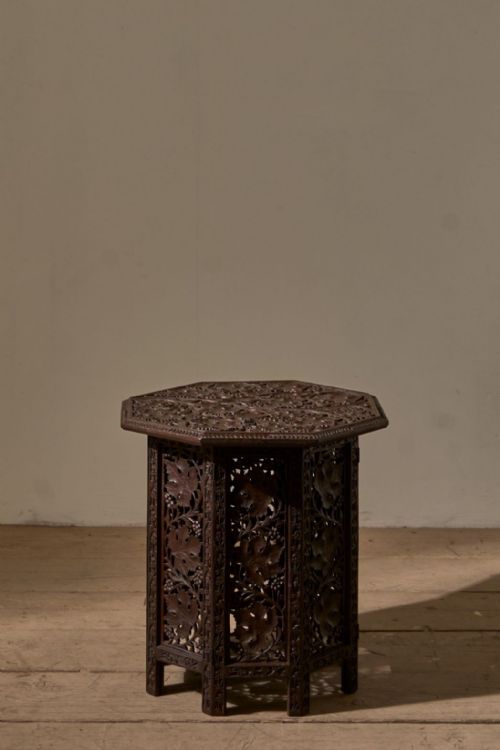
Pierce Carved Occasional Table
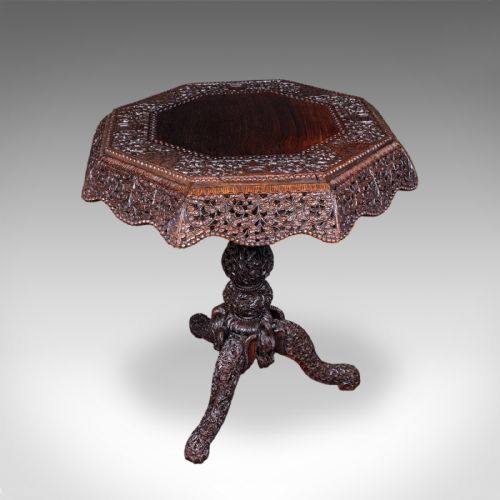
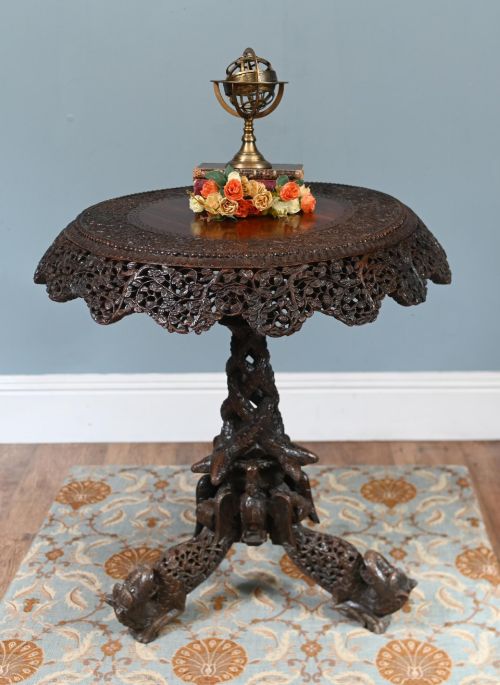
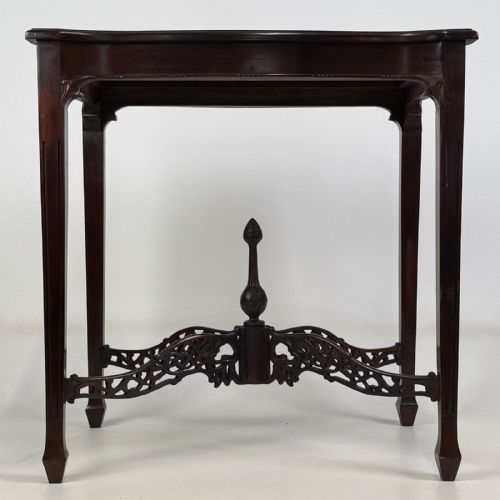
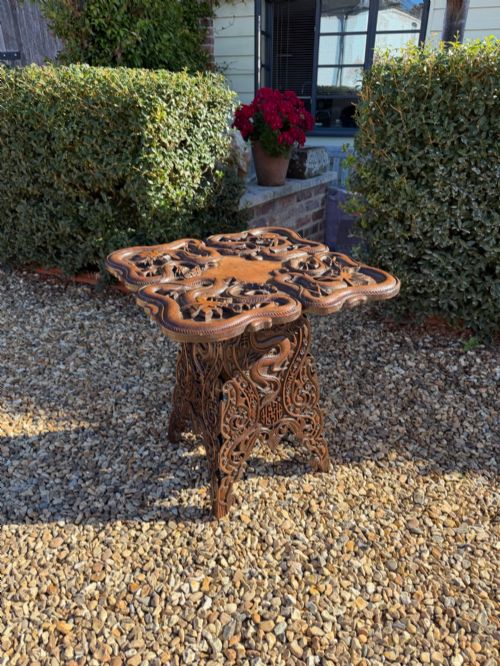
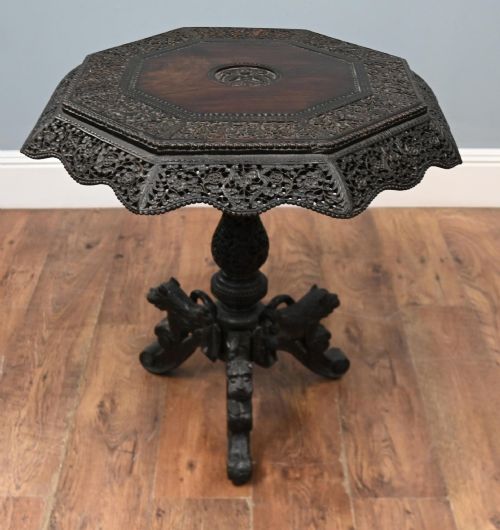
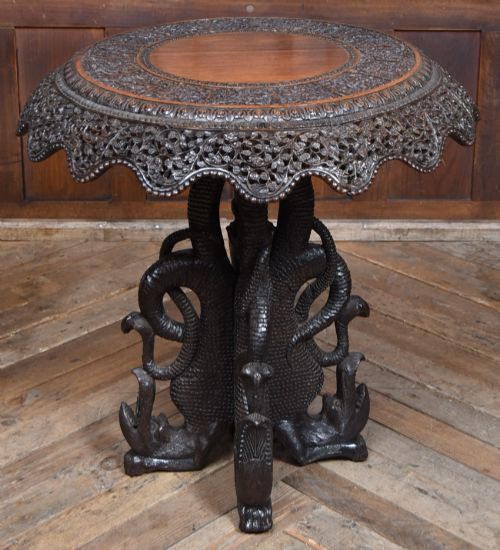
These pierce carved occasional table examples span Victorian, Edwardian and nineteenth-century periods, offering intricate woodwork and folding forms designed for versatile domestic placement.
Pierce Carved Occasional Table
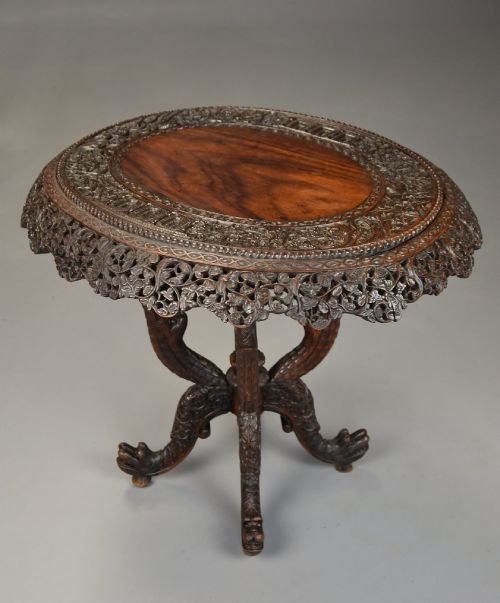
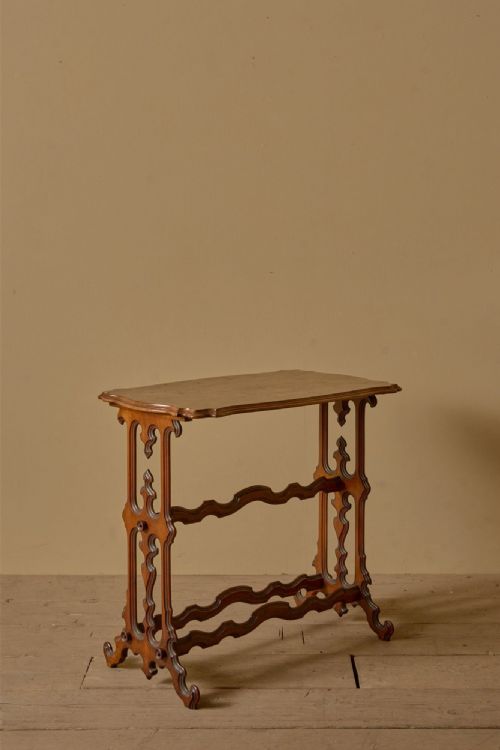
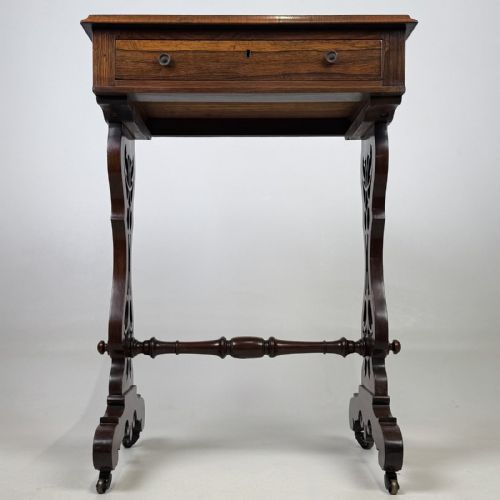
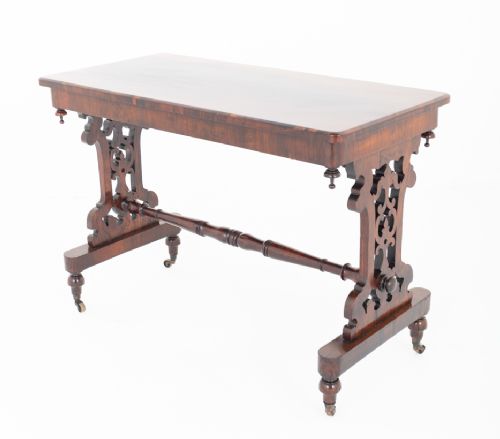
A pierce carved occasional table encompasses various small support surfaces, including side tables, plant stands, tray tables, and wine tables. These pieces emerge predominantly from Victorian and Edwardian periods, stretching back to nineteenth-century production.
Buyers will encounter octagonal surfaces, tray tops, and pedestal bases alongside rectangular formats. Timber varieties like teak, padauk wood, and walnut dominate the construction of these smaller furnishing items.
How they were made
Artisans utilised dense hardwoods such as teak, mahogany, padauk, and elm to build these structures. Pierced carving techniques required precise hand tools to cut entirely through the timber, creating lace-like openwork patterns.
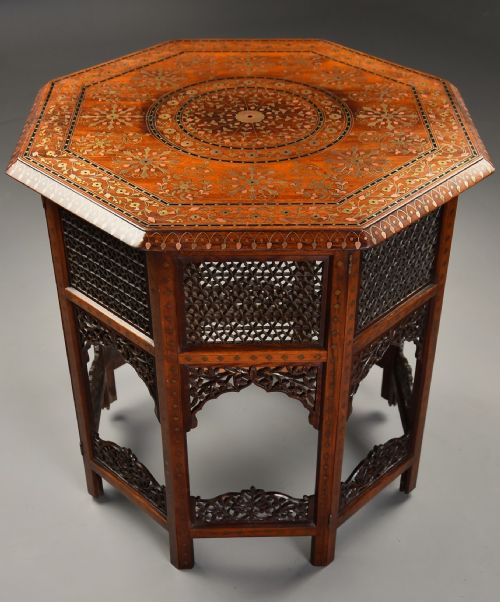
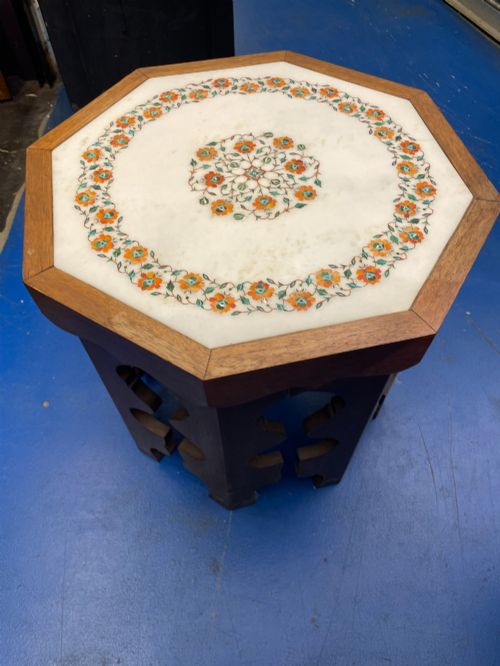
Inlay work forms another notable construction method, incorporating brass and bone details directly into the timber surfaces. Folding mechanisms and campaign frames relied on clever joinery to allow tables to collapse flat for transport.
Pierce Carved Occasional Table Retail Price Guide 2026
Typical asking prices for pierce carved occasional table among the pieces listed under this phrase on Sellingantiques today, from the lower quarter to the upper quarter. They describe what is for sale here now, not the wider market.
Listings feature woods like teak, padauk wood, elm, and burr walnut across nineteenth-century and Edwardian periods.
What varies in quality
Depth and crispness of the hand carving separate standard examples from finer pieces, particularly where pierced fretwork demands intricate negative space. The choice of dense timbers like padauk or figured burr walnut alters the tactile weight and grain appearance.
Integrity of folding hinges and stability in campaign frames dictate practical endurance. Metal or bone inlay precision influences the overall refinement of Anglo-Indian and Hoshiarpur items.
Liberty & Co
The Pierce Carved Occasional Table Glossary
- Anglo-Indian
- Furniture made in India during the British colonial period, often combining traditional eastern carving with western forms. These pieces frequently utilise teak or padauk.
- Hoshiarpur
- A style of woodwork originating from Punjab, characterised by intricate wooden relief and dense inlay of brass or bone. The patterns often incorporate foliage and geometric motifs.
- Campaign table
- Portable furniture designed for easy dismantling or folding for travel by military officers. They utilise hinged legs and collapsible tray tops.
- Fretwork
- Ornamental design created by cutting patterns through thin wood using a piercing technique. This leaves delicate openwork patterns across panels and table rims.
- Tip-top table
- A small occasional table featuring a hinged top that pivots vertically for storage against a wall. They rest on pillar and tripod bases.
Pierce Carved Occasional Table: Frequently Asked Questions
What is a pierce carved occasional table?
A pierce carved occasional table is a small decorative stand featuring intricate openwork patterns cut directly through the timber. These items function as side tables, plant stands, or coffee surfaces.
Most examples derive from nineteenth-century Anglo-Indian or Burmese workshops, utilising dense hardwoods like teak and padauk. Their compact sizes allow for flexible placement throughout modern domestic spaces.
How do you fold a campaign table?
Campaign tables use hinged frames or detachable X-form bases that collapse flat for easy storage and transport. The top surface often lifts off or folds down upon the support structure.
Careful handling of the original brass hinges ensures the folding mechanism operates smoothly without straining the surrounding timber joinery.
Where were Hoshiarpur tables made?
Hoshiarpur tables originated in the Punjab region of India during the colonial era, specifically around the town of Hoshiarpur. Local artisans became renowned for intricate wood carving and meticulous inlay work.
These pieces typically feature dense geometric or floral patterns executed in walnut or shisham wood, often enhanced with brass or bone wire.
How do I care for carved wood?
Carved wooden surfaces require regular dusting with a soft brush to reach into the recesses of the pierce work. Avoid harsh chemical polishes that can build up within the carved channels.
Keep these tables away from direct heat sources and strong sunlight to prevent the dense hardwoods from drying out or splitting over time.