






Teak Carved Pedestal Table
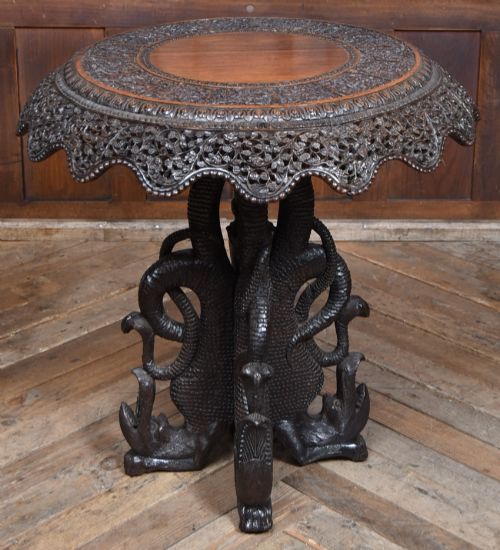
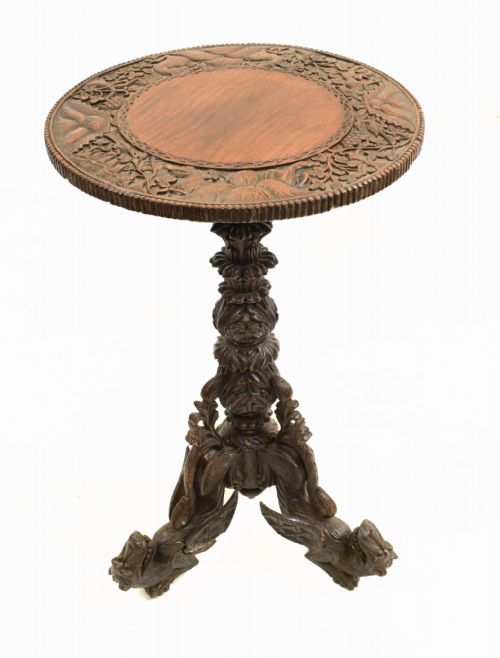
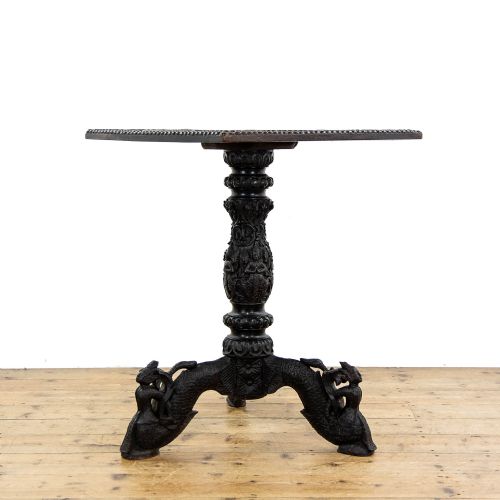
These teak carved pedestal table examples bring deep colonial craftsmanship into a room, offering robust support and intricate relief work.
Teak Carved Pedestal Table
When you search for a teak carved pedestal table, you encounter diverse forms originating from nineteenth-century British colonial regions including Burma, India, and Chinese export centres.
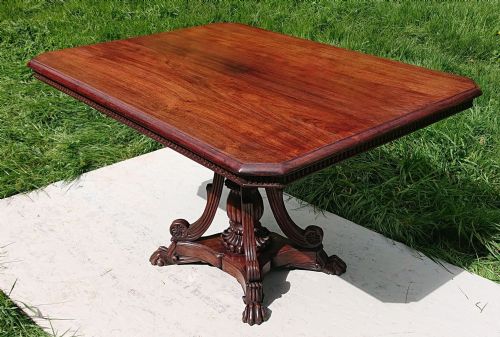
The selections on this page span side tables, tilt-top occasional pieces, centre tables, and plant stands, reflecting the global reach of nineteenth-century trade and production.
You are most likely to meet round or shield-shaped occasional tables supported by a central pillar, often heavily decorated with deep plant or animal motifs.
Materials and carving techniques
The primary timber is dense teak, alongside padouk, rosewood, and general hardwood, providing a heavy and durable foundation for intricate hand work.
Artisans utilised deep relief carving techniques to pattern surfaces with dense foliage, figures, and geometric borders, sometimes incorporating bone or marble insets.
Joinery methods join solid timber pedestals to circular or shaped tops, frequently employing tilt mechanisms with brass catches on nineteenth-century examples.
The listings show periods spanning the nineteenth century up to nineteen-twenty, utilising teak, padouk, rosewood, bone, and marble.
Judging the quality of carving and timber
Quality rests in the crispness and depth of the hand carving, where sharper undercutting and defined details distinguish superior workshops from simpler production.
The choice and stability of the hardwood timber matter greatly, with rich grain patterns and solid structural integrity elevating certain regional pieces above others.
The Teak Carved Pedestal Table Glossary
- Tilt top
- A table top hinged to the pedestal so it can be stored flat against a wall when not in use. This mechanism often uses a wooden catch or brass latch.
- Pedestal table
- A table supported by a single central column resting on feet or a platform base. They provide clear legroom around the perimeter.
- Anglo-Indian
- Furniture made in India during the British colonial period, combining European forms with local artisan carving styles. These pieces often utilise native hardwoods.
- Padouk
- A heavy, durable tropical hardwood with a reddish hue used in nineteenth-century cabinet making. It takes a fine finish under hand polish.
Teak Carved Pedestal Table: Frequently Asked Questions
How were pedestal tables used originally?
These tables served various domestic functions such as holding lamps, displaying decorative items, or acting as tea and wine stands in colonial drawing rooms.
Their movable nature allowed servants to reposition them easily within large entertaining spaces as household needs shifted throughout the day.
How do I care for teak furniture?
Maintain the timber by dusting regularly with a dry cloth and avoiding placement near direct heat sources that might dry out the wood.
Occasional application of appropriate natural wax preserves the rich tone of the hardwood without building up heavy chemical layers.
What is an Anglo-Indian table?
Anglo-Indian pieces combine traditional British furniture forms like the occasional or centre table with intricate native carving traditions from regions like Bombay and the north.
Local workshops executed European functional designs using dense regional timbers decorated with deep relief motifs.
How can I tell the period?
Dating relies on examining the joinery methods, timber species, hardware types, and the specific style of regional carving recorded across the nineteenth century.
Earlier examples often feature heavier padouk or teak construction with hand-forged fittings, while later pieces shift towards lighter formats into the early twentieth century.