


Burmese Carved Wine Table
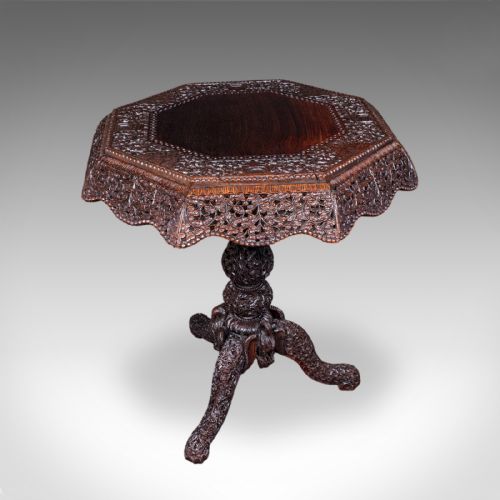
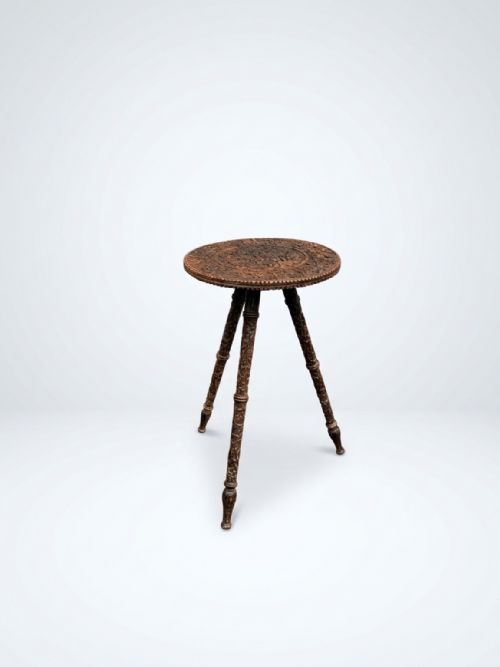
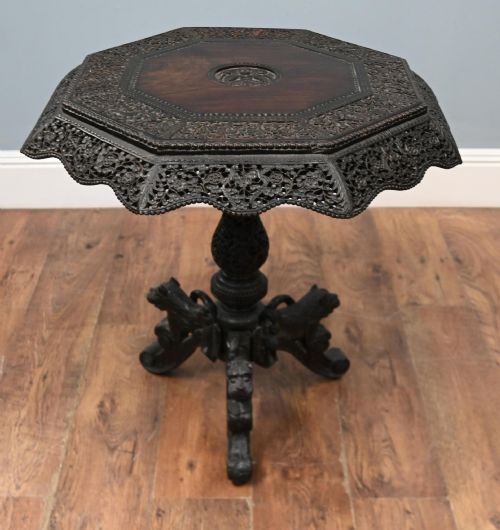
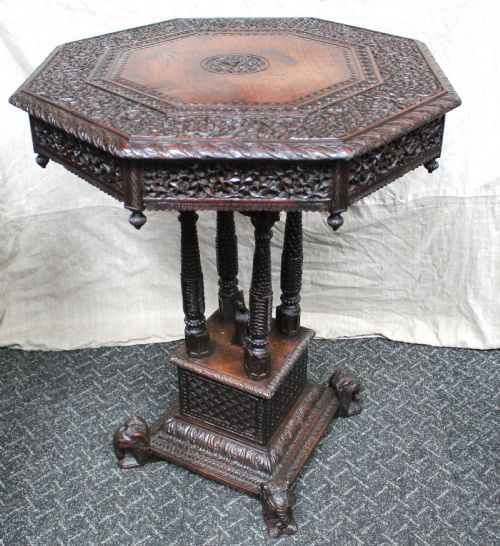
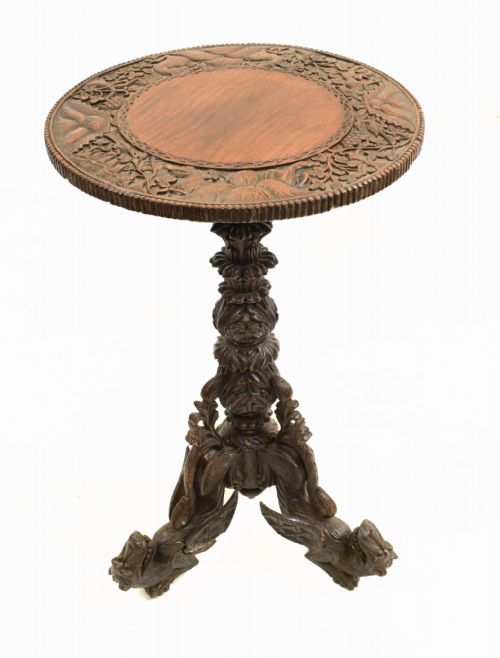
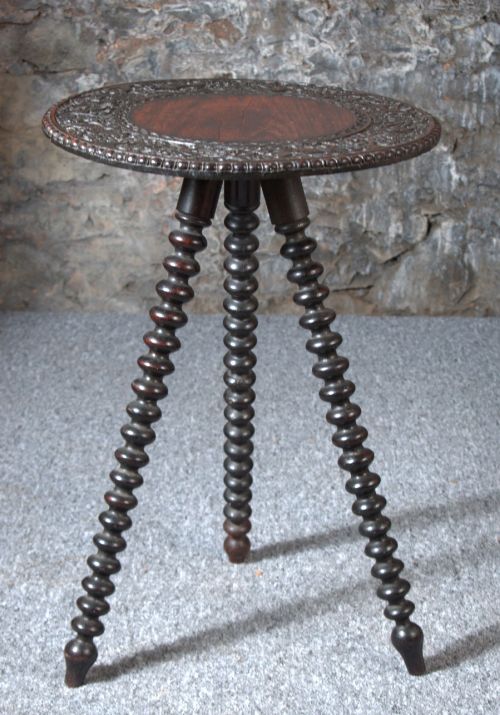
A burmese carved wine table brings dense colonial craftsmanship and rich timber into a room, offering a sturdy surface with deep relief work.
Burmese Carved Wine Table
A burmese carved wine table sits among side tables and occasional tables produced in the nineteenth century, including dates such as 1840, 1870, 1880, and 1890. These pieces often feature tip-top tops or round surfaces designed for display and convenience in period interiors.
Most examples appearing in trade belong to the Anglo-Burmese and Anglo-Indian colonial styles, reflecting the aesthetic exchange of the nineteenth century. Buyers encounter forms described simply as side tables, occasional tables, or round tables originating from Burma and Myanmar.
The construction relies heavily on nineteenth-century manufacturing traditions, spanning decades from 1840 through the 1890s. Every piece shares a distinct heritage of carved ornamentation applied to compact furniture designed for everyday domestic use.
How They Were Made
Cabinet makers utilised dense timbers including teak, padouk, and general hardwood to construct these tables. These heavy woods provided the stable foundation necessary for deep, intricate carving without compromising the structural integrity of the small frame.
Artisans applied heavy carving techniques directly to the wooden surfaces, producing high-relief decoration across the tops and supports. This sculptural approach required skilled hand work to shape the timber and define the motifs characteristic of the period.
Several tables feature a tip-top mechanism designed so the heavy wooden surface could fold flat against the wall, saving precious floor space.
What Varies in Quality
The depth and clarity of the carving separate standard examples from finer pieces within this group. Crisp execution in the hardwood reveals the hand of a more accomplished artisan, whereas shallower work lacks the same three-dimensional presence.
Choice of timber also marks the distinction, with select pieces utilising figured padouk or dense teak that takes a superior finish. The selection of superior materials enhances the longevity and visual weight of the occasional table.
The Burmese Carved Wine Table Glossary
- Tip-top
- A table top hinged to tilt vertically when not in use. This mechanism allowed furniture to save space against a wall in nineteenth-century rooms.
- Padouk
- A heavy, durable tropical hardwood prized for its reddish-brown colour. Cabinet makers utilised this timber for items requiring strength and fine detail.
- Anglo-Burmese
- A design style combining traditional Burmese carving motifs with British furniture forms. Such pieces date predominantly from the nineteenth century.
- Occasional table
- A small, movable table intended for specific, intermittent use rather than a fixed dining or writing purpose. These forms dominate this category of nineteenth-century furniture.
Burmese Carved Wine Table: Frequently Asked Questions
How were these tables used originally?
In nineteenth-century homes, these small surfaces functioned as movable furniture for holding drinks, books, or decorative objects. Their portable size made them easy to relocate between rooms as needed.
Some variants include tip-top mechanisms, allowing the surface to tilt upward so the table could rest flat against a wall when not in active service.
What woods do makers use?
Artisans constructed these tables from sturdy tropical timbers available in the region, predominantly teak, padouk, and general dense hardwood. These materials provided the necessary weight and strength.
The heavy nature of these woods supported the deep, elaborate carving characteristic of nineteenth-century Anglo-Burmese and Anglo-Indian production.
How do I date a carved table?
Dating relies on recorded production eras, stylistic markers, and construction methods associated with the nineteenth century. Listings commonly reference specific decades such as 1840, 1870, 1880, and 1890.
Examining the timber type, carving depth, and joinery helps place a specific side table or occasional table within its historical nineteenth-century window.