




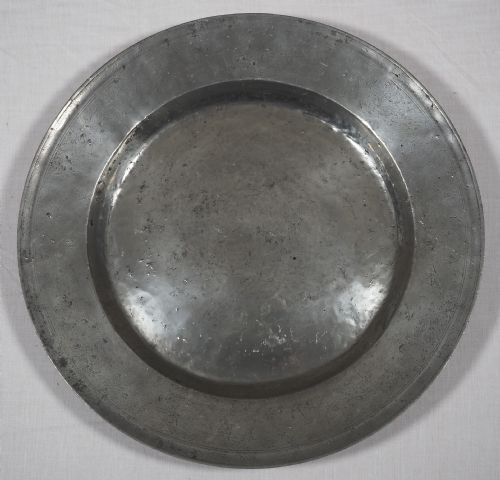


Pewter Serving Plate
A pewter serving plate carries the quiet weight of centuries, offering broad metallic surfaces that ground a traditional dining table.
Pewter Serving Plate
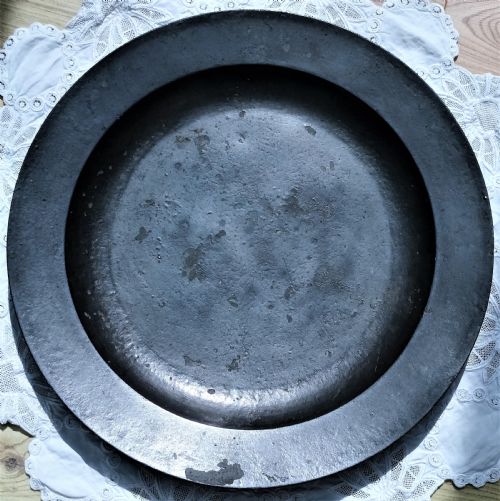
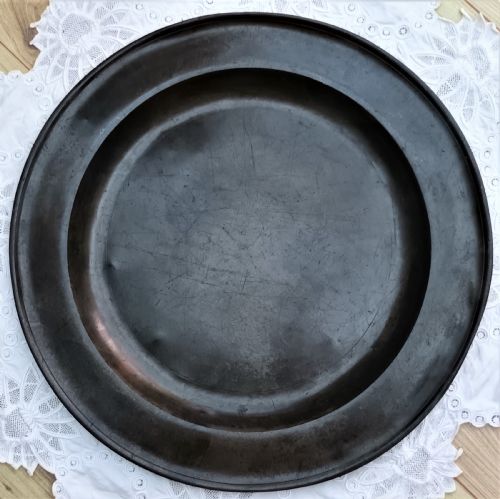
When searching for a pewter serving plate, buyers encounter substantial domestic vessels designed for communal dining or display, spanning the seventeenth and eighteenth centuries. These pieces appear most frequently as broad rim chargers, dishes, and platters originating from English workshops.
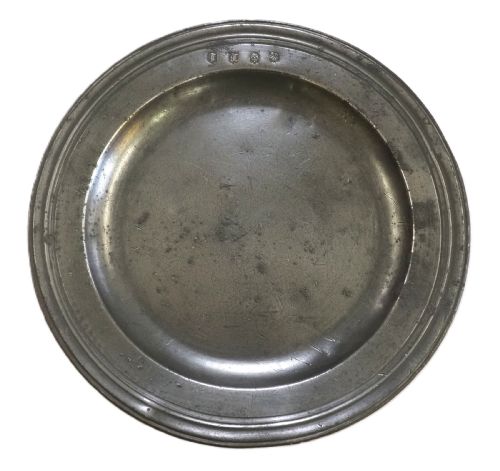
The selection ranges from massive Charles II and William & Mary broad rim chargers measuring over twenty inches down to standard Georgian plates and dishes. Plain rims, triple reeded edges, and multiple reeded profiles dominate the forms found on this page.
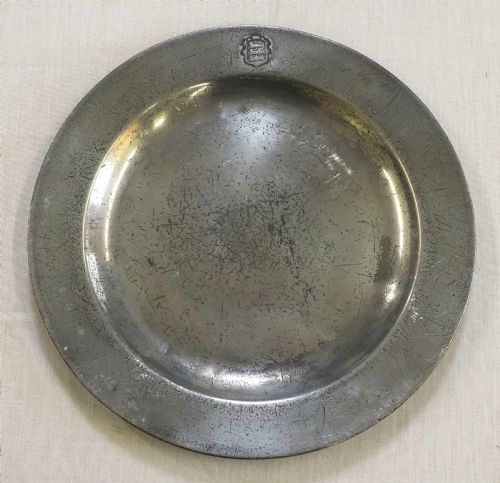
Many examples display distinct marks, coats of arms, or hammered surfaces that connect them directly to historic English households and known makers. Their presence brings an authentic tactile antiquity to modern interiors without relying on fragile ceramics.
What varies in quality
Quality rests heavily upon the crispness of the reeding, the depth of the hammering, and the clarity of any maker touchmarks remaining on the broad rim. Plates that retain their original scale and heavy gauge metal show superior craftsmanship.
Surface preservation also dictates distinction, as pieces retaining their subtle historical tool marks and unpolished patinas command greater attention from collectors of early English metalwork.
Pewter Serving Plate Retail Price Guide 2026
Typical asking prices for pewter serving plate among the pieces listed under this phrase on Sellingantiques today, from the lower quarter to the upper quarter. They describe what is for sale here now, not the wider market.
John Duncomb·Samuel Smith·Wood & Michell·John Tubb·Thomas Alderson·Thomas Haward·Thomas Powell·Edward Leapidge I·Nehemiah Cloudesley·John Barlow·S Duncomb
The Pewter Serving Plate Glossary
- Charger
- A large circular plate or dish used historically for serving food or as a base beneath smaller courses. They often measure well over sixteen inches across.
- Broad rim
- A wide flat border framing the central well of a dish, typical of seventeenth century examples. This generous space frequently displays maker marks or engraved coats of arms.
- Reeded
- A decorative moulding consisting of parallel raised bands running along the rim of a plate. Variations include triple reeded and multiple reeded styles.
- Touchmark
- A stamp impressed by a pewterer into the metal to certify standard alloy composition and workshop origin. These marks assist greatly in dating individual pieces.
- Platter
- A large flat serving vessel designed for presenting meats or communal dishes at table. They share similar construction methods with chargers and large plates.
Pewter Serving Plate: Frequently Asked Questions
How do I date an old pewter plate?
Dating relies heavily upon stylistic clues such as rim width, reeding patterns, and touchmarks struck into the metal. Seventeenth century examples often feature broad rims and hammered surfaces, while Georgian pieces tend toward simpler plain rims.
Maker touchmarks provide a precise method for establishing chronology by cross-referencing recorded silversmith and pewterer registers. Comparing the overall weight, diameter, and edge profile against known historical examples clarifies the period.
Can I use antique pewter for serving food?
Historical pewter plates contain varying trace compositions that make modern culinary use inadvisable for acidic or wet foods. Most collectors prefer to utilise these pieces strictly for decorative display or dry presentation.
Maintaining the historic surface patina requires keeping the metal clean and dry without aggressive chemical polishing. Gentle dusting preserves the soft grey sheen acquired over centuries.
What is the difference between a charger and a plate?
Chargers are significantly larger circular vessels, often measuring from sixteen up to twenty-three inches in diameter, designed to hold multiple dishes or anchor a table setting. Standard plates are smaller and intended for individual portions.
Both forms utilise the same pewter alloy and manufacturing techniques, but chargers typically display more elaborate broad rims and hammering due to their prominent role in domestic display.
Why do some pewter plates have hammered surfaces?
Hammering was employed by seventeenth and eighteenth century artisans to harden the soft pewter alloy and shape the flat metal sheet. This manual process increased the rigidity of large chargers.
All over hammering leaves subtle aesthetic textures that collectors value as evidence of hand production. These tool marks distinguish early English country house pieces from later mass manufactured wares.