



Pewter Metal Plate
Pewter metal plate encompasses centuries of domestic service and decorative metalwork, offering collectors deep tactile connections to historic domestic life.
Materials and Techniques
Traditional pieces rely on pewter, an alloy primarily of tin combined with lead, copper, or antimony to provide structural stability. Metalworkers cast these plates in moulds before hammering the surfaces to increase density and rigidity.
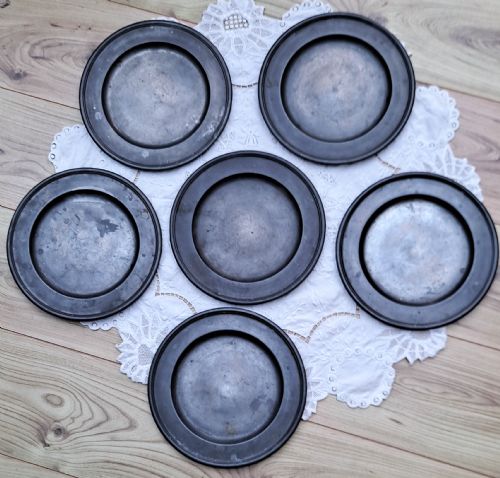
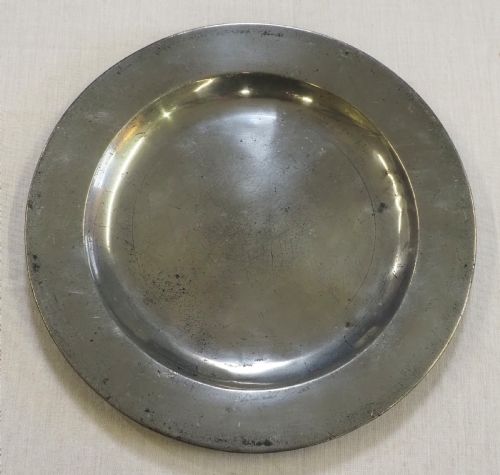
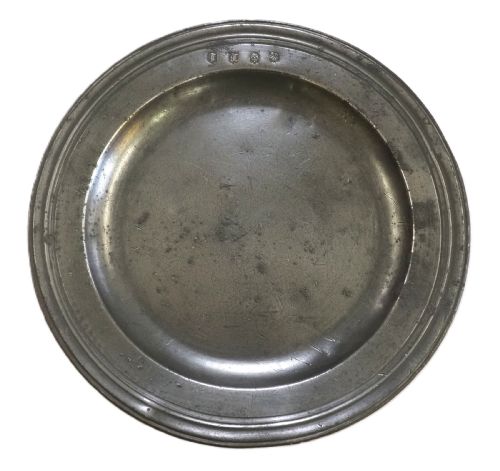
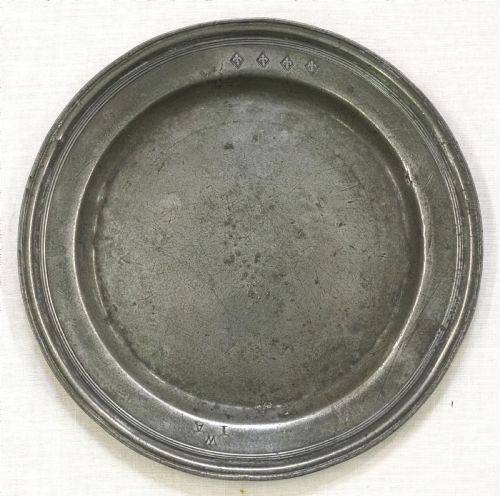
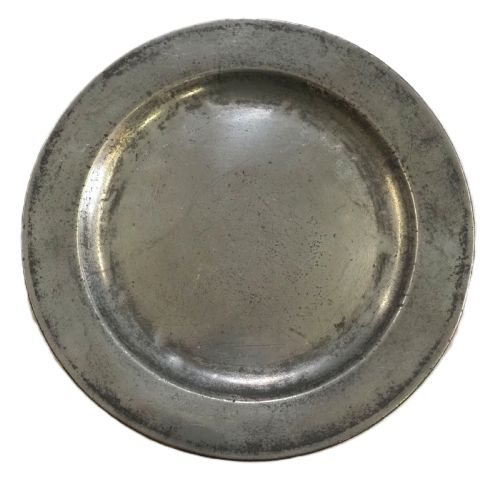
Edges and rims received specific treatments, including plain rims, triple reeding, multiple reeding, or incised and wavy edge designs. Later periods introduced electroplating techniques, applying silver onto base metals or utilising Britannia metal for decorative items.
Assessing Quality
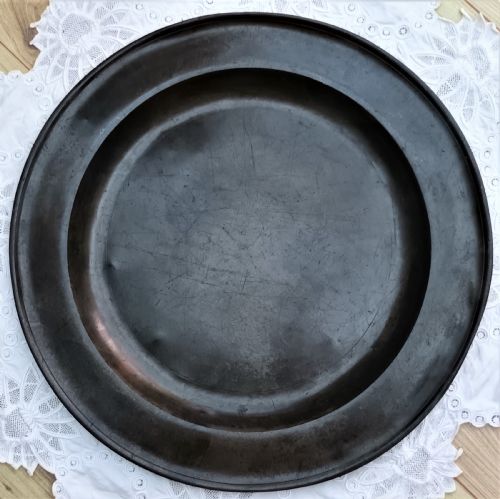
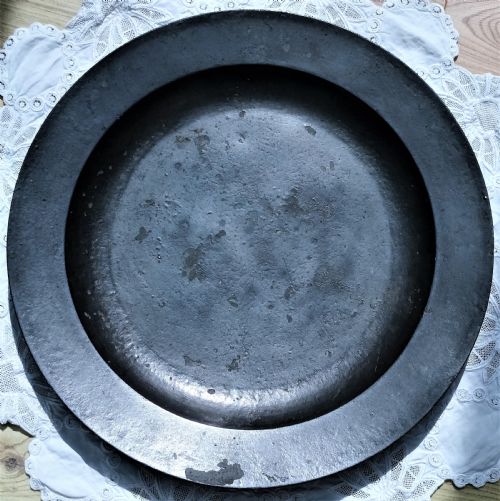
Superior quality in early examples shows through crisp touchmarks, heavy gauge metal, and skilled hammer work across the surface. Broad rim chargers with clear maker stamps and heraldic engravings command greater attention than heavily worn or later recast versions.
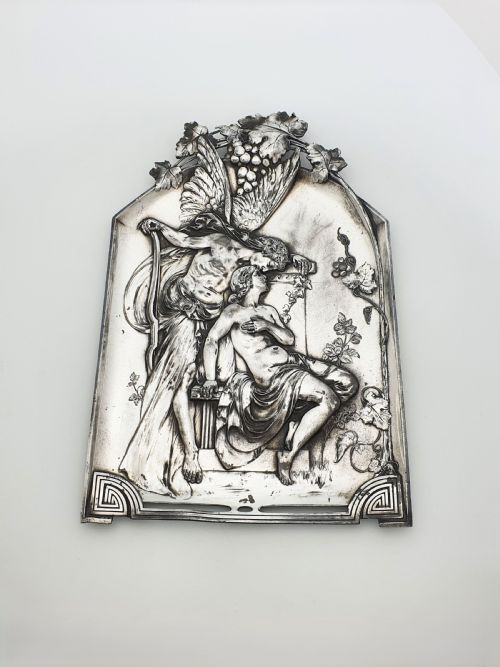
Design complexity separates utilitarian dining pieces from later decorative items like Art Nouveau wall plaques or figural trays. Preservation of the original surface finish, clear touchmarks, and structural integrity determine the standing of individual pieces.
Materials represented include traditional pewter, Old Sheffield Plate, copper, Britannia metal, and glass combinations.
John Duncomb·William Wright·Samuel Smith·T and H Compton·Richard King·John Tubb·Robert Moulins II·Humphrey Evans II·Thomas Alderson·Thomas Templeman·Lawrence Dyer·Thomas Haward·Thomas Powell·Edward Leapidge I·Nehemiah Cloudesley·John Barlow·S Duncomb·Yates Birch and Spooner·William Box·John Hulls
The Pewter Metal Plate Glossary
- Charger
- A large ornamental or serving dish typically measuring over sixteen inches in diameter. These substantial pieces usually hung on walls or served grand dining functions.
- Touchmark
- A small stamp or maker's mark impressed into pewter by the craftsman or guild. These marks identify the maker and often indicate the quality standard of the alloy.
- Reeding
- Parallel raised rings or mouldings encircling the rim of a plate. Craftsmen executed single, triple, or multiple reeded variations to decorate and strengthen the edge.
- Britannia metal
- A specific tin-based alloy introduced in the late eighteenth century. It served as a brighter, harder alternative to traditional pewter for holloware and decorative metalwork.
- Old Sheffield plate
- A composite material formed by fusing a thin sheet of silver to a thicker copper base. Makers utilised this technique for tankards and tableware before the invention of electroplating.
Pewter Metal Plate: Frequently Asked Questions
How do I date an antique pewter plate?
Examining the rim style, weight, and maker touchmarks provides the primary clues for dating. Broad rims and hammer marks typically point to seventeenth-century manufacture, while plain narrower rims often suggest eighteenth or nineteenth-century origins.
Comparing touchmarks against historical pewterers' records helps narrow down the active working dates of the smith. The thickness of the metal and the presence of family crests or touchmarks offer further chronological markers.
Were pewter plates used for daily dining?
Early pewter plates served as standard tableware for wealthy households and institutions before ceramic alternatives became widespread. Large chargers functioned mainly as serving platters or display pieces on sideboards.
Over time, wear patterns from cutlery reveal how domestic habits shifted from heavy daily use to decorative display. Plain rim dining plates show more surface scratching from food service compared to wall-hung chargers.
How should I clean antique pewter?
Antique pewter requires minimal intervention to preserve its historic surface oxidation and dull grey patina. Washing with mild soap and warm water removes surface dirt without harming the metal.
Harsh metal polishes and abrasive pads strip away age and diminish the value of early pieces. Gentle drying with a soft cloth prevents moisture spots after cleaning.
What is a touchmark on pewter?
A touchmark is an official stamp pressed into the metal by the maker to denote conformity to guild standards. These small punch marks often include initials, symbols, or town names.
Guild regulations required makers to register their touchmarks at local halls to maintain quality control. Finding a clear touchmark allows collectors to trace the workshop and active dates of the smith.