
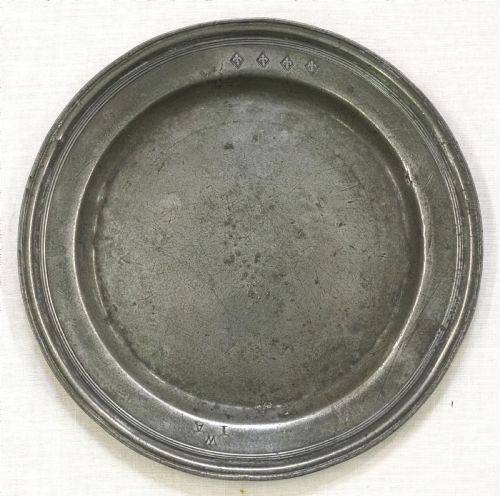


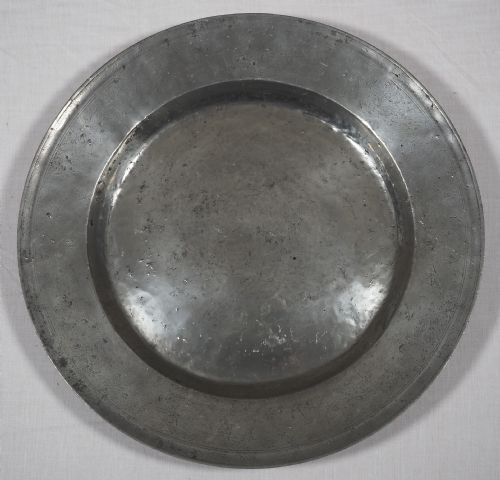


Pewter Broad Rim Platter
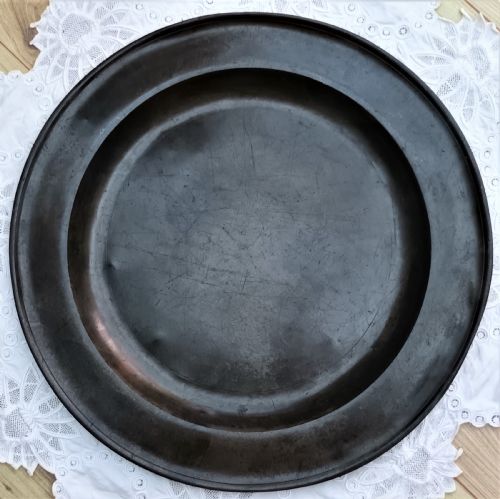
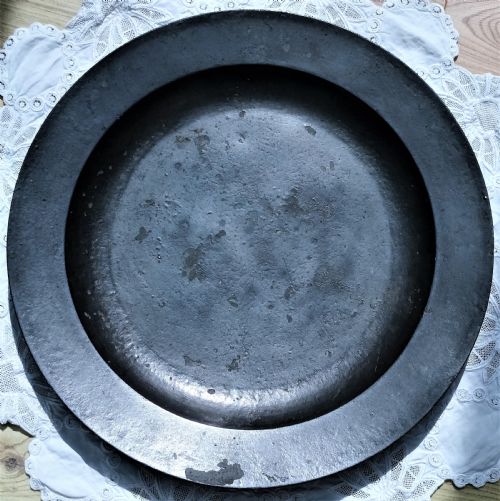
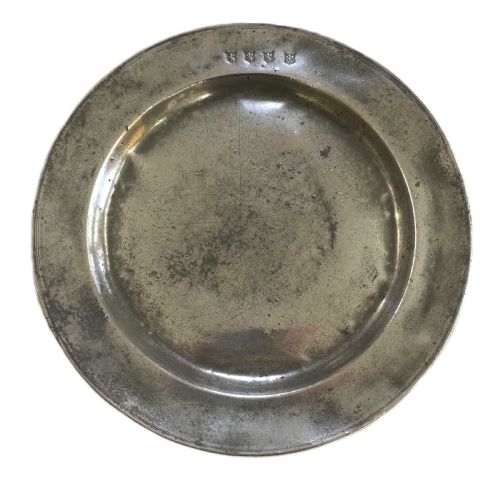
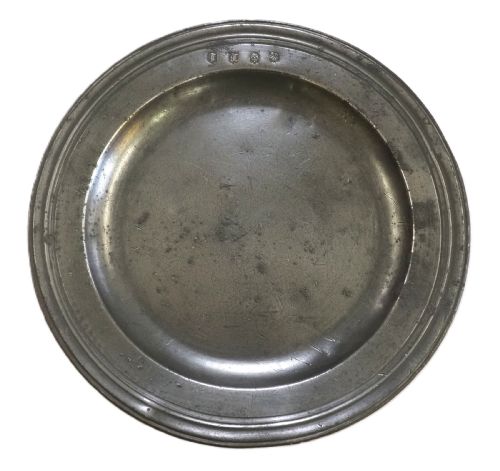
These pewter broad rim platter examples are heavy metal tableware pieces that anchor a historic dining setting with understated gravity.
Pewter Broad Rim Platter
A pewter broad rim platter is a substantial metallic serving dish defined by its wide, flat rim and shallow basin, designed for formal dining and display in seventeenth and eighteenth-century households.
The pieces on this page span from the Charles II and Stuart periods through the William and Mary era and into Georgian times, showing how these heavy serving dishes evolved from plain utility into status objects.
You will encounter large chargers alongside smaller plates and dishes, featuring various rim treatments such as triple reeded edges, incised lines, and heraldic family crests.
Materials and Craftsmanship
These items are forged from pewter, an alloy primarily composed of tin with additions of lead, copper, or bismuth to provide durability and a soft lustre.
Makers shaped the metal by casting and hammering the surfaces extensively, leaving visible hammer marks that record the physical labour of the workshop.
The listings on this page span the seventeenth century, the year 1700, and the eighteenth century, all rendered entirely in pewter.
Factors That Distinguish Quality
Quality rests upon the weight of the metal, the crispness of the reeding or incised rim details, and the overall integrity of the broad rim surface.
Early examples bearing touchmarks from identified makers or original family crests represent the higher end of the range found among seventeenth and eighteenth-century survivals.
John Duncomb·Samuel Smith·John Trapp II·John Tubb·Robert Moulins II·Lawrence Dyer·Thomas Haward·Thomas Powell·Edward Leapidge I
The Pewter Broad Rim Platter Glossary
- Broad rim
- A wide, flat border surrounding the central well of a dish or charger. This expanse provides a frame for the food served or a space for engraved crests.
- Touchmark
- An official stamp pressed into the metal by the maker or workshop. It serves as a signature of origin and quality control.
- Reeded
- A decorative moulding consisting of parallel raised bands on the rim. Triple reeded borders appear frequently on late seventeenth-century examples.
- Charger
- A large decorative or serving plate used on formal dining tables. They often measure twenty inches or more across.
- Incised rim
- A surface decorated with fine lines cut directly into the metal rather than cast in relief. These cuts form geometric or linear patterns.
Pewter Broad Rim Platter: Frequently Asked Questions
What is a pewter broad rim platter used for?
These large metal dishes served as platters for meat or as charger plates beneath other course vessels on formal dining tables during the seventeenth and eighteenth centuries.
In modern settings, they function effectively as decorative wall plates or centrepieces on wooden tables.
How do I identify a Charles II period platter?
Charles II era pieces typically feature exceptionally wide rims and heavy construction dating from the mid to late seventeenth century. Maker touchmarks and family crests often help narrow down the specific decade of manufacture.
The presence of extensive all-over hammering also points toward these earlier Stuart and William and Mary production methods.
Are these platters safe for serving food?
While historic pewter contains lead and other metals that modern food safety standards discourage for daily dining, these antique surfaces suit display and decorative use.
Cleaning should remain gentle to preserve the aged surface and original touchmarks.
What does a touchmark tell a buyer?
A touchmark identifies the specific maker or workshop responsible for casting the pewter, linking the object to recorded London or provincial pewterers.
Referencing these stamps against historical touchmark registers clarifies the date and origin of the piece.