
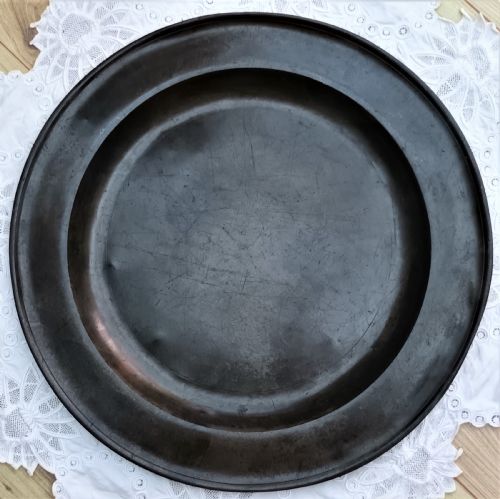
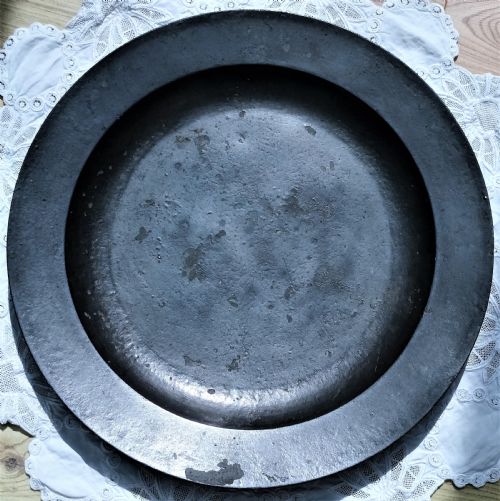
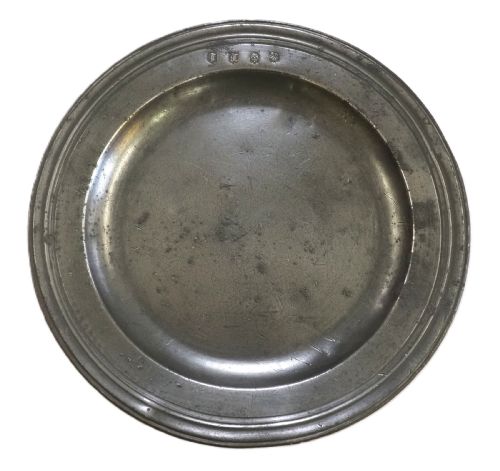


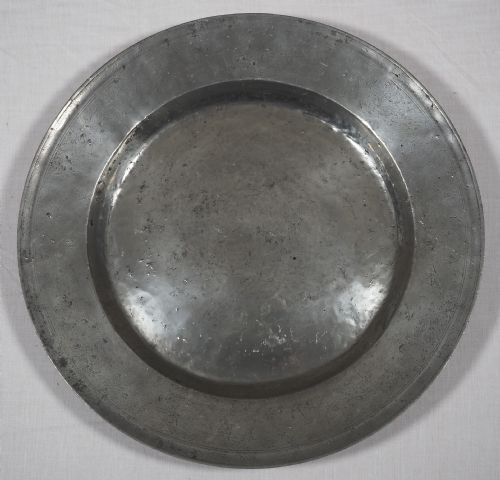


Grey Metal Serving Platter
A grey metal serving platter brings a heavy, tactile historic presence to the table, forged from time-tested alloys.
Grey Metal Serving Platter
The selection ranges from plain rim dishes to massive hammered chargers measuring over twenty inches across. These substantial pieces served practical dining functions in English country houses before transitioning into decorative display objects.
Materials and construction
Every piece recorded in this selection is cast and shaped from pewter, a durable grey metal alloy composed mainly of tin combined with lead, copper or antimony. Makers hammered the metal plates all over to harden the alloy and achieve a resilient, flat surface for daily use.
Details such as triple reeded edges, multiple reedings and incised rims were shaped directly into the broad rims by skilled metalworkers. Craftsmen utilised touchmarks and hallmarks stamped into the metal to record their guild standards and workshop identity.
An eighteenth century pewterer hammered their platters all over so thoroughly that the metal remembers every strike centuries later.
Quality variations
The standard of a grey metal serving platter rests upon the weight of the metal, the crispness of the reeded border details and the preservation of the original maker touchmarks. Heavier castings with extensive hand hammering command greater respect among collectors due to the sheer skill required to form large sheets.
Proportion and surface integrity dictate desirability, particularly on broad rim chargers where centuries of handling leave characteristic marks. Clear maker stamps attributed to known craftsmen elevate a piece above unmarked domesticware of the same period.
John Duncomb·Samuel Smith·John Tubb·Thomas Alderson·Thomas Haward·Thomas Powell·Edward Leapidge I·Nehemiah Cloudesley·John Barlow·S Duncomb
The Grey Metal Serving Platter Glossary
- Charger
- A large decorative or serving plate used on formal dining tables since the medieval period. These substantial vessels often measure twenty inches or more across and form the core of early metal tableware.
- Broad rim
- A wide, flattened border surrounding the central well of a plate or charger. This generous surface often displays reeding, hallmarks or incised decoration.
- Reeded
- A decorative moulding pattern consisting of parallel raised bands running along the rim of a metal dish. Triple reeded and multiple reeded variants are common on late seventeenth century examples.
- Touchmark
- An official stamp impressed into pewter by a member of a trade guild to identify the maker and alloy standard. These small marks serve as crucial evidence for dating and attribution.
Grey Metal Serving Platter: Frequently Asked Questions
What are these grey metal platters made of?
These pieces are made entirely from pewter, a historic grey metal alloy consisting mainly of tin with small amounts of other metals for durability.
The metal takes a soft, subdued polish that deepens in character over centuries of handling.
How were large chargers used historically?
Large chargers served as the primary vessels for presenting joints of meat and communal dishes at grand dining tables.
They sat beneath smaller individual plates to catch juices or functioned as central display pieces in English country houses.
How do I identify a seventeenth century piece?
Seventeenth century examples typically feature very broad rims, heavy hammer marks across the metal surface and early reeding styles.
Stamped touchmarks belonging to recorded makers from the Charles II or William & Mary periods also help confirm the date.
Can I use these antique platters for serving food today?
Historic pewter often contains lead content that makes modern food service inadvisable, particularly for acidic items.
Most collectors choose to display these substantial chargers on walls or sideboards to preserve their historic surfaces.