
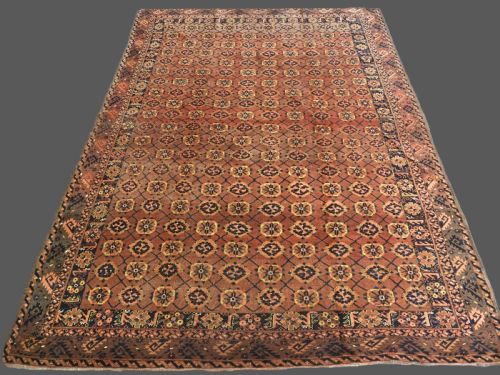
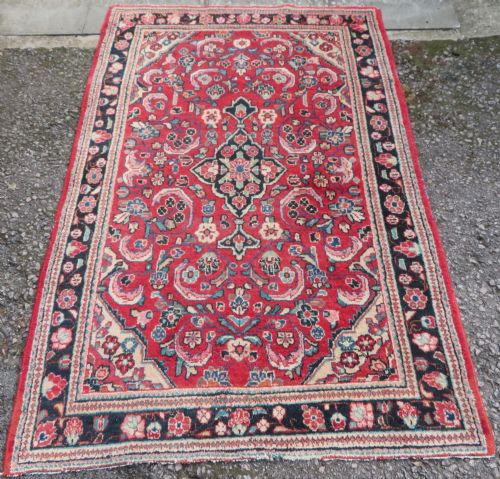
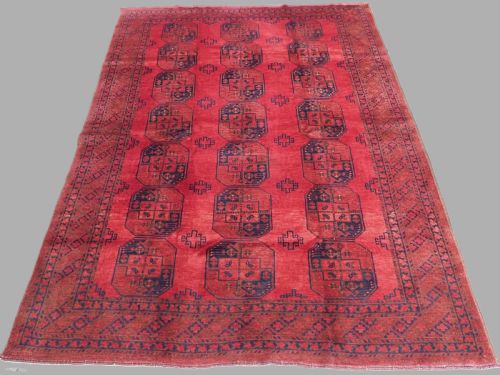
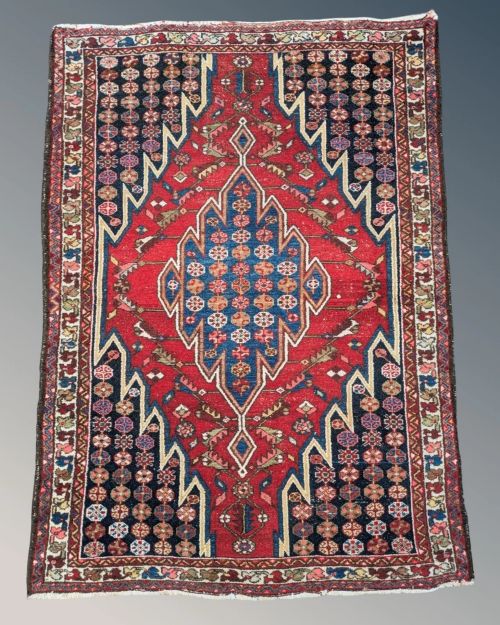
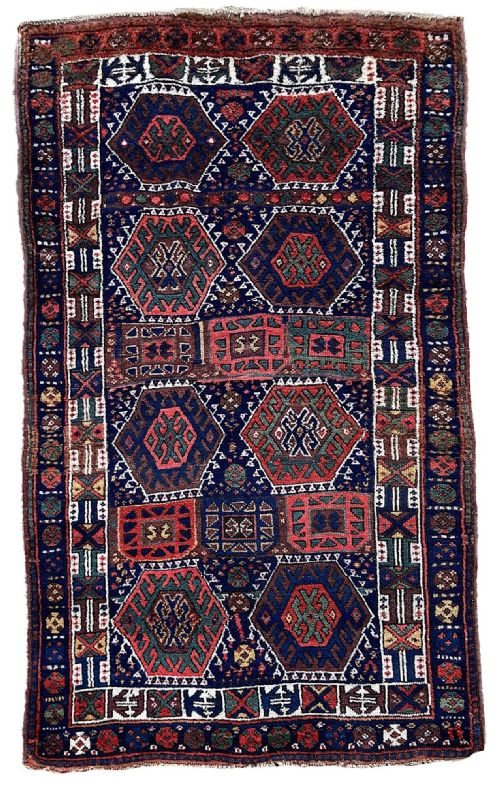


Persian Village Wool Rug
When buying a persian village wool rug, you are choosing a traditional floor covering created by regional weavers using time-honoured methods.
Persian Village Wool Rug
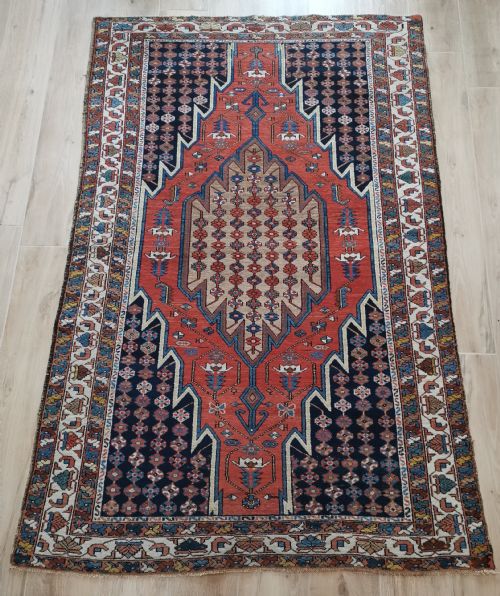
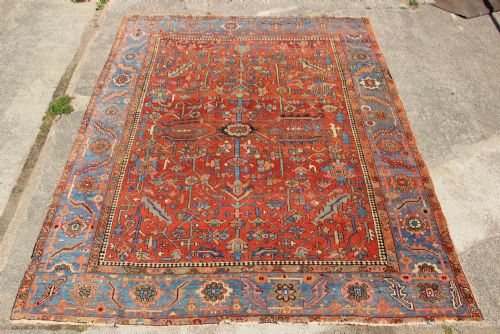
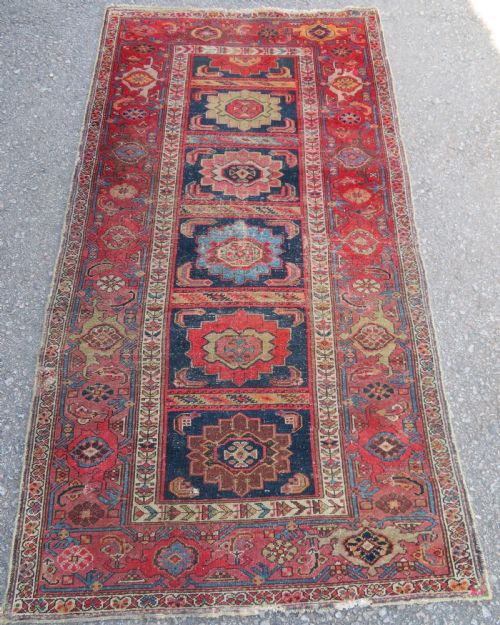
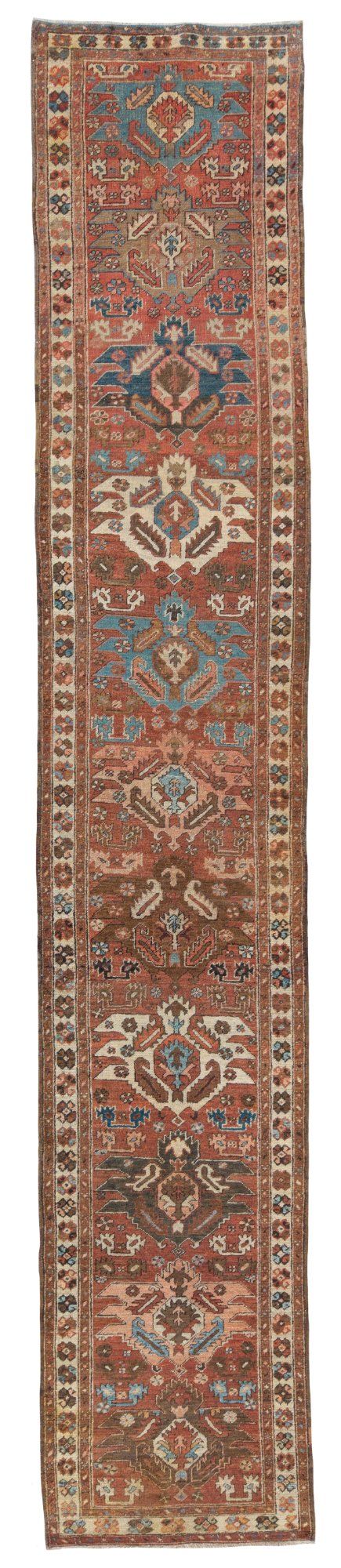
A persian village wool rug represents domestic weaving traditions across various districts, including Mahal, Mazlaghan, Bakshaish, Kurdish, Hamadan, Malayer, Bijar, Bakhtiar, Karadja, Joshagan, Heriz, Baluch, Ardabil, Qashqai, and Khamseh regions. These floor coverings range from compact area rugs to substantial carpets and long hallway runners created in rural communities.
The pieces seen here span the nineteenth and early twentieth centuries, specifically featuring items dated from the 1850s through the 1930s. They include specialised formats such as bread sofreh alongside standard formats like area rugs and carpets.
Materials and construction
Construction relies fundamentally on wool piles supported by cotton warps, utilising hand-spun wool in numerous instances to achieve durable surfaces. Many examples incorporate natural dyes that produce distinct warm red colours and varied traditional palette tones across the woven field.
Weavers employed tribal and traditional designs specific to their localities, ranging from geometric Kurdish patterns to curvilinear Heriz medallions and Esari Beshir Turkmen influences. The resulting textiles demonstrate a thick pile in well-preserved specimens or distressed surfaces reflecting decades of functional use.
Object forms span area rugs, long hallway runners, large carpets, and woven bread sofreh textiles from Central and North West Persia.
Distinctions in quality
Quality differences emerge in the integrity of the wool pile and the survival of the original foundation, where denser knotting and thicker pile retention separate well-preserved examples from heavily distressed pieces. The clarity and richness of natural dyes also distinguish superior weaving, with certain pieces exhibiting exceptional colour saturation.
Structural distinctions appear in the fineness of the cotton warp and the precision of the village designs, separating standard utilitarian rugs from more ambitious regional carpets and scarce smaller formats.
The Persian Village Wool Rug Glossary
- Warp
- The vertical threads stretched on the loom that form the foundation of the rug. The evidence notes cotton warps frequently used in these regional pieces.
- Pile
- The surface of the rug formed by the cut ends of the knotted yarn. Wool pile is standard across these village textiles, varying in thickness and preservation.
- Natural Dyes
- Colourants derived from plant, animal or mineral sources rather than synthetic chemical processes. These materials contribute to the traditional warm colours observed in older village weaving.
- Sofreh
- A type of spread or cloth used for flatbread preparation or dining in Persian households. An example appears within the current village textile listings.
- Runner
- A long, narrow carpet format designed specifically for hallways and corridors. Several antique examples are recorded in the listings.
Persian Village Wool Rug: Frequently Asked Questions
What is a village rug?
A village rug is a hand-knotted textile produced by weavers in rural domestic settings rather than large urban manufactories. These pieces reflect local tribal patterns and traditional regional aesthetics.
They utilise locally sourced materials like wool and cotton, often coloured with natural dyes to create distinctive tribal and geometric designs.
How do I date an antique rug?
Dating relies on stylistic markers, structural analysis, and material characteristics such as hand-spun wool and specific natural dye palettes. Pieces in the current selection range from the mid-nineteenth century up to the 1930s.
Certain weaves, structural wear patterns, and design attributions to specific origins like Bakshaish or Malayer help place the textile within a particular era.
Where were these rugs made?
These textiles originate from various rural districts and tribal regions across Persia, alongside related areas like Afghanistan. Specific provenances include Heriz, Hamadan, Bijar, Kurdish regions, and Qashqai tribal territories.
Each area developed distinct weaving characteristics, colour preferences, and geometric or medallion motifs that identify their geographical source.
How do I care for an old wool rug?
Care for antique wool textiles involves gentle vacuuming without a beater bar and professional cleaning when necessary. Keeping the rug out of direct sunlight preserves the natural dyes.
Using a suitable underlay helps protect the cotton warp and wool pile from friction against hard flooring.