



Yellow Border Wool Rug
A yellow border wool rug brings grounding warmth and structured colour to a room through traditional woven floor coverings.
Yellow Border Wool Rug
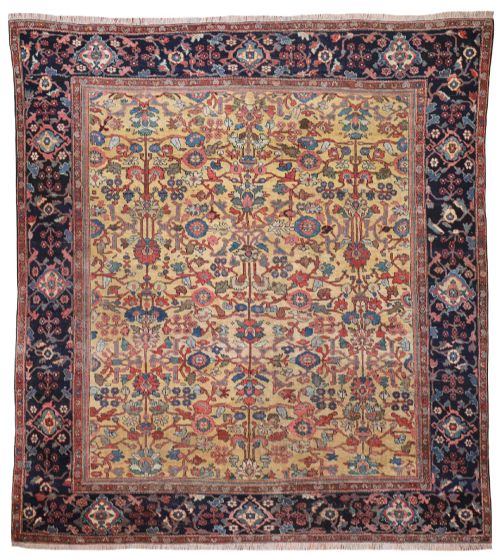
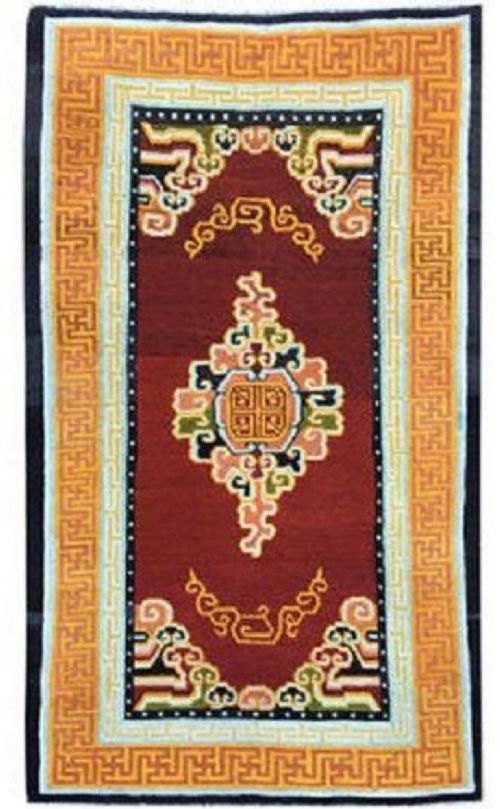
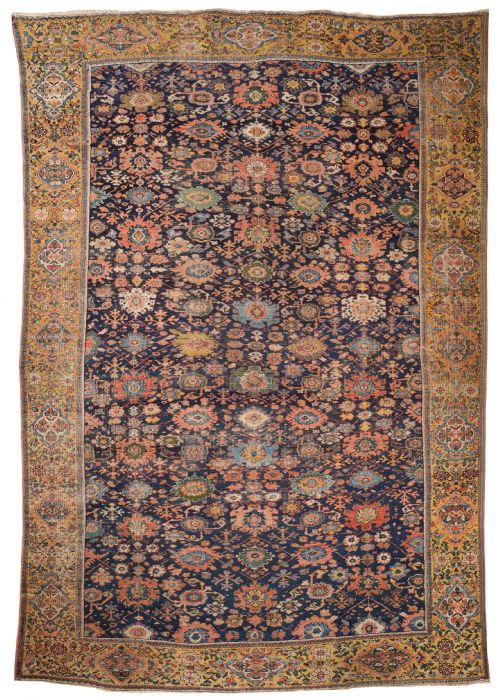
A yellow border wool rug spans diverse historical origins, ranging from Caucasian and Kurdish tribal weaves to Persian Fereghan and Bessarabian traditional kilims. Buyers searching for a yellow border wool rug will encounter pieces created across the nineteenth and early twentieth centuries, including runners, carpets, and prayer rugs.
These floor coverings demonstrate distinct regional aesthetics, such as Caucasian Kazak remnants, antique Bijar carpets, and traditional Tibetan examples. Each yellow border wool rug reflects the specific weaving traditions of its designated period, spanning dates from the mid-nineteenth century up to the 1930s.
Materials and construction methods
The primary material found across these listings is wool, frequently complemented by cotton foundations in traditional regional workshops. Artisans utilised durable natural fibres to construct flatweaves, pile carpets, and soumak structures designed for lasting utility.
Weavers employed specialised regional knotting and flatweaving techniques, integrating dyed wool yarns to form complex geometric or floral patterns. The distinct yellow border framing these carpets results from traditional dyeing methods applied to natural wool.
Yellow Border Wool Rug Retail Price Guide 2026
Typical asking prices for yellow border wool rug among the pieces listed under this phrase on Sellingantiques today, from the lower quarter to the upper quarter. They describe what is for sale here now, not the wider market.
Listings feature wool and cotton materials across periods spanning from 1850 to 1930.
Distinctions in quality and execution
Quality in these textiles depends upon the precision of the weave, the handling of the wool, and the clarity of the regional design. Finer examples display tighter knot counts and well-balanced palettes that maintain structural integrity across decades of use.
The sophistication of the dye work and the preservation of the central field relative to the outer border dictate the standing of an individual piece. Superior execution is evident where traditional motifs and the distinctive yellow border retain their visual balance and structural density.
The Yellow Border Wool Rug Glossary
- Soumak
- A flatweaving technique that creates a durable structure resembling embroidery on the face of the textile. It involves wrapping coloured weft threads around the warp yarns in a precise sequence.
- Kilim
- A tapestry-woven carpet produced without a pile, resulting in a flat and lightweight textile. These pieces rely on visible weft threads pulled tightly against the warp.
- Kelleh
- A large rectangular format of Persian carpet traditionally used in specific room layouts. It provides an elongated rectangular shape distinct from standard square dimensions.
- Remnant
- A surviving fragment or portion of a larger historical textile. These pieces preserve historical weaving techniques and design elements from larger original carpets.
Yellow Border Wool Rug: Frequently Asked Questions
Where should I place a wool rug?
These rugs suit low to medium traffic areas depending on the density of the weave and the pile structure. Placing them away from direct, continuous footfall preserves the integrity of the wool fibres.
Rooms with stable light levels help protect natural dyed borders from fading over time. Pairing the textile with an appropriate underlay secures the placement on hard flooring.
How do I clean an antique rug?
Gentle surface cleaning and regular light vacuuming without a beater bar help maintain the wool pile. Professional specialist cleaning remains essential for addressing deep-set dust or historical textiles.
Avoiding excessive moisture prevents the natural wool and cotton foundation from weakening. Spot cleaning requires careful testing of the dyed yarns to ensure colours do not run.
How are different regional styles identified?
Regional attribution relies on specific structural characteristics, such as knotting density, border motifs, and colour combinations. Caucasian pieces often display bold geometric forms, while Persian examples tend towards intricate floral field designs.
Comparing the materials used in the foundation helps confirm the likely origin of the weaving. Stylistic markers within the central field and guard borders provide further clues to the provenance.
What does a soumak weave involve?
Soumak construction utilises a wrapping technique where coloured weft threads pass over and under warp yarns. This creates a ribbed surface texture that distinguishes it from standard knotted pile carpets.
The reverse side of a soumak textile often shows trailing floating threads left from the wrapping process. This technique offers robust durability without requiring a cut pile surface.