
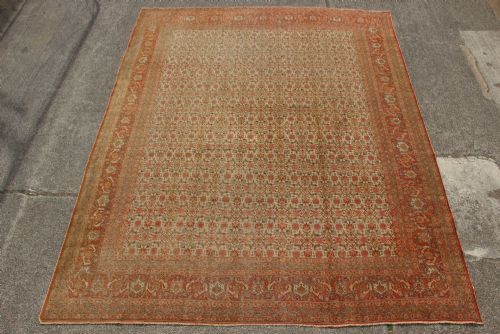


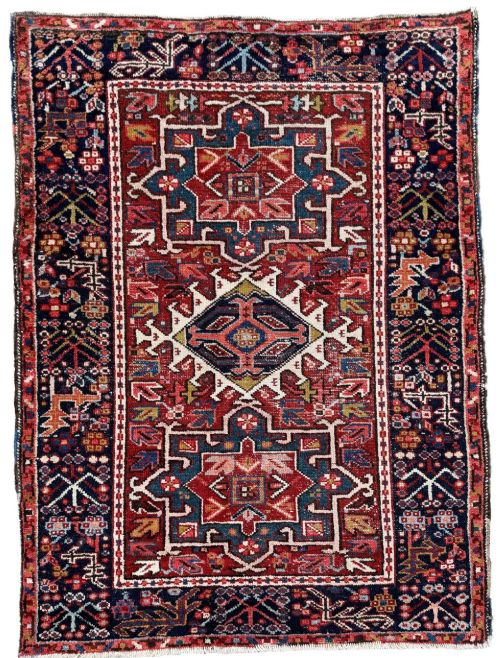

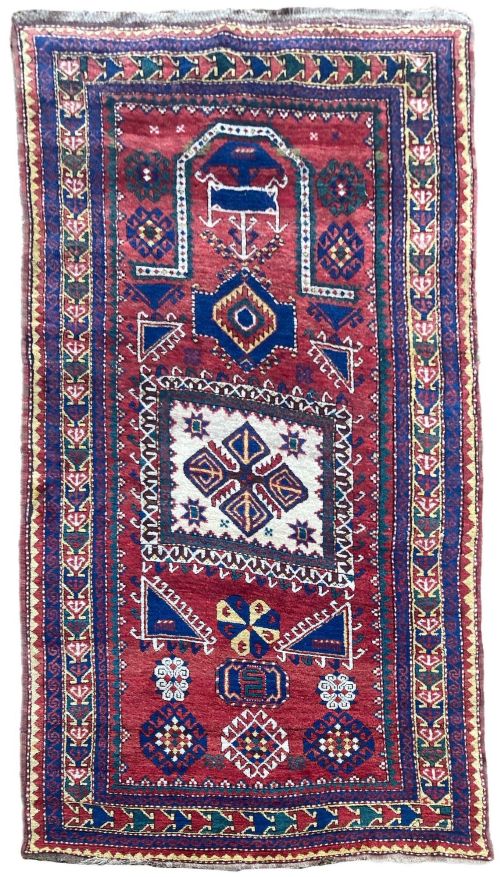
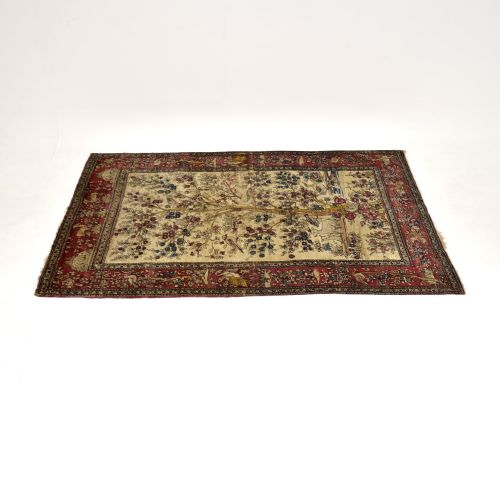

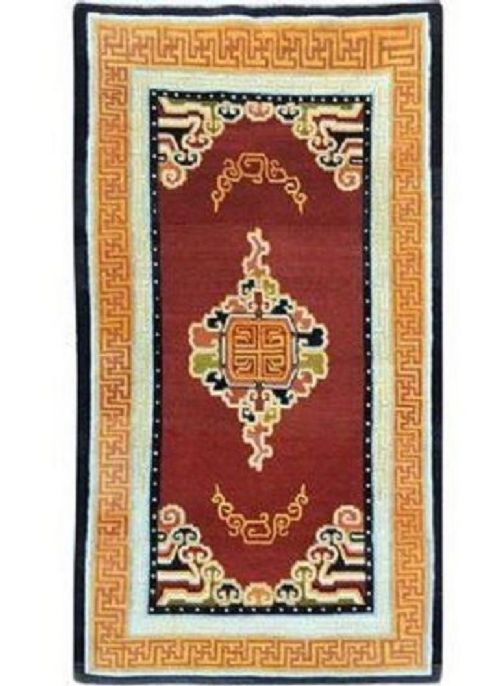
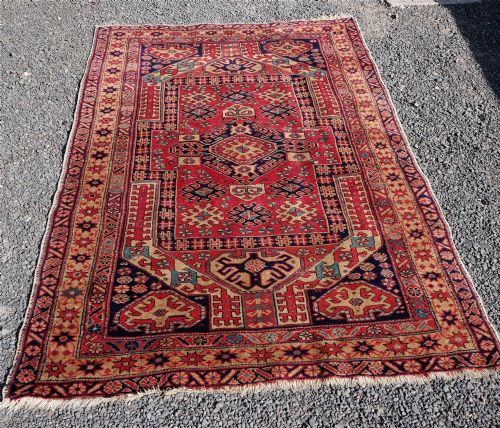
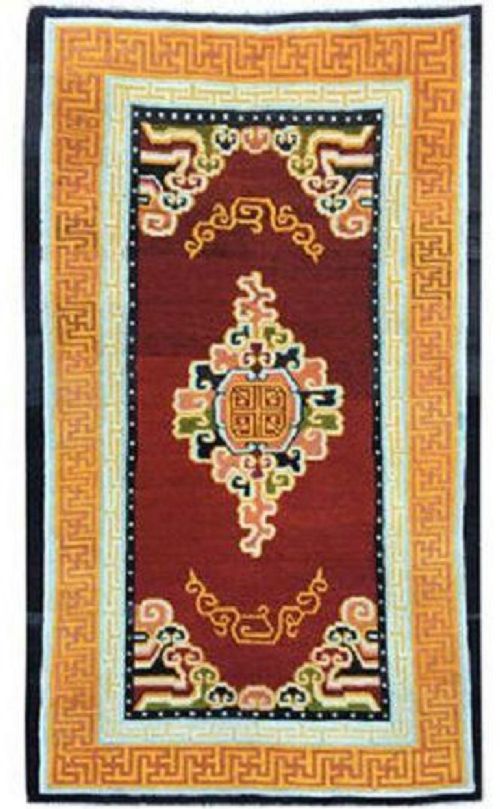
Red Hand Woven Rug
A red hand woven rug brings centuries of tribal artistry and deep natural colour into a room.
Red Hand Woven Rug
A red hand woven rug encompasses tribal and village textiles originating mainly from Persia, the Caucasus, Central Asia, and Tibet. These floor coverings and wall hangings span periods from the nineteenth century through the early twentieth century.
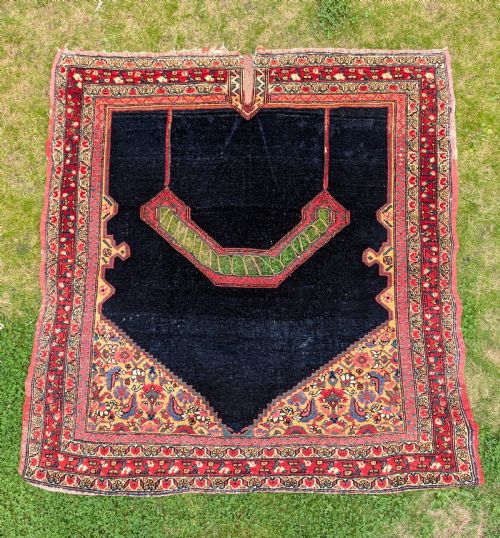
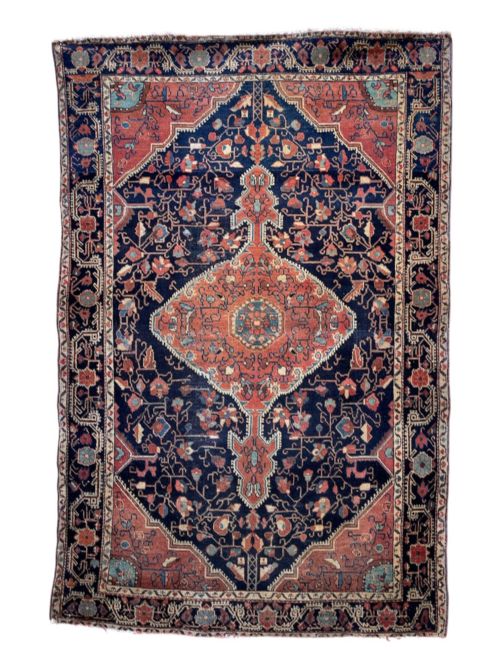
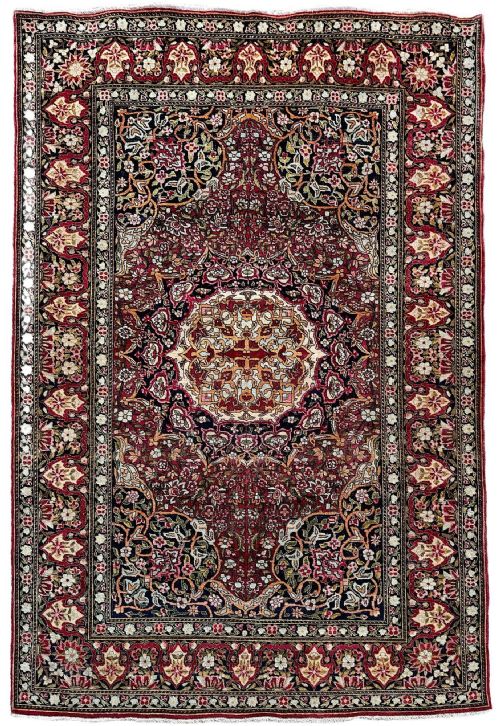
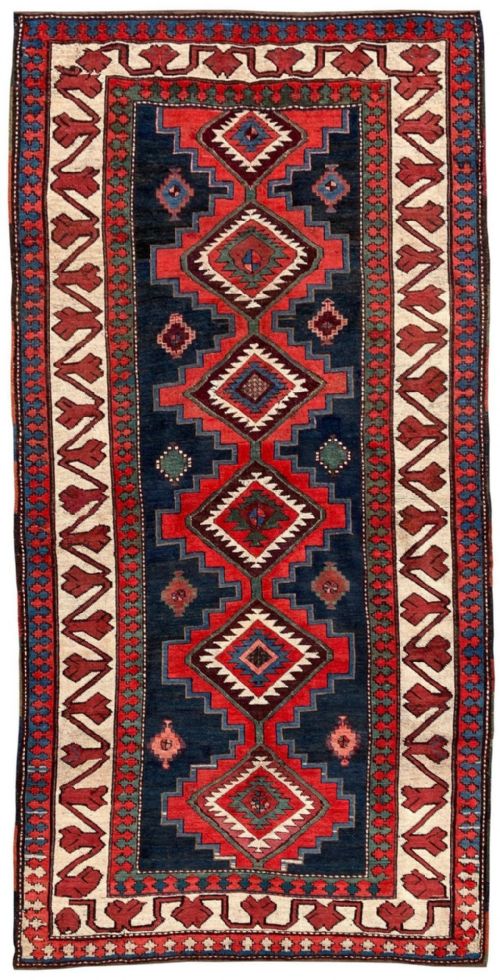
The inventory on this page consists predominantly of regional woven formats such as scatter rugs, runner rugs, saddle covers, bagfaces, and larger carpets. Buyers encounter traditional styles including Persian, Turkmen, Caucasian, and Tibetan tribal designs.
Makers utilised enduring geometric medallions, prayer designs, and classic field motifs executed in heavy wool or cotton foundations. Each piece reflects the specific weaving heritage of its particular village or nomadic tribe.
How they were made
The construction relies heavily on wool, hand-spun wool, and cotton foundations, occasionally featuring silk highlights for specific visual emphasis. Artisans knotted or wove these materials by hand over months or years of labour.
Colour palettes were achieved using natural dyes derived from local plants and minerals, resulting in rich variations of red, rust, and warm tones. These organic colourants mature gracefully over generations of exposure and wear.
The documented periods span the nineteenth century, 1850, 1870, 1880, 1890, 1900, 1910, 1920, 1930, and 1960.
What varies in quality
Quality differences stem from the tightness of the weave, the precision of the tribal geometry, and the purity of the natural dyes employed. Finer examples display meticulous knot densities and complex pictorial or medallion planning.
The integrity of the wool and the survival of the original borders or selvedges distinguish superior survivors. Regional authenticity and the vibrancy of the dye lots further elevate certain village and nomadic examples above standard production.
The Red Hand Woven Rug Glossary
- Medallion
- A central ornamental design motif placed in the middle of the rug field. It often takes a geometric or floral shape.
- Prayer rug
- A small textile featuring a mihrab or niche design historically used for daily prayers. These pieces point towards Mecca when laid upon the floor.
- Natural dyes
- Colourants extracted from plants, insects, and minerals before the advent of synthetic aniline dyes. They create a rich patina that deepens with age.
- Selvedge
- The finished side edges of a rug formed by wrapping the warp threads. A tight selvedge protects the body of the weaving from fraying.
- Bagface
- The decorated front panel of a nomadic storage sack repurposed as a small decorative mat or hanging. These items display condensed tribal motifs.
Red Hand Woven Rug: Frequently Asked Questions
How do I clean an antique rug?
Gentle surface brushing and professional specialist washing are required to protect delicate wool fibres and natural dyes. Standard household cleaning methods can permanently damage vintage textiles.
Regular light vacuuming without a rotating beater bar helps prevent dust accumulation in the pile. Keeping the rug out of direct harsh sunlight preserves the warmth of the red tones.
Can I place these rugs in high traffic areas?
Many sturdy tribal and village carpets were designed for daily domestic use and handle moderate walking traffic well. Placing a quality underlay beneath the textile prevents slipping and reduces fibre friction.
Softer silk highlight pieces or delicate saddle covers suit low traffic rooms or wall hanging display. Assessing the pile density and wool condition guides the best placement in the home.
How do I identify a tribal design?
Tribal designs feature bold geometric patterns, stylized animals, and repeating hooked motifs rather than courtly floral curves. These patterns recall the specific nomadic heritage and local folklore of the weavers.
Asymmetry and spontaneous colour shifts often indicate village or tribal origins rather than mass-produced workshop output. Each region utilised distinct palettes and structural signatures.
What does a prayer rug look like?
A prayer rug typically displays a distinctive arched niche or mihrab shape at one end of the central field. The user oriented this architectural motif during daily devotional practices.
These compact formats often include symbolic ewers, trees of life, or protective amulets within the border system. Their portable nature made them essential possessions for nomadic life.