
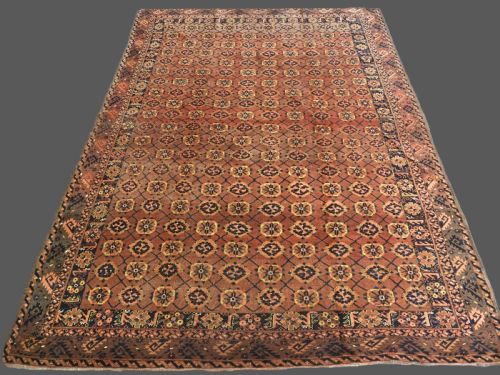
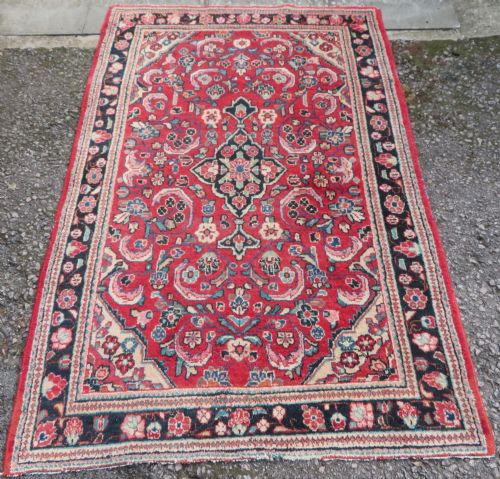
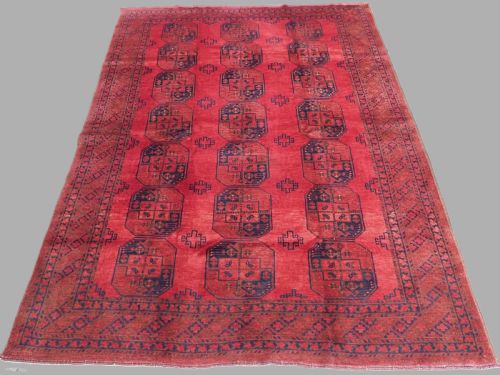
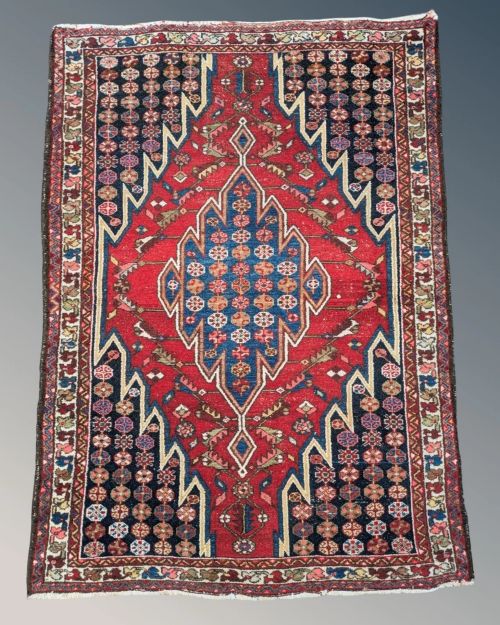
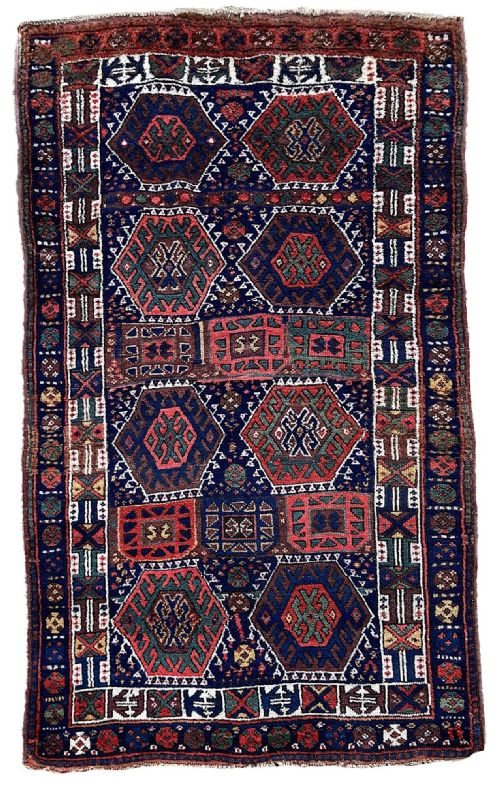


Persian Village Carpet
A persian village carpet brings the bold patterns and warm hues of tribal weaving directly into your home.
Persian Village Carpet
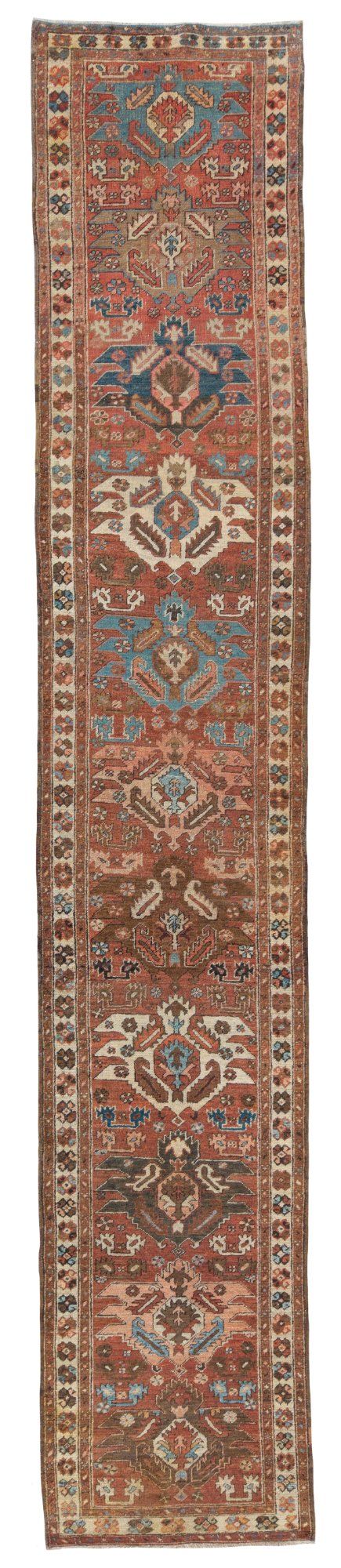
When you search for a persian village carpet, you are looking at hand-knotted floor coverings produced in various settlements and tribal regions across Persia. These pieces range from compact area rugs and long hallway runners to room-sized carpets.
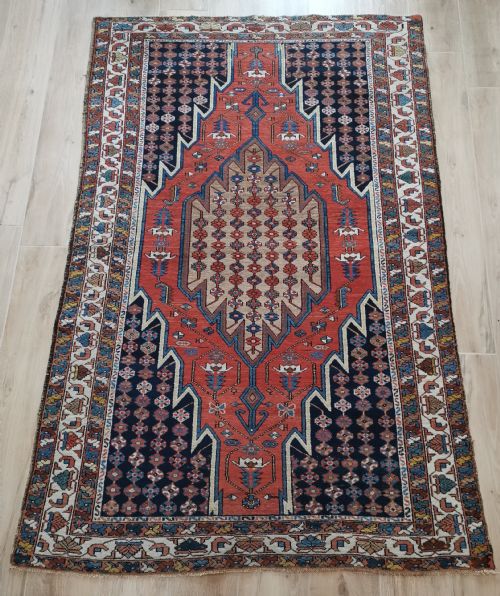
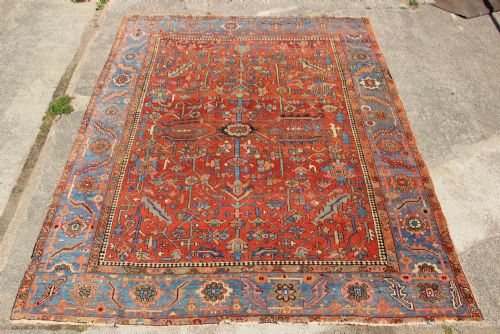
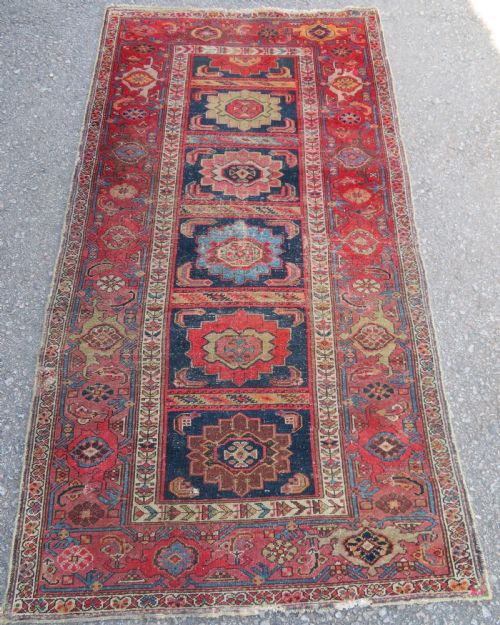
The selections available here reflect traditional designs from specific weaving centres such as Bakshaish, Mazlaghan, Malayer, Hamadan, and Heriz. Most examples date from the late nineteenth century through to the early decades of the twentieth century.
These floor coverings capture the character of regional workshops and nomadic groups, encompassing styles labelled as Persian Tribal, Kurdish Tribal, and Afghan Tribal. Buyers will find both large formats and smaller formats suited to domestic spaces.
How they were made
The construction relies fundamentally on wool piles set onto cotton warps, utilising hand-spun wool for durability and texture. Weavers employed natural dyes to achieve deep red tones, rich blues, and contrasting earth colours.
The knotted pile structure varies in thickness depending on the origin, with some centres producing dense, heavy piles and others employing lighter structures. Each piece is constructed manually on vertical looms by regional weavers following traditional patterns.
Persian Village Carpet Retail Price Guide 2026
Typical asking prices for persian village carpet among the pieces listed under this phrase on Sellingantiques today, from the lower quarter to the upper quarter. They describe what is for sale here now, not the wider market.
Listings feature pieces spanning from the mid-nineteenth century up to 1930, constructed primarily from wool and cotton using natural dyes.
What varies in quality
Quality in these textiles depends heavily on the precision of the knotting, the crispness of the tribal design geometry, and the depth achieved through natural dyes. Superior examples exhibit harmonious colour saturation and balanced proportions across the field and borders.
The fineness of the wool and the tightness of the weave also dictate the structural integrity of the piece over decades of use. Regional variations mean that some workshops produced more resilient piles than others.
The Persian Village Carpet Glossary
- Warp
- The vertical foundation threads stretched tightly on the loom before knotting begins. The cotton warp provides the rigid structural skeleton for the entire rug.
- Pile
- The vertical tufts of wool that form the soft surface and display the pattern. Thicker piles offer heavier underfoot comfort.
- Natural Dyes
- Colourants extracted from plants, roots, and insects rather than synthetic chemicals. These dyes yield rich, complex tones that age gracefully over time.
- Runner
- A long, narrow format designed specifically for corridors, hallways, and stairs. These pieces guide movement through domestic spaces.
Persian Village Carpet: Frequently Asked Questions
Where were these carpets made?
These floor coverings originated in diverse rural settlements, tribal camps, and small towns across Persia. Weaving traditions developed distinct characteristics in regions such as Kurdistan, Azerbaijan, and Hamadan.
Specific districts and nomadic groups passed down distinct motifs, colour palettes, and knotting techniques through generations. This geographic diversity creates the wide variety of geometric and medallion designs found today.
How do I care for my rug?
Regular gentle vacuuming without a rotating brush roll helps remove embedded dirt and grit from the wool pile. Professional cleaning by specialists in antique textiles ensures the natural dyes and fibres remain protected.
Keeping the piece out of direct, prolonged sunlight prevents the natural colours from fading unevenly. Using a quality underlay pad also reduces friction between the floor and the cotton warp.
Are these pieces durable enough for daily use?
The combination of hand-spun wool and sturdy cotton warps makes these textiles remarkably resilient. Many have already survived a century of foot traffic while retaining their structural integrity.
Placing them in moderate-traffic areas allows you to enjoy their heritage daily without excessive wear. Proper placement away from excessive moisture ensures long-term preservation.
How do I distinguish regional styles?
Regional identification relies on observing the specific geometry of the central medallions, border arrangements, and overall colour combinations. For instance, Bakshaish pieces often display large-scale geometric abstracts, while Heriz carpets feature bold, structured corner brackets.
Comparing the weave density and wool texture further clarifies the origin. Each tribal and village group maintained unique aesthetic preferences that separate their work from neighbouring districts.