






Persian Tribal Tapestry Rug
These Persian tribal tapestry rug pieces are woven textiles carrying generations of nomadic history, offering rich colour and pattern for modern interiors.
Persian Tribal Tapestry Rug
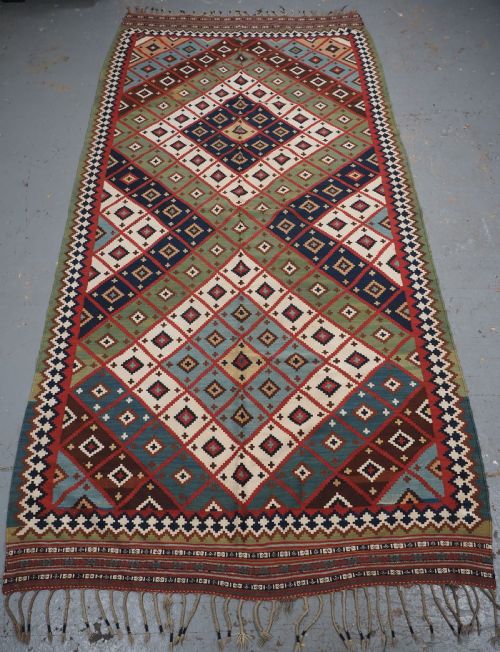
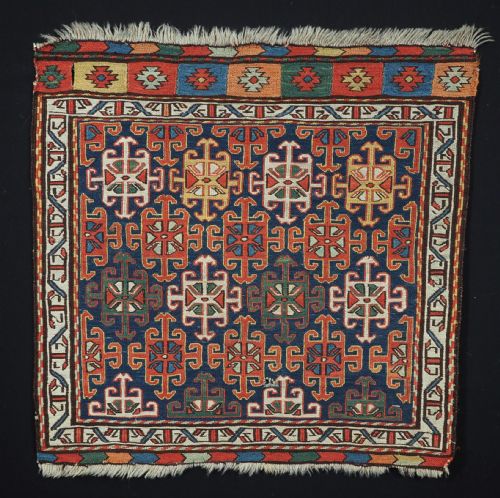
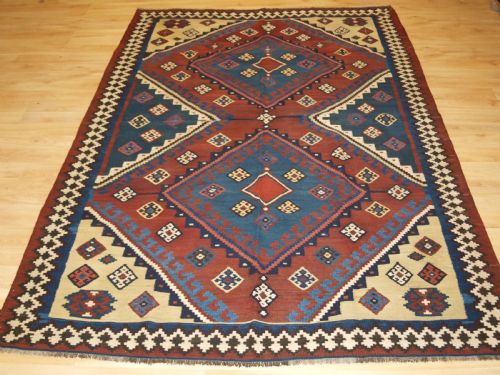
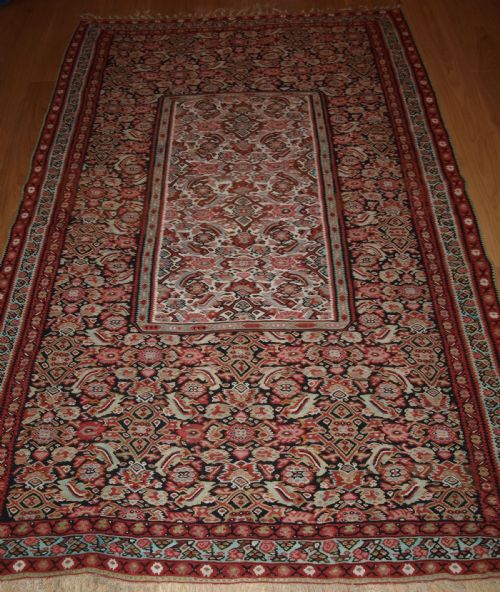
When you search for a persian tribal tapestry rug, you encounter flatweaves and piled items created by nomadic and village makers across Persia and the Caucasus. These textile forms include kilims, saddlebags, bag faces, cradles, floor coverings, and wall hangings.
The selections span from the mid-nineteenth century through the early twentieth century, capturing distinct tribal traditions like the Qashqai, Shahsavan, Bidjar, Senneh, and Afshar groups. You are most likely to meet flatwoven kilims and storage items such as khorjins that showcase geometric motifs and natural dyes.
These items served practical functions within nomadic camps, functioning as transport containers, floor spreads, bedding, and architectural dividers before entering the collector market as decorative pieces.
How they were made
Weavers constructed these textiles primarily using wool for the foundation and surface designs, frequently supplemented by cotton structural elements and occasional leather or wood components. Natural dyes derived from local plants and minerals provided the foundational palette for the wool yarns.
The execution relies heavily on slit-tapery flatweaving techniques, alongside Soumak or soumac wrapping methods that create textured surface patterns without cutting pile. These demanding structural methods produced durable, reversible fabrics capable of withstanding rigorous nomadic use.
Current listings feature pieces utilising wool, cotton, and natural dyes across nineteenth and early twentieth-century dates.
What varies in quality
The standard of a piece rests upon the crispness of the drawing, the complexity of the tribal design structure, and the saturation of the natural palette. Finer examples display precise geometric execution and harmonious colour combinations that reflect the skill of the specific weaving group.
Condition and structural integrity also separate standard examples from superior ones, noting that complete bag faces, intact dimensions, and original borders retain greater authenticity. The purity of the wool and the complexity of techniques like soumak work further distinguish high-tier pieces from simpler utilitarian items.
The Persian Tribal Tapestry Rug Glossary
- Kilim
- A flatwoven textile produced without a pile, forming the primary structure of many tribal rugs and bags. These pieces rely on interlocking or slit-tapestry weaves to create geometric patterns.
- Soumak
- A brocaded flatweaving technique where pattern yarns are wrapped around the warp threads before being beaten down. This method adds structural weight and a characteristic textured face.
- Khorjin
- A traditional double-sided saddlebag utilised by nomadic groups for transport and domestic storage. Surviving examples often circulate as individual bag faces.
- Sofreh
- A flatwoven spread or cloth used during meals, dough preparation, or ritual dining among pastoral nomads. These utilitarian pieces frequently exhibit bold geometric compositions.
- Bidjar
- A town and surrounding district in western Persia known for densely packed, heavy carpets and kilims. Pieces from this origin possess robust structural qualities.
Persian Tribal Tapestry Rug: Frequently Asked Questions
How do I clean a flatweave rug?
Regular gentle vacuuming without a beater bar removes surface dust and grit from the wool fibres.
Professional specialist washing remains necessary for deeper cleaning to prevent dye migration or structural shrinkage.
Can I hang a textile on the wall?
Hanging provides a practical way to display lighter kilims and bag faces away from heavy foot traffic.
Weight distribution requires professional mounting using a sleeve or Velcro system stitched securely to the reverse edge.
What is an eye dazzler design?
The term describes optical geometric patterns utilising high-contrast diamonds or zigzags that create a vibrant visual movement.
Nomadic weavers employed these dynamic arrangements across various nineteenth-century tribal formats.
How do I identify tribal origins?
Specific colour palettes, structural wool types, and recurring geometric motifs point towards particular groups like the Qashqai or Shahsavan.
Comparison with documented examples from regions such as Fars or the Caucasus helps clarify attribution.