






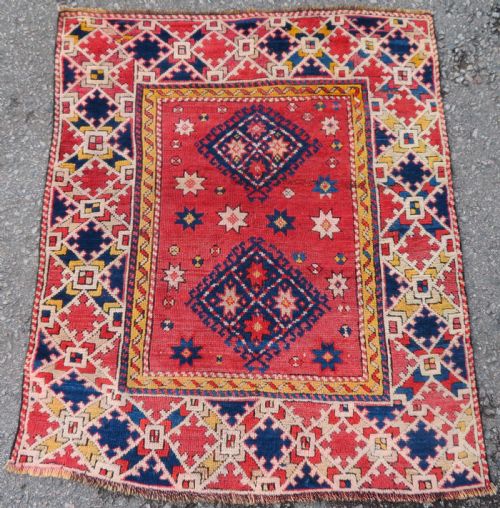
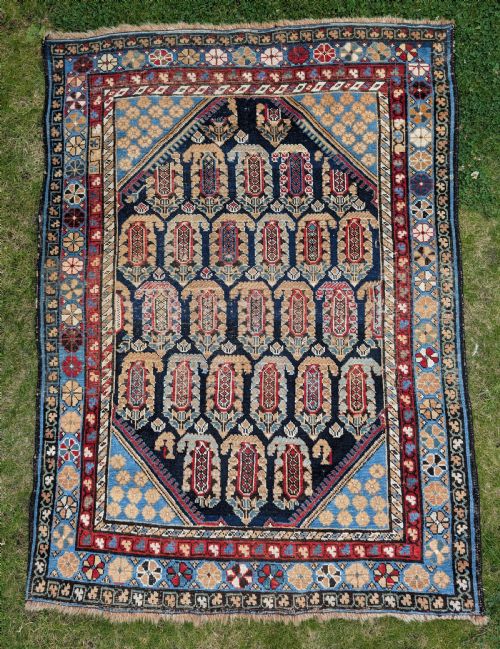
Blue Wool Tribal Carpet
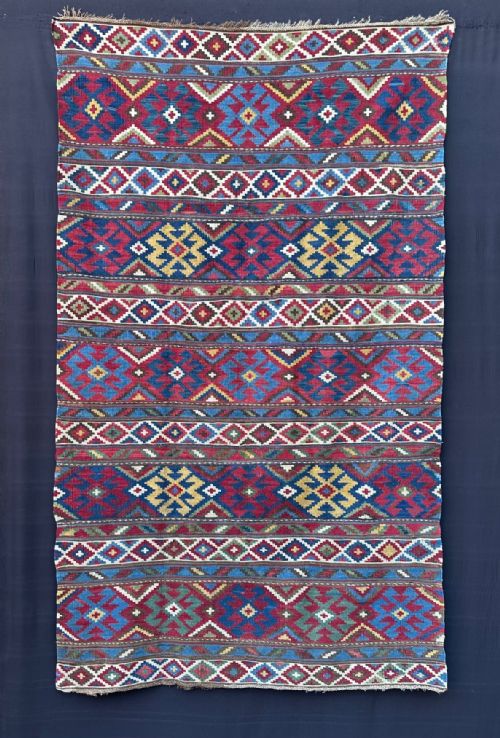
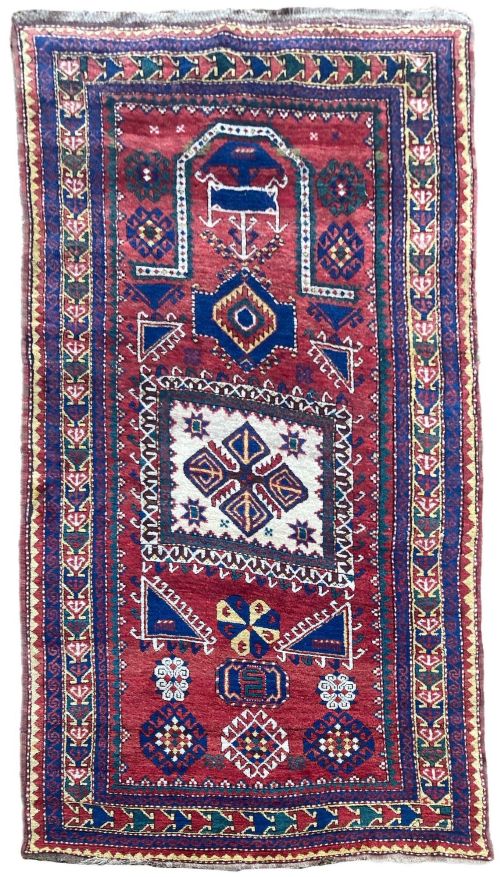
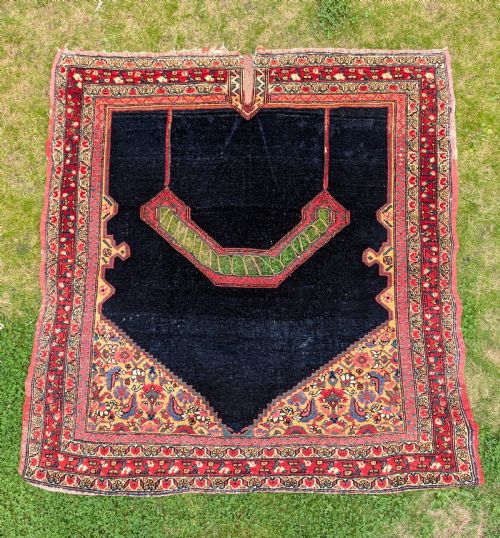
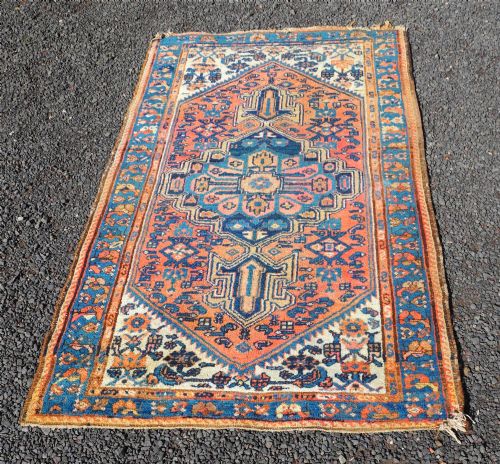
These pieces are a blue wool tribal carpet, prized for their hardy construction and geometric designs from regions including Persia, the Caucasus, and Anatolia.
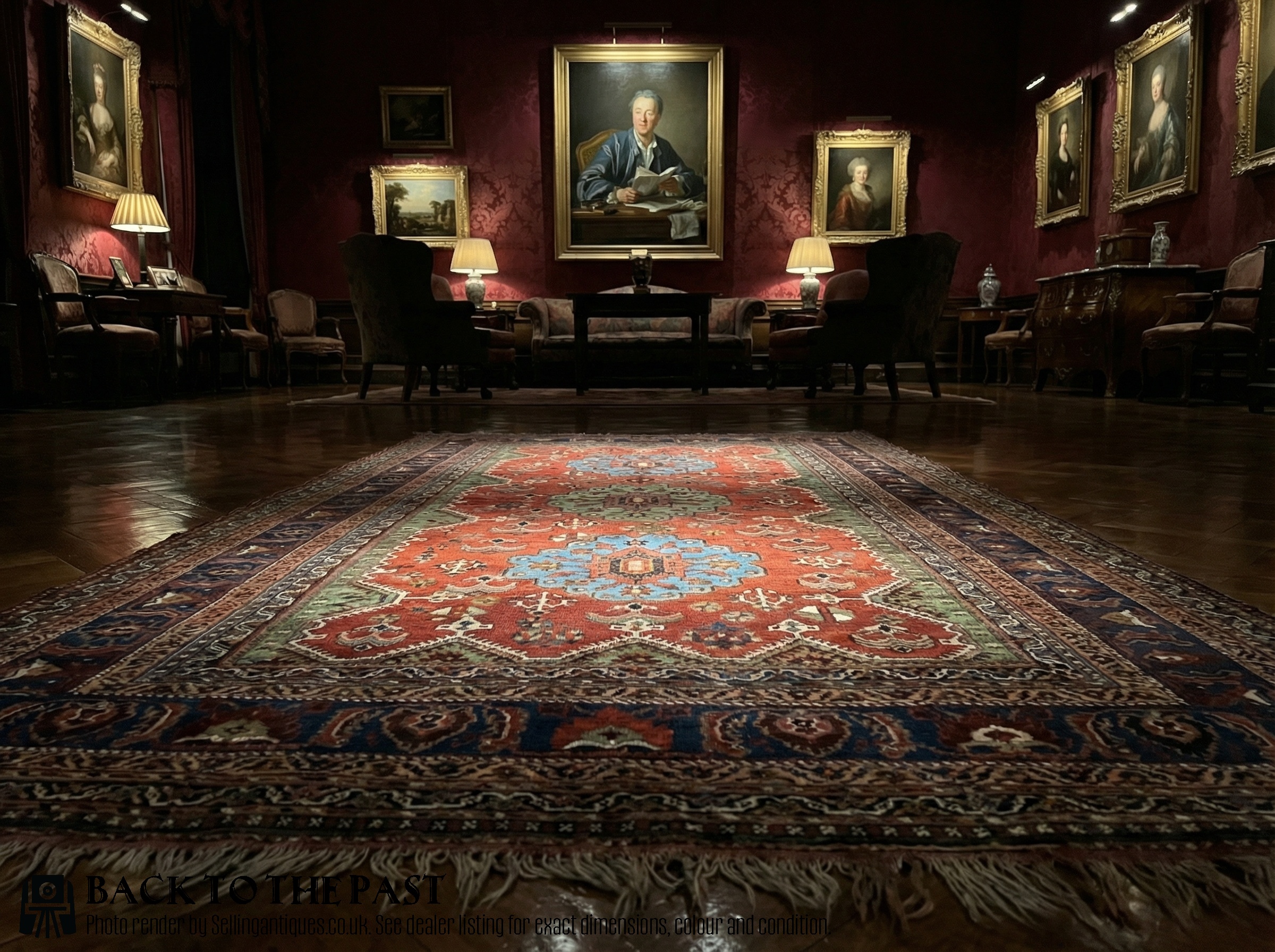
Blue Wool Tribal Carpet
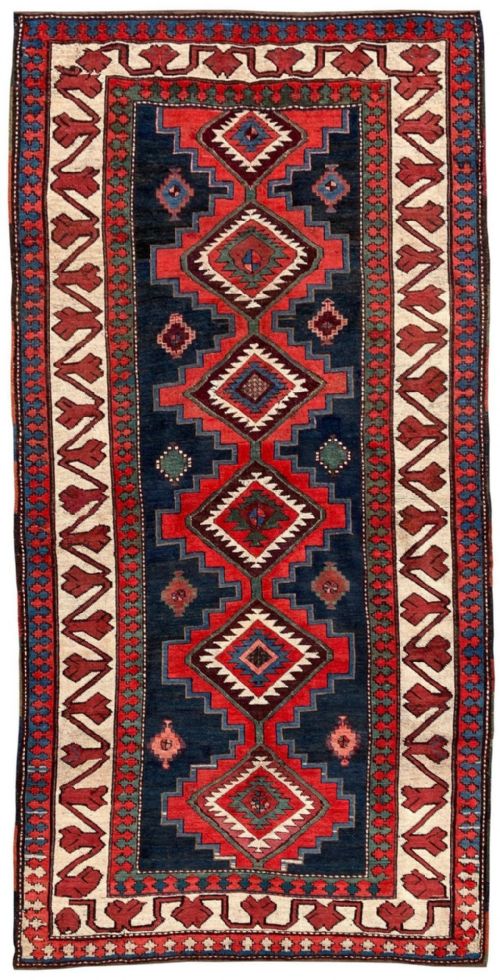
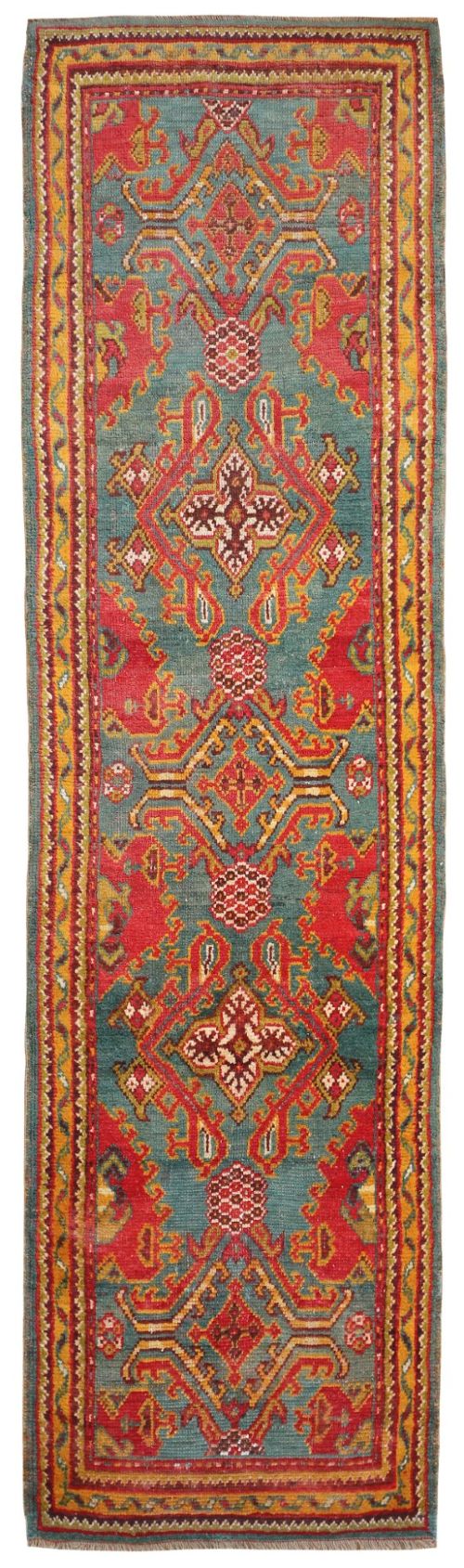
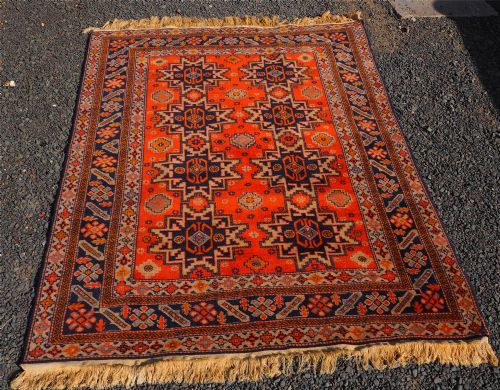
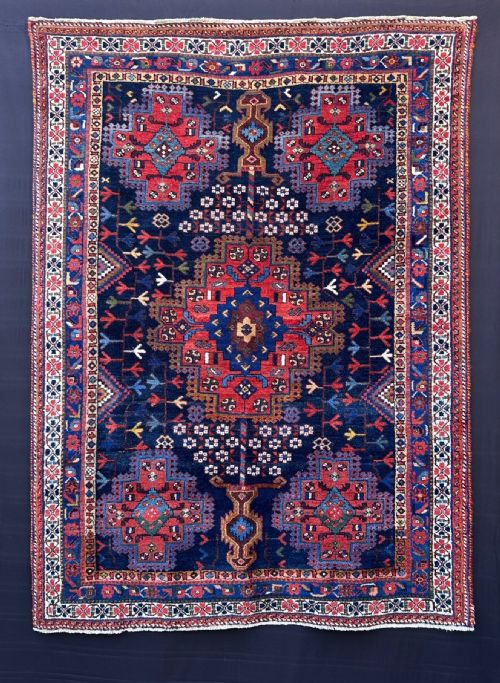
When you search for a blue wool tribal carpet, you are looking at hand-knotted floor coverings produced by village and nomadic weavers across Persia, the Caucasus, and Anatolia. The examples found here span the nineteenth and early twentieth centuries, encompassing formats from small prayer rugs to long hallway runners.
You are most likely to meet pieces attributed to regional weaving groups such as the Kazak, Khamseh, Afshar, and Bakhtiar. These rugs display characteristic local palettes and structural traits tied directly to their origins.
The forms vary from square area rugs to narrow runners and saddle covers, each serving practical domestic functions within nomadic tents or village homes. Their enduring appeal lies in the straightforward translation of tribal motifs into durable floor coverings.
How they were made
The construction relies on wool, often hand-spun, combined with cotton for foundations in specific regional traditions. Weavers utilised natural dyes to achieve deep indigo blues alongside secondary tones.
Makers knotted the wool by hand onto warps and wefts, creating dense piles designed to withstand heavy everyday use. The resulting fabric holds its structure through decades of domestic wear.
Materials recorded across the inventory include hand-spun wool, cotton foundations, and natural dyes.
What varies in quality
The standard of a piece depends heavily on the crispness of the geometric drawing and the saturation of the indigo and natural dyes. Finer knots allow for sharper definition within medallions and lattice patterns.
The integrity of the wool and the preservation of the original borders and outer edges distinguish the better examples. Consistency in the hand-spinning and dyeing process marks out pieces produced for domestic utility rather than commercial output.
The Blue Wool Tribal Carpet Glossary
- Medallion
- A central ornamental motif set within the field of the carpet. These often take geometric or polygonal forms in tribal weaving.
- Runner
- A long, narrow carpet format designed for hallways, corridors, or bedside placement. Their proportions require specific weaving techniques to maintain straight edges.
- Prayer rug
- A small rug featuring a mihrab or niche design indicating the direction of prayer. These were utilised primarily in domestic devotional contexts.
- Warp
- The vertical threads stretched tightly on the loom before knotting begins. The exposed fringe at either end of the carpet consists of these parallel foundation threads.
- Weft
- The horizontal threads passed back and forth across the warps to lock the knots in place. This structure provides the transverse stability of the rug.
Blue Wool Tribal Carpet: Frequently Asked Questions
What is a tribal carpet?
A tribal carpet is a hand-knotted textile produced by nomadic or village weavers working within specific regional traditions rather than urban workshops. These pieces rely on memory patterns passed down through generations.
The designs incorporate local motifs, geometric symbols, and natural materials sourced directly from the surrounding landscape. Their construction reflects the practical needs of daily life in pastoral and rural communities.
How do I place a runner?
Runners fit well in hallways, narrow entryways, and alongside beds where a long, narrow format suits the floor space. Their proportions guide movement through a home while protecting timber or stone flooring.
When positioning a runner, allow a uniform margin of exposed floor around the edges. This frames the textile and highlights its geometric borders.
How do I identify a Kazak rug?
Kazak rugs originate from the Caucasus and are known for their bold, primary colour palettes and large geometric medallions. The wool is typically thick and lustrous.
Inspect the weave for stiff foundations and characteristic latch-hook motifs. These details distinguish Caucasian weaving from Persian or Anatolian work.
How should I care for wool?
Vacuum wool carpets gently using suction only, avoiding revolving brush attachments that can pull at the hand-knotted pile. Keep the textile out of direct, prolonged sunlight to protect the natural dyes.
Rotate the carpet periodically to ensure even wear across the surface in high-traffic areas. Professional cleaning should be undertaken sparingly by specialists familiar with antique textiles.