

Persian Tribal Runner
A persian tribal runner brings hand-spun wool, geometric motifs and rich natural dyes into hallways and narrow spaces.
Persian Tribal Runner
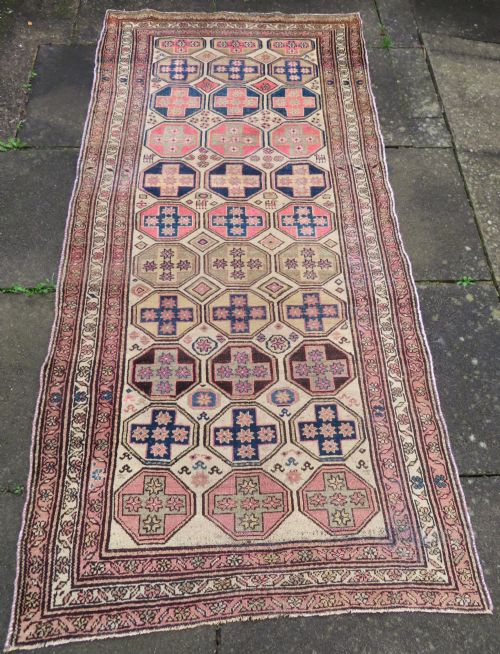
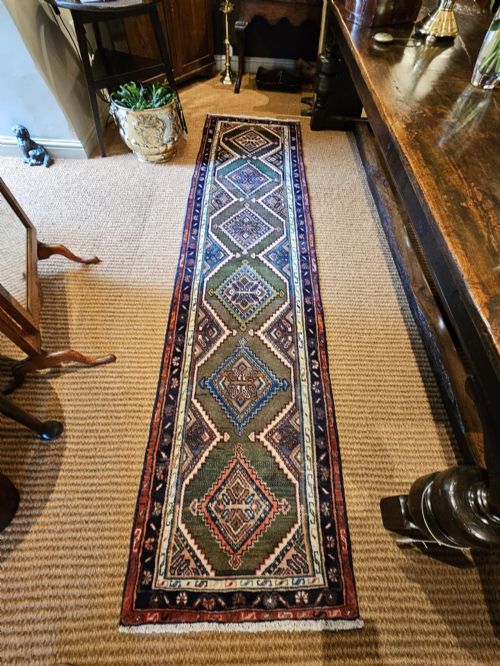
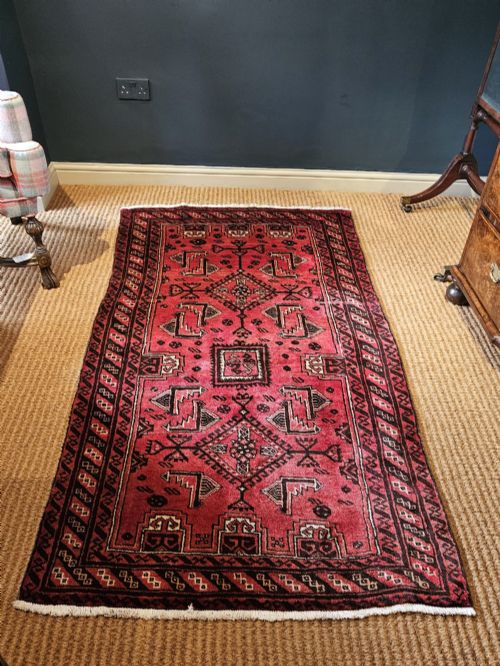
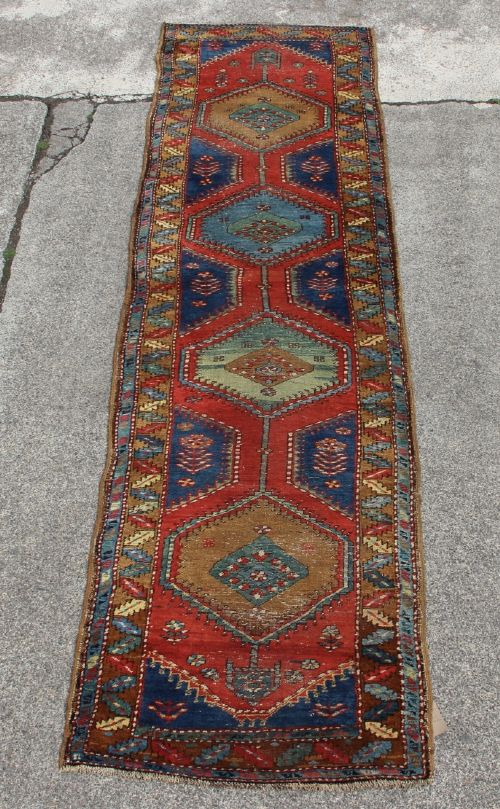
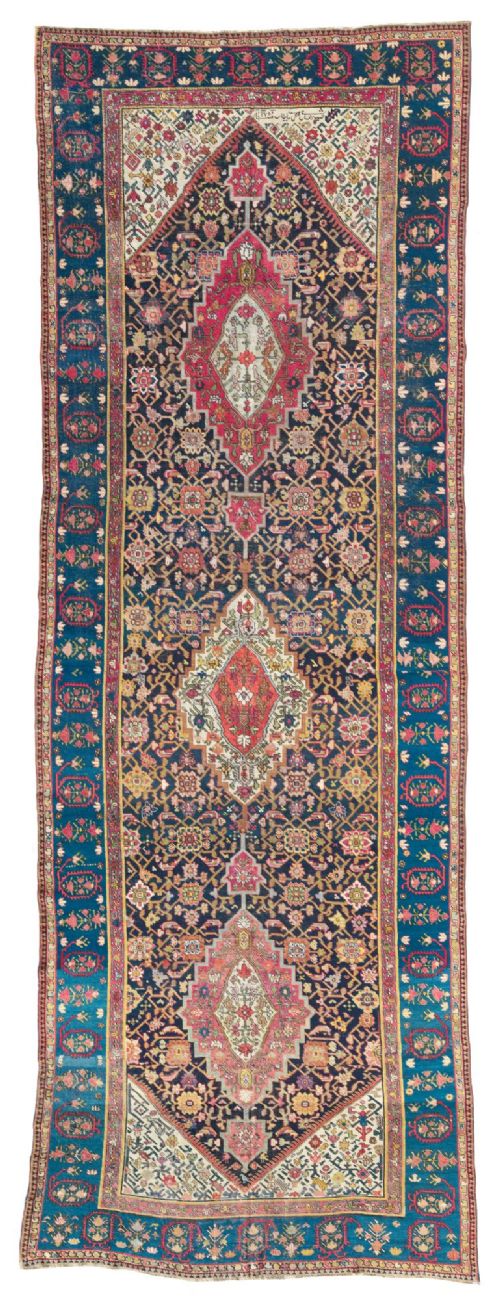
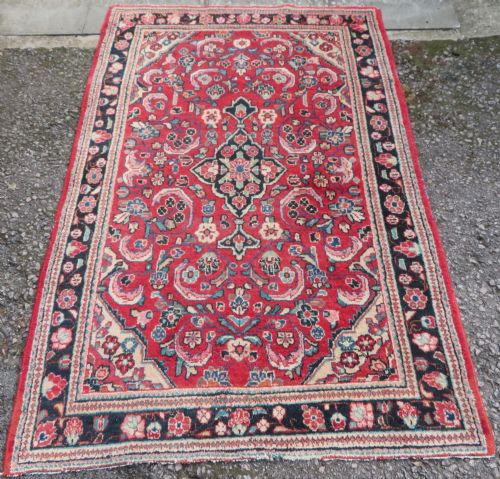
A persian tribal runner is a narrow, elongated floor covering woven by village and nomadic communities in regions such as Kurdistan, Baluchistan and Fars. These pieces served practical domestic purposes in hallways, long rooms and tent interiors, utilising formats designed for linear spaces. Buyers searching this phrase encounter formats originating primarily from the nineteenth and early twentieth centuries, spanning periods from the eighteen-seventies up to nineteen-thirty.
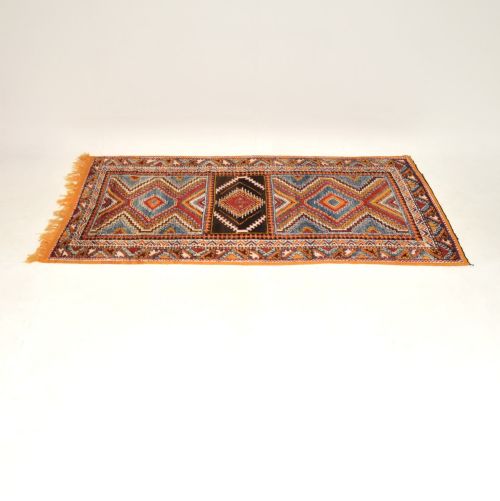
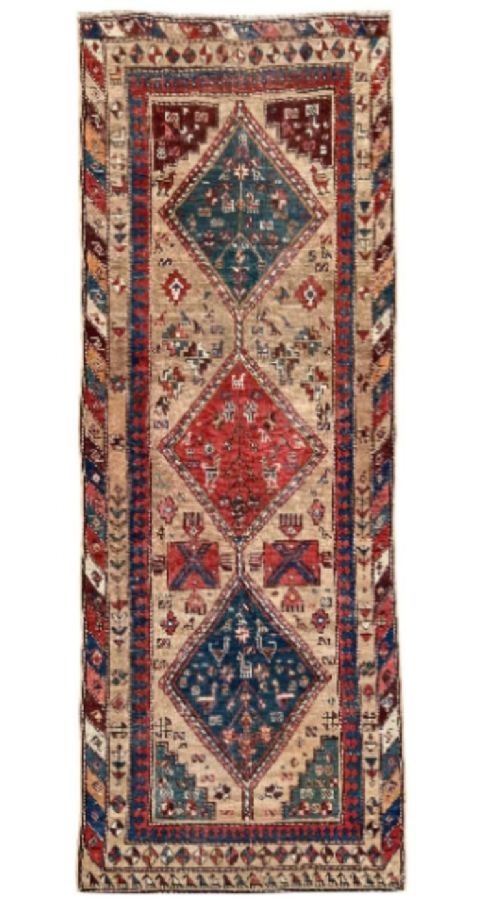
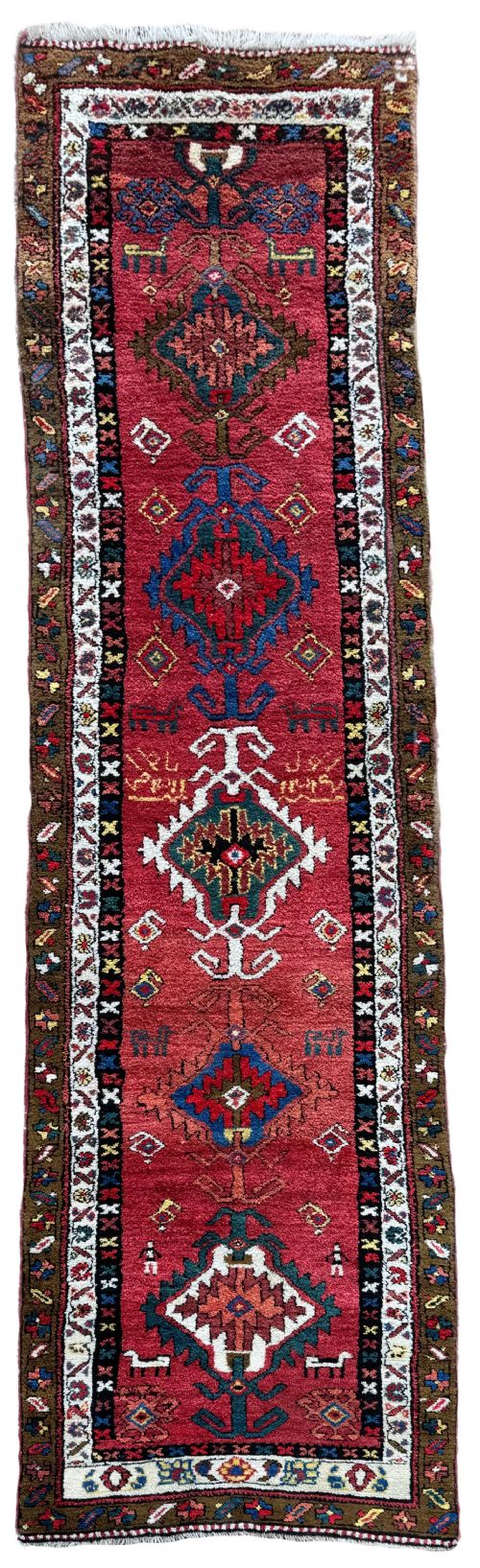
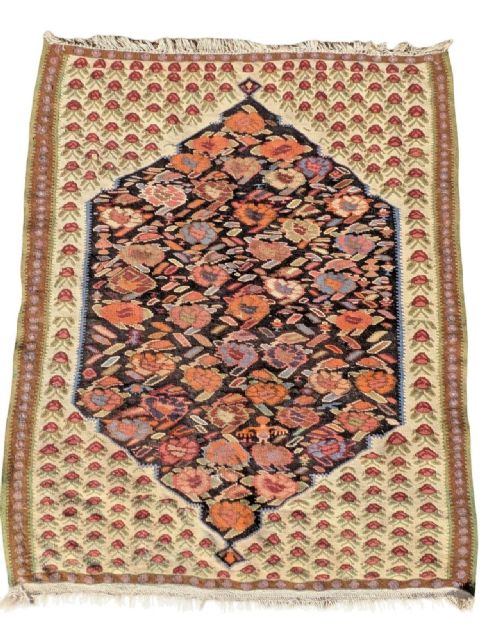
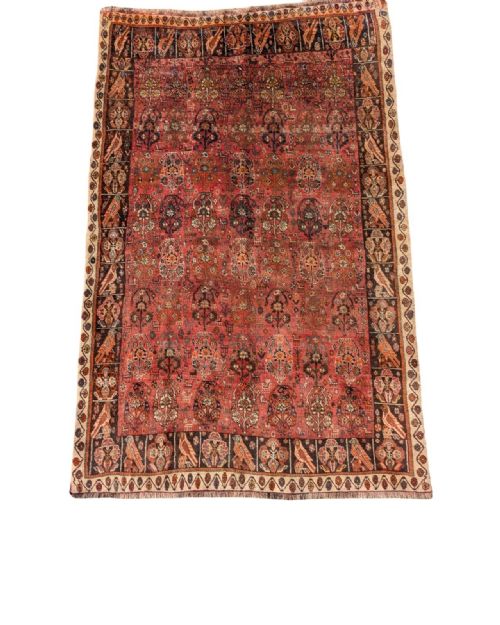
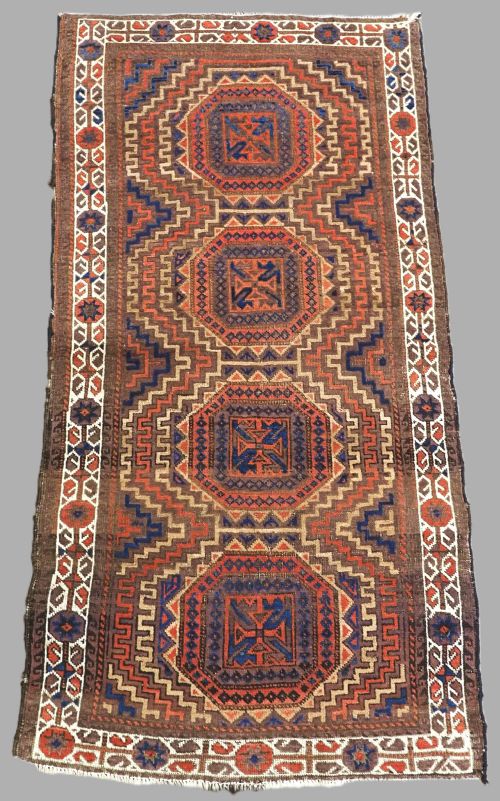
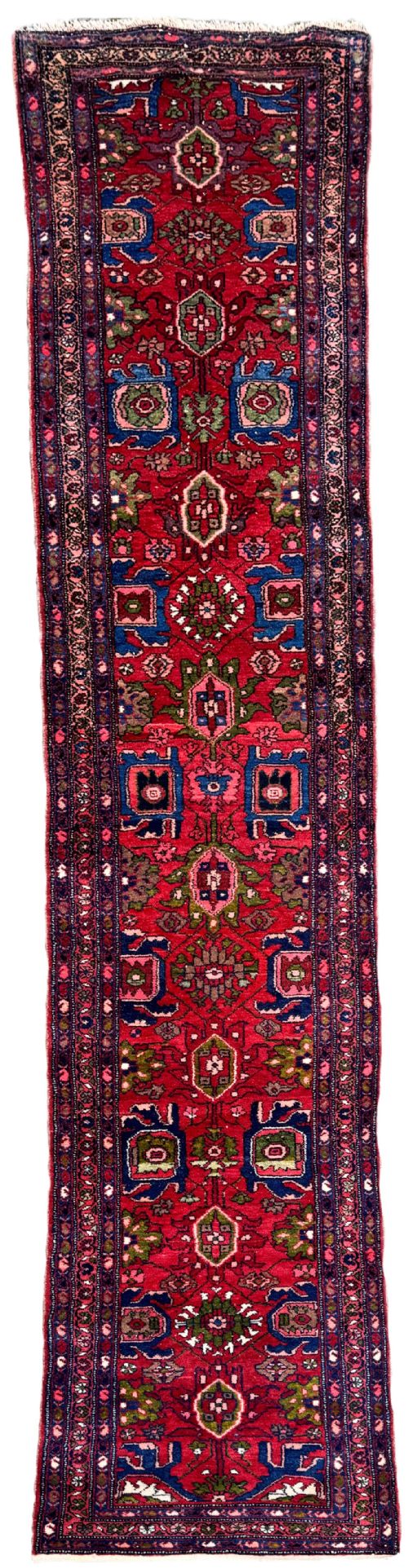
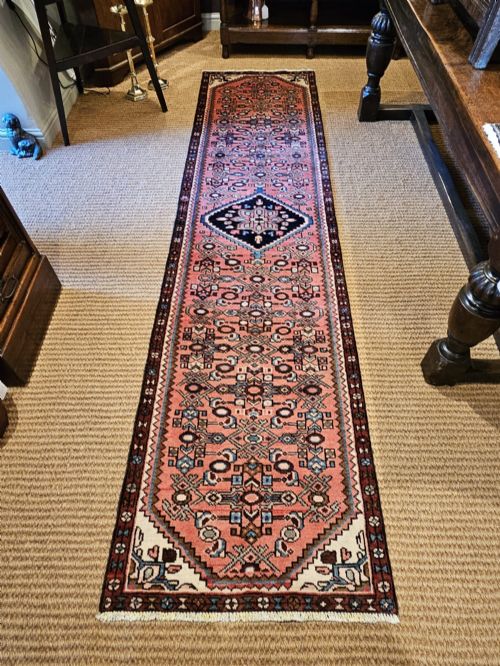
The aesthetic reflects regional traditions rather than court workshops, incorporating geometric medallions, repeat lattice patterns and stylised animal or plant motifs. Common tribal attributions appearing across the listings include Kurdish, Baluch, Bakhtiar, Hamadan, Heriz and Khamseh, alongside broader Persian and Caucasian styles. These runners display considerable variation in length and width, accommodating narrow corridor dimensions.
Village and tribal weavers created these carpets for daily use, resulting in durable constructions intended to withstand heavy foot traffic. The forms range from short corridor carpets to exceptionally long hall runners reaching substantial lengths. Each piece bears the distinct colour palette and patterning characteristic of the specific tribe or village cluster where the weaving took place.
How They Were Made
The construction relies predominantly on wool, hand-spun wool and pure wool foundations and pile, occasionally incorporating camel hair for natural brown and golden tones. Weavers knotted the wool onto sturdy cotton or wool warp and weft threads, creating a dense pile designed to endure decades of use. Natural dyes provide the underlying palette, yielding deep indigos, madder reds, olive greens and earthy neutrals that age with distinctive patina.
Nomadic and village workshops utilised vertical or horizontal ground looms set up in homes or encampments, allowing makers to execute complex geometric designs from memory or tribal tradition. The spinning of the wool by hand imparts slight irregularities in thickness, which contributes to the tactile character of the pile. Natural dye absorption varies across the yarn batches, producing subtle abrash shifts in colour across the field.
Persian Tribal Runner Retail Price Guide 2026
Typical asking prices for persian tribal runner among the pieces listed under this phrase on Sellingantiques today, from the lower quarter to the upper quarter. They describe what is for sale here now, not the wider market.
An archive entry records a very quirky example measuring over four metres long.
What Varies In Quality
Knot density and structural tightness set finer examples apart from coarser village output, reflecting the weaver's control and the time invested in production. Sharply defined motifs and balanced symmetry indicate superior command of the geometric vocabulary characteristic of tribal weaving. Material selection also dictates longevity, with tightly spun wool and resilient foundation threads ensuring greater structural integrity over time.
The purity and depth of the natural dyes influence the visual hierarchy of these runners, as well-balanced palettes retain their richness across generations. Even wear and complete original borders contribute to the overall preservation of the piece, distinguishing items that retained their decorative presence. The handling of difficult structural transitions in tribal designs marks the distinction between standard utilitarian output and master-weaver execution.
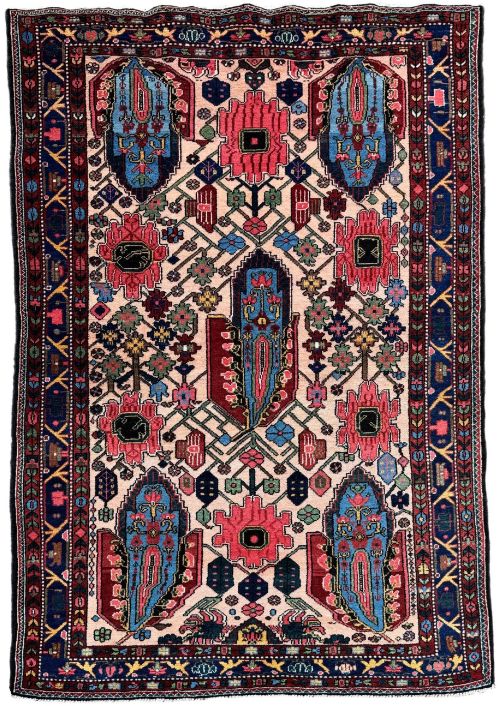
Kurdish Mina Khani
The Persian Tribal Runner Glossary
- Abrash
- A natural variation of colour within a field of dye, caused by changes in wool batches or dye lots. This characteristic creates subtle bands of shifting tone that signal traditional dyeing methods.
- Gul
- A medallion or repeating octagonal motif used extensively in tribal carpets, particularly by Baluch and Turkmen weavers. Each pattern often identifies the specific clan or ancestral lineage.
- Kelleh
- A large, elongated format intermediate in proportion between a standard carpet and a long runner. These rectangular floor coverings typically occupied the ends of traditional reception rooms.
- Warp
- The vertical threads stretched lengthwise on the loom before weaving commences, carrying the tension of the rug. The fringe forms directly from these extension threads at each end.
- Weft
- The horizontal strands passed alternately over and under the warp threads to lock the knots in place. Together with the warp, they form the structural grid of the textile.
Persian Tribal Runner: Frequently Asked Questions
Where should I place a persian tribal runner?
These narrow formats suit hallways, landings, corridors and galley kitchens where linear flooring adds warmth and texture. Their sturdy construction handles high foot traffic while defining narrow architectural spaces.
Positioning them away from direct, prolonged moisture helps preserve the natural wool pile and plant-based dyes. Underlays provide stability on smooth wooden or tiled hallway floors.
How do I clean a wool runner?
Gentle surface cleaning and regular cautious vacuuming without the rotating brush bar remove grit that settles deep within the pile. Professional specialist cleaning remains the safest method for addressing ingrained dirt.
Harsh chemical detergents and excessive water damage natural dyes and weaken hand-spun wool. Promptly blotting liquid spills prevents staining without rubbing the fibres.
How do I identify different tribal styles?
Distinguishing styles relies on examining the characteristic colour palette, border arrangements and specific geometric motifs. Baluch pieces often display dark indigo and camel hair tones with octagonal guls, while Heriz and Hamadan runners utilise bolder medallion layouts.
Regional weaving structures and wool characteristics also offer clues to origins in specific village clusters or nomadic confederacies. Comparing knotting techniques helps separate Kurdish from Caucasian or Afshar production.
Why do some runners show colour changes?
Shifts in colour, known as abrash, result from using different batches of natural dye during the hand-dyeing process. These tonal variations occur organically as dye vats are replenished with new plant material.
Rather than indicating a flaw, these variations confirm the traditional methods utilised by village and nomadic weavers. They add visual depth and authenticity to the surface of the textile.