


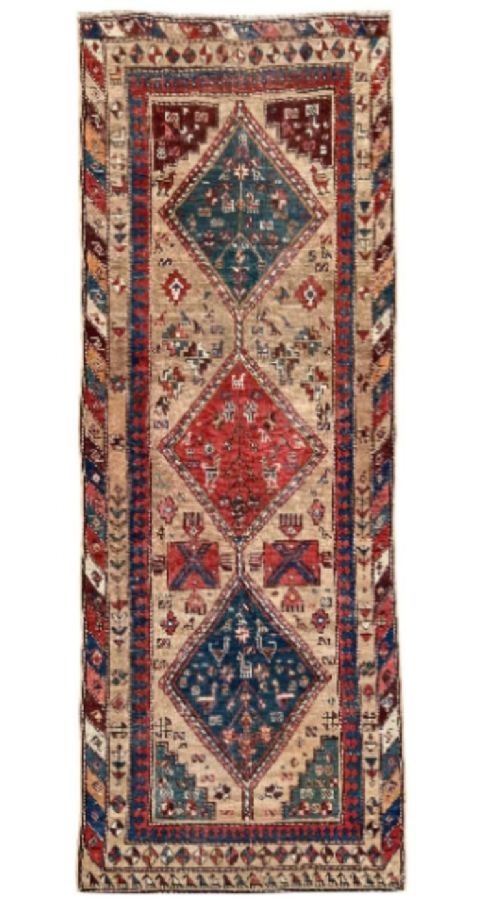
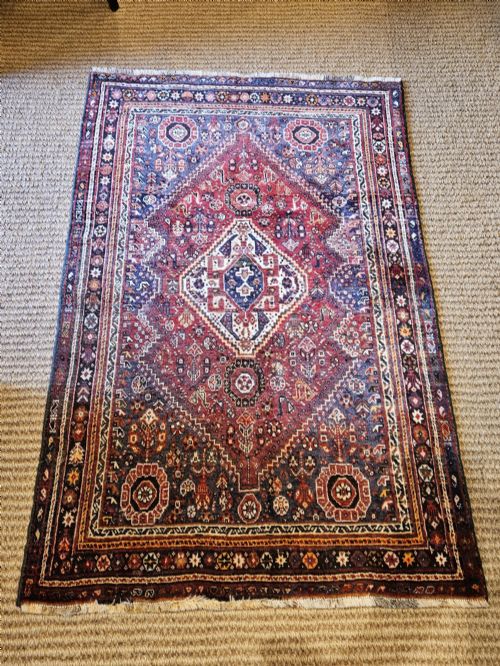
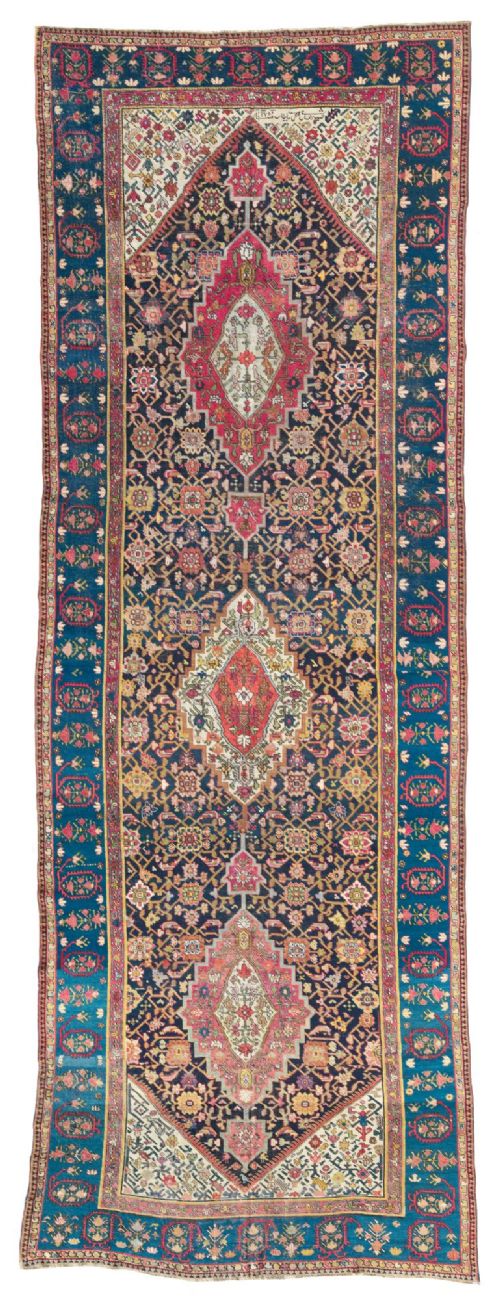
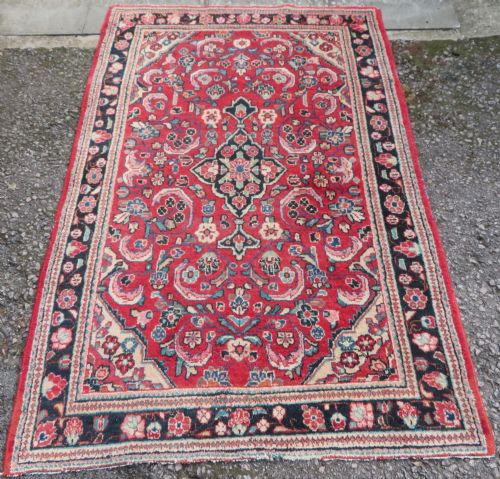
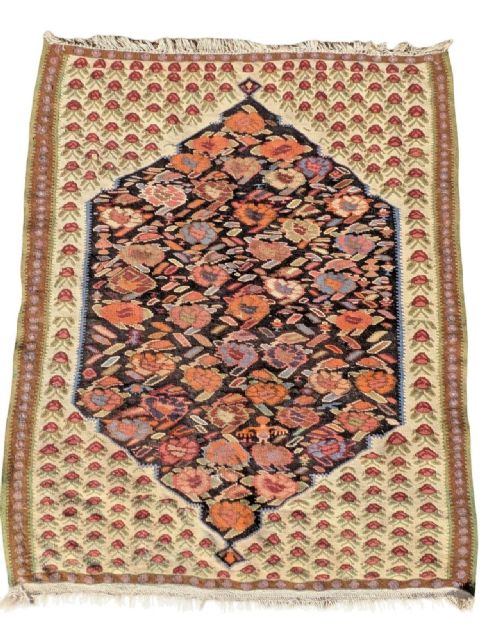
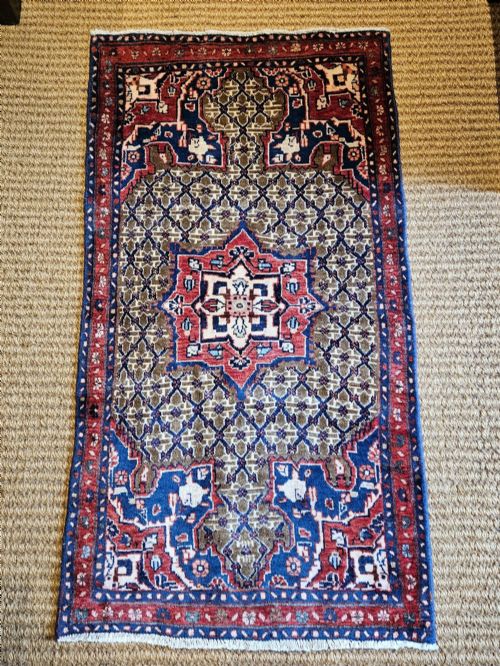
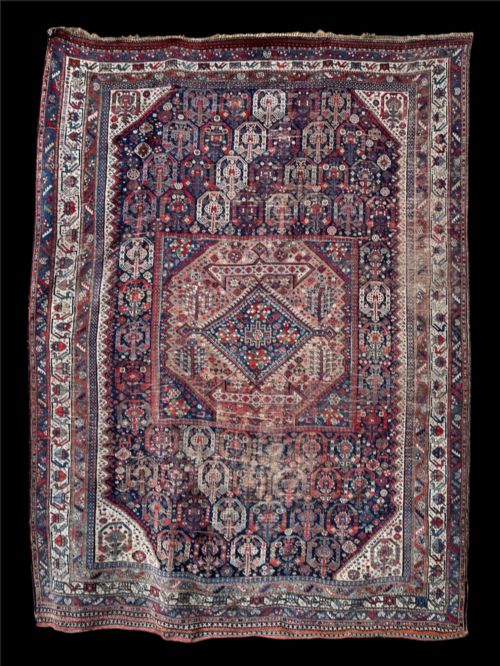
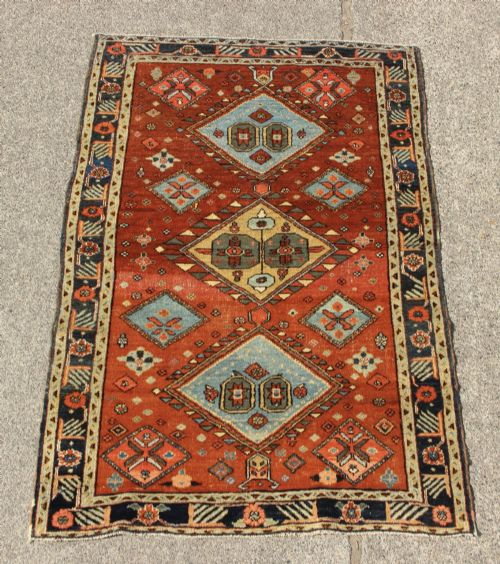
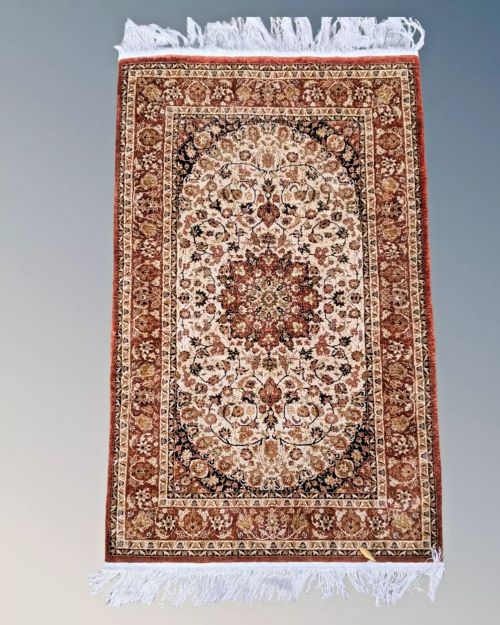
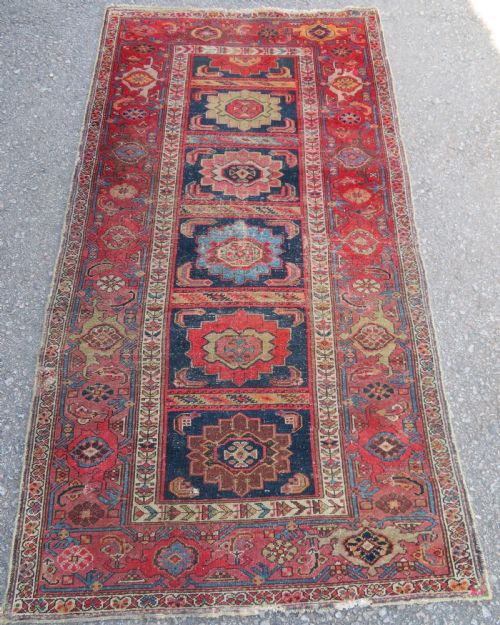
Persian Medallion Runner
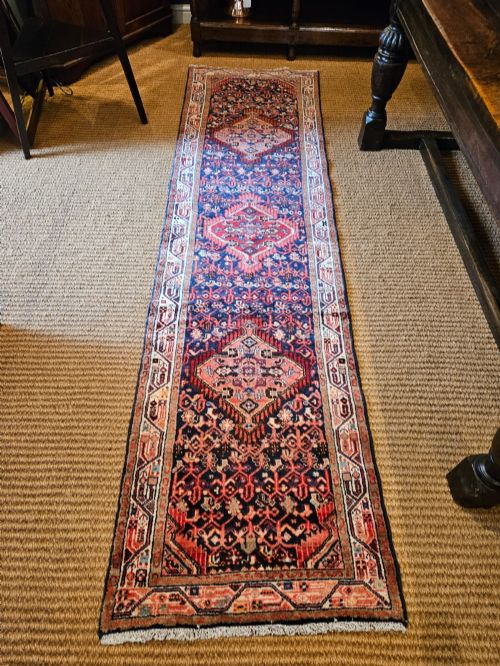
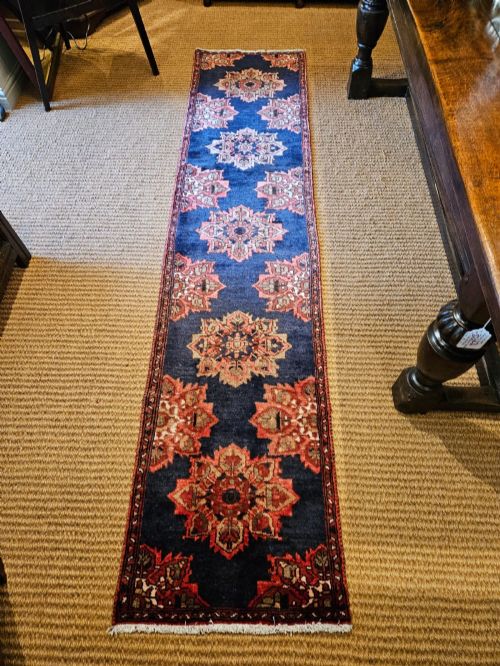
These persian medallion runner pieces bring traditional village workshops straight to your hallway with their bold centre motifs.
Persian Medallion Runner
A persian medallion runner is a long, narrow floor covering designed for corridors, displaying a prominent central design motif that anchors the entire composition. When searching for this phrase, you encounter pieces originating from nineteenth and early twentieth-century village workshops and nomadic confederacies.
The selection on this page includes traditional regional formats spanning Kurdish, Hamadan, and Bakhtiar traditions, often rendered in elongated proportions suitable for narrow spaces. These textiles combine tribal character with structured geometric or floral medallion layouts handed down through generations of weavers.
How they were made
Weavers constructed these pieces predominantly from wool and hand-spun wool, sometimes incorporating cotton foundations for structural stability and occasional silk highlights. Knotting techniques applied by hand secured the pile firmly to the warp and weft threads, ensuring durable floor use.
Natural dyeing traditions provided the rich colour palettes visible across these village rugs, utilising local plant and mineral sources to achieve deep blues, rusts, and earth tones. Each textile reflects regional weaving practises tied to specific tribal groups and highland settlements.
Some runners hide weaver fingerprints right in the wool, left behind when a nimble hand tightened a knot a century ago.
What varies in quality
The fineness of the knot count and the precision of the medallion geometry distinguish exceptional village weaving from simpler utility pieces. Greater density in the pile allows intricate curved or rectilinear patterns to hold their definition sharply across the field.
The depth and saturation of the dyework dictate visual success, with complex abrasash colour shifts marking genuine handmade character rather than industrial uniformity. The integrity of the original wool supply and the tightness of the weave determine how well the runner retains its structure under foot traffic.
The Persian Medallion Runner Glossary
- Medallion
- A central ornamental motif placed in the middle of the carpet field. It typically takes a geometric or floral shape that organises the surrounding design elements.
- Runner
- A long, narrow carpet format specifically proportioned for corridors, hallways, and staircases. This shape guides movement through domestic spaces.
- Abrasash
- A natural variation in tone within a single colour field caused by changes in dye batches or hand-spun yarn lots. It creates a subtle, shaded effect valued by collectors.
- Warp
- The vertical foundation threads stretched tightly on the loom before knotting begins. The fringe of the rug is typically formed from these exposed ends.
- Weft
- The horizontal threads passed back and forth between warp threads to lock the knots in place. This structure gives the textile its flat firmness.
Persian Medallion Runner: Frequently Asked Questions
Where should I place a runner?
These narrow formats suit hallways, corridors, and bedside areas where floor space is restricted. Their elongated proportions draw the eye down a passage while protecting high-traffic wooden flooring.
Ensure you use a suitable underlay beneath the textile to prevent sliding on smooth surfaces. This placement keeps the central motif centred along the path of movement.
How do I clean an old wool rug?
Gentle surface brushing and careful vacuuming without a rotating beater bar remove everyday dust from the pile. Professional textile cleaning is advisable for deep washing to protect natural dye stability.
Avoid soaking the cotton or wool foundation excessively during routine upkeep. Allowing air circulation prevents moisture retention in the natural fibres.
What is a tribal medallion design?
Tribal weavers interpreted classic medallion layouts through geometric abstraction rather than court-style curves. These designs reflect local folklore and traditional motifs passed down within specific weaving groups.
The resulting patterns feature sharper angles and bold colour contrasts that identify the geographic roots of the maker. Each regional group adapted the central ornament to suit their own aesthetic.
How do I date an antique runner?
Examining the materials, dye types, and structural wear provides clues to the age of a hand-knotted textile. Natural wool variations and vegetable dye palettes typically point towards production before mid-century industrial changes.
Comparison with documented regional styles helps narrow down the decade of manufacture. Minor irregularities in the weave often confirm traditional village craftsmanship.