
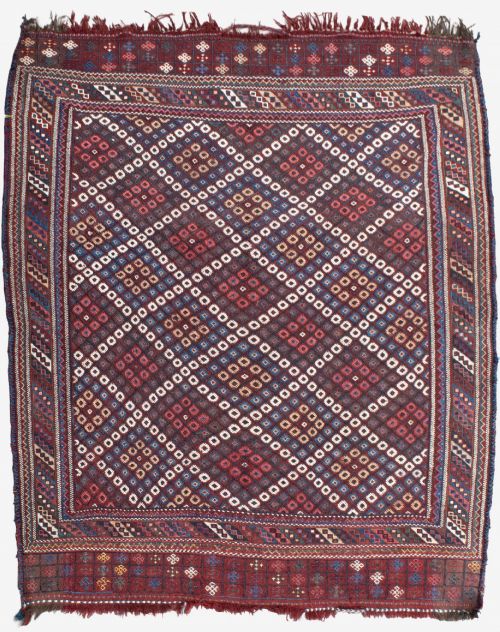


Persian Kilim Rug
When you search for a persian kilim rug, you enter the diverse world of tribal flatweaves spanning the nineteenth and twentieth centuries.
Persian Kilim Rug
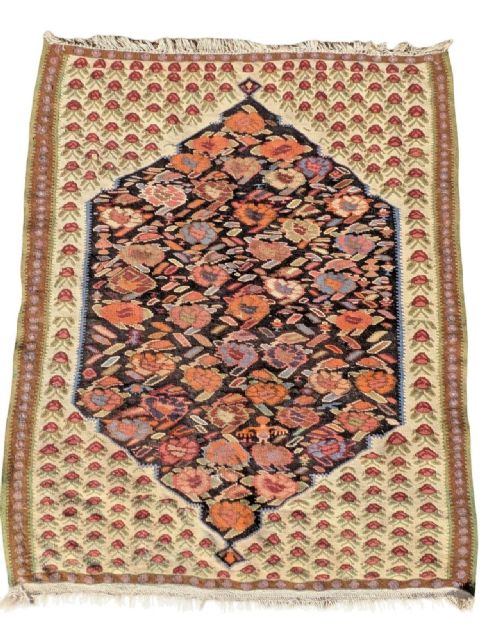
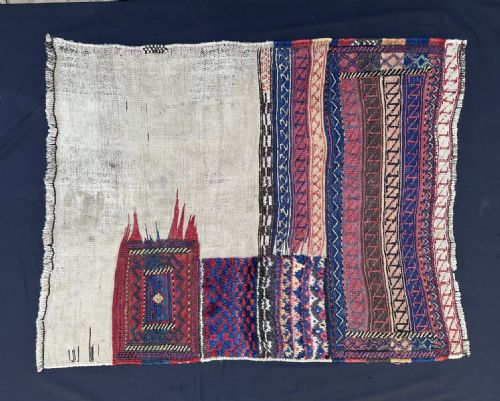
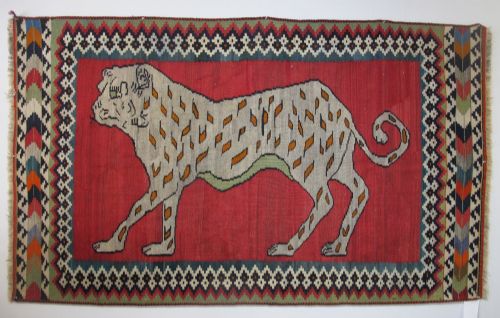
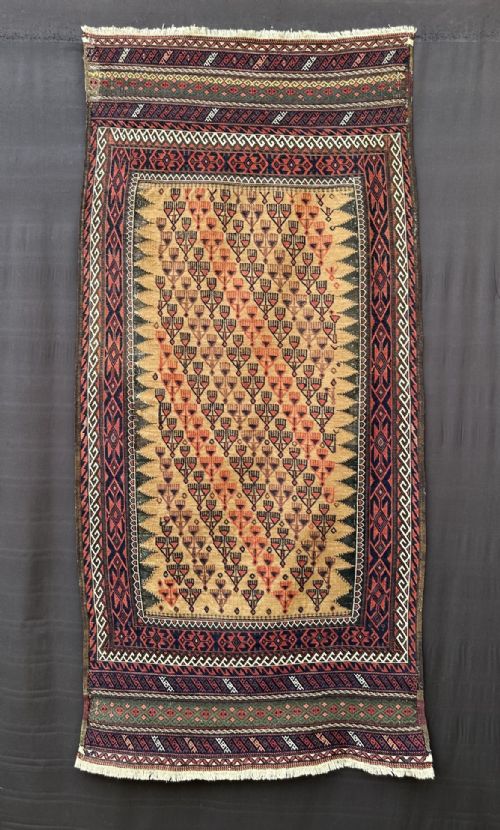
A persian kilim rug encompasses flatwoven textiles produced by nomadic and tribal groups across the regions of Persia, including pieces created by Qashqai, Afshar, Bakhtiari, and Baluch weavers. These flatweaves take many functional forms beyond standard floor coverings, appearing as dining and bread sofrehs, grain sacks known as tachehs, storage bags, and cushions.
The items found here originate primarily from the late nineteenth century up to the 1930s, reflecting the utilitarian output of tribal confederacies. Buyers will frequently encounter regional formats such as long runners, square sofrehs, and compact salt-bags rather than conventional room-sized carpets.
How They Were Made
These flatweaves rely on wool, hand-spun wool, and occasionally goat hair, structured around sturdy cotton or wool foundations. Weavers utilised natural dyes to achieve rich colour palettes, patterning the surfaces through interlocking weft-face techniques.
Specialised utility items incorporate structural variations such as banded weft work, Soumak wrapping, and velvet additions. Many pieces combine separate panels stitched together to form durable containers and covers for domestic life.
Persian Kilim Rug Retail Price Guide 2026
Typical asking prices for persian kilim rug among the pieces listed under this phrase on Sellingantiques today, from the lower quarter to the upper quarter. They describe what is for sale here now, not the wider market.
Listings span the period from 1850 through the 1930s, featuring wool, cotton, goat hair, and timber across tribal styles.
What Varies in Quality
The finesse of a flatweave depends upon the tightness of the weft-face weave and the handled quality of the hand-spun wool. Tighter structures yield sharper geometric definitions and greater longevity for daily utility.
Depth and complexity of natural dye work separate standard tribal output from exceptional examples. The clarity of regional iconography, such as tribal animal motifs or complex banded chevron designs, dictates the visual strength of the piece.
The Persian Kilim Rug Glossary
- Kilim
- A flatwoven textile produced without a pile, created by tightly interweaving warp and weft threads. This technique results in a smooth, reversible surface.
- Sofreh
- A spreading cloth or dining mat utilised by tribal groups for sharing meals or kneading bread. These are typically square or rectangular in format.
- Tacheh
- A traditional grain or wheat sack woven by nomadic groups, often featuring decorative face panels. They were designed for domestic storage and transport.
- Soumak
- A supplementary weft-wrapping technique that produces a textured, brocade-like surface on the face of the textile. It offers greater structural thickness than standard flatweaving.
- Jajim
- A heavy flatweave constructed in narrow strips and joined together, frequently utilised for blankets or utility covers. The technique produces distinctive banded colour patterns.
Persian Kilim Rug: Frequently Asked Questions
What is a sofreh used for?
A sofreh served as a domestic spread for dining or preparing bread within nomadic tents and village homes. These textiles protected food from the ground and held household provisions.
Over time, these utility cloths became recognised for their striking geometric designs and regional tribal artistry.
How do I identify a tribal origin?
Tribal origins are identified through specific structural traits, dye palettes, and characteristic motifs associated with groups like the Qashqai, Afshar, or Bakhtiari. Each confederacy utilised distinct geometric vocabularies and colour combinations.
Examining the weave type and secondary materials like goat hair provides further clues to the specific region of production.
Are these rugs suitable for modern floors?
These flatweaves add authentic texture and historical character to contemporary living spaces when paired with a quality rug underlay. Their flat structure makes them practical for placement in moderate-traffic areas.
Many smaller formats function effectively as wall hangings, table covers, or accent pieces.
What is the difference between kilim and soumak?
A kilim is purely flatwoven by interlocking weft threads around the warps, creating a smooth surface on both sides. Soumak incorporates a wrapping technique that leaves floats on the reverse and adds physical texture to the face.
Both methods produce durable textiles, but Soumak yields a heavier and more substantial handle.