

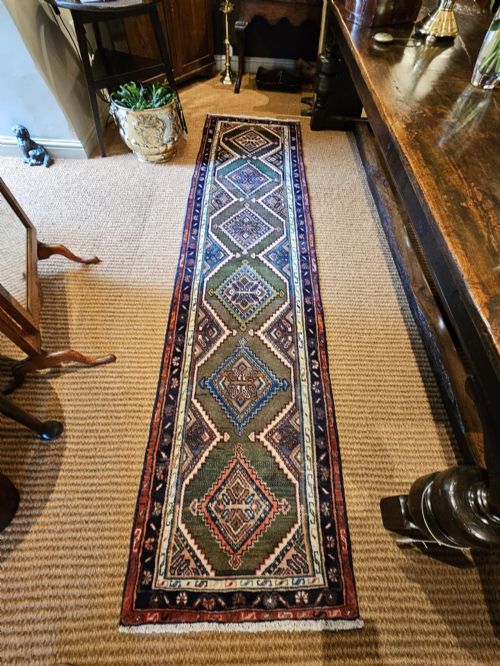




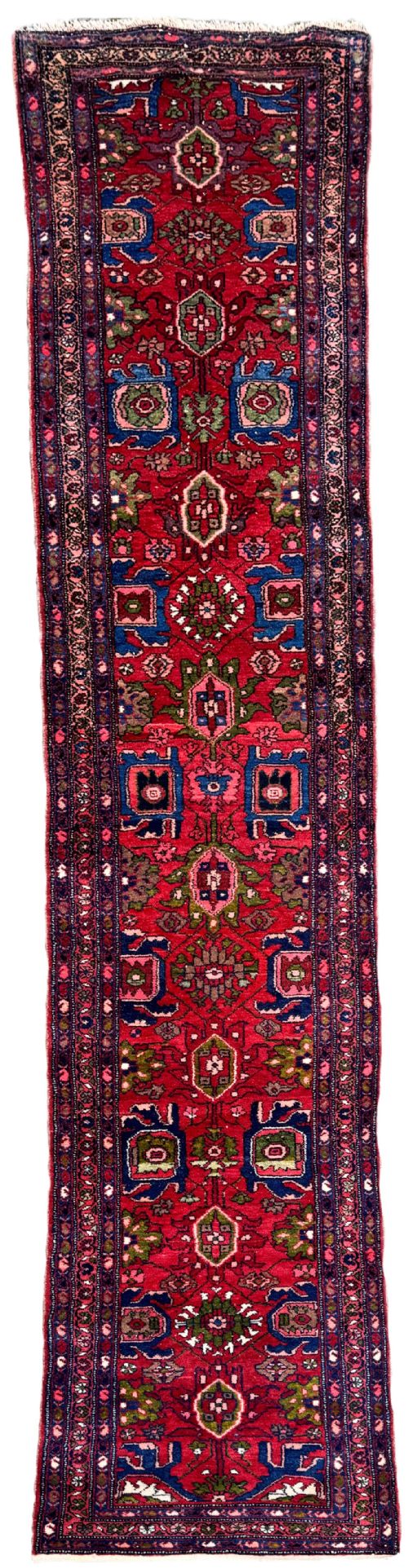
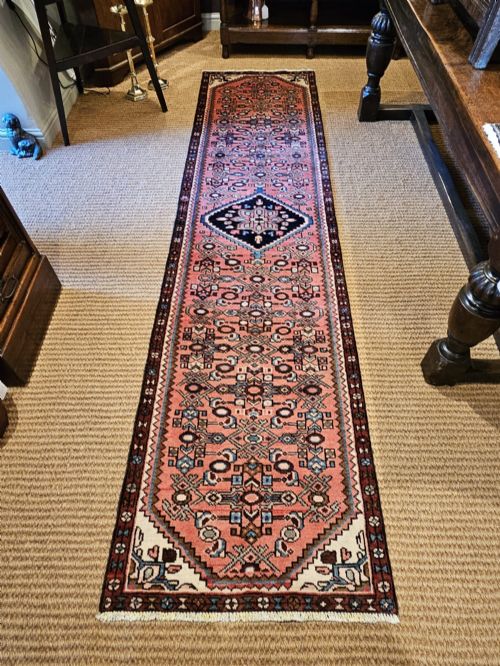



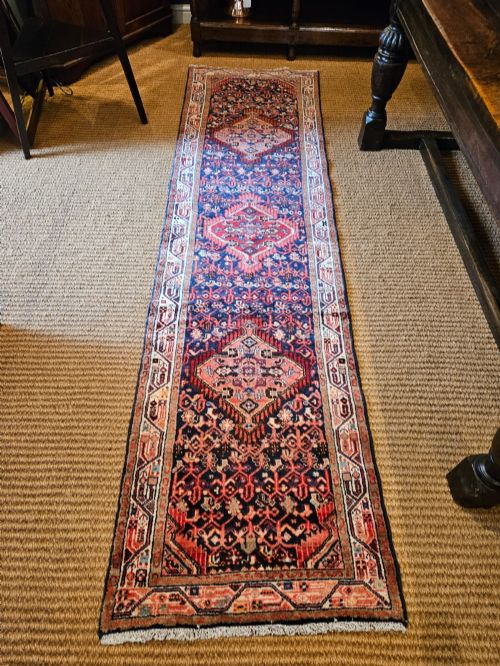
Persian Hallway Carpet Runner
A persian hallway carpet runner brings long stretches of woven warmth and character to narrow floors, grounding corridors with historic craftsmanship.
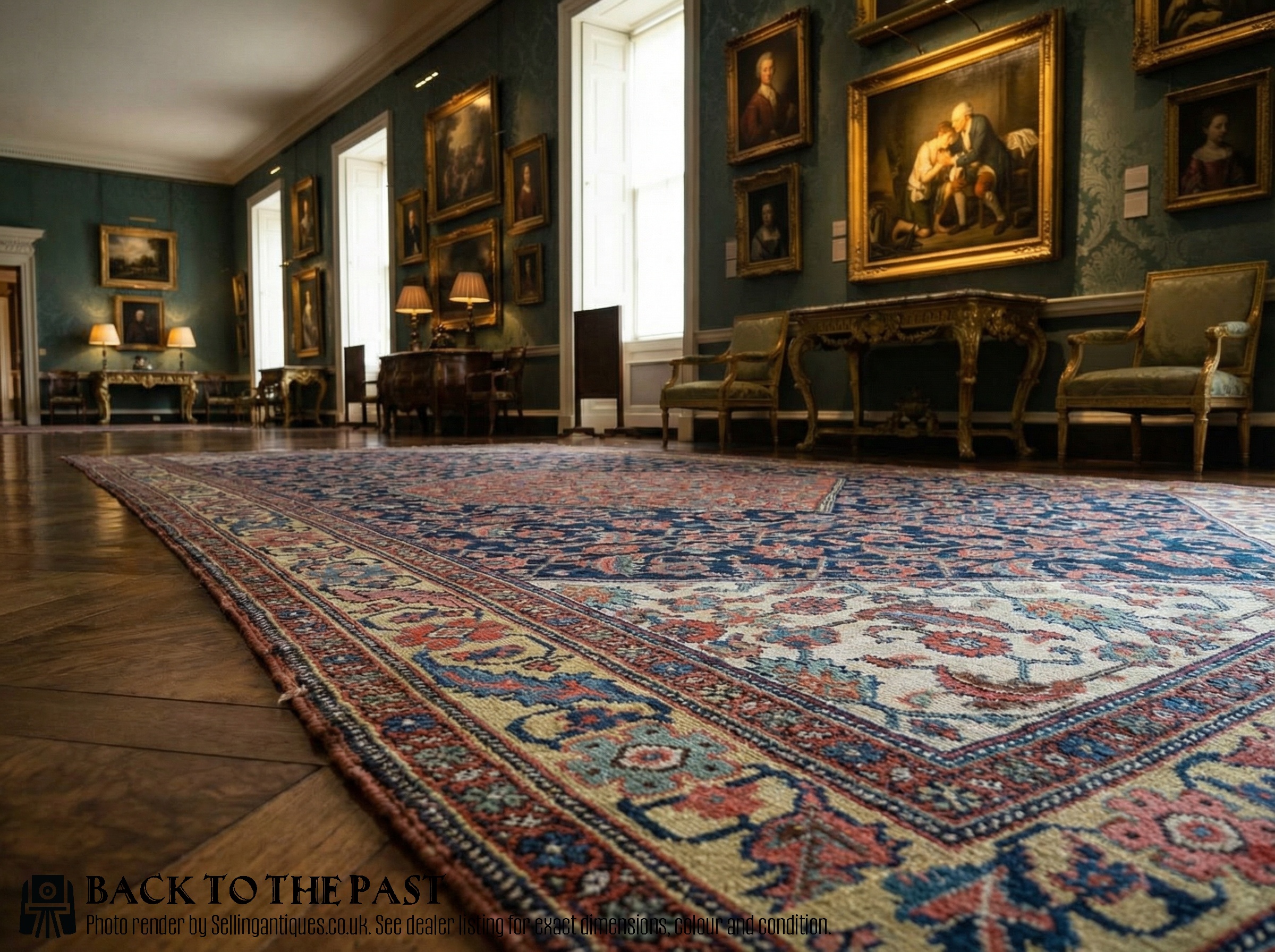
Persian Hallway Carpet Runner
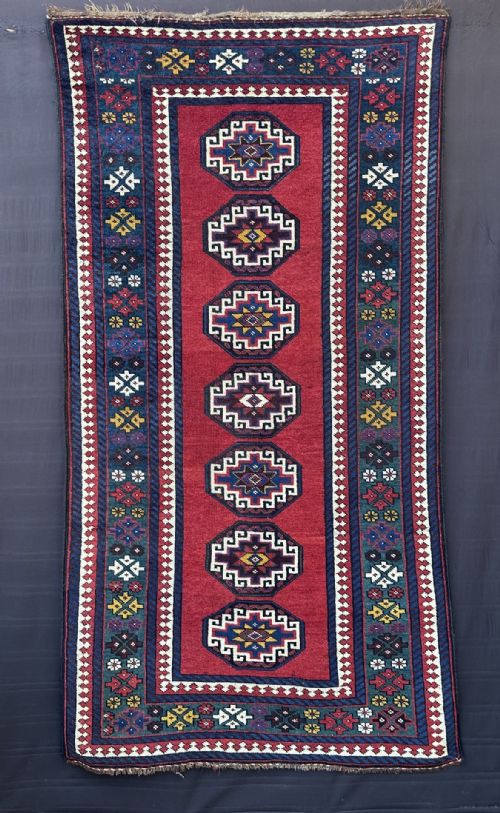
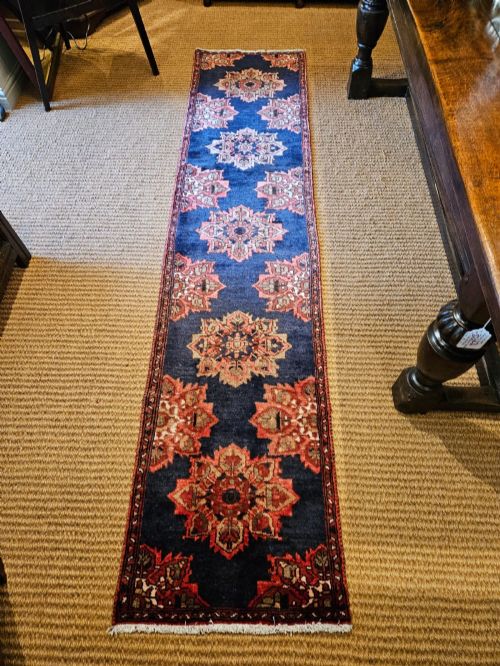
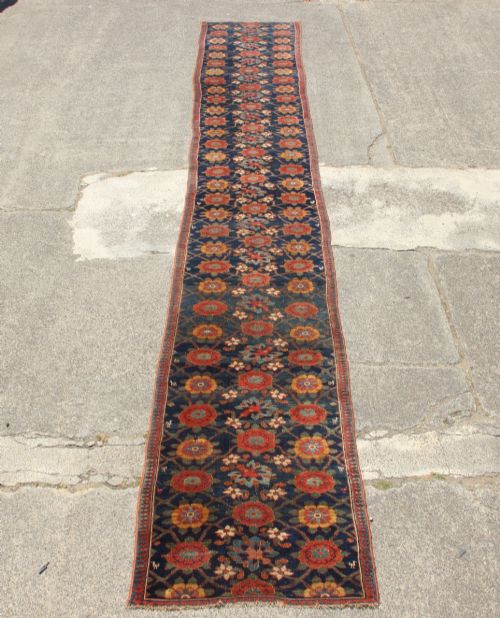
A persian hallway carpet runner is a long, narrow textile designed specifically to fit narrow spaces like corridors, landings, and halls. When searching this phrase, a buyer encounters elongated formats spanning various historic periods from the nineteenth century into the twentieth.
The most common examples on this page are antique village and tribal weavings originating from regions such as Kurdistan, Heriz, Hamadan, and the Caucasus. These pieces display traditional geometric, medallion, or lattice designs suited for foot traffic in domestic interiors.
How They Were Made
These runners are constructed primarily using wool for the pile and foundation yarns, sometimes paired with cotton for structural warp and weft threads. Traditional handweaving techniques bind the wool fibres securely to create durable floor coverings designed for heavy use.
Weavers knotted or wove these textiles by hand on vertical looms, employing natural dye palettes that produced deep indigo blues, olives, and reds. The combination of sturdy wool and tight handweaving accounts for the longevity found across nineteenth and early twentieth-century examples.
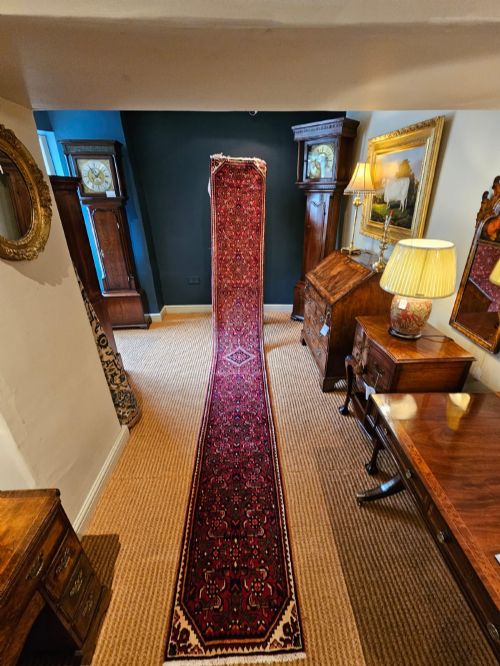
One notably elongated corridor runner stretches to thirty-two feet, requiring a remarkably long hallway or a very patient weaver.
What Varies in Quality
Quality in these runners relates closely to the density of the weave and the fineness of the wool used in the pile. Tighter knots and finer materials allow for crisper pattern definition and greater resilience against wear in busy hallways.
Design execution and palette harmony also distinguish exceptional pieces from standard village work. Balanced proportions, expressive tribal motifs, and well-preserved natural dyes elevate a runner's visual impact and collectable standing.
The Persian Hallway Carpet Runner Glossary
- Runner
- A long, narrow carpet format intended for corridors, hallways, and staircases. It guides the eye down linear spaces while protecting wooden floors.
- Pile
- The upright yarn loops or cut ends that form the soft surface of a carpet. In these pieces, the pile is traditionally woven from pure wool.
- Warp
- The stationary vertical threads stretched on a loom that form the foundational skeleton of the rug. Cotton and wool are typical warp materials.
- Weft
- The horizontal threads passed back and forth across the warp threads to bind the knots in place. This technique secures the structural integrity of the weave.
- Mina Khani
- A traditional repeating geometric flower pattern often arranged in a lattice grid. It appears frequently in Kurdish and regional Persian weaving.
Persian Hallway Carpet Runner: Frequently Asked Questions
How do I choose the right length for a hallway?
Measure the clear floor space of your corridor while leaving an even margin of exposed floorboards or tiles visible around the edges. This frames the textile properly within the passage.
Account for doors opening into the hallway to ensure the runner's thickness does not obstruct their movement. Selecting a length that stops short of doorways prevents bunching and wear.
Are these runners durable enough for daily foot traffic?
Traditional village and tribal runners were originally built for heavy domestic use in pastoral or residential settings. The dense wool pile handles regular walking well when paired with a quality underlay.
Using a suitable rug pad beneath the runner prevents slipping and cushions the fibres against hard subfloors. This simple addition extends the working life of historic textiles significantly.
How do I identify a Kurdish runner?
Kurdish runners frequently feature bold geometric medallions, robust wool foundations, and distinctive tribal motifs passed down through generations. Their colour palettes often rely on saturated blues, reds, and deep earth tones.
Structural traits like heavier wool usage and characteristic borders also help identify regional Kurdish work compared to fine city carpets. The handle is typically substantial and flexible.
Can I use an antique runner on a modern floor?
Historic runners bridge traditional and contemporary interiors by introducing texture, warmth, and historic narrative to minimal spaces. The aged patina softens sharp architectural lines.
Ensure the floor beneath is clean and level, and use a breathable non-slip underlay to secure the piece. This keeps the runner flat and protects both the textile and the flooring below.