



Persian Baluch Carpet
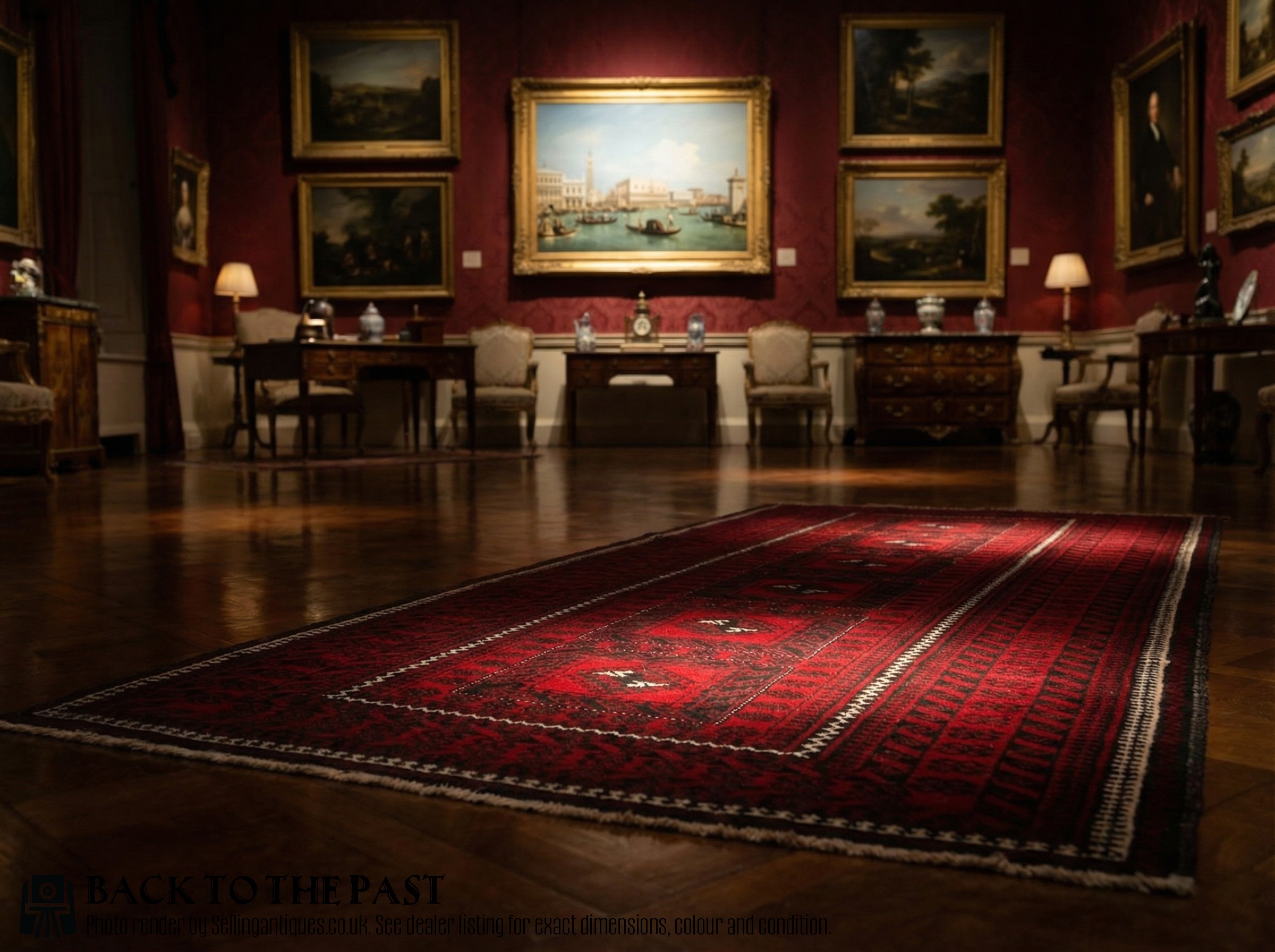
A persian baluch carpet brings nomadic character into an interior through deep wool piles and repeating tribal motifs woven across the nineteenth and early twentieth centuries.
Persian Baluch Carpet
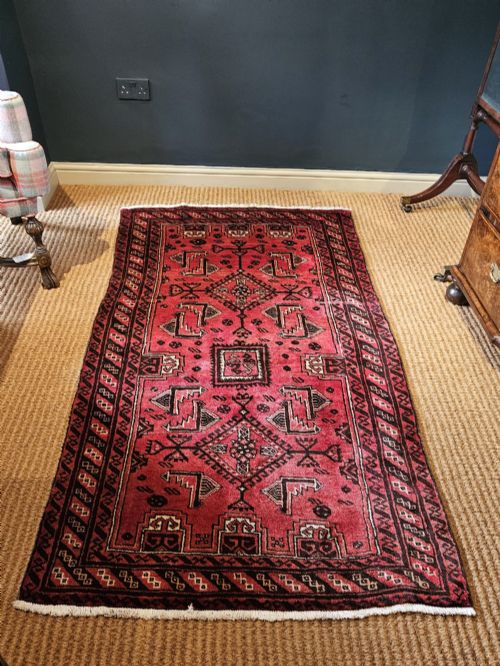
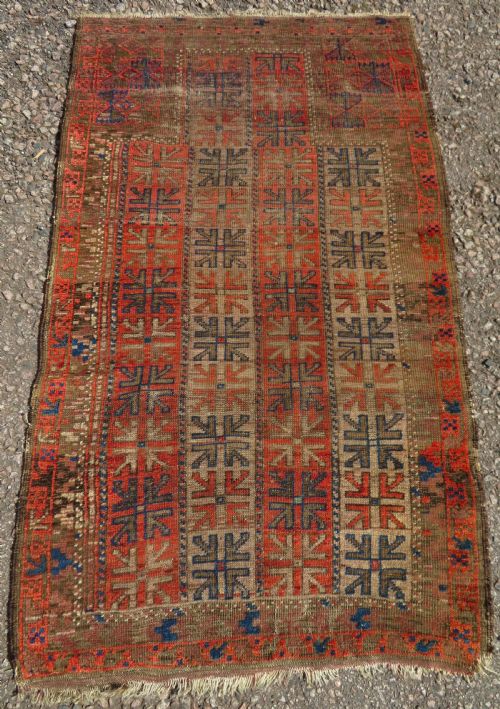
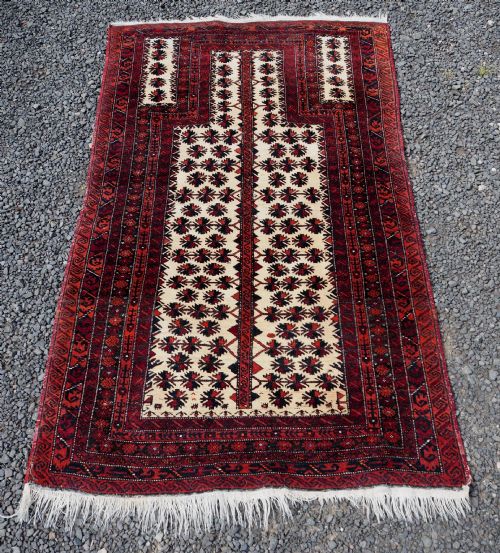
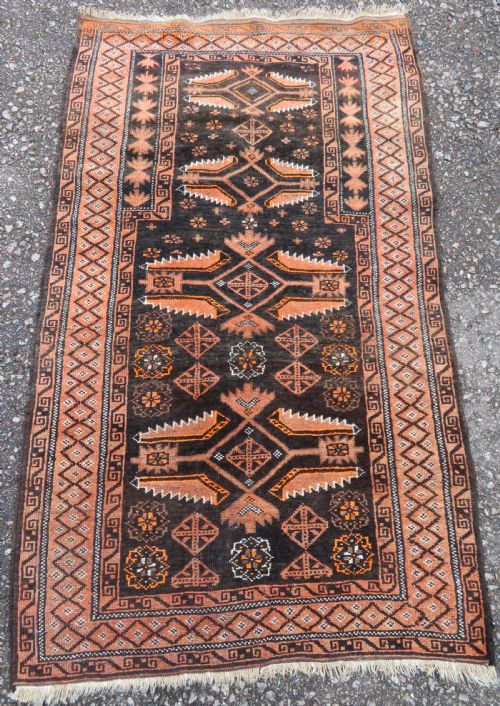
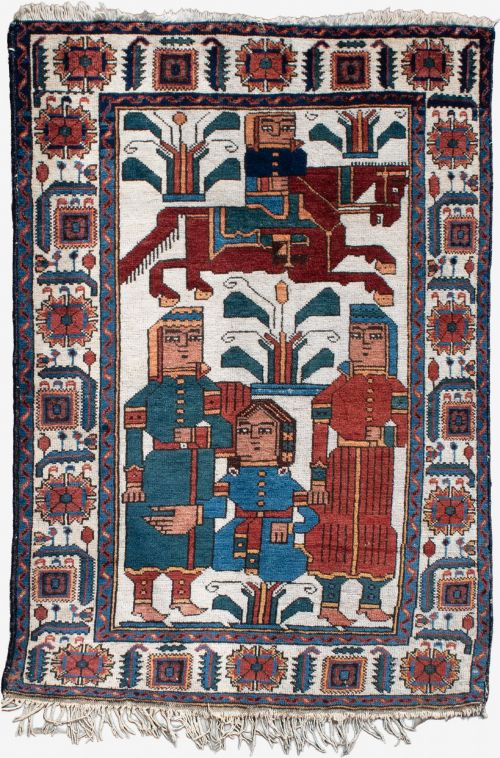
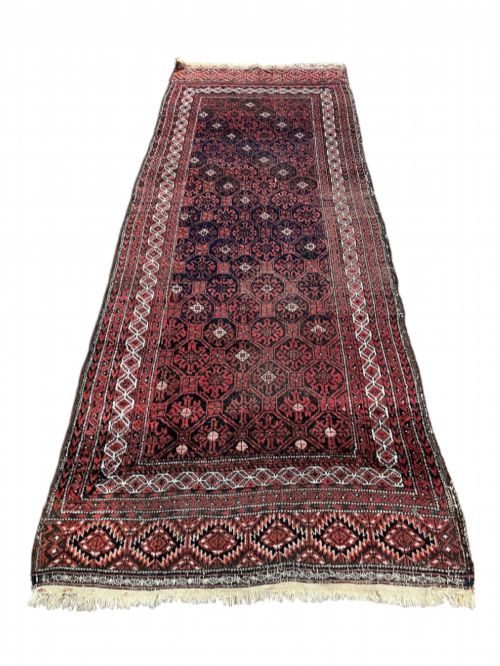
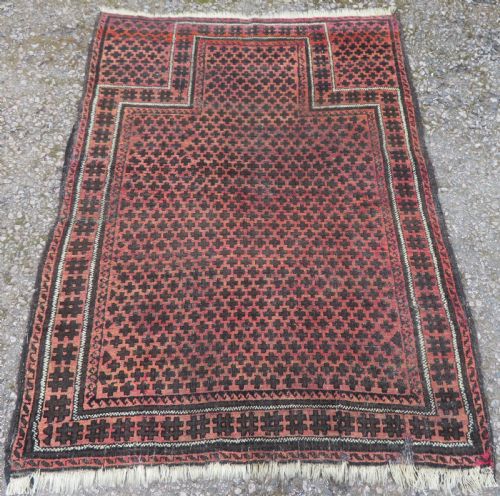
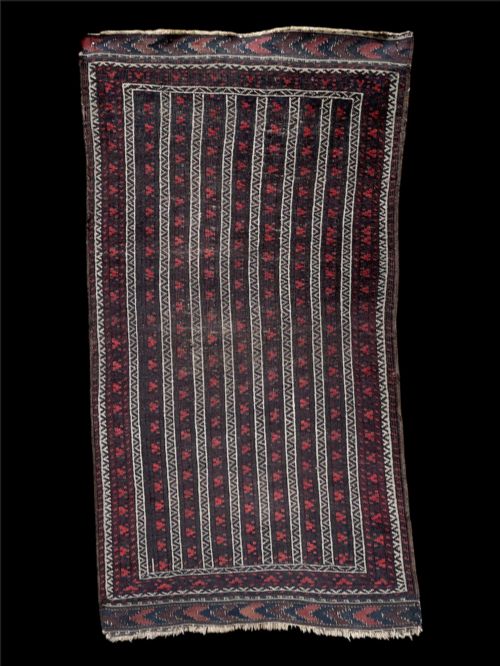
A persian baluch carpet encompasses tribal and nomadic floor coverings woven by Baluchi and related groups inhabiting the borderlands of Persia and Afghanistan. These pieces typically present in formats ranging from small village prayer rugs and runners up to main carpets featuring traditional layouts.
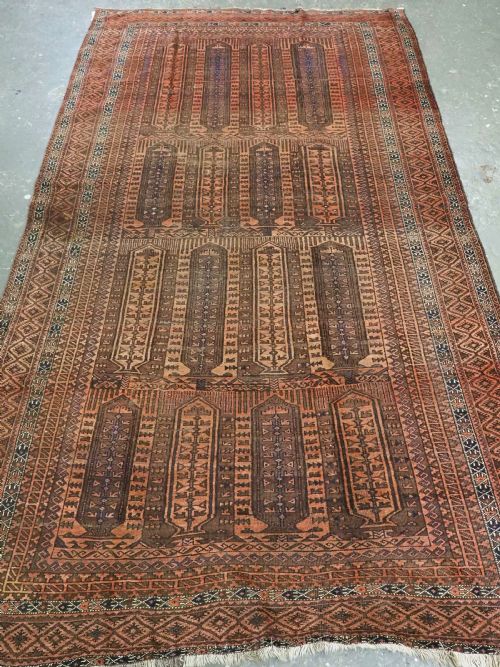
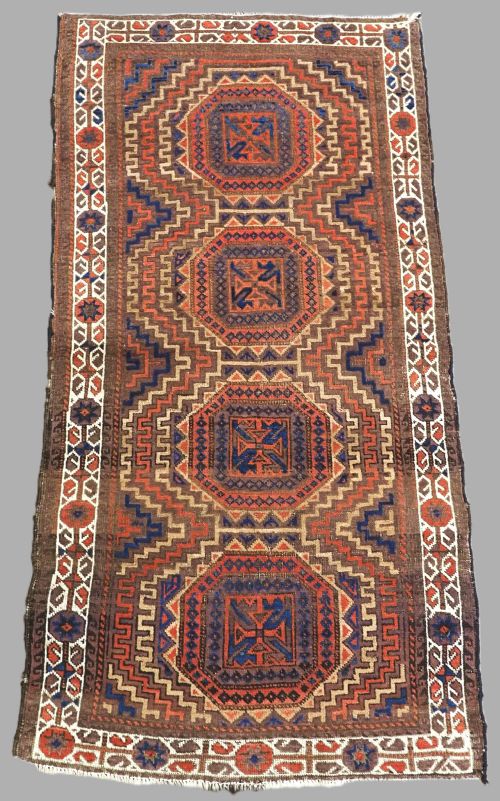
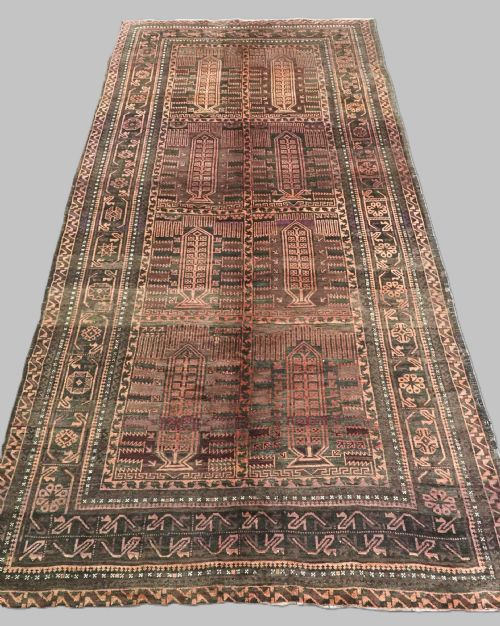
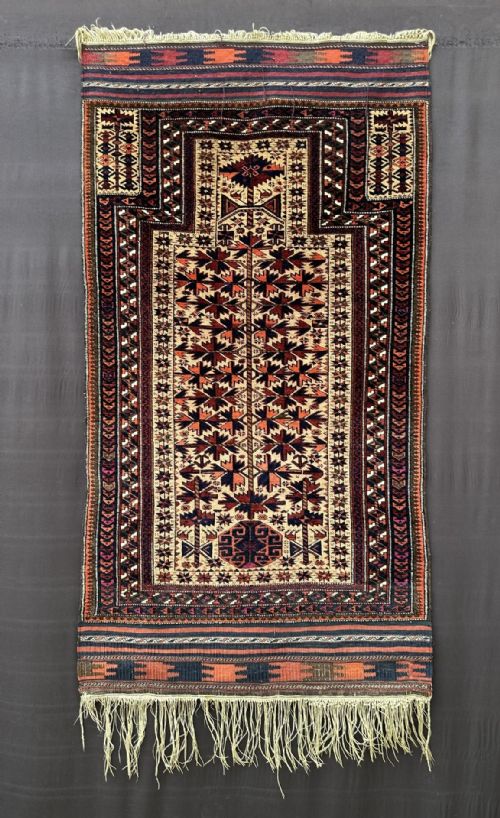
The version most commonly encountered on this page is the antique rug dating from the late nineteenth century to the early decades of the twentieth century. These examples frequently display characteristic motifs such as guls, tree of life designs, and kalam donner patterns woven by hand.
Makers within these communities utilised traditional structures including wool and goat hair foundations paired with varied pile lengths. The resulting textiles reflect the heritage of tribal weavers working across Khorasan, Sistan, and surrounding regions.
Materials and construction
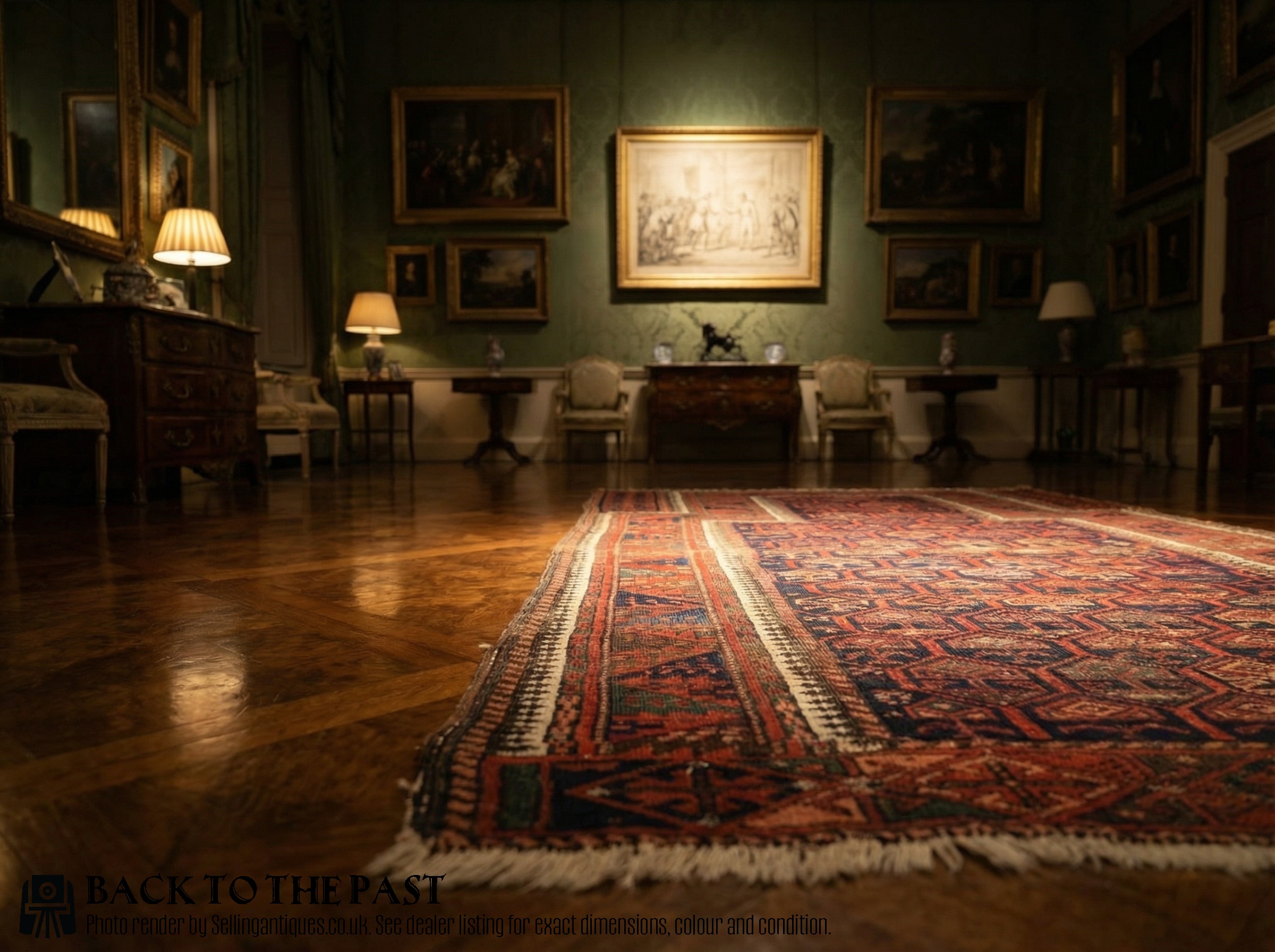
Weavers constructed these carpets predominantly using wool for the pile, often combined with cotton or wool foundations for structural stability. Certain pieces incorporate goat hair or camel hair within the outer borders and selvedges to increase durability.
Natural dyes provided the palette for older examples, yielding deep indigo blues, madder reds, and rich brown grounds derived from local plants and minerals. Hand knotting techniques formed dense, resilient surfaces designed to withstand generations of nomadic or village use.
Persian Baluch Carpet Retail Price Guide 2026
Typical asking prices for persian baluch carpet among the pieces listed under this phrase on Sellingantiques today, from the lower quarter to the upper quarter. They describe what is for sale here now, not the wider market.
The listings show pieces spanning the nineteenth century through the 1930s, constructed from wool, cotton, and camel hair.
Evaluating quality and condition
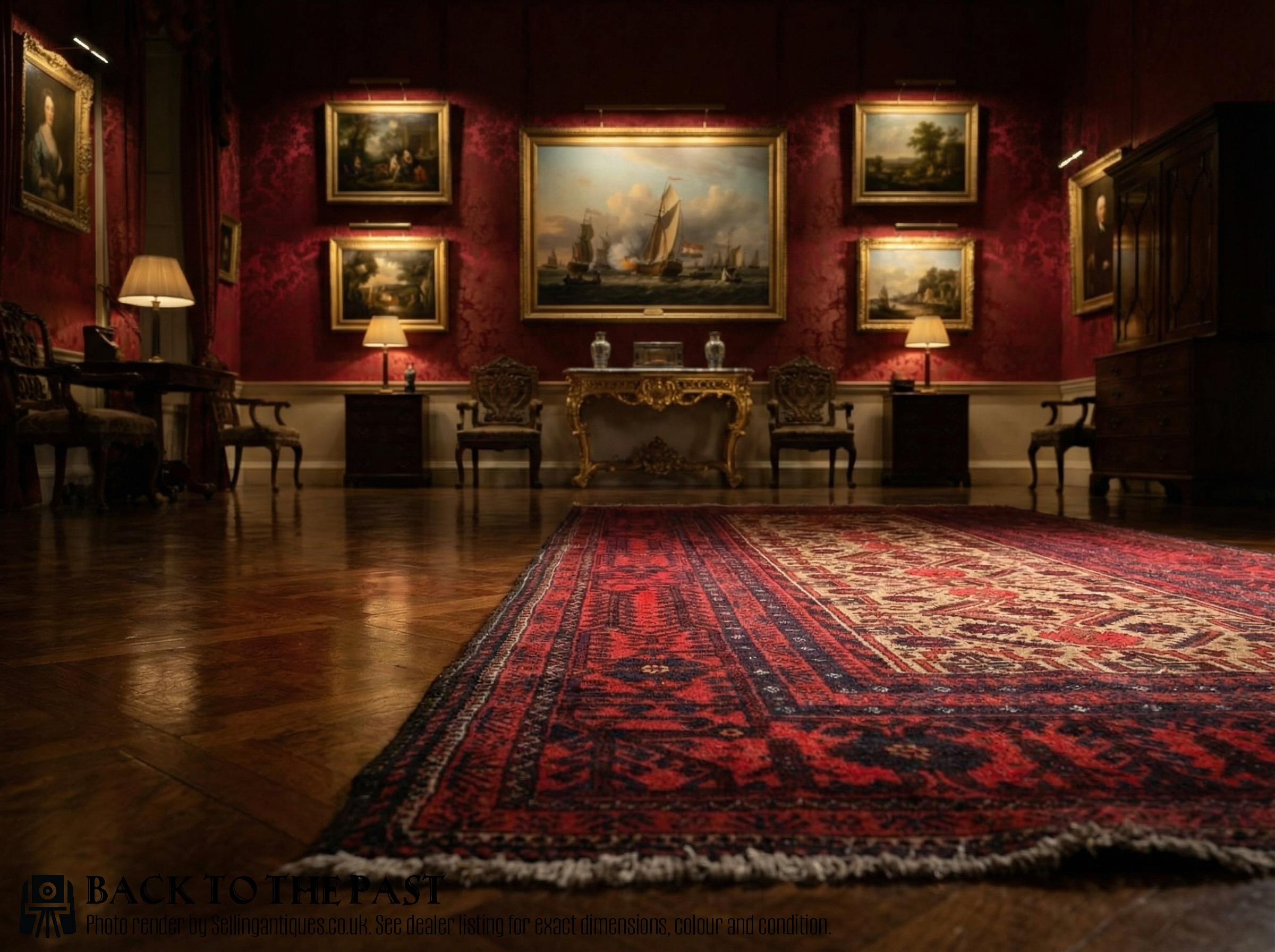
Quality in these textiles depends on the fineness of the knotting, the complexity of the tribal design, and the depth of the wool pile. Tightly woven examples with clearly defined motifs and well preserved natural dye colours stand apart from simpler commercial productions.
Condition alters the character of each piece, with intact borders and original ends representing the higher tier of survival. Wear to the wool foundation and losses in the pile reflect the genuine age and functional history of older village carpets.
Yaqoub Khani Tribe·Mahdad Khani Baluch·Mushwani Baluch·Taimani Sistan Baluch
The Persian Baluch Carpet Glossary
- Gul
- A repeating medallion motif often found in tribal carpets. These octagonal or polygonal shapes form the primary pattern across many Baluch rugs.
- Prayer rug
- A small format textile featuring a mihrab or arch design at one end. Historically used for daily prayers, these rugs direct the worshipper's focus.
- Kalam donneh
- A repeating motif resembling a pencil box or stylized shrub. This pattern frequently organises the field of nineteenth century Timuri and Baluch carpets.
- Kilim
- A flatweave textile produced without a pile by tightly interweaving warp and weft threads. Such pieces serve as floor coverings or storage bags.
- Mihrab
- The arched architectural niche depicted on prayer rugs to indicate the direction of prayer. It remains a central design element in nomadic weaving.
Persian Baluch Carpet: Frequently Asked Questions
What is a persian baluch carpet?
A persian baluch carpet is a hand knotted textile produced by nomadic and village weavers across the borderlands of Persia and Afghanistan. These rugs incorporate distinctive tribal motifs, geometric medallions, and dark wool palettes.
Historically woven for domestic utility or trade, these carpets reflect the traditional techniques and cultural symbols of Baluchi and related tribal groups from the nineteenth and early twentieth centuries.
How do I date an antique baluch rug?
Dating these rugs involves examining the wool quality, the complexity of the natural dye palette, and structural characteristics like selvedges and foundation materials. Earlier examples from the nineteenth century often display more saturated natural colours and finer, heavier wool.
Stylistic markers such as specific gul arrangements, prayer mihrab shapes, and structural wear patterns also help place a piece within periods spanning the 1880s to the 1930s.
How were these rugs used originally?
Nomadic and village communities utilised these carpets primarily as floor coverings, tent furnishings, and portable seating areas. Smaller formats served as designated prayer mats for daily rituals within the household.
Runners and main carpets were laid across packed earth or felt flooring inside tents and mudbrick homes to provide insulation and decorative warmth against cold winters.
How do I care for an antique wool rug?
Preserving an antique wool textile requires gentle maintenance, starting with regular light vacuuming without a rotating power brush. Keeping the rug out of direct sunlight prevents natural and early chemical dyes from fading over time.
Periodic professional cleaning suited for antique pile carpets ensures the wool and cotton foundations remain supple without stripping the natural lanolin from the fibres.