


Persian Accent Rug
A persian accent rug brings centuries of woven heritage into a room, offering rich regional designs and durable floor coverings.
Persian Accent Rug
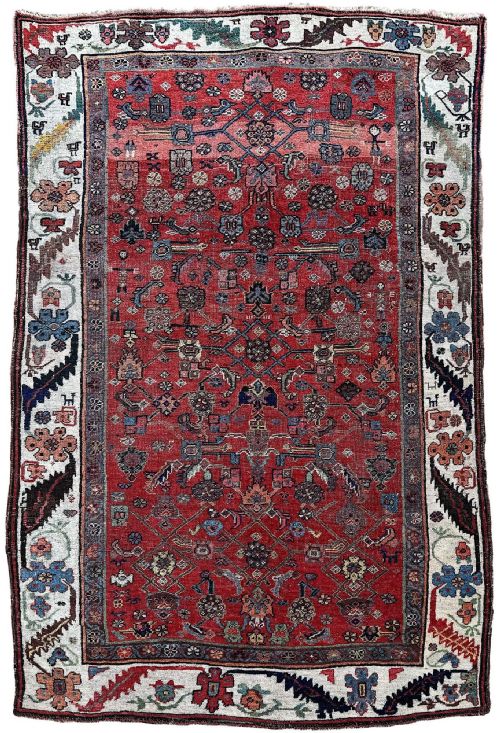
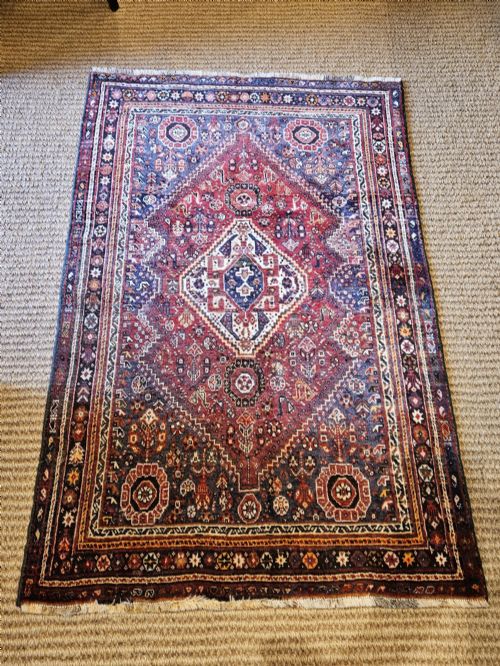
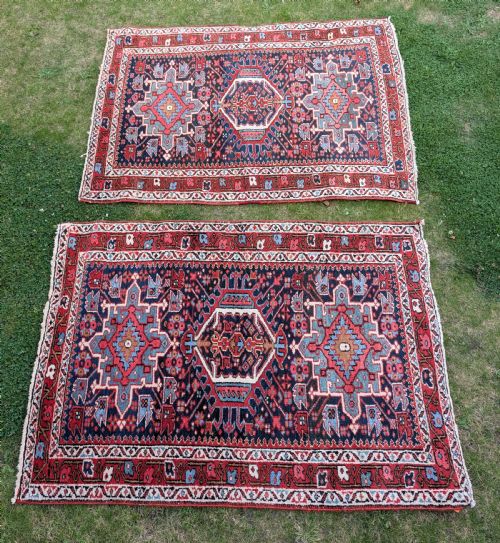
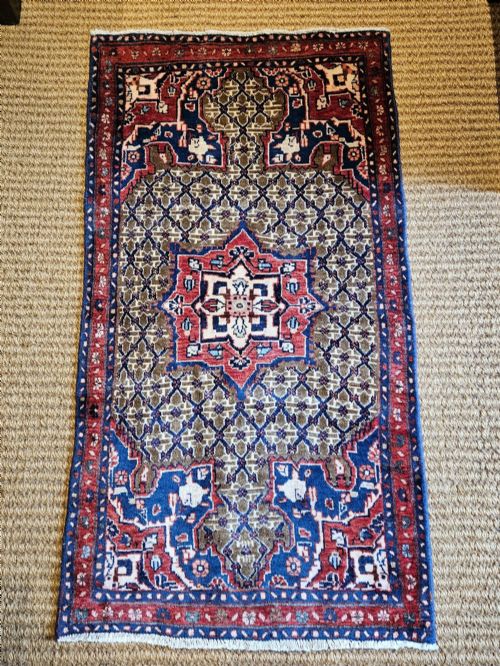
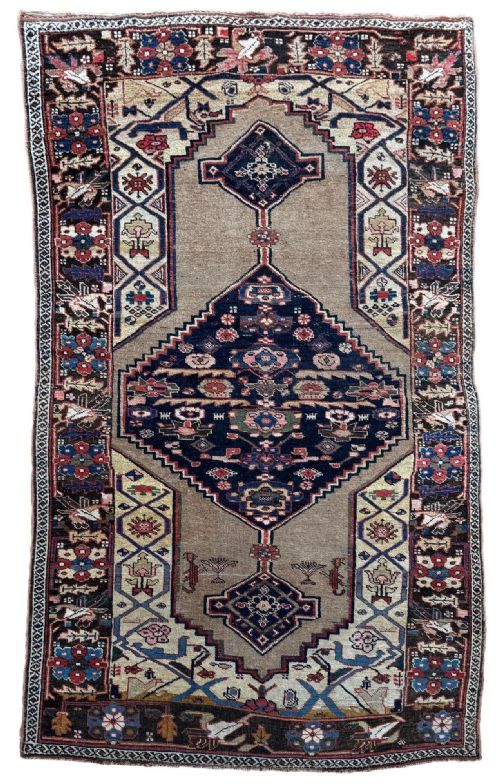
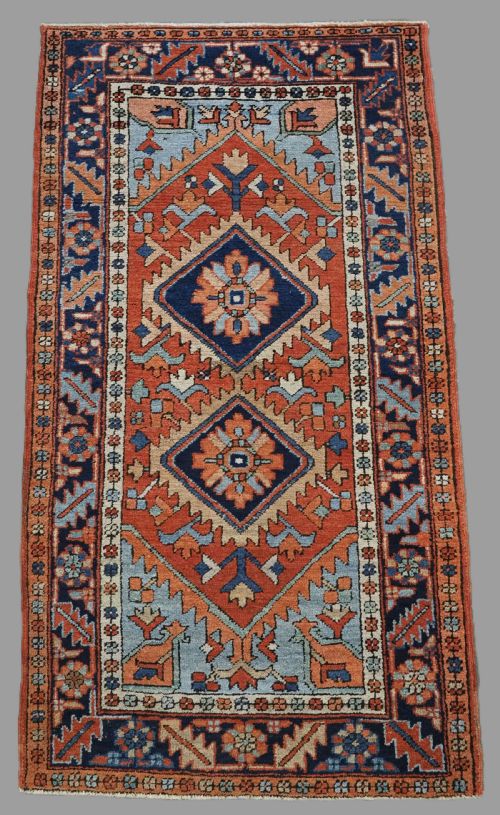
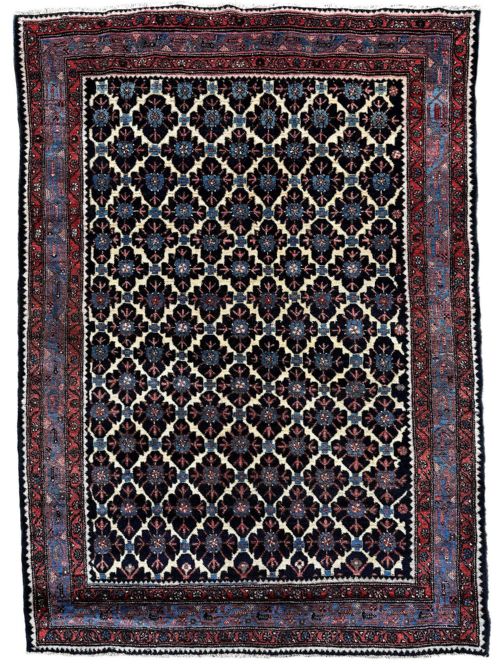
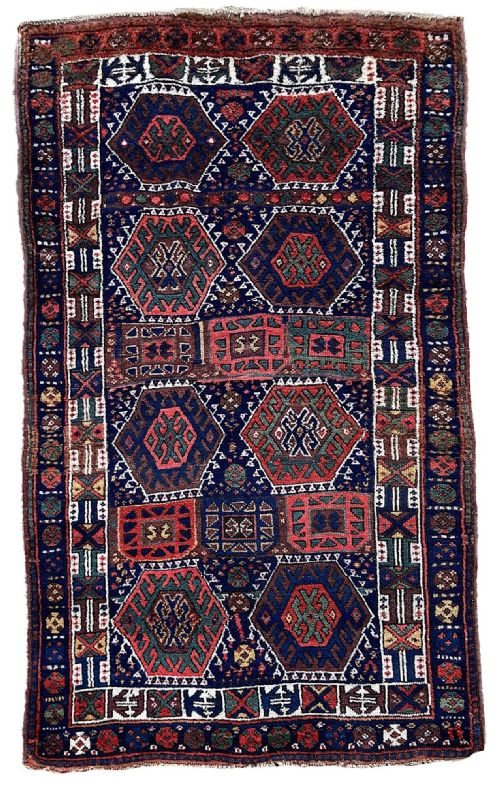
A persian accent rug encompasses traditional small-scale floor coverings originating from various regions and tribes across Persia. Buyers searching for a persian accent rug will encounter pieces dating from the late nineteenth century up to the early twentieth century, spanning decades such as eighteen eighty, eighteen ninety, nineteen hundred, nineteen ten, and nineteen twenty.
How they were made
Makers constructed each persian accent rug using natural textile materials, predominantly employing wool pile knotted onto sturdy cotton foundations. This combination of wool and cotton provides both the soft surface texture necessary for daily use and the structural stability required for longevity.
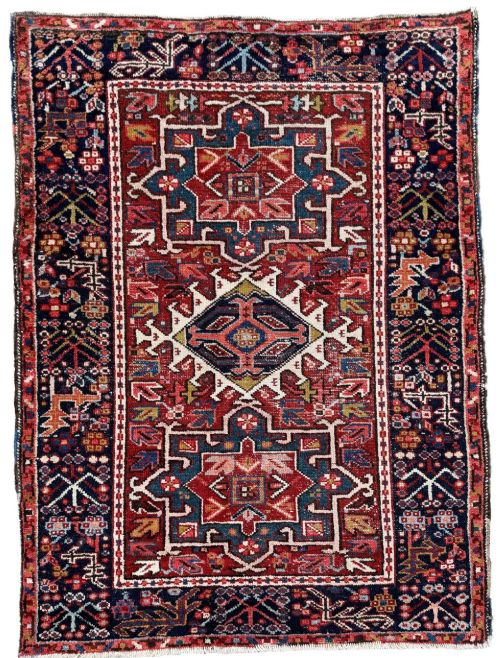
Weavers utilised traditional hand-knotting techniques unique to their specific tribes or urban centres, incorporating regional dyes and distinctive motifs such as star medallions and figurative elements like lions.
Persian Accent Rug Retail Price Guide 2026
Typical asking prices for persian accent rug among the pieces listed under this phrase on Sellingantiques today, from the lower quarter to the upper quarter. They describe what is for sale here now, not the wider market.
Some weavers included spirited depictions of lions in their wool designs, ensuring your floor covering comes with its own guardian beast.
What varies in quality
The distinction between standard examples and superior specimens rests upon the fineness of the knot density and the precision of the woven design. Finer knotting allows for crisper execution of complex motifs like star medallions and pictorial elements.
Material handling and wool quality further divide the range, as superior greasy wool yields a softer handle and better wear resistance over generations of use. Regional attribution also influences distinction, with certain tribal and urban workshops commanding greater attention for their artistic expression.
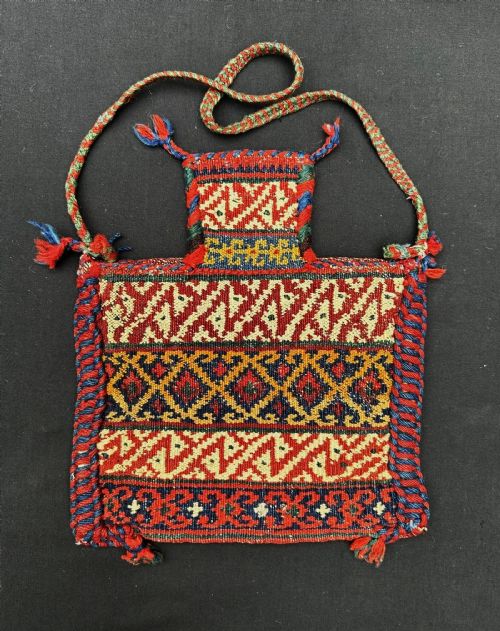
Mahdad Khani Tribe
The Persian Accent Rug Glossary
- Pile
- The surface of the rug formed by the cut ends of knotted yarn. This upper layer absorbs foot traffic and displays the woven design.
- Foundation
- The underlying grid of warp and weft threads that supports the knotted pile. Cotton is commonly utilised for this structural framework.
- Warp
- The vertical threads running lengthwise through the loom before weaving begins. These form the primary skeleton of the textile.
- Weft
- The horizontal threads passed alternately over and under the warp threads to secure the knots in place. This process locks the rows together.
Persian Accent Rug: Frequently Asked Questions
Where were these rugs made?
These rugs originate from various weaving centres and tribal regions across Persia, including specific areas like West Persia and South East Persia. Each district developed distinct aesthetic characteristics and knotting structures.
Local traditions and available materials shaped the output of each specific region, resulting in recognizable styles associated with particular towns or nomadic groups.
What materials are used?
The listings show that these rugs are constructed primarily from wool and cotton. Wool forms the soft pile on the surface, while cotton provides the strong foundation threads.
This combination ensures both comfort underfoot and structural integrity, allowing the textiles to endure decades of domestic use.
How do I date these rugs?
Dating relies on stylistic markers, structural analysis, and recorded periods ranging from eighteen eighty to nineteen twenty. Examining the complexity of the design and the materials offers clues to the era of production.
Historical weaving structures and specific tribal attributions help narrow down the approximate decade in which a piece was knotted.
How do I live with them?
These rugs function well as accent pieces in various living spaces, adding warmth and traditional character to floors. Placing an appropriate underlay beneath the rug helps prevent slipping and reduces wear.
Routine maintenance involves gentle vacuuming without a beater bar and professional cleaning when necessary to protect the natural fibres.