









Period Wall Display
A period wall display brings together decorative chargers, cabinet plates and hanging shelves to turn plain vertical space into a focal point.
Period Wall Display
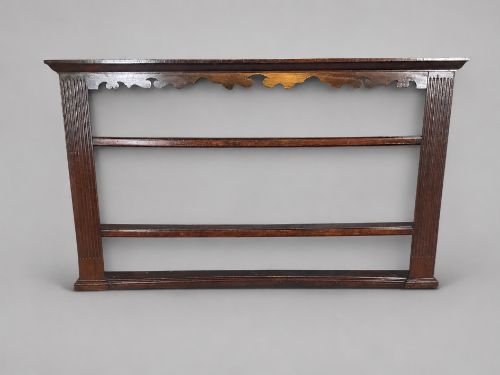
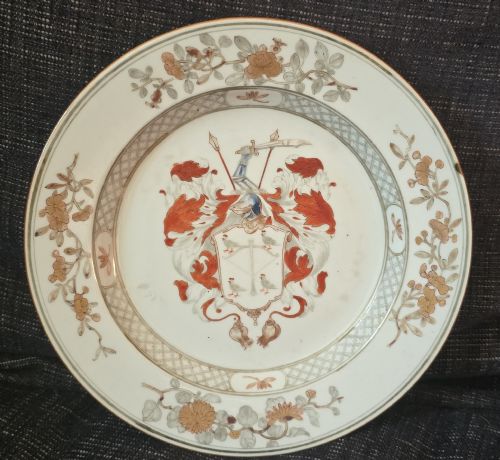
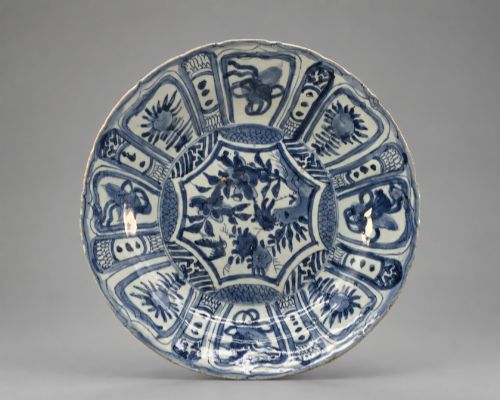
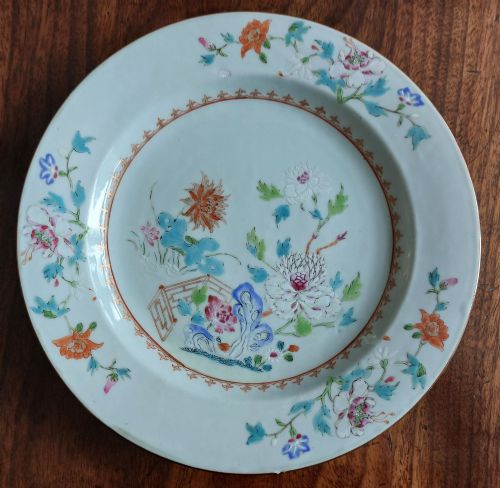
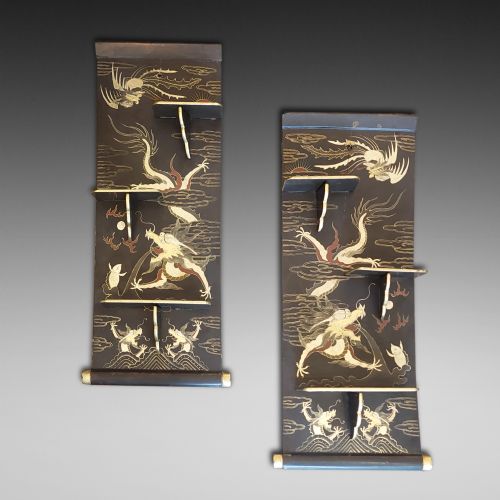
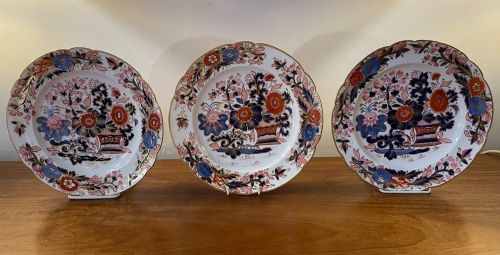
A period wall display brings together chargers, decorative plates and wall shelves designed to be hung or mounted in domestic interiors. The selections found here lean heavily towards Japanese Imari porcelain, Meiji period cloisonné enamel, and Georgian or Regency timber hanging shelves.
Buyers encounter everything from large hexagonal Imari dishes to walnut bookcases and oak corner cupboards. These pieces combine flat surface decoration with practical wall storage, spanning the eighteenth, nineteenth and early twentieth centuries.
Materials and Construction
Ceramic pieces rely on porcelain, earthenware and glaze, often decorated with hand-painted pigments and gold leaf. Cloisonné works utilise copper bases fitted with enamel wires to contain vibrant coloured fields.
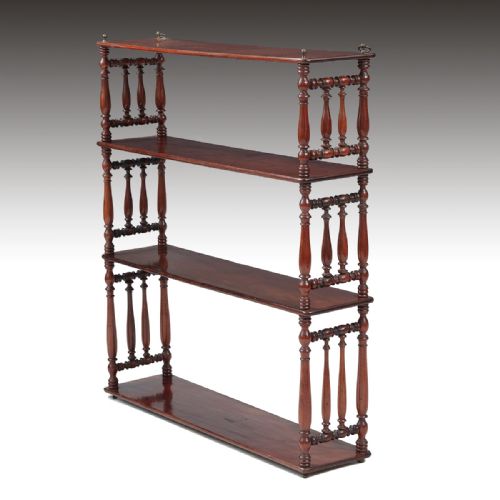
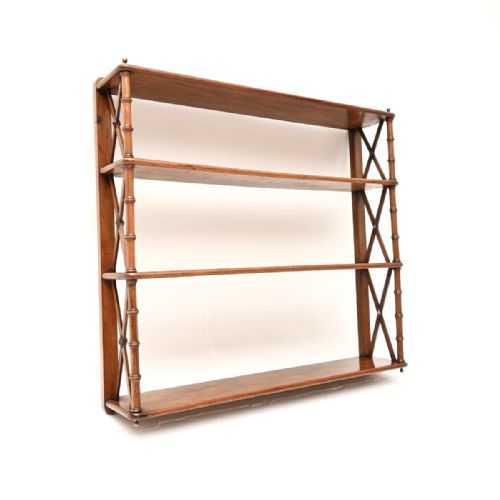
Timber wall shelves and bookcases are constructed from mahogany, walnut and oak, shaped with traditional joinery to support weight securely against a wall.
Period Wall Display Retail Price Guide 2026
Typical asking prices for period wall display among the pieces listed under this phrase on Sellingantiques today, from the lower quarter to the upper quarter. They describe what is for sale here now, not the wider market.
Expect leaping koi, attentive owls, and frogs peering from cloisonné trays alongside traditional floral gardens.
Judging Quality
Quality rests upon the precision of the hand-painting, the crispness of porcelain moulding, and the complexity of enamel or cloisonné wirework. Timber shelving demonstrates refinement through the choice of grain, joint tightness, and the retention of original brass hardware.
The distinction between standard examples and superior ones lies in the depth of the palette and the clarity of decorative motifs such as birds, florals or landscapes.
Koshida·Minton·Darte Brothers
The Period Wall Display Glossary
- Imari
- A style of Japanese porcelain featuring deep underglaze blue and iron red, often highlighted with gold. It originates from the town of Arita and became widely popular for decorative display.
- Cloisonne
- A metalwork technique where thin wire partitions are soldered to a copper base to form cells, which are then filled with enamel paste and fired. This creates intricate patterns of coloured glass across trays and chargers.
- Charger
- A large decorative plate intended primarily for display on a wall or sideboard rather than for dining use. These items showcase expansive painted or enamelled scenes.
- Hanging Shelves
- Wall-mounted timber shelving units designed to hold books or small ornaments. They utilise side brackets or backboards with hanging points to secure them to the wall.
Period Wall Display: Frequently Asked Questions
How do I hang a heavy charger safely?
Heavy ceramic chargers require specialised wall fixings and robust spring-loaded brass wire hangers that grip the rim securely without slipping.
Ensure the hanging wire is rated well above the weight of the plate and anchor directly into wall studs or use appropriate wall plugs.
Were hanging shelves used for books?
Smaller timber shelves from the Georgian and Regency periods were frequently designed to hold modest collections of pocket books or ledgers within easy reach.
Their shallow depths kept volumes secure against the wall while displaying decorative bindings.
What is the difference between an Imari plate and a charger?
The primary distinction lies in the overall diameter, with chargers generally measuring significantly larger than standard dining or cabinet plates.
Chargers were built to dominate a wall space or sideboard, whereas smaller plates were often displayed in sets.
How do I clean cloisonne enamel?
Dust enamel surfaces gently with a soft, dry cloth to prevent accumulation in the wire recesses.
Avoid abrasive cleaners and moisture, which can damage the exposed copper and coloured glass paste over time.