

Period Oak Dining Table
A period oak dining table brings centuries of solid craftsmanship and rich timber into a modern interior.
Period Oak Dining Table
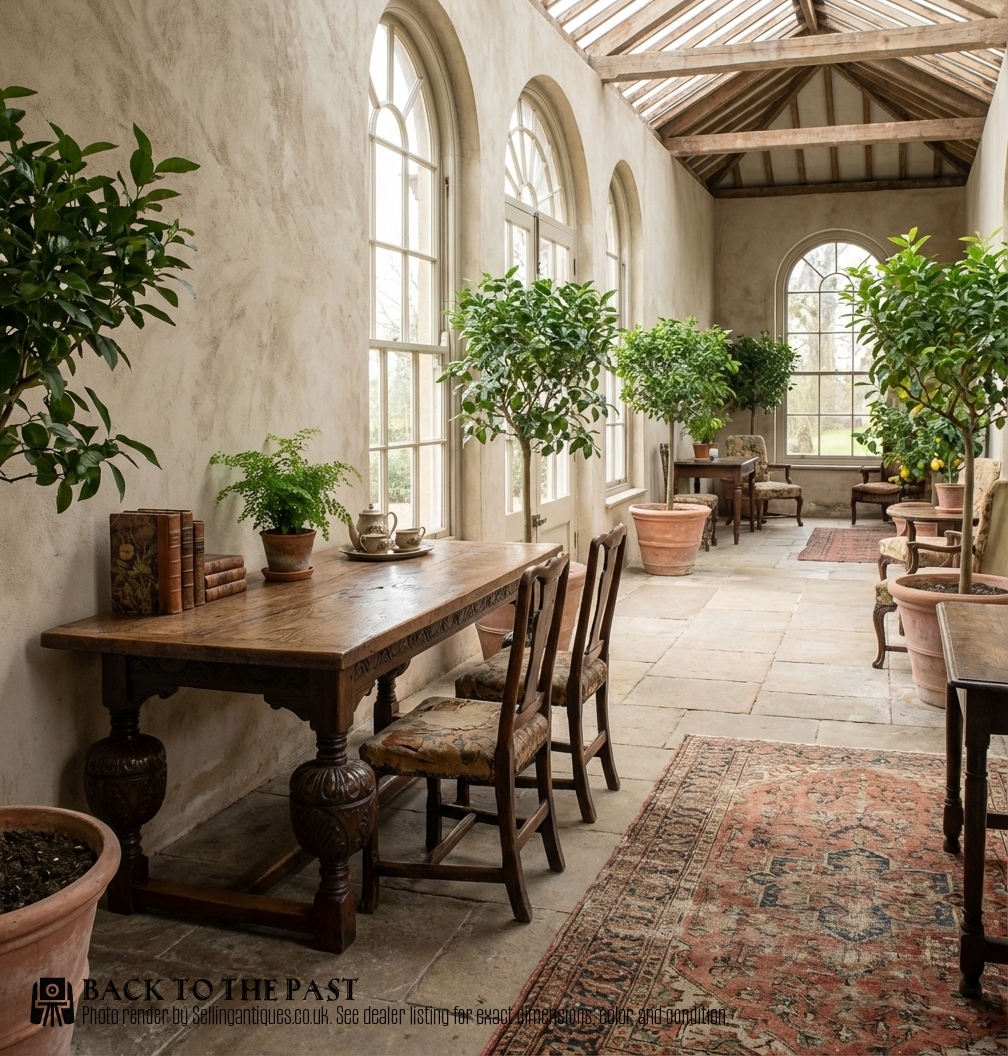
When a buyer searches for a period oak dining table, they are looking for heavy timber construction rooted in seventeenth-century or eighteenth-century design. These pieces represent centuries of practical domestic history, constructed to serve large households for generations.
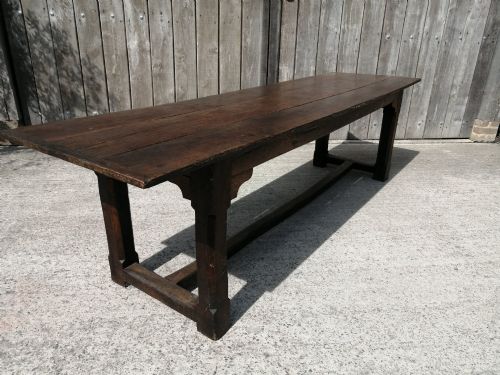
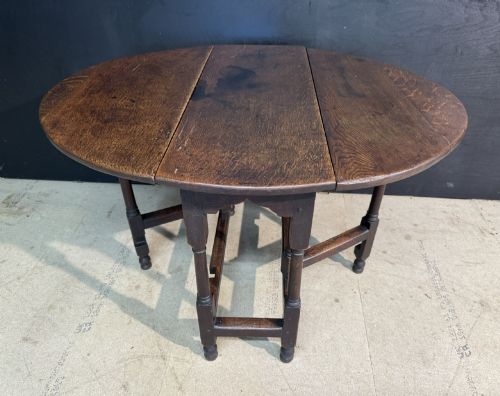
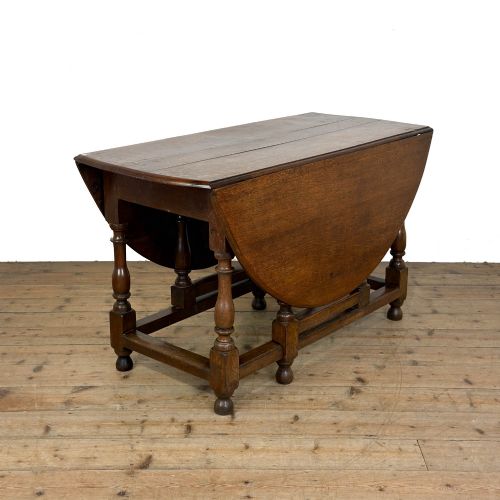
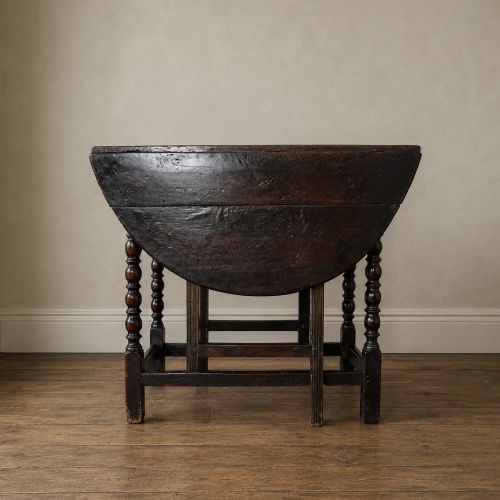
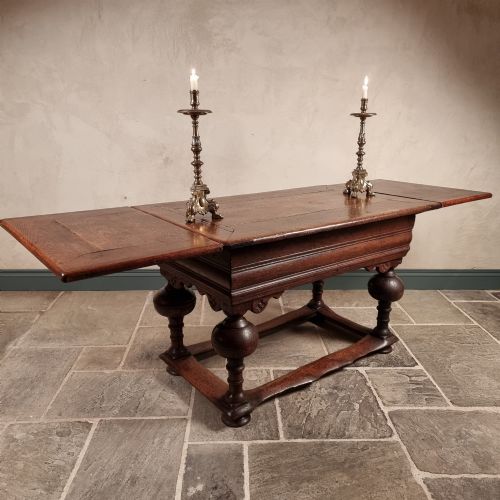
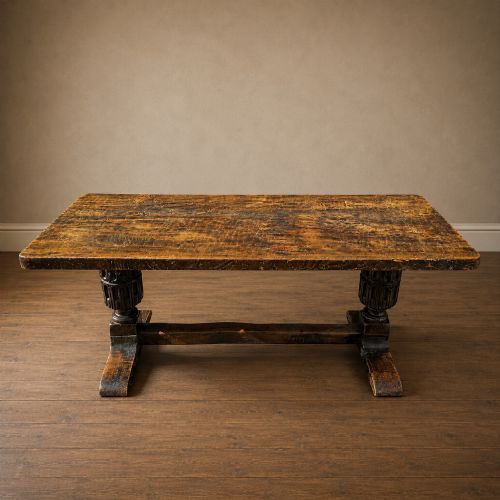
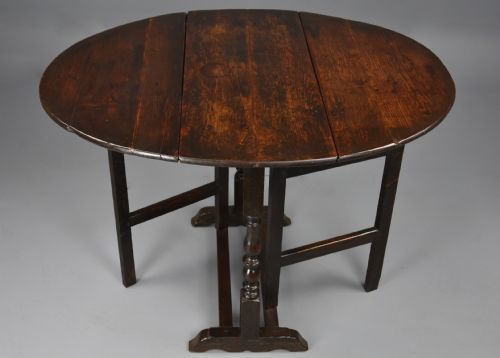
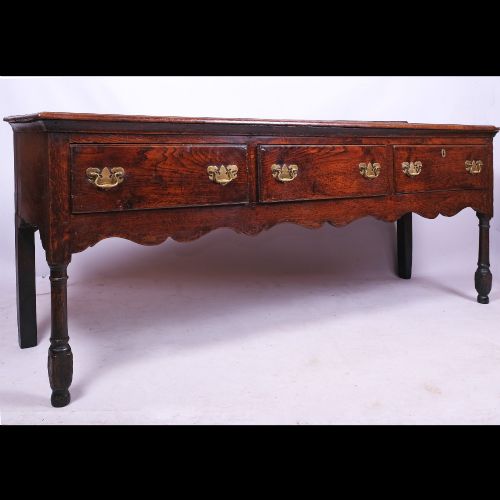
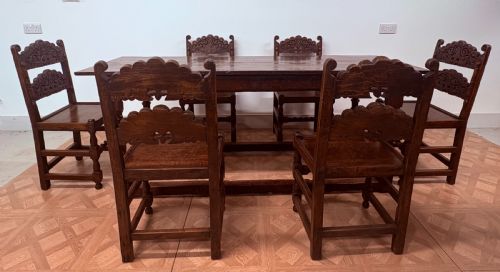
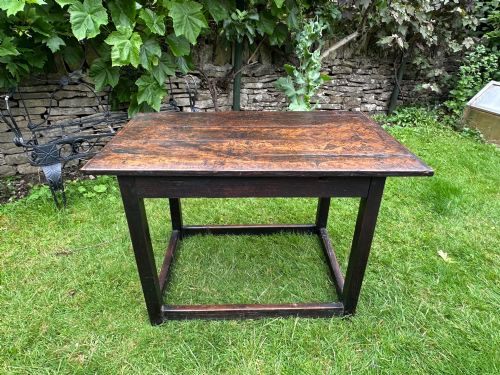
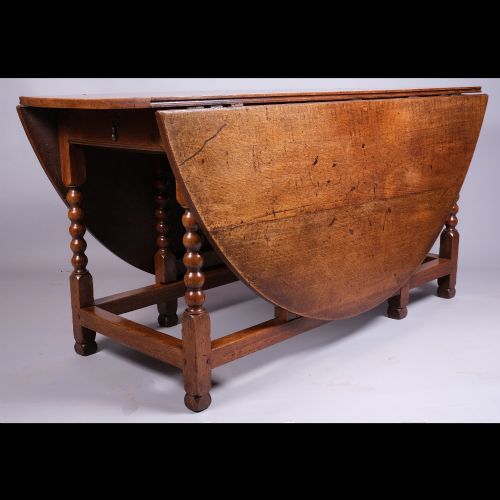
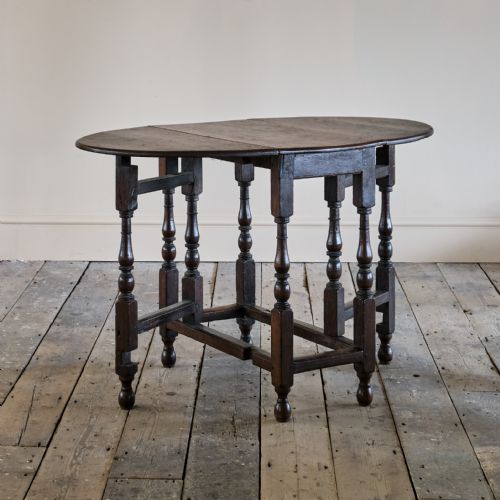
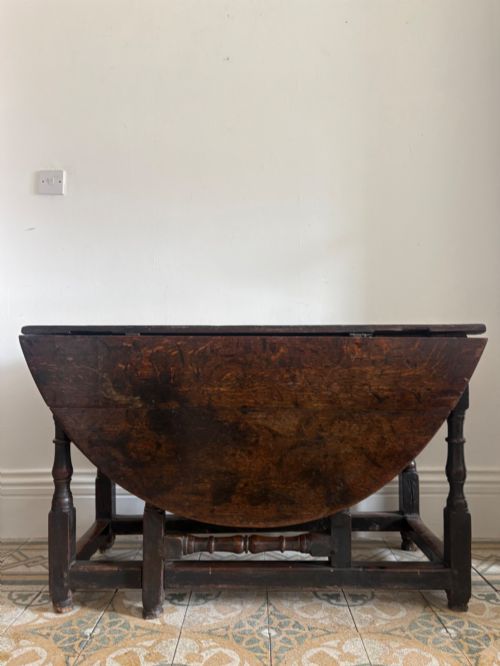
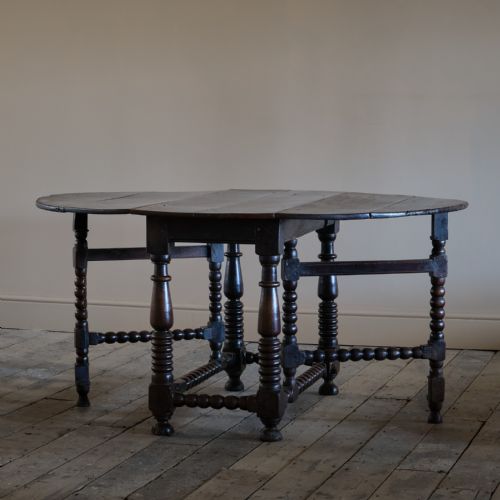
The version most commonly met on this page is the gateleg table, often dating from the seventeenth or eighteenth century, which folds down to save space when not in use. Refectory tables with plank tops also appear frequently, alongside occasional dresser bases and later farmhouse interpretations.
Examples span the Tudor, Jacobean, Queen Anne, and Georgian periods, showing styles from simple English country work to more formal turned-leg construction. Materials range from solid oak to secondary timbers like elm and mahogany, combined with iron and brass fixings.
Evaluating quality
Quality rests in the survival of original surfaces and the integrity of the timber, where untouched patination separates untouched antiques from heavily restored examples. Tables retaining their original plank tops and base structures command greater interest than those with replaced timbers.
Proportion and turning detail distinguish superior workshops, seen in crisp bobbin or baluster legs on gateleg frames. The alignment of the leaves and the smoothness of the drop-leaf action reflect the precision of the original joinery.
Period Oak Dining Table Retail Price Guide 2026
Typical asking prices for period oak dining table among the pieces listed under this phrase on Sellingantiques today, from the lower quarter to the upper quarter. They describe what is for sale here now, not the wider market.
Listings feature oak combined with elm, brass, and iron across seventeenth and eighteenth-century forms.
The Period Oak Dining Table Glossary
- Gateleg table
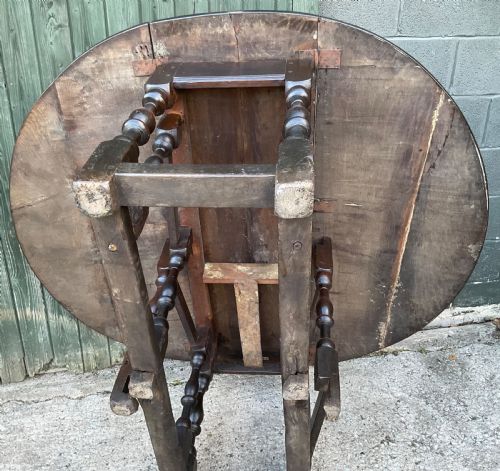
- A table with hinged leaves supported by legs that swing out like gates. This form became popular in the seventeenth century for flexible dining arrangements.
- Refectory table
- A long dining table traditionally used in monastic refectories and large domestic halls. These pieces feature stretcher bases supporting thick plank tops.
- Plank top
- A tabletop constructed from wide boards joined side by side. Early examples often utilise single or three-plank configurations.
- Bobbin turning
- A type of lathe-turned decoration resembling a string of bobbins or spools. It appears frequently on seventeenth-century leg supports.
- Dresser base
- A low sideboard fitted with drawers or cupboards, sharing structural characteristics with early dining tables. These items provide additional storage within the dining space.
Period Oak Dining Table: Frequently Asked Questions
How do I care for a period oak table?
Feed the timber periodically with traditional beeswax to maintain the surface moisture and protect the grain from drying out. Avoid placing the table near direct heat sources or in strong sunlight.
Use mats for hot dishes and wipe spills immediately with a dry cloth. Gentle maintenance preserves the historic patina developed over centuries of use.
How do I identify a seventeenth-century table?
Look for heavy pegged joinery, hand-adzed plank surfaces, and specific leg turnings like bobbin or baluster shapes. Charles II and Jacobean examples often display darker patination and robust underframes.
Construction methods using wooden trammels and pegged tenons point directly to early workshop practices. Secondary timbers like elm in the top boards further indicate genuine age.
Will a gateleg table fit a modern room?
The drop-leaf mechanism allows the table edges to fold down flat against a wall when floor space is needed. This versatility made them popular in smaller spaces historically as well as today.
Consider the height of the frieze and rails to ensure standard dining chairs slide underneath comfortably. Small proportions are available for compact dining areas.