



Antique Oak Gate Leg
When you explore antique oak gate leg tables, you discover versatile drop-leaf dining and occasional furniture built to expand when needed.
Antique Oak Gate Leg
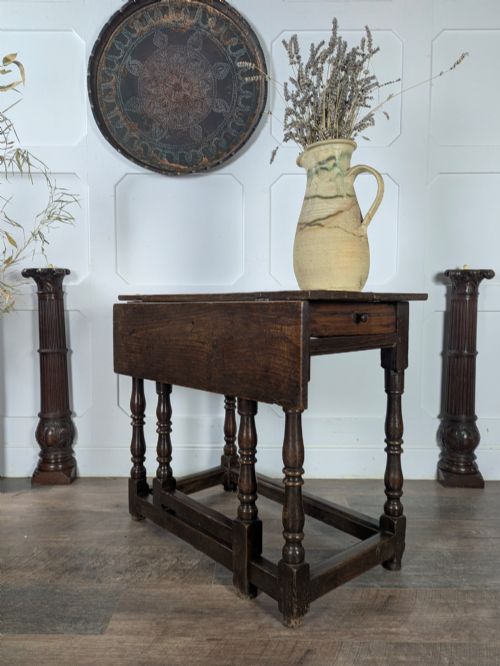
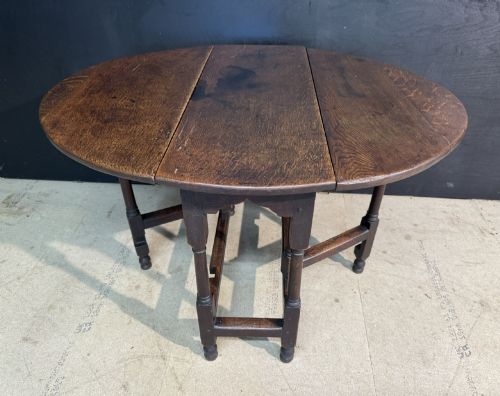
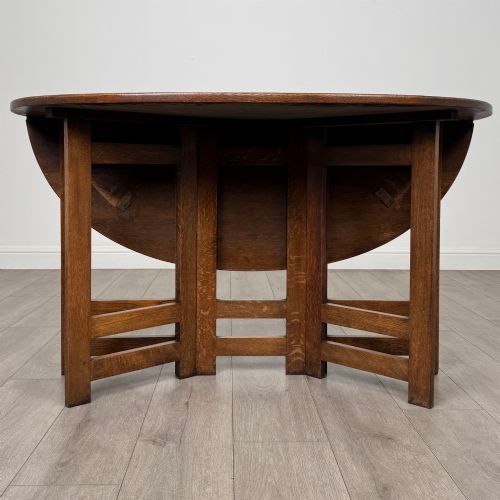
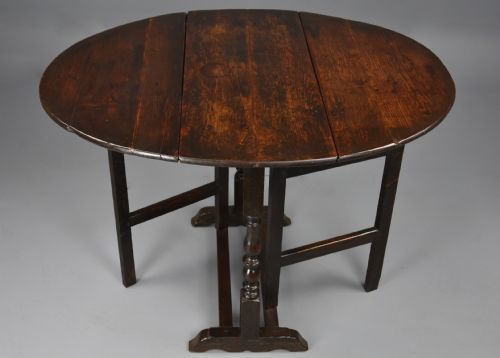
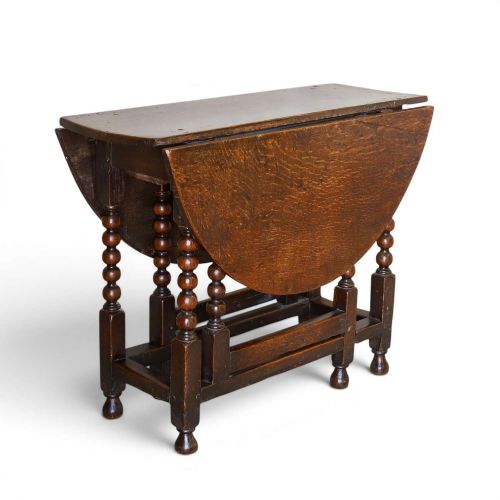
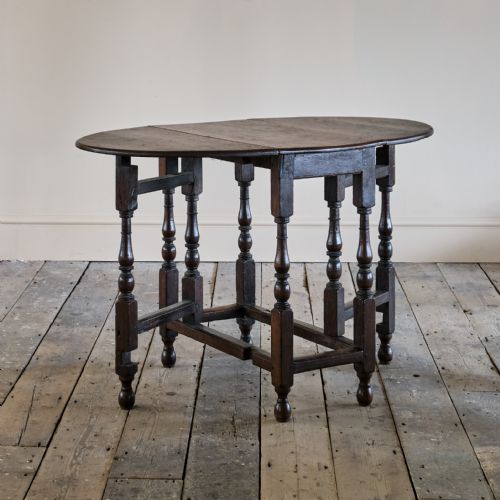
An antique oak gate leg table provides a sturdy surface supported by hinged legs that swing outward to hold up folding leaves. The selections range from compact occasional or side tables to large dining versions intended for daily communal use.
The periods represented stretch from the seventeenth century through the eighteenth and nineteenth centuries into later revival eras. Early examples frequently appear with smaller proportions or in large formats designed to seat many people.
Common regional variations span English country farmhouse designs alongside occasional continental pieces. The primary forms function reliably as dining tables, coffee tables, and side tables within domestic spaces.
Materials and construction
Solid oak serves as the dominant material, often complemented by secondary timbers like elm or fruitwood alongside iron and brass hinges. Carpenters utilised heavy timber framing to support the dynamic pivoting action of the drop leaves.
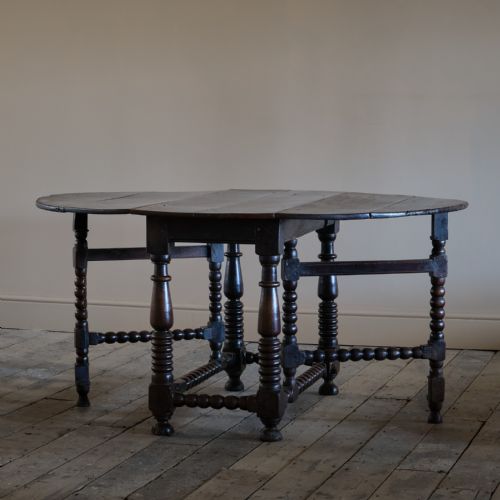
Turned wooden supports define the structural framework, featuring distinct turning styles such as bobbin and barley twist motifs. Baluster posts and trestle or sledge bases provide necessary stability for the extending leaf mechanisms.
Some larger surviving examples were built sturdy enough to seat ten diners comfortably after centuries of family gatherings.
Judging construction and condition
The distinction between standard pieces and superior examples rests upon timber selection and surface patination. Rich, undisturbed patinas developed over centuries indicate careful preservation and genuine age.
Structural integrity relies upon the precision of the gate leg pivot joints and the thickness of the solid oak top boards. Tables retaining their original hardware and matching turned legs achieve higher regard among collectors.
The Antique Oak Gate Leg Glossary
- Gateleg table
- A table with hinged leaves supported by legs that swing out like a gate.
- Drop-leaf
- A tabletop design featuring a fixed centre section and movable flaps that fold down.
- Bobbin turning
- A form of lathe-turned furniture leg resembling a string of rounded wooden bobbins.
- Barley twist
- A spiral decorative carving cut into furniture legs or upright supports.
- Patina
- The deep surface sheen acquired by wood through age, wear, and polishing.
Antique Oak Gate Leg: Frequently Asked Questions
How do I use a gate leg table daily?
Keep the leaves dropped against the sides to save floor space in smaller rooms. Swing the pivoting legs outward to lift the leaves whenever you require a larger surface for dining or working.
Ensure you place the table away from direct heat sources to prevent the solid oak top from warping over time. Regular gentle polishing maintains the protective surface sheen.
Are these tables suitable for modern dining?
Large formats easily accommodate multiple diners when fully extended with both leaves raised. Their narrow profile when folded makes them practical for flexible open-plan living areas.
Pairing them with supportive seating allows you to blend seventeenth or eighteenth-century craftsmanship with contemporary interiors. The sturdy timber construction handles everyday family meals without issue.
How can I tell a seventeenth-century table from a later revival piece?
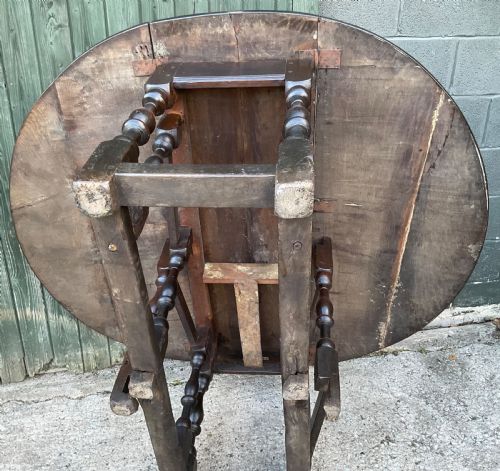
Examine the construction marks, timber grain, and joinery methods visible beneath the tabletop and frame. Early pieces display hand-cut joints and distinct tool marks associated with period carpentry.
Later Victorian and twentieth-century revival versions often utilise standardised fixings and cleaner, more uniform timber sawing. Comparing the turning style on the legs also helps narrow down the production era.
What maintenance does solid oak require?
Apply a quality wax polish periodically to nourish the dry timber and protect the original patina. Avoid excessive moisture on the surface by using coasters and placemats during daily use.
Check the gate leg hinges occasionally to ensure the pivoting mechanism operates smoothly without straining the surrounding wood. Gentle care preserves the structural stability of the joints.