

Period Georgian Glass Stemware
These period georgian glass stemware pieces bring tactile weight and eighteenth-century craftsmanship directly to your table.
Period Georgian Glass Stemware
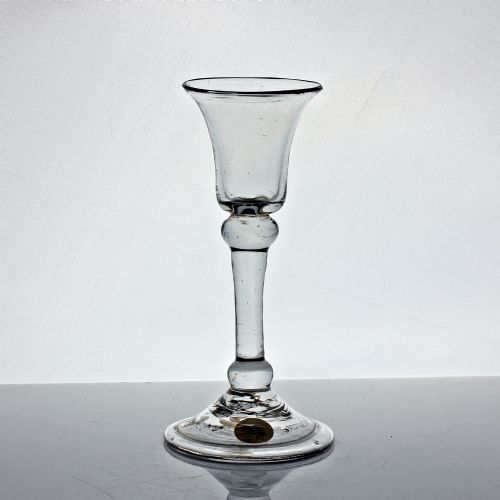
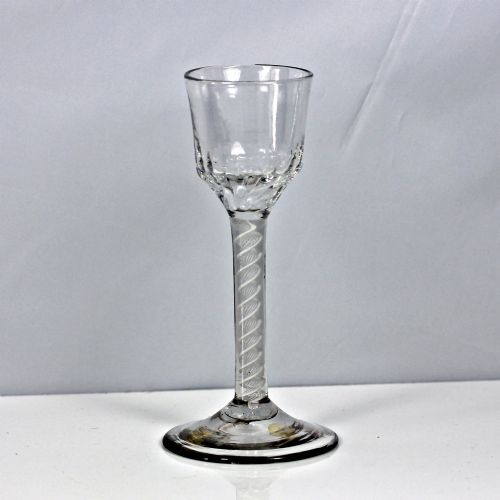
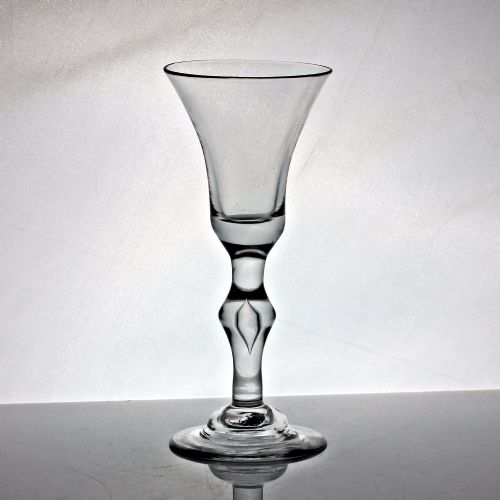
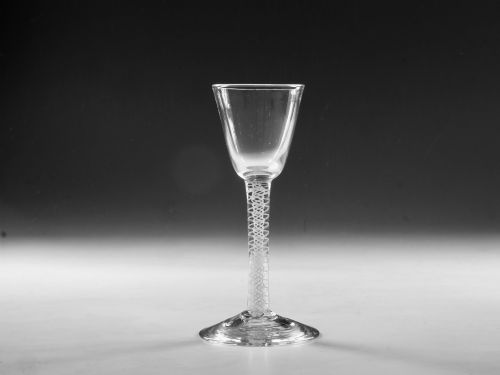
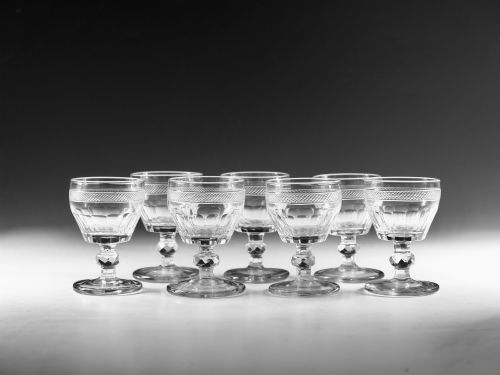
When you search for period georgian glass stemware, you encounter vessels shaped for wine, ale, and spirits across the eighteenth and early nineteenth centuries. The selection centres on English lead glass and lead crystal forms spanning decades of drinking traditions.
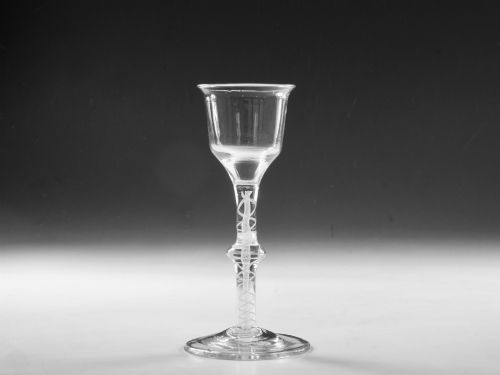
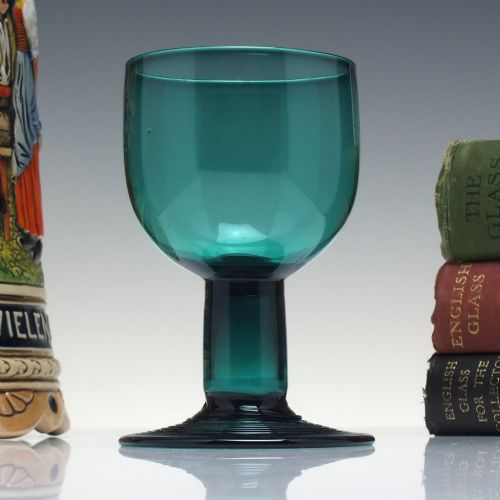
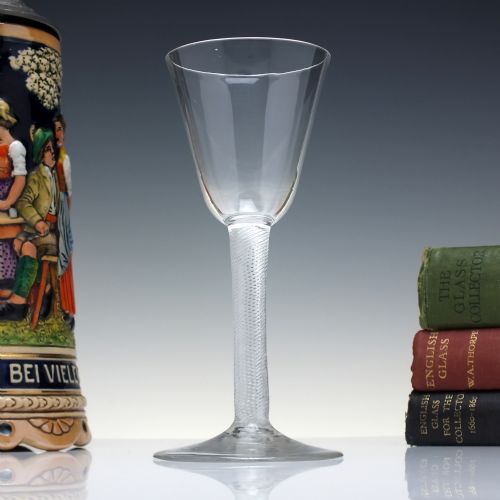
You are most likely to meet wine glasses featuring twisted stems, baluster profiles, and facet cutting alongside rarer coloured variants in green, peacock blue, and clear glass.
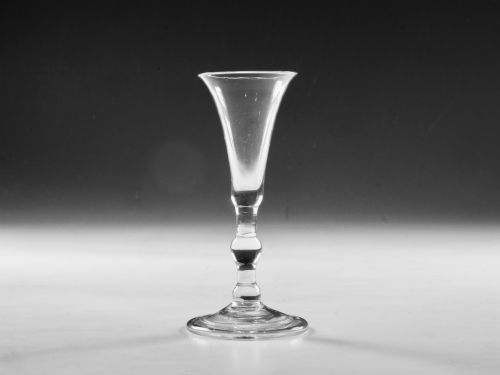
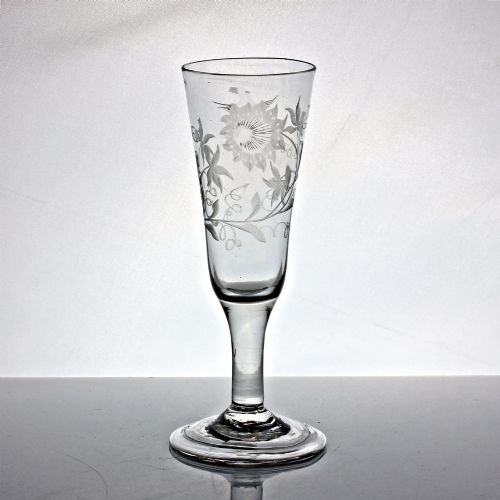
The objects include wine glasses, port glasses, ale flutes, and rummers that reflect the domestic habits of Georgian and Regency households.
Materials and construction
These items rely on heavy lead glass and flint glass, blown by hand to achieve remarkable clarity and substantial weight in the hand.
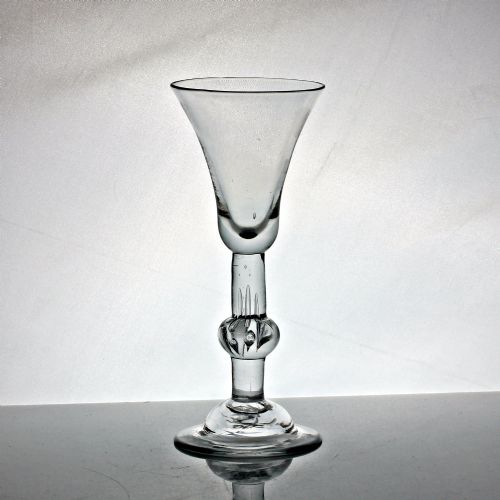
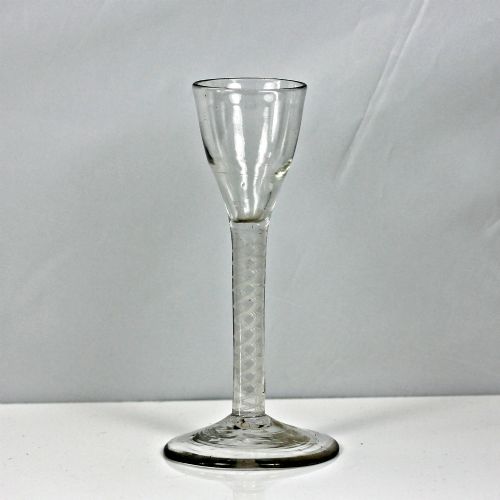
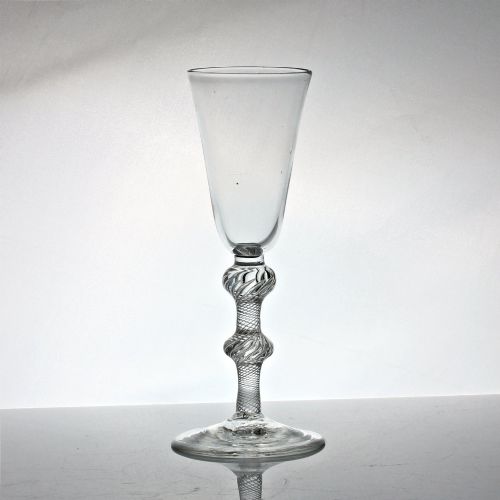
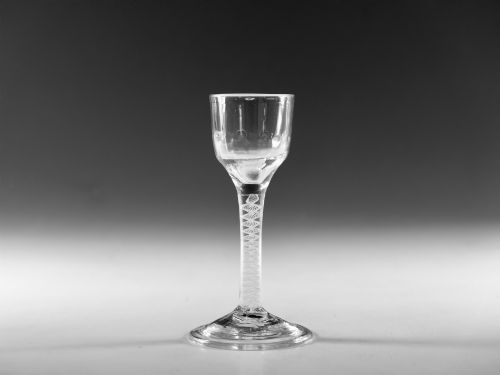
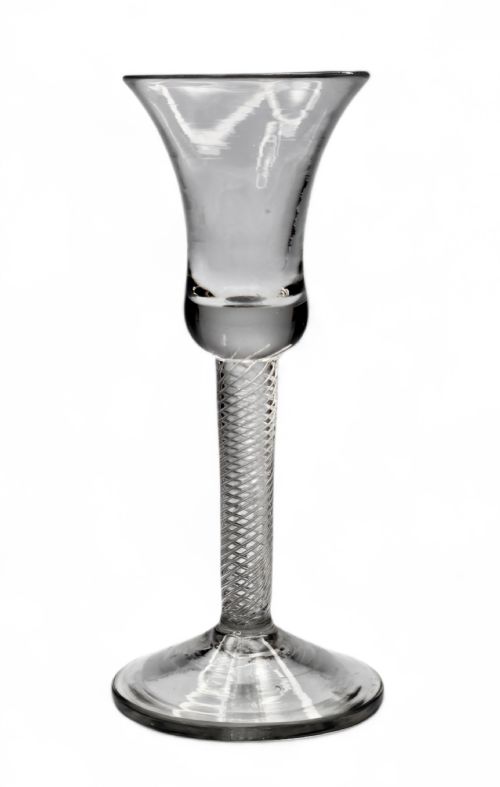
Makers manipulated the molten material to incorporate air bubbles, drawing them into multi-spiral air twists, single series opaque twists, and mixed twists within the stems.
The listings encompass clear glass, lead crystal, green glass, and enamel materials across eighteenth-century and Regency periods.
Standards of execution
The distinction between ordinary and exceptional examples rests upon the precision of the stem twist, the brilliance of the metal, and the balance of the bowl against the foot.
Clear metal with minimal seeds or striations marks a superior batch of lead glass, while crisp facet cutting and evenly balanced folded feet elevate individual pieces.
The Period Georgian Glass Stemware Glossary
- Air twist
- A stem formation created by drawing out tiny air bubbles inside the molten metal into spirals. This technique adds delicate texture beneath the bowl.
- Opaque twist
- A stem containing threads of white or coloured enamel glass enclosed within clear metal. These threads are twisted into single or double series patterns.
- Baluster
- A heavy, thick stem shape popular in early pieces, often featuring nodes or knops reminiscent of architectural supports.
- Facet cut
- Geometric surface cutting applied to stems or bowls to catch the candlelight. This method creates flat polished planes across the glass.
- Folded foot
- A rim turned under the base of the glass to add strength and stability. This feature appears frequently on eighteenth-century drinking vessels.
Period Georgian Glass Stemware: Frequently Asked Questions
Can I use these glasses for wine today?
Many collectors enjoy using eighteenth-century wine and port glasses for special occasions, as the heavy lead glass handles securely. Their smaller capacities reflect historical drinking volumes rather than modern pours.
Exercise caution when toasting or storing them alongside contemporary tableware. Gentle use connects you directly to the original domestic function of the pieces.
What is the difference between air twist and opaque twist stems?
Air twist stems contain elongated bubbles trapped inside clear glass, forming subtle helical channels. Opaque twist stems incorporate solid white or coloured enamel rods spun through the molten metal.
Both styles required high skill from the glasshouse workers to maintain uniform patterns. Opaque twists generally appear later in the eighteenth century than early air twists.
Why do some glasses have folded feet?
Makers folded the outer rim of the glass base underneath during manufacture to reinforce the edge against chipping. This practical technique provides a heavier, more stable resting point for the vessel.
Folded feet serve as a helpful indicator of earlier eighteenth-century production methods. They contribute to the substantial feel expected in quality lead glass stemware.