


Period French Seating
Period french seating brings continental ease to a room, offering carved frames and upholstered comfort from centuries past.
Period French Seating
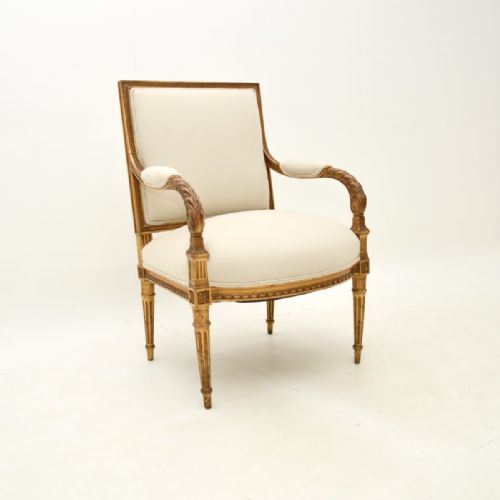
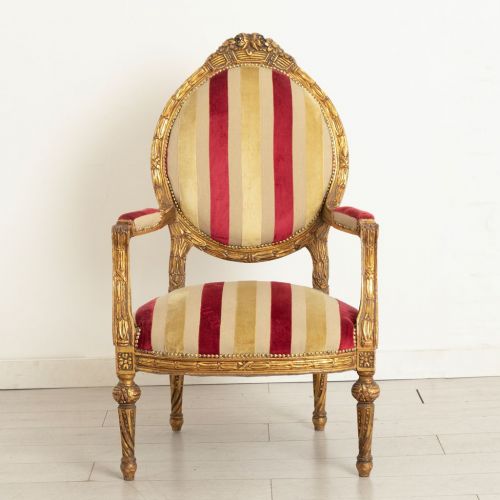
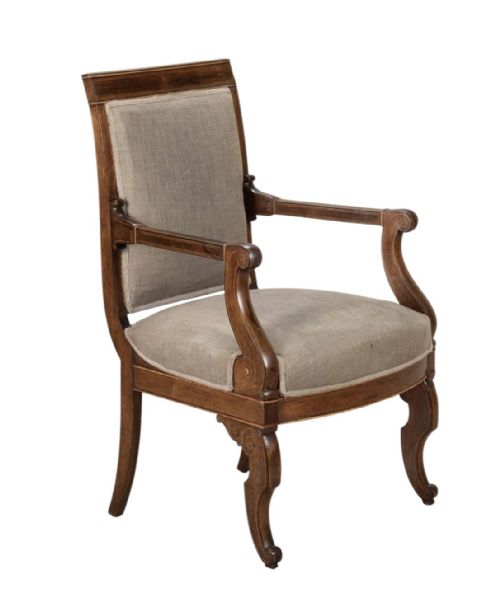
Period french seating encompasses chairs, sofas, and settees originating from continental workshops across several centuries. When exploring these listings, a buyer encounters everything from grand gilded salon chairs to relaxed provincial fruitwood pieces.
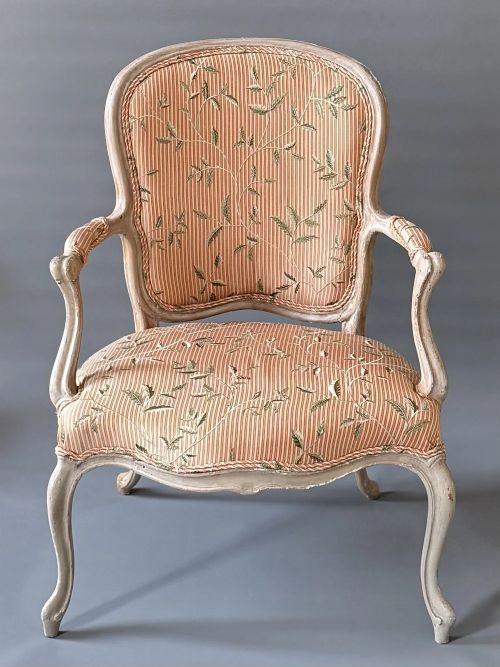
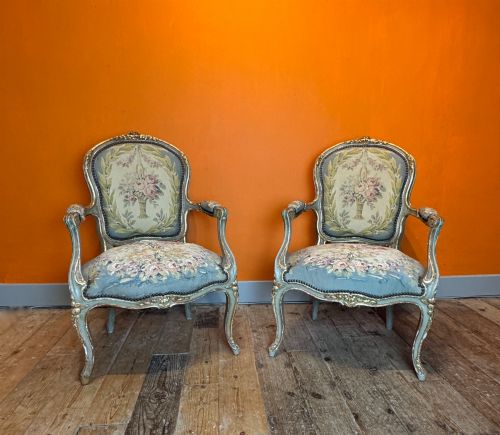
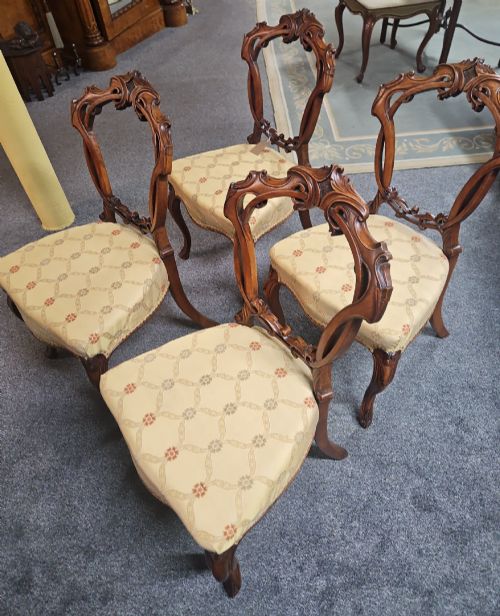
The selection frequently includes armchairs and settees shaped by historical design movements such as Louis XVI, Louis XV, and Art Deco. These seating options range from imposing giltwood frames to understated walnut and painted wood designs.
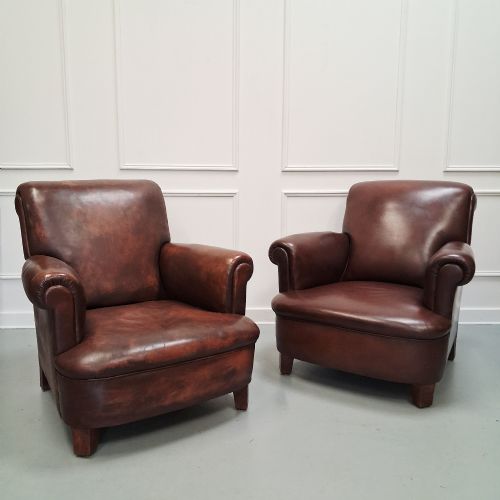
Many items reflect later revivals of earlier monarchical styles, alongside sturdy Victorian interpretations and early twentieth century club chairs. Each piece provides a functional link to historical French interior aesthetics.
Materials and Construction
Craftsmen shaped these frames from dense hardwoods like walnut, mahogany, rosewood, and fruitwood, often applying giltwood or paint finishes. Carving details required steady hands and specialised gouges to shape intricate foliage and scrollwork into the timber.
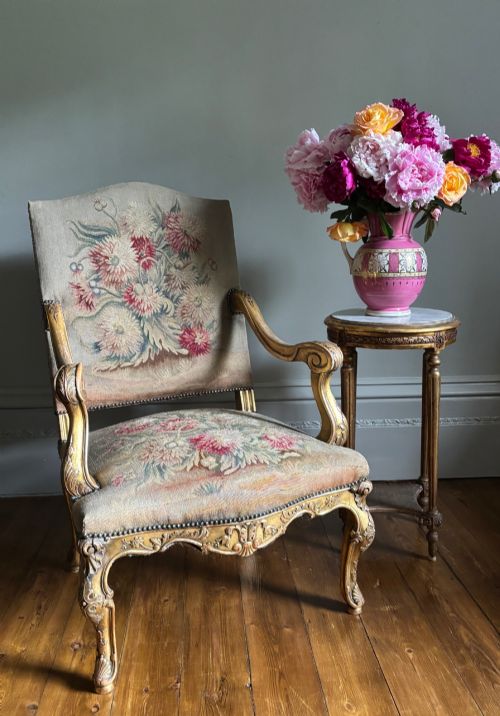
Upholstery techniques involved traditional stuffing secured beneath layers of fabric, tapestry, leather, or linen. Caned panels also appeared on lighter seating designs, woven tightly into wooden framework channels.
Joinery relied on traditional peg and mortise methods to ensure the structural integrity of chairs and sofas subjected to daily use. Parcel gilt accents were meticulously applied over prepared gesso bases to highlight carved relief.
Period French Seating Retail Price Guide 2026
Typical asking prices for period french seating among the pieces listed under this phrase on Sellingantiques today, from the lower quarter to the upper quarter. They describe what is for sale here now, not the wider market.
Even a modest fruitwood stool holds the quiet dignity of having survived generations of Parisian parlour gossip.
Judging the Standard
The distinction between ordinary and exceptional pieces rests in the crispness of the timber carving and the depth of the original gilding. Finer examples display fluid, hand-carved lines where mechanical uniformity is absent.
Proportion and scale dictate the visual success of a chair or settee, with superior items maintaining balanced architectural harmony. The choice of primary timber, whether figured walnut or rich mahogany, further elevates the stature of the construction.
Blaise Maucuy
The Period French Seating Glossary
- Fauteuil
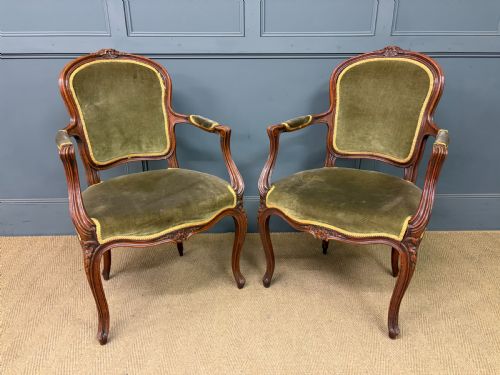
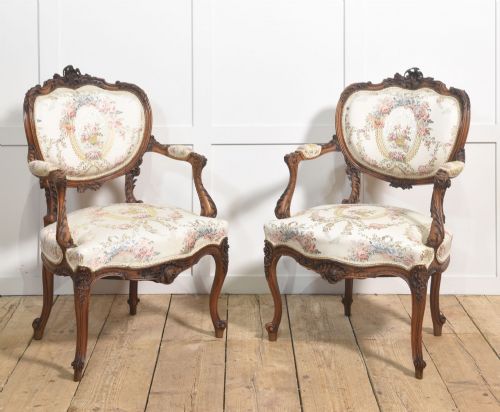
- An open-framed upholstered armchair with wooden armrests, characteristic of French seating design. These chairs typically feature exposed carved woodwork around the back and seat rail.
- Giltwood
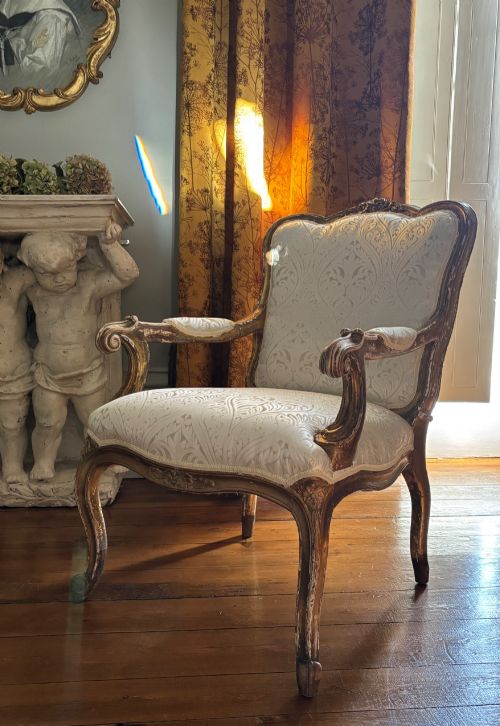
- Timber treated with a thin layer of gold leaf over a prepared base. This decorative finish added brilliance to formal salon seating.
- Bergere
- An enclosed upholstered armchair with solid upholstered sides resting on a wooden frame. This style prioritised comfort and draught exclusion.
- Canape
- A decorative French sofa or settee designed for multiple occupants. These seats often mirrored the prevailing stylistic vocabulary of contemporaneous armchairs.
- Directoire
- A transitional style bridging the Louis XVI period and the Empire style, characterised by neoclassical restraint. Seating from this era often incorporates clean geometric lines.
Period French Seating: Frequently Asked Questions
How do I identify a true period piece?
Examine the construction methods visible beneath the frame and the tool marks left by historical joinery. Subtle irregularities in hand-carved woodwork often distinguish older pieces from later reproductions.
Compare the timber patina and wear patterns against known historical examples from the recorded centuries. Documentation or stylistic attribution to specific designers can also clarify the origin.
Can I use antique seating every day?
Most sturdy wood frames withstand regular daily use provided the internal webbing and upholstery remain supportive. Professional conservation of older joints ensures structural stability for modern seating needs.
Heavier giltwood salon chairs require more considerate placement to prevent accidental impact damage to delicate surfaces. Pairing these items with sensible usage preserves their historical timber and finish.
How should I care for historic upholstery and wood?
Protect delicate fabrics and tapestries from direct sunlight to prevent fading of natural fibres. Dust carved wooden frames gently with a dry cloth without using harsh chemical polishes.
Maintain stable indoor humidity levels to prevent timber from drying out or splitting over time. Professional cleaning helps preserve antique textiles without compromising their structural integrity.