


Period Fireplace Hearth Grate
A period fireplace hearth grate anchors a room with genuine weight, bringing solid cast iron and gleaming brass to your hearth.

Period Fireplace Hearth Grate
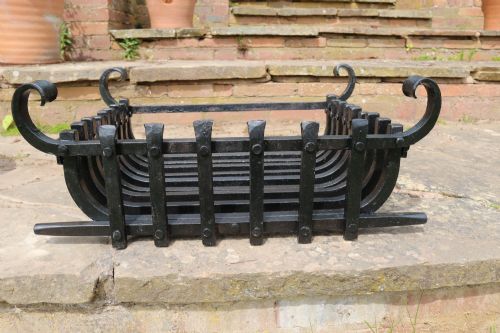
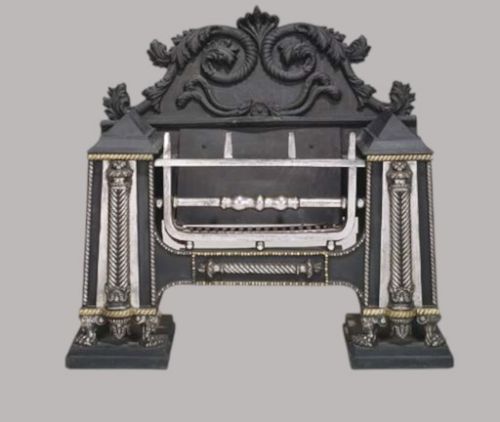
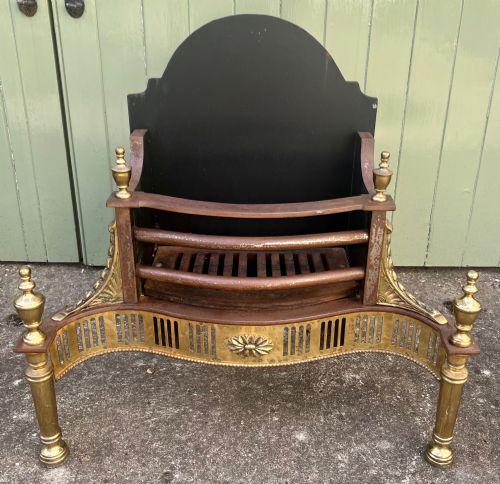
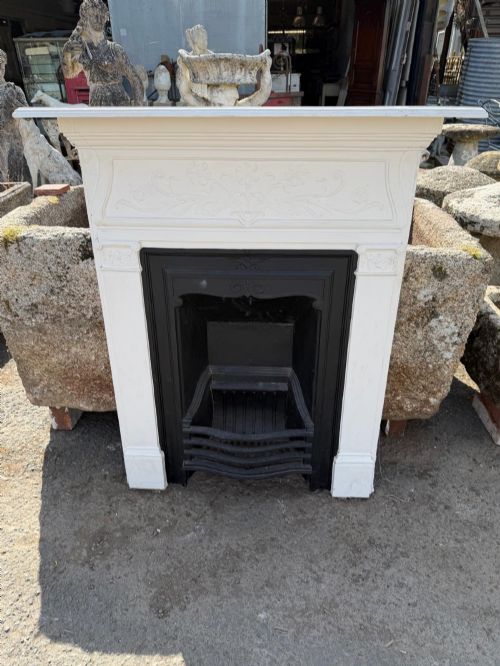
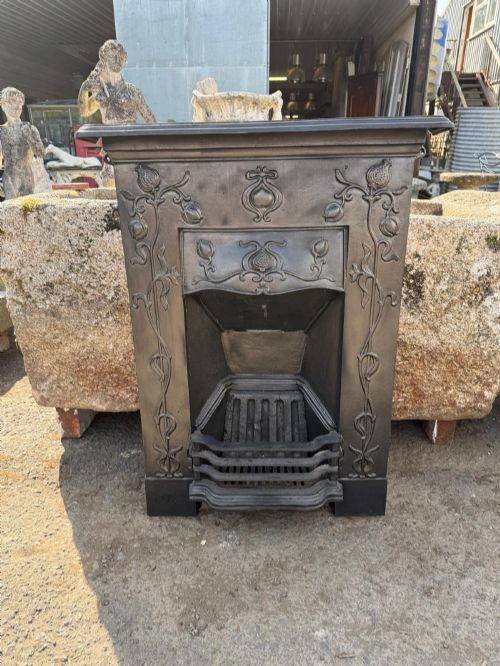
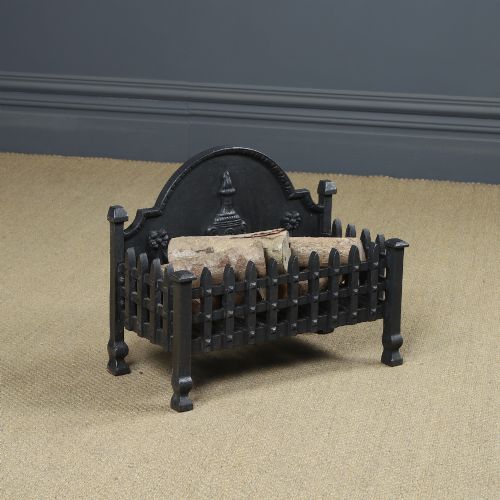
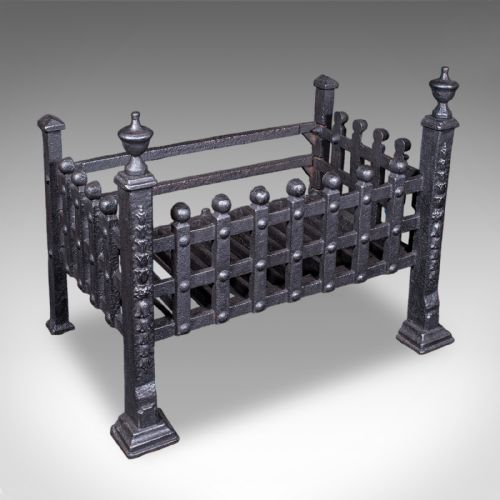
A period fireplace hearth grate provides the functional and visual centrepiece of a traditional room, holding fuel safely within the chimney opening. When searching for a period fireplace hearth grate, you encounter freestanding fire baskets, register grates, and combination fireplaces spanning the Georgian, Victorian, and later eras.
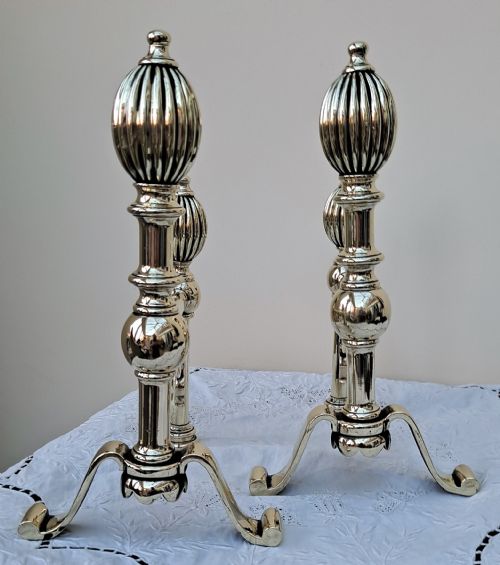
The objects take many forms, from simple cast iron baskets to elaborate arrangements incorporating brass andirons, fenders, and heavy fire backs. Most examples originate from the nineteenth and twentieth centuries, employing designs that echo earlier neoclassical or Arts and Crafts ideals.
You will find pieces built for coal or wood burning, often accompanied by matching fire furniture such as fire dogs and mullers. Each variant serves to frame the hearth while managing the practical demands of solid fuel.
Assessing Quality and Execution
The distinction between standard utility items and finer examples lies in the crispness of the casting and the weight of the metal. Heavier ironwork and thicker fire backs indicate superior structural integrity, while finely chased brass details point to dedicated craftsmanship.
Design cohesion also separates the ordinary from the exceptional, as seen in balanced neoclassical proportions or deliberate Arts and Crafts hand-detailing. Pieces that retain their original matching components, such as andirons and fenders, hold greater integrity than assembled groups.
Early mulling andirons included small attachments specifically designed to warm spiced ale directly over the hearth flames.
Coalbrookdale
The Period Fireplace Hearth Grate Glossary
- Hob grate
- A small fireplace grate featuring flat iron ledges on either side of the fire basket for keeping kettles warm. These compact units were common in Georgian and Regency interiors.
- Register grate
- A fireplace insert featuring a built-in metal flap or damper to control the draught up the chimney. This type became widespread during the nineteenth century to improve heating efficiency.
- Andirons
- Supporting metal bars placed on the hearth to hold logs above the floor of the fireplace. Also known as fire dogs, they often feature decorative brass or iron terminals.
- Fire back
- A heavy plate of cast iron positioned at the back of the hearth. It radiates heat forward and protects the masonry wall from direct flame.
- Fender
- A low metal guard placed on the floor around the hearth to contain ash and stray embers. They are frequently fashioned from brass or iron to match the accompanying grate.
Period Fireplace Hearth Grate: Frequently Asked Questions
How do I choose the right size grate?
Measure the height, width, and depth of your fireplace opening carefully before browsing. Allow adequate clearance around the basket for air circulation and masonry protection.
Consider the scale of the mantelpiece and the room volume to ensure the grate neither overwhelms the hearth nor looks lost in a large opening.
How do I clean cast iron and brass?
Dust cast iron regularly and treat it occasionally with a specialised grate polish or black lead paste to maintain its dark finish. Avoid using water on unsealed iron to prevent rust formation.
Polish brass components gently with a mild, non-abrasive metal cleaner to preserve their bright sheen without stripping away historical character.
Are these grates compatible with modern chimneys?
Most period grates fit standard masonry chimney openings, though depth and flue clearance require professional verification. A certified sweep or installer should assess the flue before any active fire is lit.
Combination fireplaces and register grates often require specific builder openings, so dimensional matching is essential for a safe installation.