
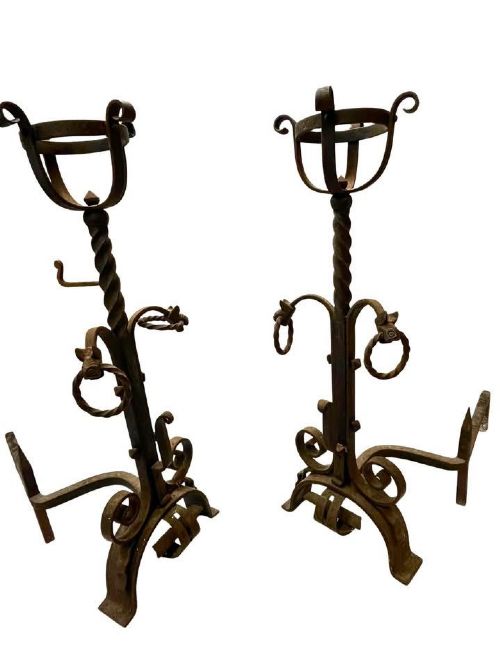


Traditional Iron Fire Basket
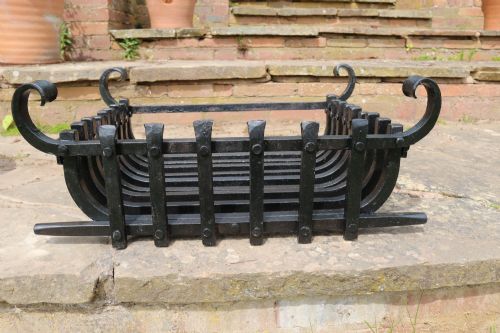
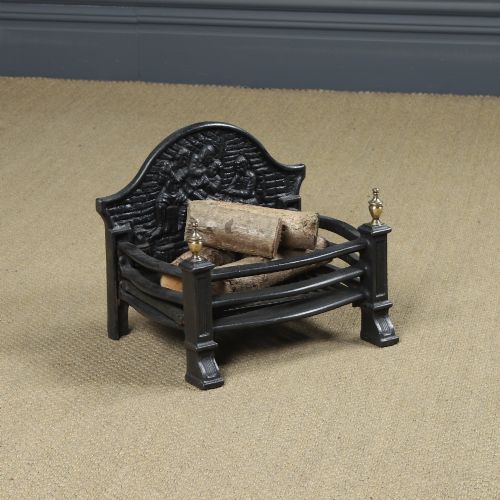
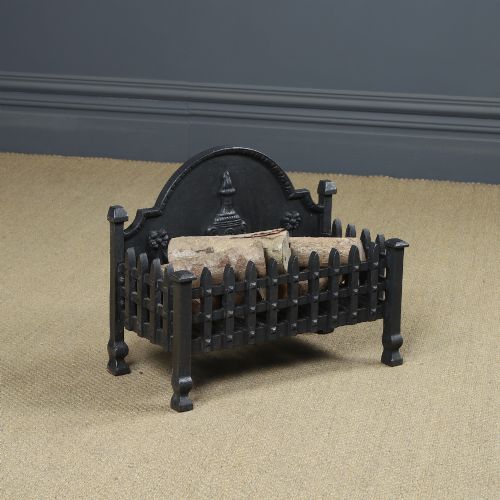
A traditional iron fire basket sits at the hearth, holding logs and coal with sturdy metal frames.

Traditional Iron Fire Basket
A traditional iron fire basket holds solid fuel safely inside an open hearth, combining utility with decorative metalwork. These hearth pieces appear across multiple periods, ranging from the Georgian and Regency eras through the Victorian and Edwardian decades.
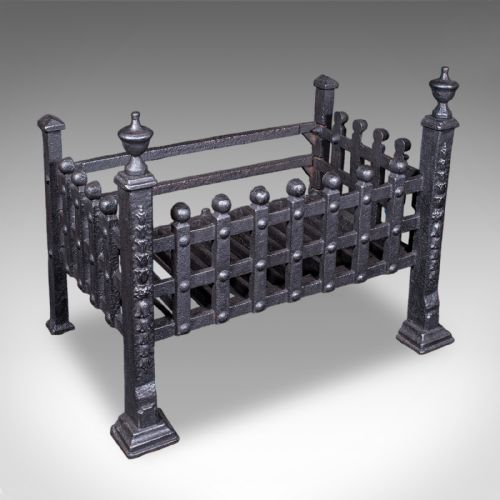
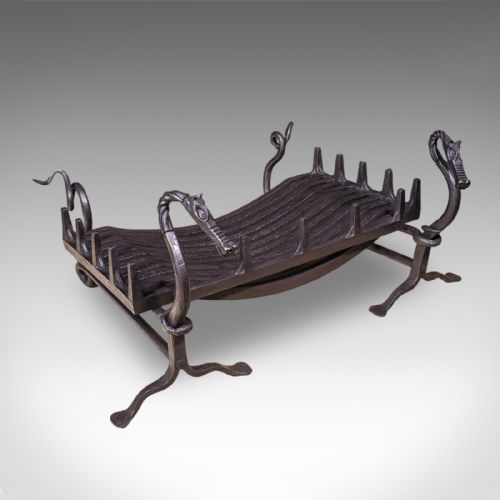
Most examples found here utilise cast iron, wrought iron, or combinations of both metals to form the grate and basket structure. Designs vary from simple open grates to elaborate fireplace sets complete with andirons and fire backs.
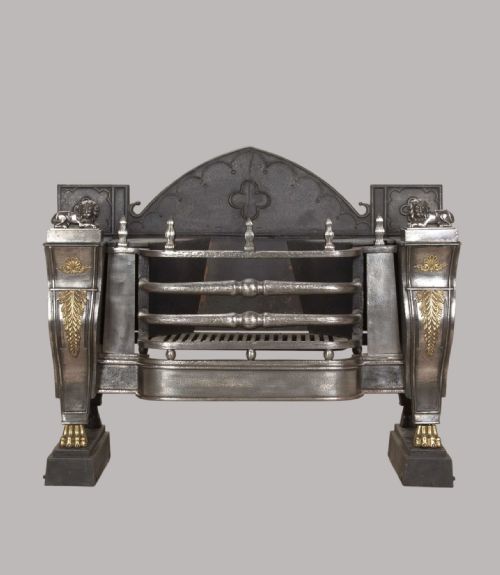
Buyers will encounter various stylistic revivals, including Gothic Revival, Neo-Classical, and Arts and Crafts interpretations. These baskets serve as both functional heating units and focal points for period interiors.
What Varies in Quality
The weight and thickness of the metal define the structural integrity of a fire basket, distinguishing solid foundational castings from lighter later reproductions. Superior examples display crisp definition in cast motifs and careful hand-forging in wrought iron elements.
The integration of matching components, such as accompanying andirons, fire backs, or fenders, alters the cohesion of a fireplace set. Pieces showing deliberate design coherence across brass and iron elements represent the higher end of the range.
Listings feature iron fire baskets spanning the Georgian, Victorian, and Edwardian periods, constructed from cast iron, wrought iron, and brass.
The Traditional Iron Fire Basket Glossary
- Hob grate
- A fireplace grate featuring raised flat platforms on either side, often seen in Georgian and Regency designs.
- Andiron
- A horizontal metal support raised on legs, used in pairs to hold logs within an open hearth.
- Fire back
- A heavy iron plate placed at the back of a fireplace to protect the masonry and reflect heat into the room.
- Register grate
- A fireplace insert featuring a built-in adjustable damper plate to control the draught and smoke flow up the chimney.
- Gothic revival
- An architectural and decorative style drawing inspiration from medieval forms, popular in Victorian metalwork.
Traditional Iron Fire Basket: Frequently Asked Questions
How do I choose the right size fire basket?
Measure the width, depth, and height of your fireplace opening carefully before selecting a grate. Traditional iron fire baskets must leave adequate clearance around the sides and back for safe heat distribution.
Consider whether your setup requires a freestanding basket with andirons or a fixed register grate. Matching the scale of the metalwork to your mantel proportions ensures a balanced visual result in the room.
Can I burn real wood in these antique grates?
Many of these pieces are designed for solid fuel or log burning, constructed from heavy cast and wrought iron. Check the interior condition for firebrick linings and structural soundness before lighting a fire.
Historic grates handle seasoned wood effectively when the metal is thick and stable. Regular maintenance prevents ash buildup from corroding the iron framework over time.
How do I tell a Georgian grate from a Victorian one?
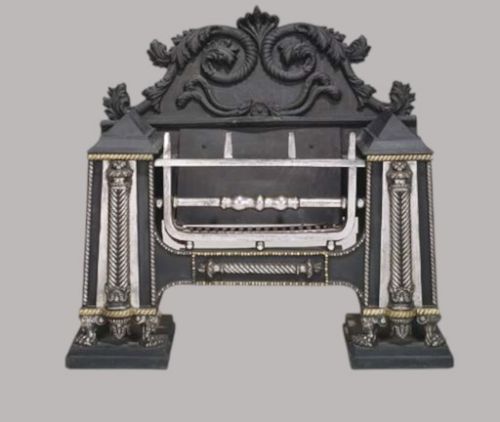
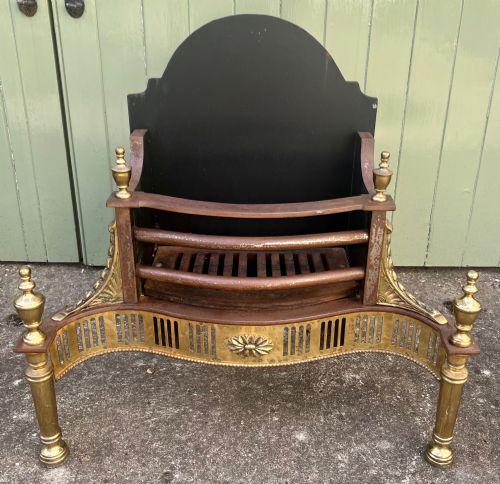
Georgian and Regency grates often display clean Neo-Classical lines, Adam style brass highlights, and refined hob configurations. Victorian examples frequently embrace heavier Gothic Revival motifs or elaborate cast iron decoration.
Examining the casting texture and assembly methods helps determine the era of production. Earlier pieces tend to show hand-forged wrought iron details alongside simpler cast components.
How do I clean and maintain an iron fire basket?
Remove ash and debris regularly to prevent moisture retention against the iron surfaces. A light application of grate polish or specialist blackening paste helps maintain the dark finish.
Avoid using harsh chemical cleaners that can strip the historic patina from the metal. Gentle brushing keeps dust away from intricate cast motifs and forged joints.