


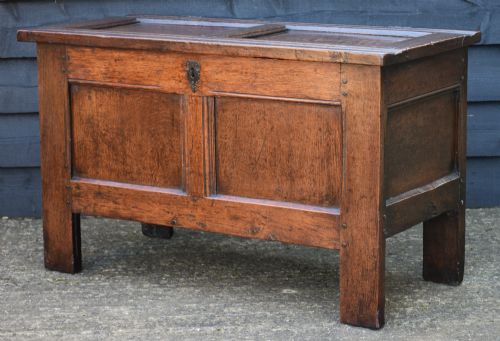
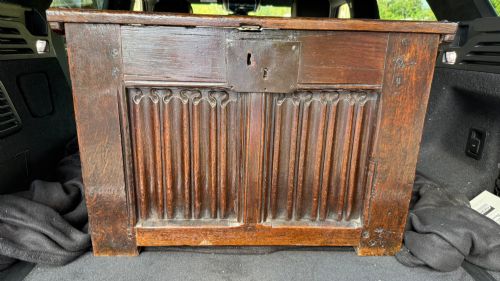
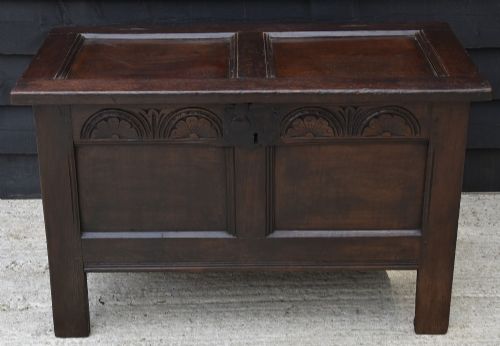
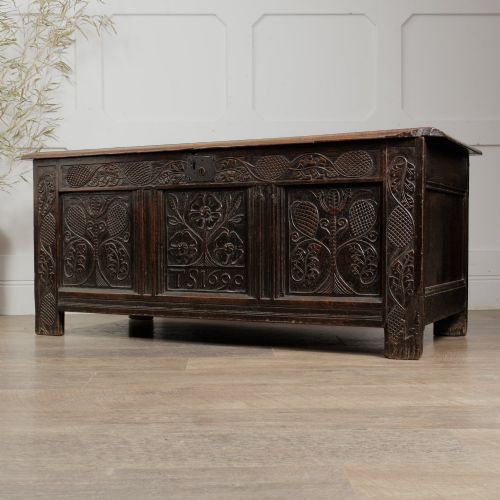
Period Blanket Chest
A period blanket chest provides deep, secure storage while anchoring a room with centuries of timber and honest craftsmanship.
Period Blanket Chest
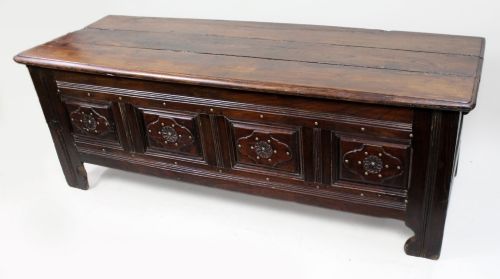
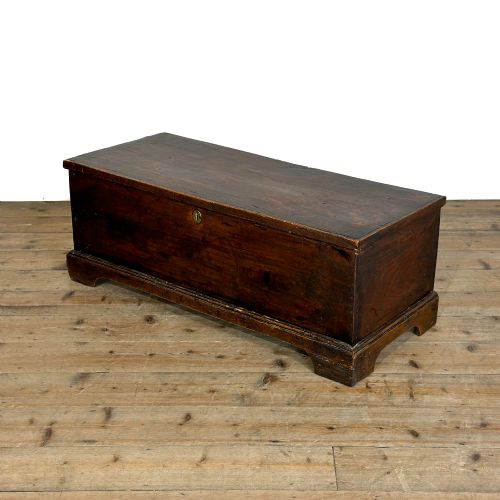
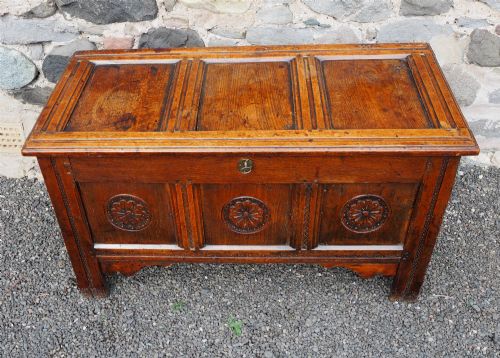
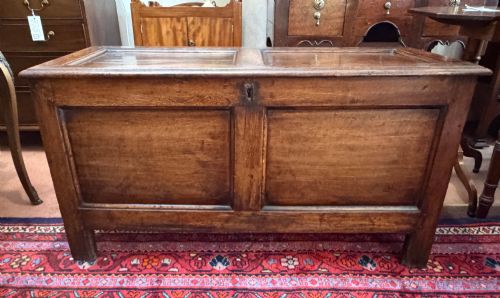
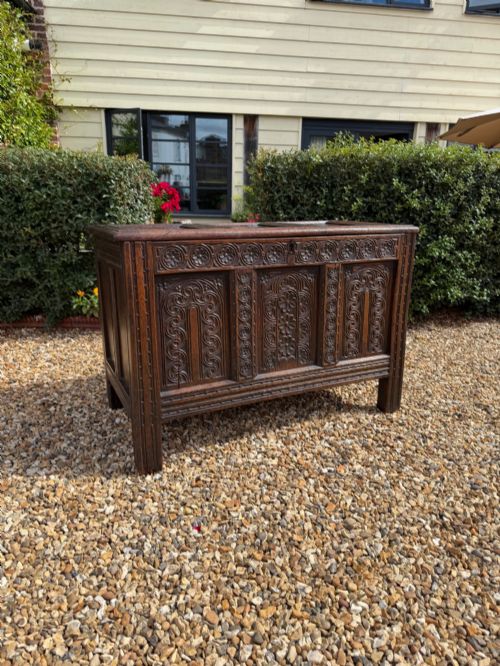
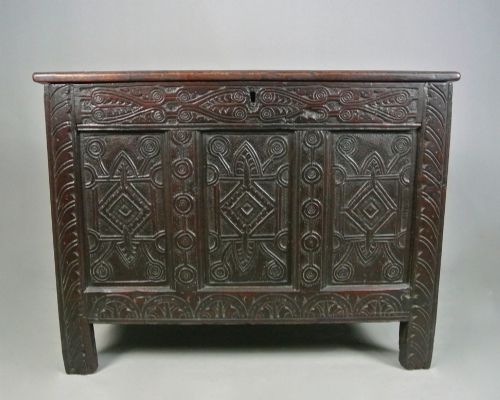
A period blanket chest encompasses heavy timber coffers, mule chests, and early storage trunks designed to hold household linens and garments. These pieces originate from domestic and regional traditions spanning the sixteenth century through the Georgian era.
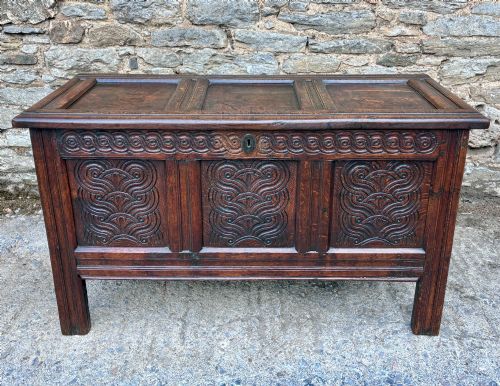
The most common examples encountered are sturdy oak coffers from the seventeenth century, often featuring panelled construction and straightforward rectilinear proportions. Regional variations appear in elm, walnut, and mahogany, reflecting local timber supplies and shifting domestic requirements.
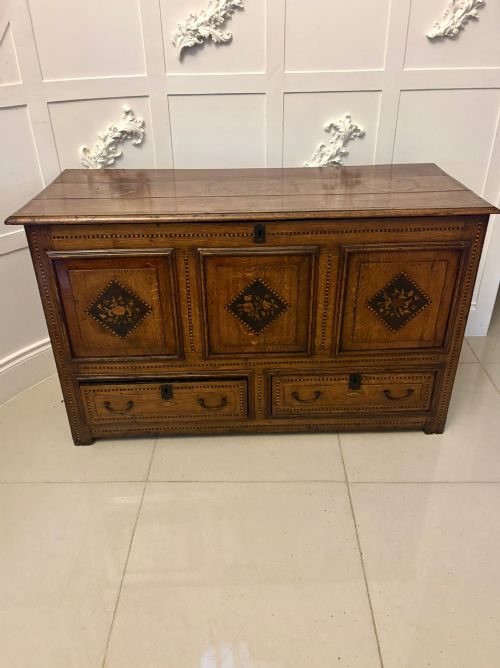
Many items function as practical furniture additions, moving effortlessly from bedroom storage to living space seating. The form evolved from simple boarded boxes to sophisticated joined frames, incorporating drawers and marquetry as domestic comfort grew.
Materials and construction methods
Construction relies heavily on native oak, worked into sturdy panels, rails, and stiles using traditional joinery methods. Makers utilised frame-and-panel techniques to accommodate timber movement, ensuring the box remained stable through seasonal humidity changes.
Secondary timbers such as elm and walnut appear in regional pieces, alongside decorative applications of marquetry inlay using mixed woods. Iron hinges, brass escutcheons, and wrought iron straps provide structural reinforcement and secure closure for the heavy lids.
Listings feature structural timbers including oak, elm, walnut, and mahogany, spanning eras from the sixteenth century through the Georgian period.
Factors that distinguish quality
Quality rests on the integrity of the original construction, the depth of carved detail, and the preservation of the timber surface. Untouched patination on early oak demonstrates proper ageing, whereas heavy modern interventions diminish historical value.
Proportion and regional distinctiveness elevate certain examples, particularly where boarded elm or joined oak displays specific local characteristics. The presence of original ironwork, untouched hinges, and integrated internal till boxes further separates standard utility pieces from notable survivals.
The Period Blanket Chest Glossary
- Coffer
- A heavy wooden chest traditionally used for storing valuables, documents, or textiles. These sturdy boxes form the primary ancestor of the modern domestic wardrobe.
- Mule chest
- A storage chest featuring one or more drawers built into the base beneath the main compartment. This hybrid form bridges the traditional coffer and the chest of drawers.
- Six-plank
- A primitive chest construction method utilising six individual boards joined simply at the edges with pegs or nails. This technique represents an early and utilitarian approach to box-making.
- Marquetry
- The art of applying decorative veneer pieces in various woods to create pictorial patterns on a furniture surface. This technique adds significant visual complexity to seventeenth-century joined work.
- Panelled
- A method of construction where a frame holds a thinner central board floating in grooves to allow for timber expansion. This technique prevents warping in large timber surfaces.
Period Blanket Chest: Frequently Asked Questions
What is a mule chest?
A mule chest is a traditional storage box that combines a lift-up lid compartment with one or more drawers built into the base below. This hybrid design emerged when makers sought easier access to garments without disturbing items stacked on top.
Such pieces date predominantly from the seventeenth and eighteenth centuries, offering dual storage for both linens and smaller wearable items.
How do I date an oak coffer?
Dating relies on examining construction methods, tool marks, joinery styles, and timber shrinkage patterns. Seventeenth-century examples typically employ pegged mortise and tenon joints within a heavy frame.
Later pieces show shifts toward machine-sawn timber, standardised hardware, and different secondary woods like mahogany or deal.
Where were these chests used?
These chests served primarily in the principal chambers and halls of houses to store valuable woollens, heavy blankets, and household linen. They doubled as seating benches or tables in modest homes where multi-functional furniture was essential.
As domestic spaces evolved, they moved into bedrooms and hallways, continuing their role as secure receptacles for family textiles.
Can I use an old coffer as a coffee table?
These robust wooden boxes function well as coffee tables provided their height aligns with surrounding seating. The flat top surface offers convenient placement for books and decorative objects while maintaining concealed interior storage.
Care should be taken to protect antique timber surfaces from moisture rings and excessive heat using appropriate coasters or trays.