

Period Accent Armchair
A period accent armchair brings centuries of craftsmanship into a room, offering both historic character and comfortable seating.
Period Accent Armchair
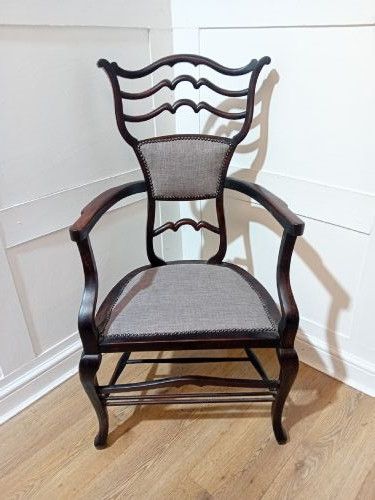
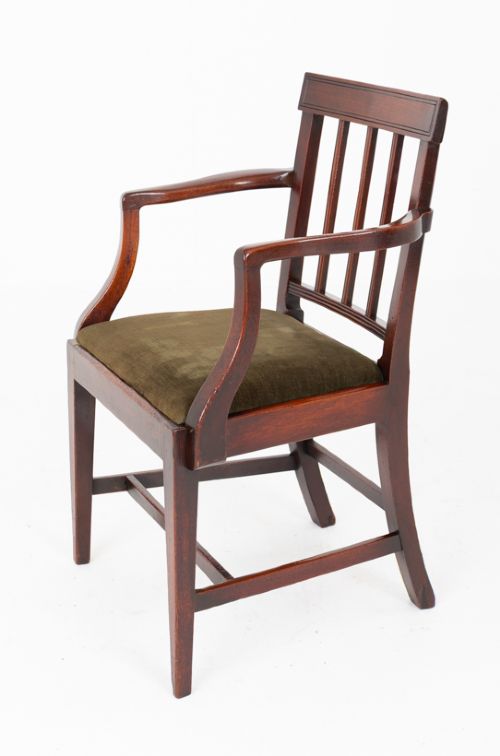
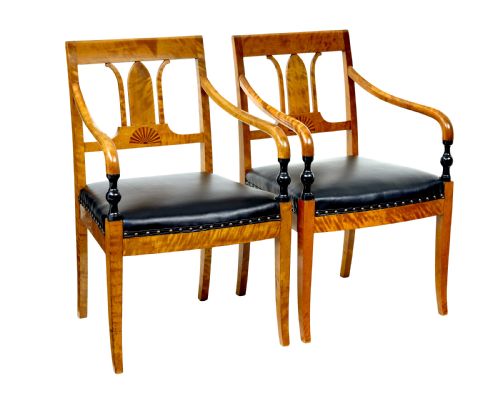
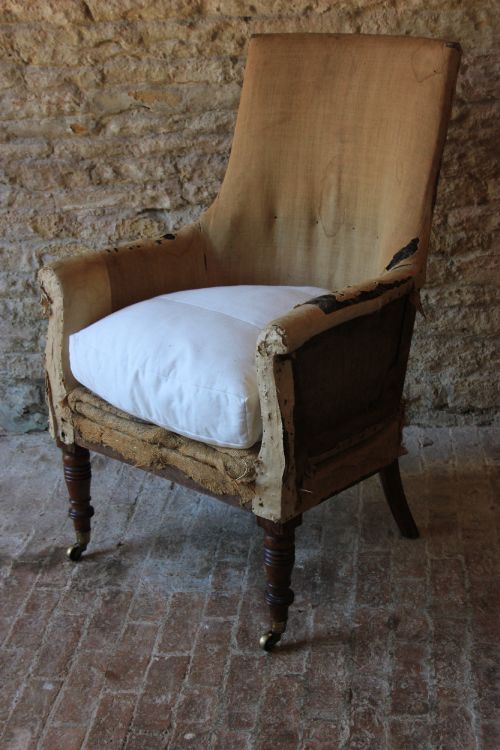
A period accent armchair is a seating form shaped by centuries of stylistic evolution, ranging from seventeenth-century oak designs to twentieth-century art deco pieces. These chairs serve as focal points in a room while providing functional seating.
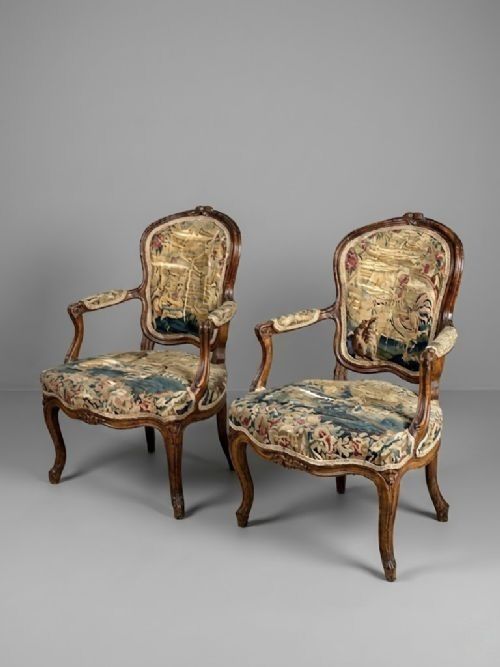
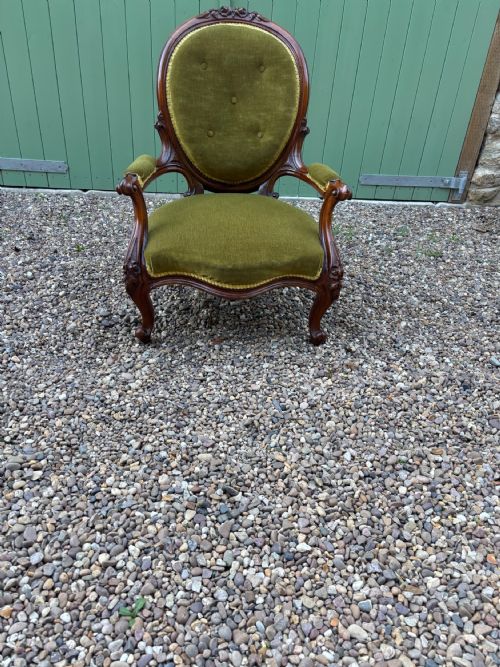
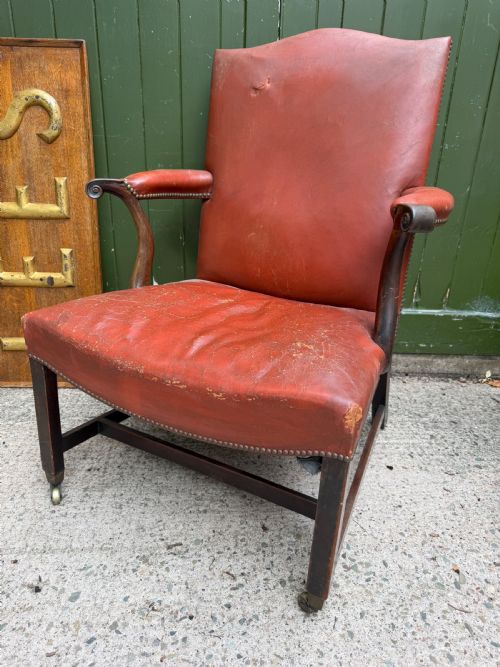
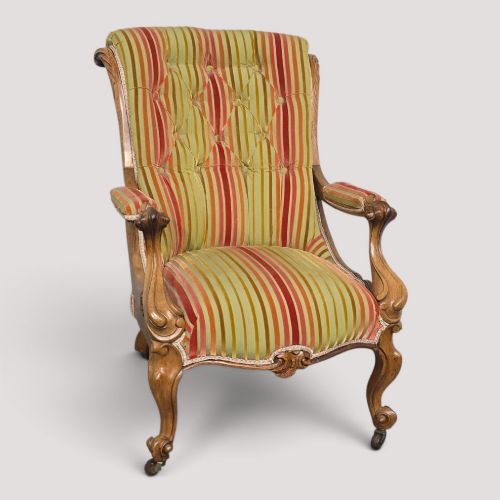
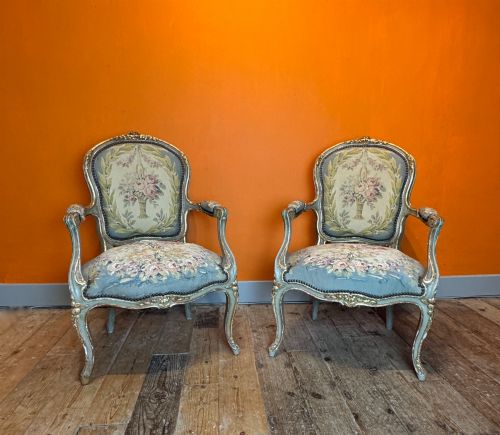
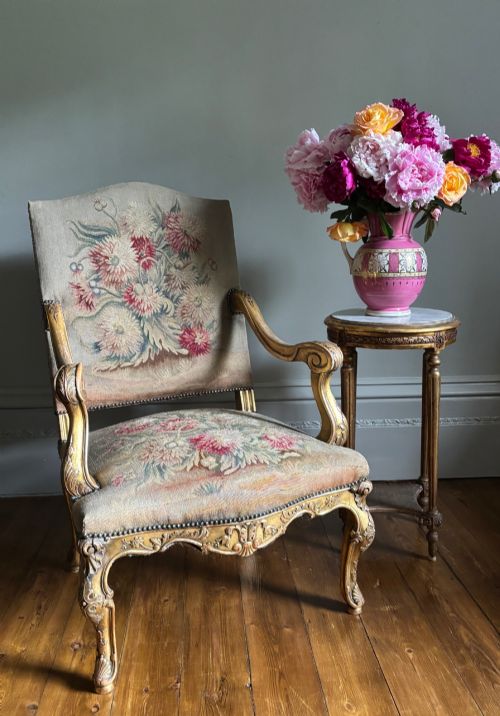
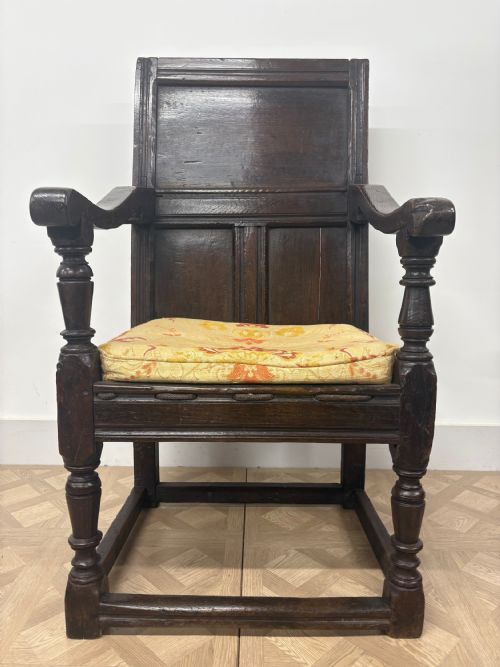
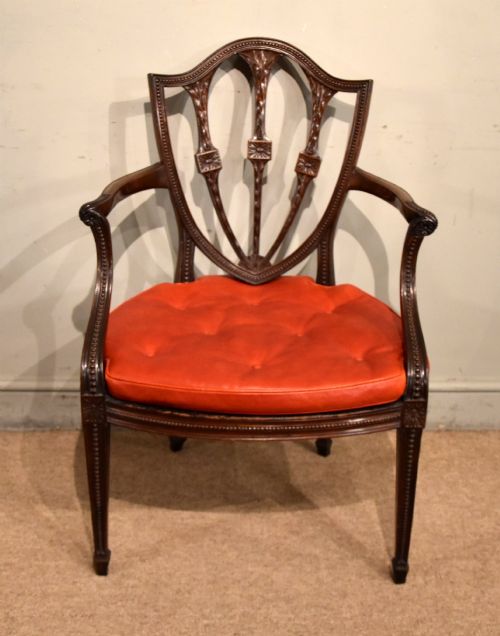
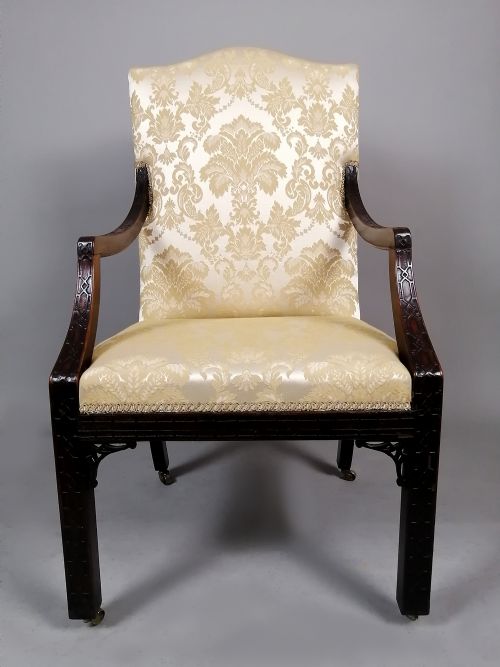
Buyers exploring this category encounter a diverse mix of forms, including library armchairs, nursing chairs, desk chairs, and salon chairs. Mahogany frames from the eighteenth and nineteenth centuries appear frequently alongside French giltwood bergères and English oak wainscot chairs.
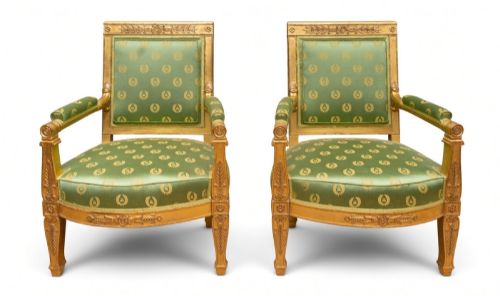
Origins span across English, French, and Scandinavian workshops, capturing aesthetics from the Georgian and Regency eras through to the Edwardian period and the nineteen-thirties.
How they were made
Frames rely heavily on traditional timber selection, utilising dense woods such as mahogany, walnut, oak, fruitwood, and rosewood. Craftsmen also shaped pieces from elm, birch, and giltwood, applying carved detail and parcel gilding by hand.
Upholstery and structural support incorporate traditional materials including leather, velvet, fabric, tapestry, and handwoven cane. Joinery methods and carved wooden frames define the structural integrity of each piece across different centuries.
Listings feature periods spanning from the seventeenth century through to the nineteen-thirties, utilising mahogany, walnut, oak, and giltwood.
What varies in quality
The standard of a period accent armchair rests on the crispness of its wood carving and the integrity of its timber frame. Subtle details in the joinery and the authenticity of period upholstery distinguish standard examples from finer works.
Proportion and scale play significant roles, where balanced framing and well-executed decorative schemes, such as giltwood or painted finishes, elevate the stature of the chair.
Jacob Desmalter·Blaise Maucuy·Dryad of Leicester
The Period Accent Armchair Glossary
- Bergère
- A closed upholstered armchair with wooden framing, originating in France. These seats often feature exposed carved wood and cane panels.
- Fauteuil
- An open-arm armchair with an exposed wooden frame, typically upholstered on the seat and back. This French form dates back to the seventeenth and eighteenth centuries.
- Gainsborough chair
- A wide, upholstered library armchair with open padded arms, dating from the mid-eighteenth century. Mahogany and leather frequently define this type.
- Wainscot chair
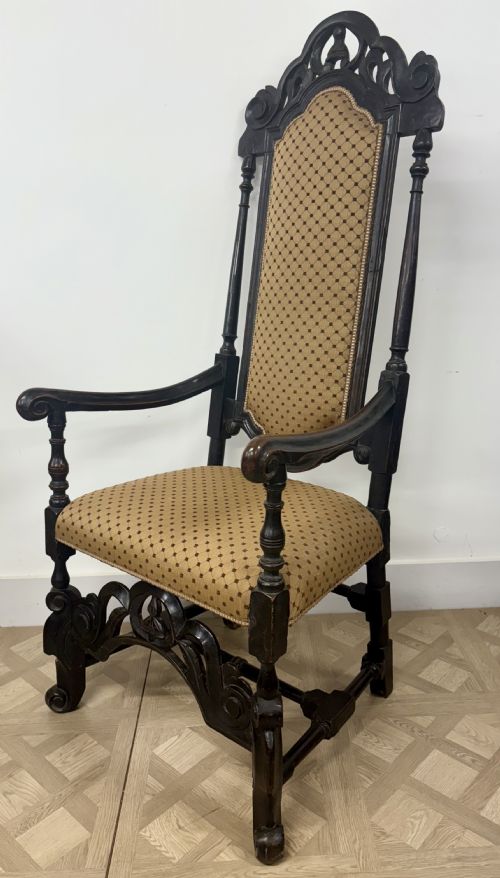
- An early English wooden armchair constructed with panelled backboards, often made of solid oak. These heavy chairs originate from the seventeenth century.
- Giltwood
- Timber that has been coated with a thin layer of gold leaf. This finish is commonly found on eighteenth-century French and English salon chairs.
Period Accent Armchair: Frequently Asked Questions
How do I identify a Georgian armchair?
Georgian armchairs often feature mahogany frames, carved details, and traditional upholstery like leather or needlepoint. Look for classic proportions and stylistic cues associated with eighteenth-century cabinet making.
Examine the legs and arm supports for hallmarks of the period, such as cabriole legs or straight carved supports, which help separate them from later Victorian copies.
What is the difference between a bergère and a fauteuil?
A bergère is a closed armchair with upholstered sides enclosed in wood or cane. A fauteuil is an open-arm armchair where the wooden arm supports remain uncovered.
Both French seating styles emerged in period salons, but their side construction provides a distinct visual weight and sitting experience.
Are these chairs suitable for daily use?
Many period accent armchairs were built for active domestic spaces like libraries and studies, making them structurally robust. Solid timber frames and supportive seating forms allow them to function well in modern rooms.
Consider the existing upholstery and internal padding when planning for regular seating, as older pieces may benefit from careful maintenance.
How can I tell the period of a wooden chair?
Dating relies on observing the primary wood used, the joinery techniques, and the stylistic motifs carved into the frame. Oak and walnut predominate in seventeenth-century pieces, while mahogany becomes widespread through the eighteenth century.
Comparing the chair's silhouette against documented regional styles from the Regency, Victorian, or Edwardian eras clarifies its approximate age.