


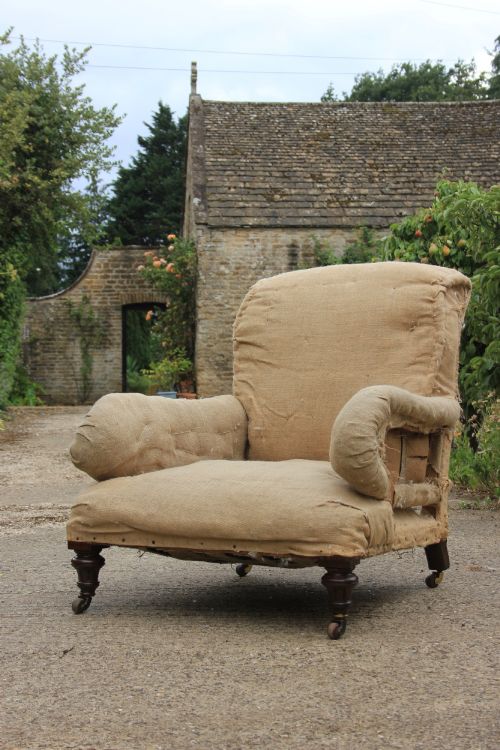
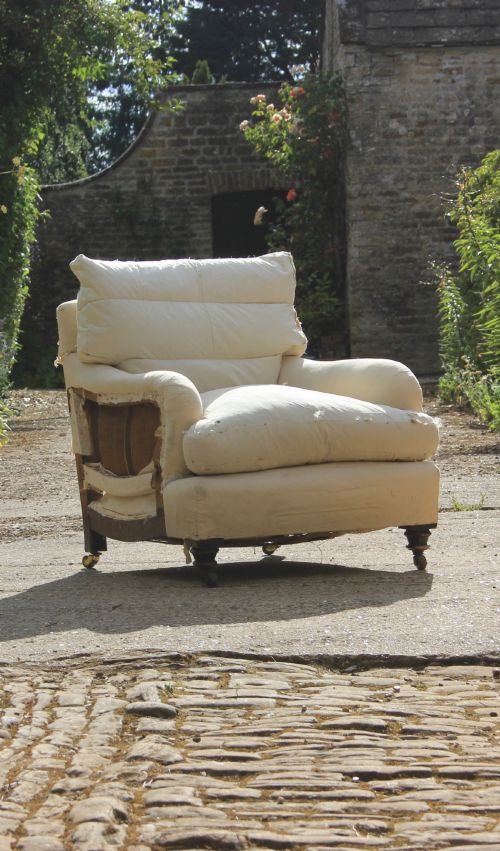
Traditional Fireside Seating
Traditional fireside seating brings together centuries of vernacular woodwork and upholstered comfort designed to gather around a hearth.
Traditional Fireside Seating
Traditional fireside seating encompasses a diverse range of armchairs, wingbacks, club fenders, and settles suited to warmth and rest. These pieces span from the eighteenth century through the Victorian era and into the early twentieth century.
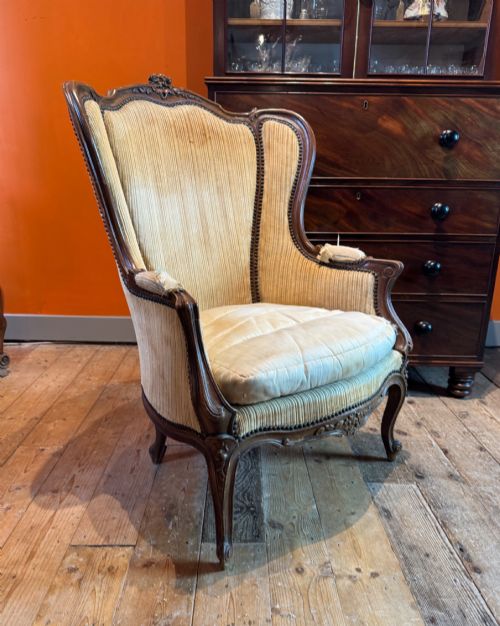
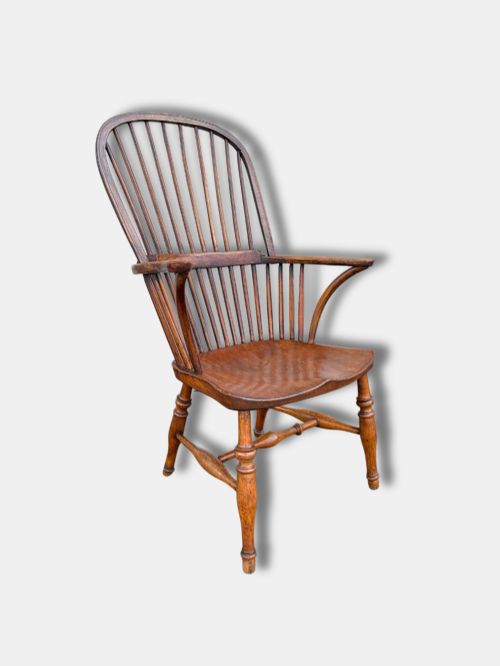
Buyers will most frequently encounter nineteenth-century armchairs, stickback Windsor chairs in ash and elm, and upholstered library chairs. English country house styles and vernacular forms appear regularly alongside French designs.
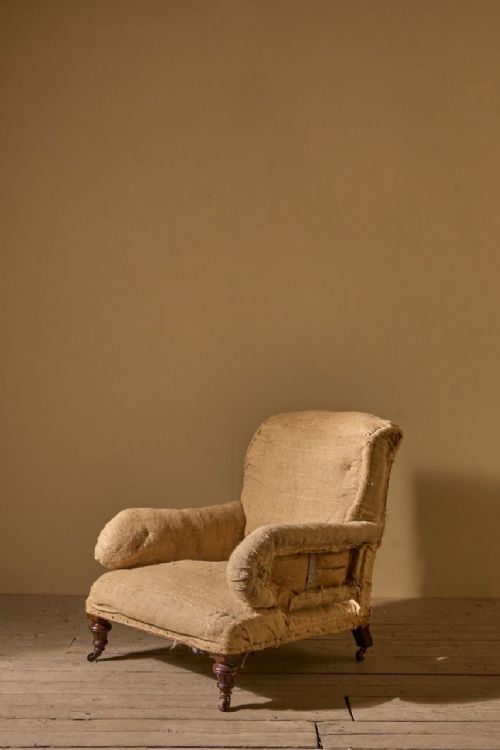
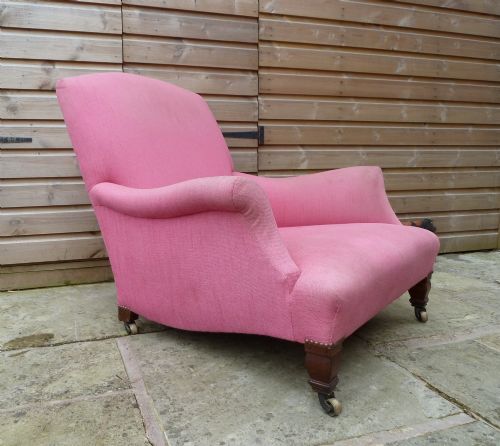
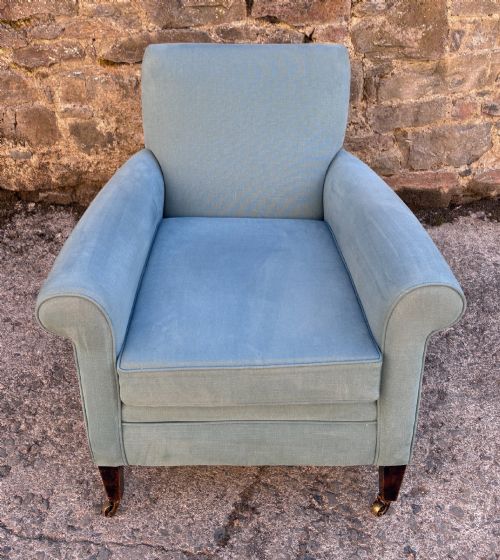
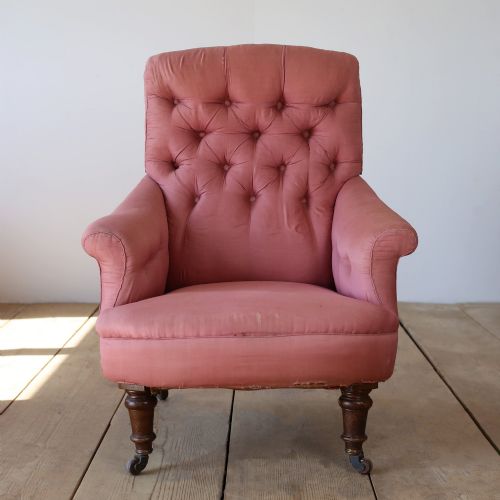
The selection ranges from sturdy wooden farmhouse seating to deep-seated upholstered armchairs covered in velvet, calico, or leather. Each piece reflects the domestic habits of past periods, built for utility near a fireplace.
Materials and construction
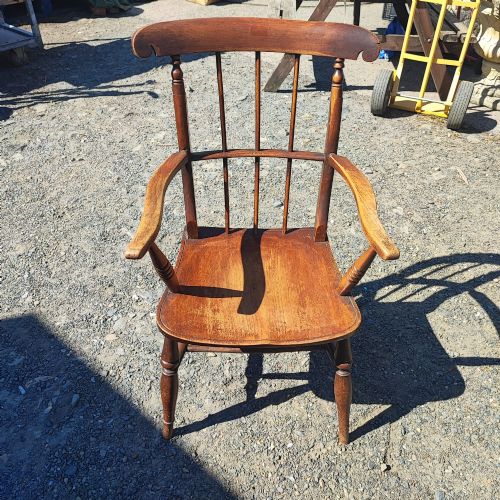
Makers utilised solid timbers such as mahogany, walnut, ash, and elm to build sturdy frames for both wooden and upholstered chairs. Windsor chairs relied on traditional spindle and hoop construction, joining bentwood parts with carved seats.
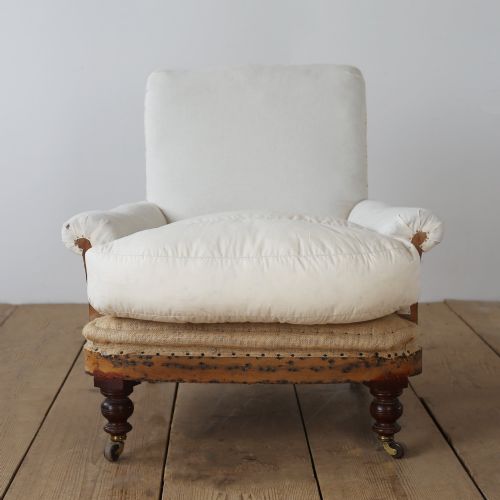
Upholstered forms incorporated brass detailing, feather fillings, and supportive webbing beneath coverings of leather, calico, velvet, and plaid fabric. Woodworkers shaped elbows, legs, and panels by hand to create durable domestic seating.
Listings feature pieces spanning from the eighteenth century through the Victorian period to the 1930s, using mahogany, walnut, ash, elm, brass, and velvet.
Judging quality in fireside seating
Quality rests upon the integrity of the timber frame and the authenticity of the materials used in both construction and upholstery. Original timber patination and honest signs of age elevate a piece above later alterations.
The weight and balance of an armchair, alongside the precision of its joinery or button-backed upholstery, determine its standard. Superior examples maintain their structural firmness and retain period-appropriate fabrics or leather.
Howard and Sons·SF Cullen·Hampton and Sons
The Traditional Fireside Seating Glossary
- Wingback armchair
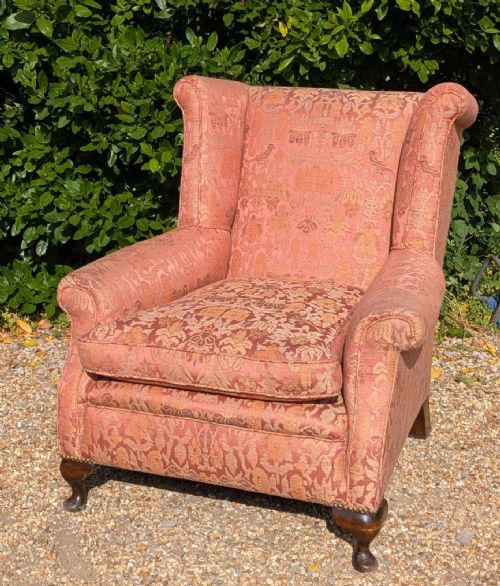
- An upholstered seat featuring protective side wings designed to shield the sitter from draughts near a fireplace. These chairs often stand on wooden legs and appear in leather or fabric.
- Windsor chair
- A wooden chair constructed with upright spindles inserted into a solid carved seat, often featuring a bentwood hoop or stick back. Ash and elm are typical timbers for this vernacular form.
- Club fender
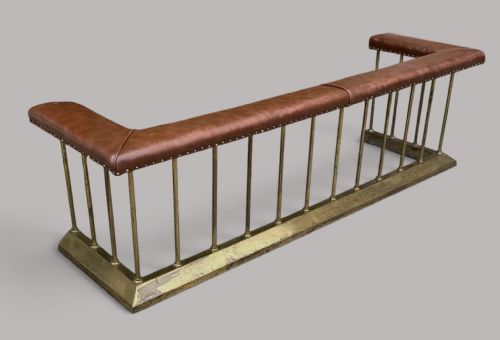
- A low brass and leather-upholstered frame placed around the hearth to provide extra seating close to the fire. It combines metalwork with padded top rails.
- Bergere
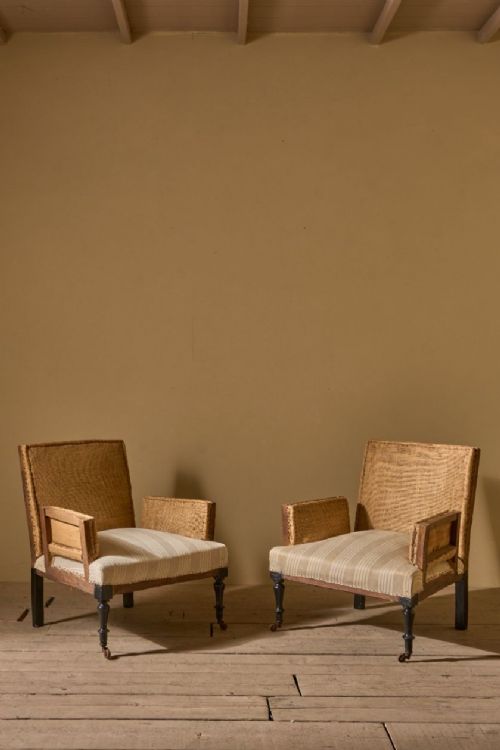
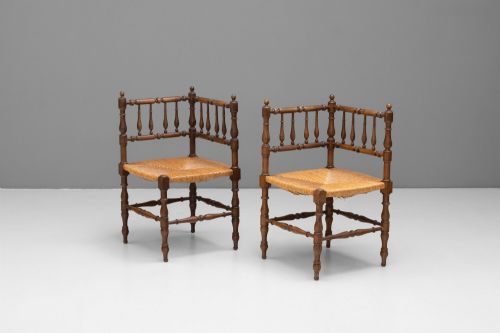
- An enclosed upholstered armchair with exposed wooden framing, originating in France during the eighteenth century. These chairs often utilise cane work or fabric panels.
- Settle
- A high-backed wooden bench with solid panels designed to block cold air in traditional interiors. They frequently incorporate integrated storage or armrests.
Traditional Fireside Seating: Frequently Asked Questions
What defines traditional fireside seating?
Traditional fireside seating covers historical armchairs, settles, and club fenders built to withstand daily use near a hearth. These items prioritise comfort, warmth, and sturdy construction.
They utilise materials like mahogany, ash, elm, leather, and wool upholstery, drawing on centuries of British and continental furniture design.
How do I care for antique leather club chairs?
Antique leather requires gentle cleaning with appropriate conditioning products to maintain its suppleness and prevent cracking over time. Keeping the leather away from direct heat sources preserves the natural hide.
Regular dusting and careful handling protect the mature patina developed over decades of domestic use.
What is the purpose of a club fender?
A club fender provides cushioned seating directly around the hearth while protecting the room from stray embers. The metal base frames the fireplace neatly.
Upholstered top rails in leather or fabric made these fixtures a comfortable addition to nineteenth-century drawing rooms.