
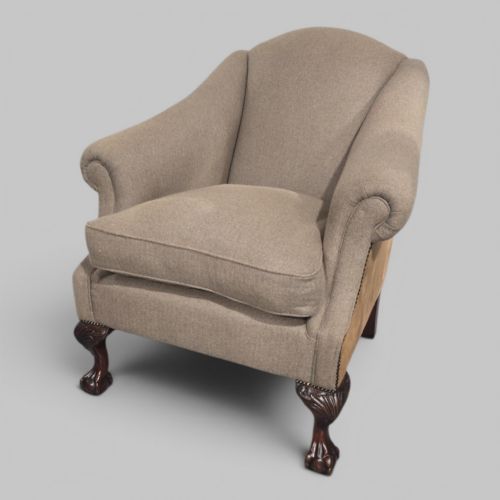


Dark Wood Fireside Chair
A dark wood fireside chair brings warmth and sturdy seating to a room, drawing on centuries of vernacular craftsmanship.
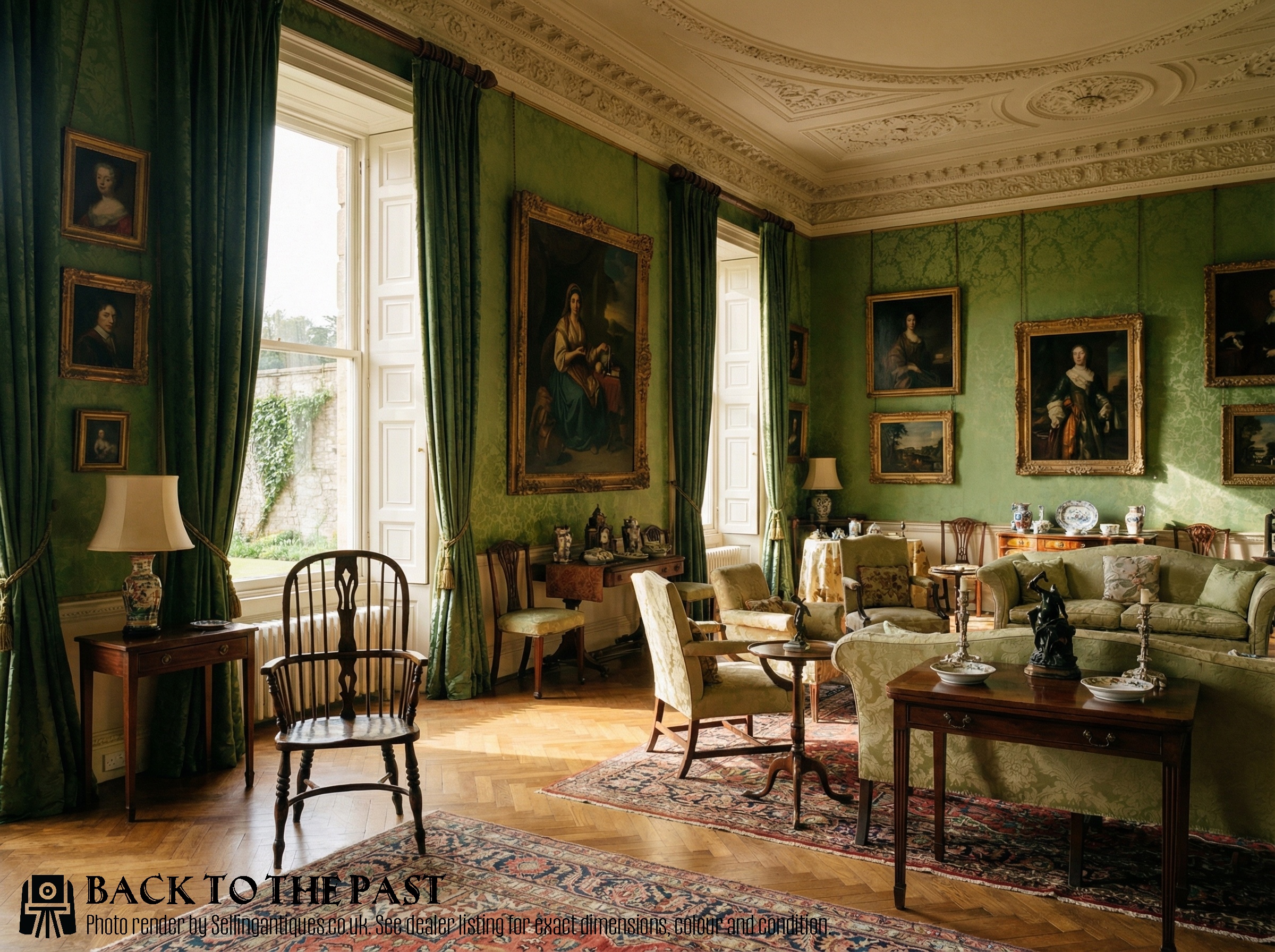
Dark Wood Fireside Chair
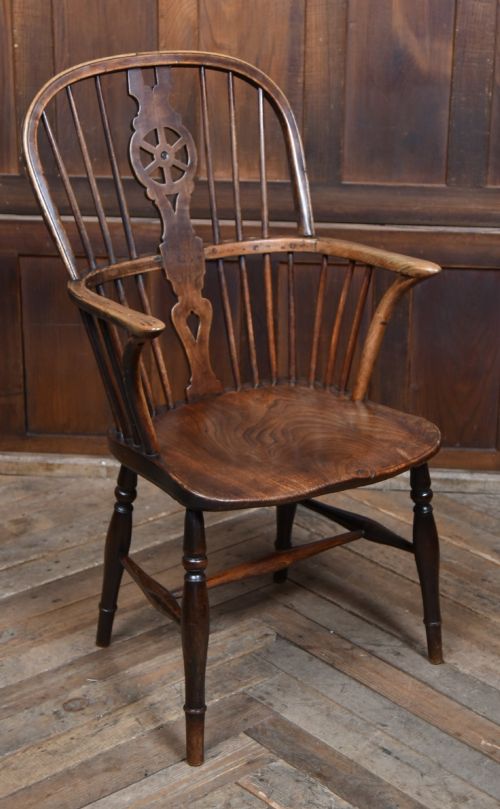
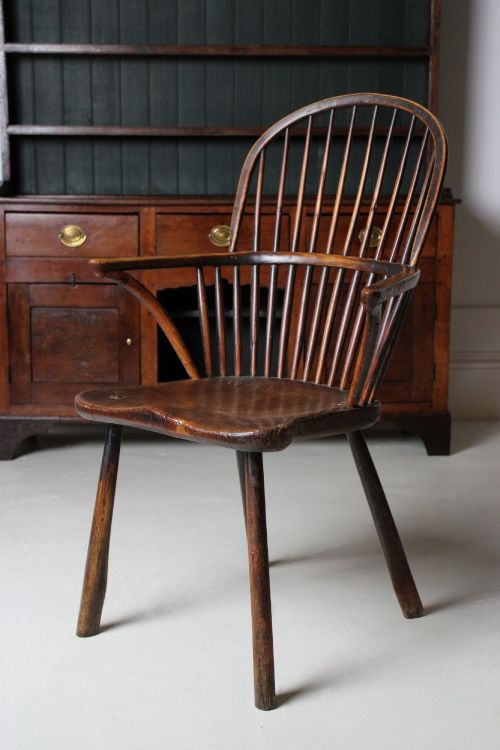
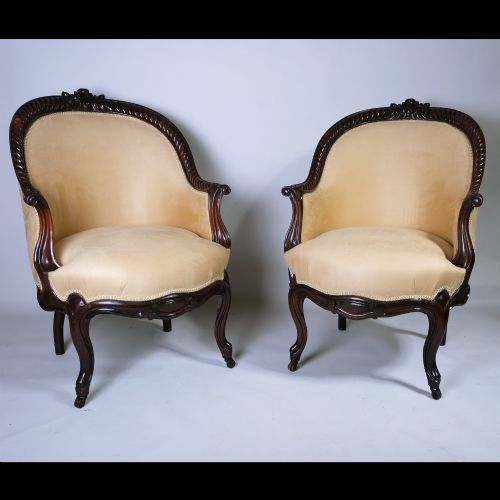
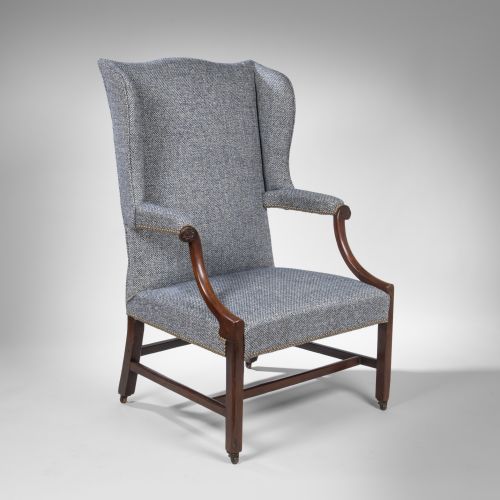
When you search for a dark wood fireside chair, you encounter a robust mix of seating spanning the seventeenth, eighteenth, and nineteenth centuries. These pieces encompass regional windsor designs, country vernacular armchairs, and formal mahogany wingbacks.
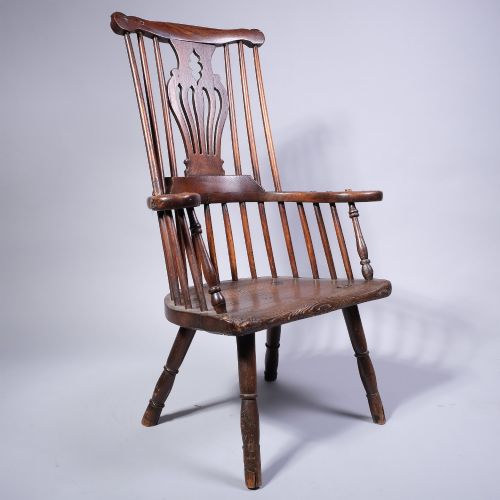
The selection on this page relies heavily on nineteenth-century interpretations alongside earlier eighteenth-century examples. You will frequently find wheel-back, comb-back, and spindleback armchairs alongside rocking chairs and heavy library seating.
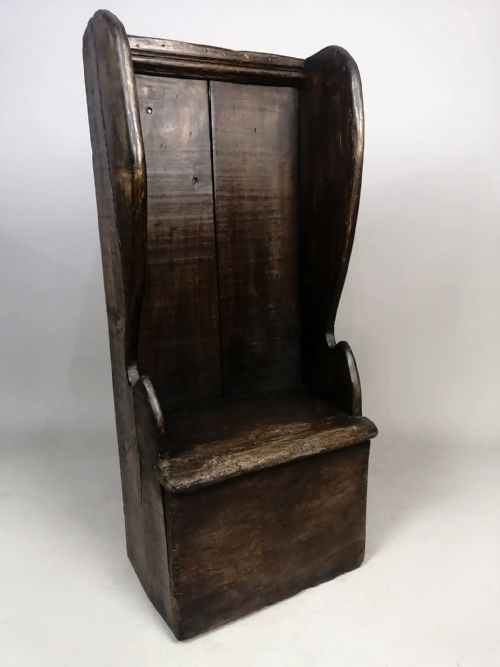
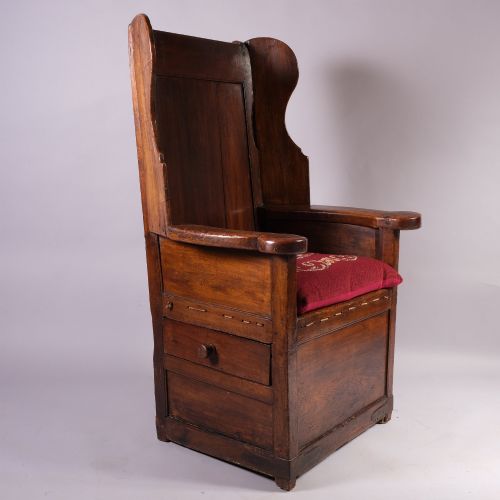
Originating from English country workshops, French makers, and regional traditions such as the Thames Valley, these chairs were built for daily domestic use by the hearth. Their forms range from low-slung lambing chairs to grand high-backed library chairs.
Materials and construction
The makers of these chairs utilised a combination of hardwoods and softwoods suited to structural integrity and comfort. Elm, ash, fruitwood, and oak frequently form the heavy frames and spindle backs, while mahogany and rosewood appear in more formal Georgian and Victorian pieces.
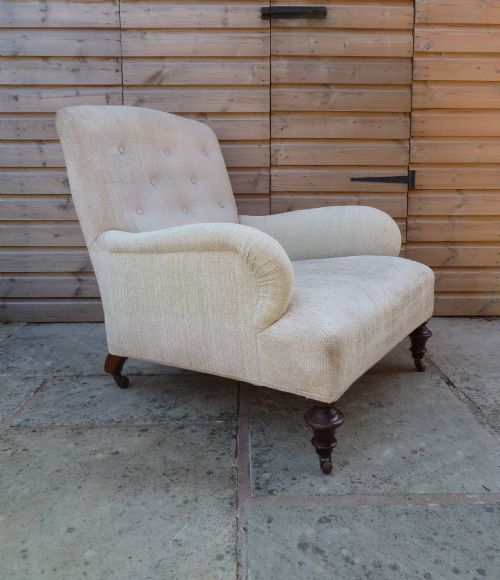
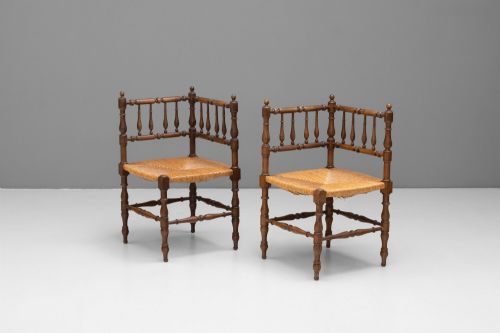
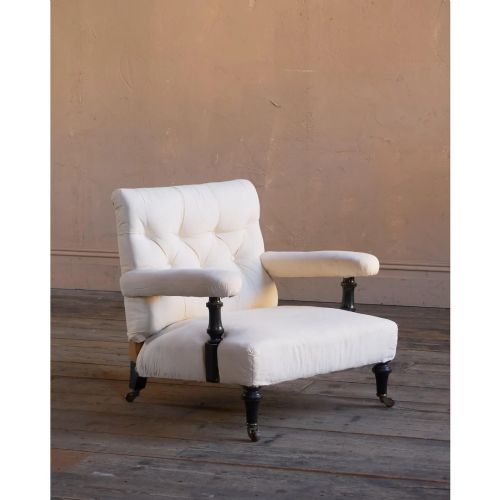
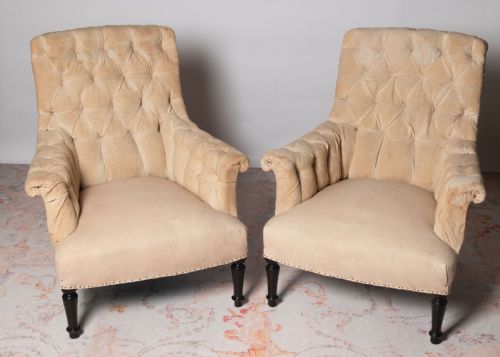
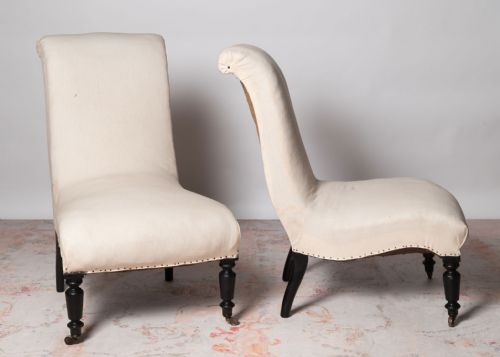
Turned elements, such as bobbin or barley twist legs, demonstrate traditional carpentry techniques alongside steam-bent wooden hoops. Upholstered variants incorporate brass tacks and fabric or leather coverings fixed to robust wooden foundations.
Periods represented span from the late seventeenth century through the Georgian and Victorian eras into the early twentieth century.
Judging quality and craftsmanship
Finer examples reveal themselves through thoughtful proportions, balanced turnings, and well-executed joinery rather than heavy restoration. The distinction between a simple vernacular seat and a refined library armchair lies in the precision of the carving and the selection of figured mahogany or rosewood.
Mellier and Co·Howard and Sons
The Dark Wood Fireside Chair Glossary
- Windsor chair
- A chair built with a solid wooden seat into which the legs and back spindles are separately inserted. They often feature carved elm seats combined with ash or yew superstructures.
- Lambing chair
- A traditional high-sided armchair designed to shield the occupant from draughts near an open fire. These often feature enclosed lower sides and originate from rural domestic settings.
- Comb back
- A Windsor chair variation where the central vertical spindles extend upward into a horizontal top rail resembling a hair comb. This style frequently dates to the eighteenth century.
- Bergere
- An enclosed upholstered armchair with a wooden frame, typically featuring woven cane panels on the sides or back. Edwardian and later iterations often utilise this French-inspired technique.
- Vernacular furniture
- Everyday objects made by local tradesmen using regional materials and traditional methods rather than following strict high-style metropolitan fashions.
Dark Wood Fireside Chair: Frequently Asked Questions
What is a lambing chair?
A lambing chair is a traditional fireside seat featuring high wooden sides designed to keep out draughts. They often incorporate a low seat and solid panels.
These pieces were essential furniture in rural farmhouses before central heating became common.
How do I identify a Windsor chair?
A Windsor chair is distinguished by its thick wooden saddle seat into which the legs and back spindles are bored directly. They rely on a strong structural framework rather than an upholstered core.
Many examples combine different woods, using elm for the seat and ash or yew for the bentwood bows and spindles.
Where were these chairs made?
These chairs originated in regional English workshops, rural European provinces, and metropolitan cabinet makers. Regional variants such as Thames Valley windsors reflect local timber availability.
Maker attributions range from country bodgers to established London firms like Mellier and Co.
How do I live with antique wooden chairs?
Living with these chairs involves keeping them away from direct heat sources and sudden temperature shifts. Natural timbers respond well to gentle cleaning and occasional waxing to maintain the surface.
Their robust construction means they remain fully usable for daily seating in a modern home.