

Pencil Drawing Art
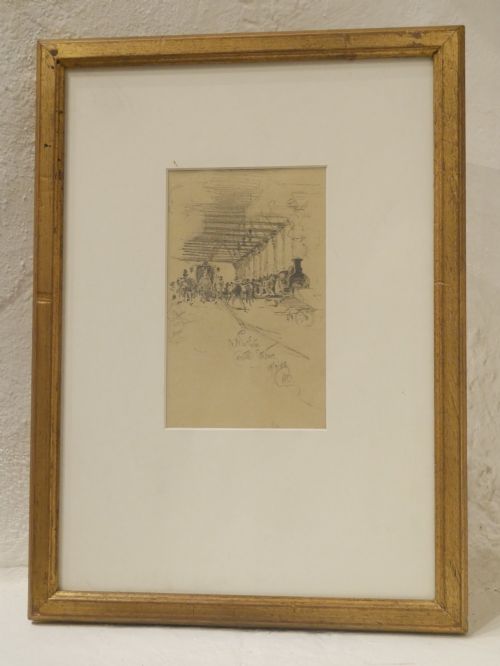
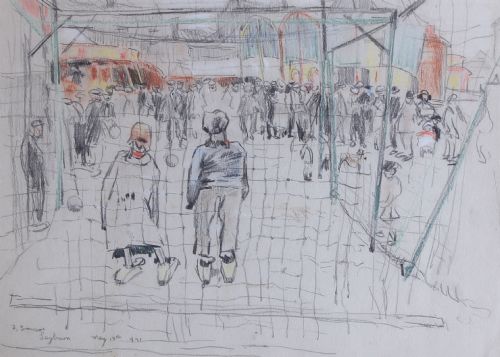
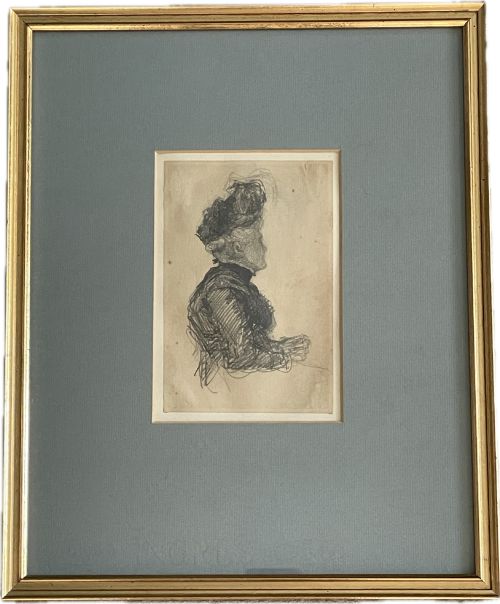
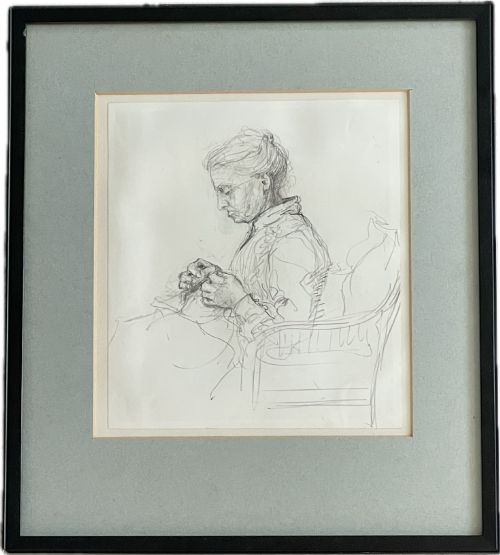
Pencil drawing art brings direct, intimate hand-drawn studies into a room, offering a quiet window into the technical skill of past draughtsmen.
Pencil Drawing Art
When searching for pencil drawing art, collectors encounter original works on paper spanning centuries, from Georgian academic studies to Modern British compositions.
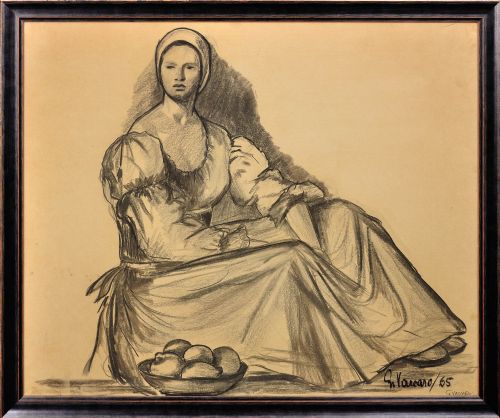
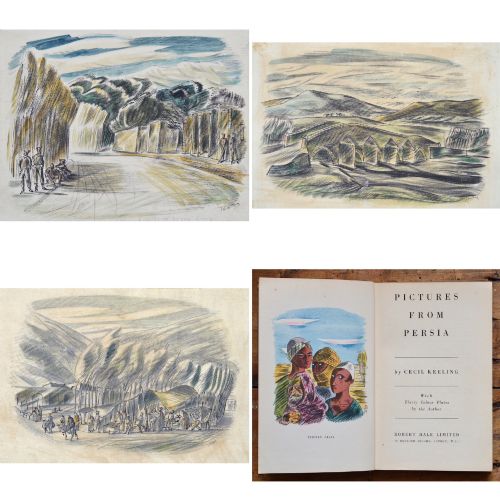
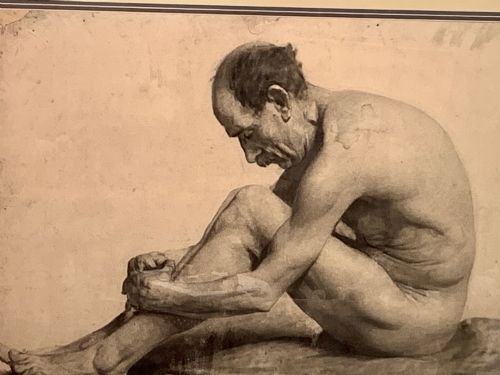
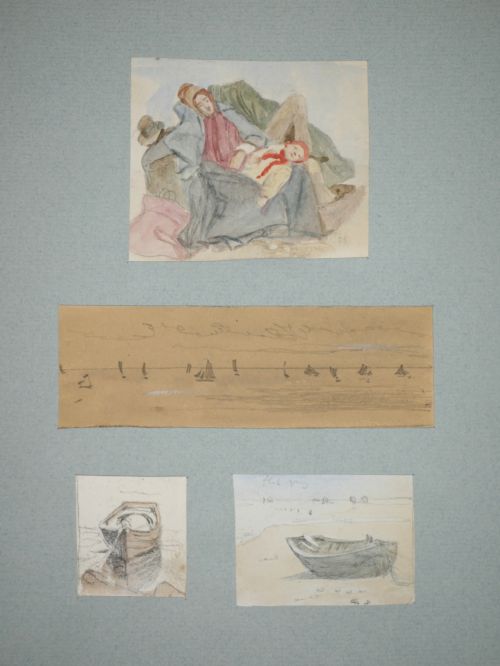
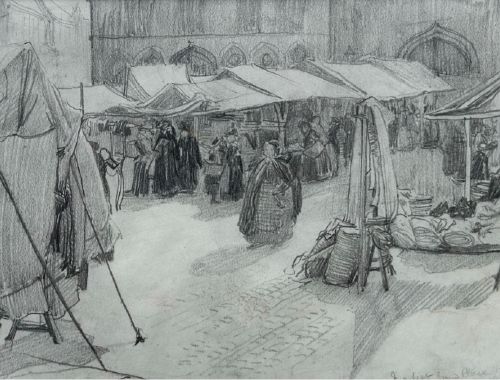
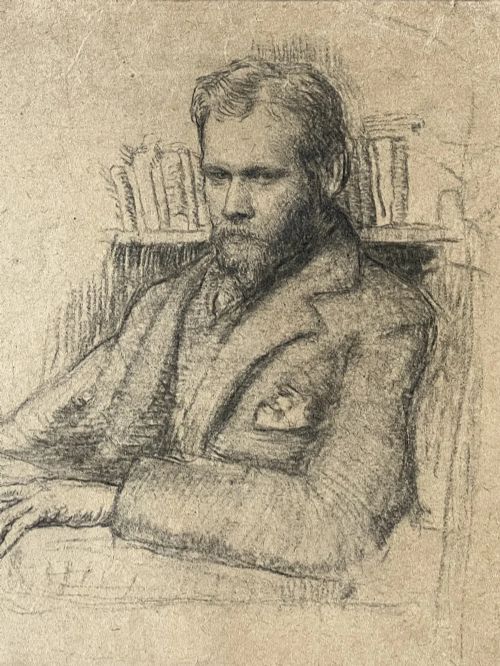
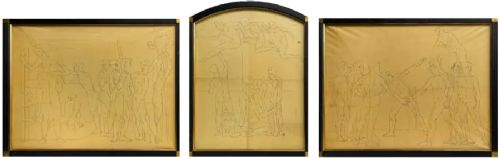
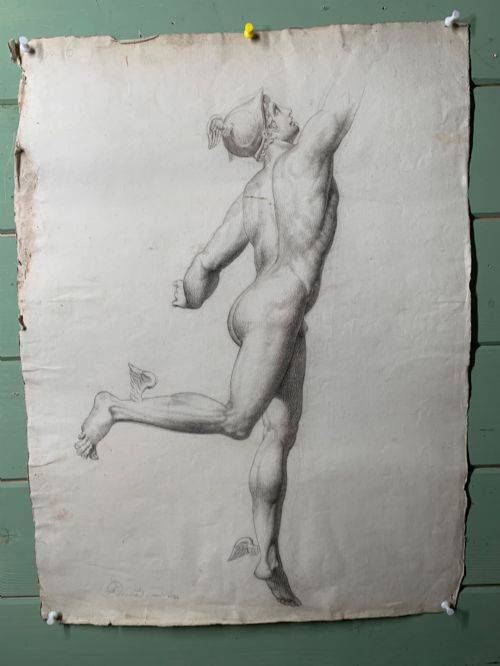
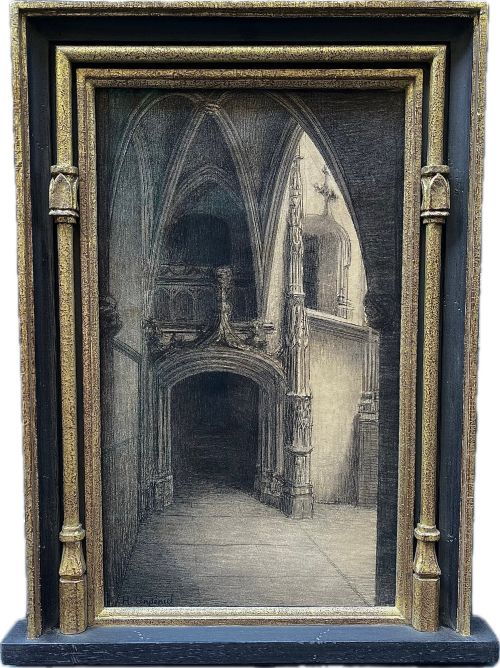
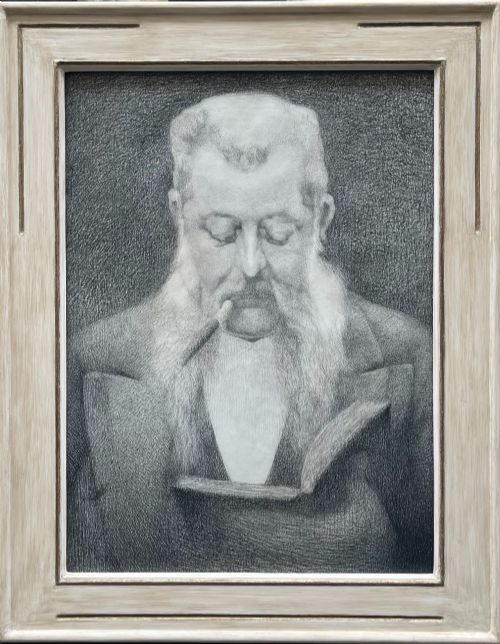
The selections on this page feature framed artwork, wall art, and unframed drawings ranging from intimate portraits and figure studies to landscape sketches.
Works originate across the nineteenth and twentieth centuries, including specific periods like the Regency era, the Edwardian period, and the nineteen-twenties.
Materials and Techniques
These works rely on graphite and pencil marks applied directly to paper surfaces, occasionally augmented with charcoal, chalk, or plumbago.
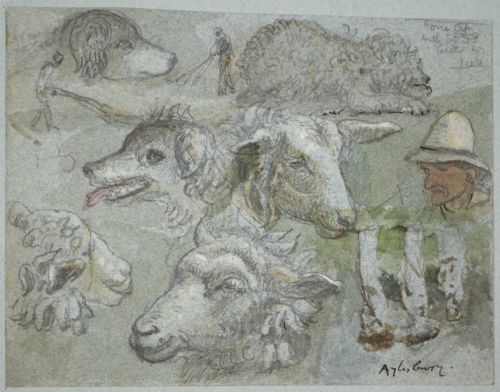
Many pieces incorporate supplementary media such as watercolour, ink, or gouache to add tone and colour alongside the primary drawn lines.
Framed examples utilise glass and wood housings to protect the delicate paper supports from environmental damage.
Pencil Drawing Art Retail Price Guide 2026
Typical asking prices for pencil drawing art among the pieces listed under this phrase on Sellingantiques today, from the lower quarter to the upper quarter. They describe what is for sale here now, not the wider market.
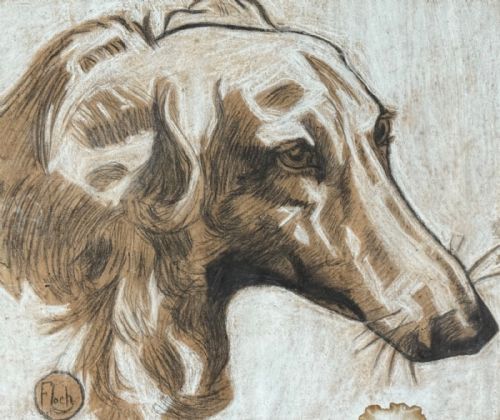
Among the portraits and landscapes, a dashing twentieth-century drawing captures a borzoi dog rendered in gouache and pencil.
Factors That Shape Quality
The strength of the draughtsmanship separates routine academic exercises from masterful portraiture and figure studies.
Condition varies according to paper preservation, noting how exposure to light affects the stability of graphite, charcoal, and underlying watercolours.
Provenance and clear attribution to recorded artists elevate individual pieces above anonymous school sketches.
Fred Lawson·Henry Winslow·Cecil Keeling·Henry Percy Huggill·James Smetham·Augustus John·James Stroudley·Herbert Johnson Harvey·Henri Charles Angéniol·Dame Laura Knight·John Taylor·Demetrios Galanis·Michael Lyne·J D Fergusson·J W Hogley
The Pencil Drawing Art Glossary
- Graphite
- A form of carbon used as the primary marking medium in pencil drawings. It produces varied grey tones depending on the hardness of the lead.
- Plumbago
- An early term for graphite, frequently used to describe finely detailed eighteenth-century portrait drawings executed in monochrome.
- Works on paper
- A broad category encompassing drawings, watercolours, sketches, and prints created on paper supports.
- Academic realism
- A style of painting and drawing produced under the influence of European academies of art, emphasising accurate anatomy and classical proportions.
- Triptych
- A work of art divided into three sections or panels, often hinged together to form a single compositional unit.
Pencil Drawing Art: Frequently Asked Questions
What is pencil drawing art?
Pencil drawing art encompasses original works executed primarily with graphite, lead, or charcoal on paper. These pieces range from rapid field sketches to finished portrait and figure studies.
Collectors find examples created across multiple centuries, reflecting changing aesthetic movements from Georgian classicism to twentieth-century modernism.
How do I identify the period of a drawing?
Dating relies on paper watermarks, the clothing and hairstyles of sitters, and the stylistic conventions of the written signatures or framing materials. Academic nude studies often follow distinct institutional formulas tied to specific centuries.
Comparing the artist's recorded working dates provides a reliable timeframe for signed works.
Are all listed works original?
The inventory consists of hand-drawn original artworks rather than modern mass-produced reproductions. Each piece represents a direct physical act by the draughtsman.
Listings specify whether a work is an original standalone study, a page from a sketchbook, or part of a dated series.